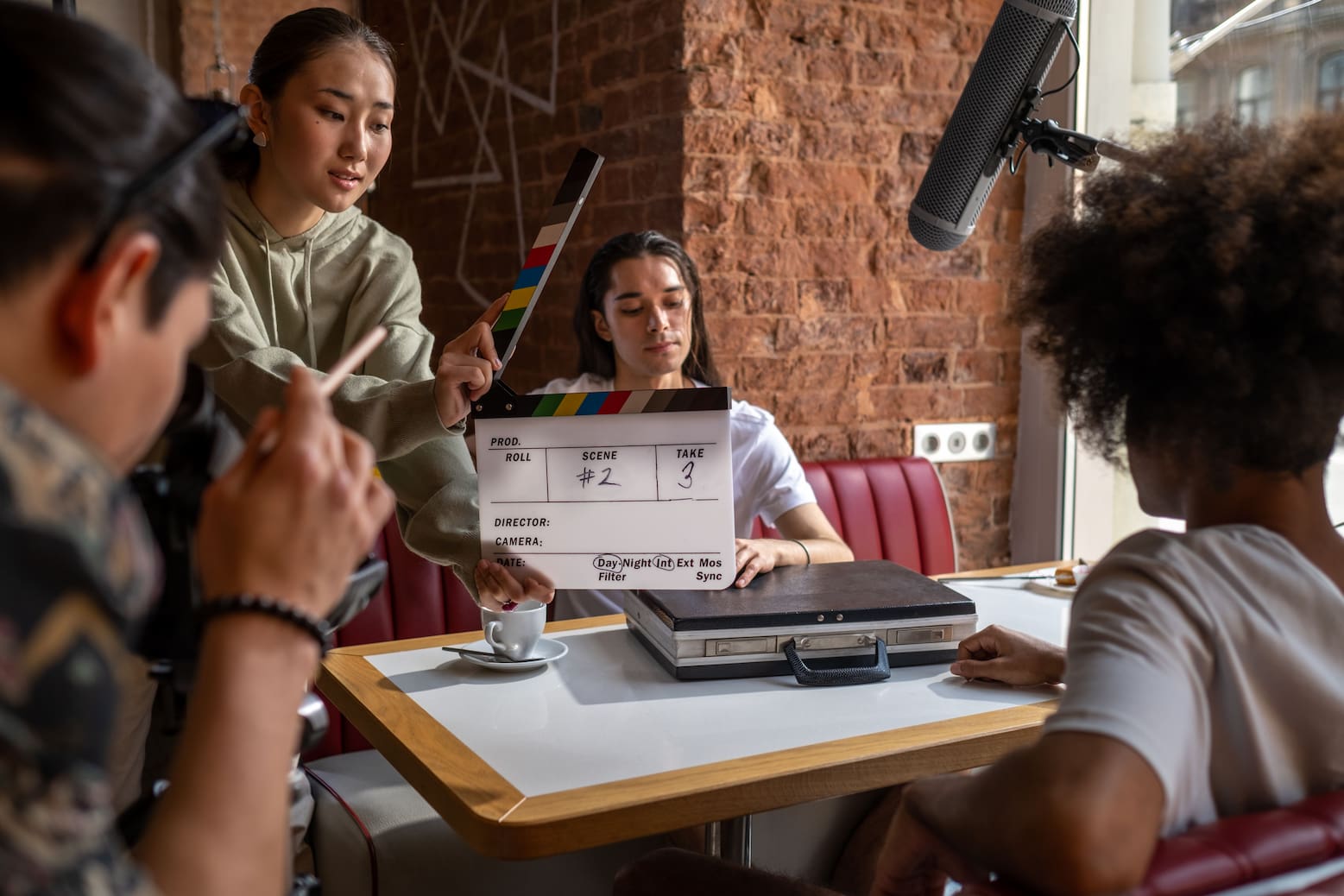
For Ms Tran Phuong Thuy, Associate Lecturer in Digital Film and Video at RMIT Vietnam, however, greater visibility must be accompanied by changes in the working environment.
“Just like film industry in other countries, the industry in Vietnam has always been male leaning when it comes to key creative roles,” Ms Thuy said.
She pointed to the demanding working conditions of filmmaking, cultural perceptions about women’s ability to work in such environments, limited access to female mentors and differing expectations of women’s work as factors that can make it harder for women to progress into decision-making positions.
“There is also not enough female mentor in all the roles to support and lead the younger generation to higher position in their chosen direction,” she said.
Ms Thuy said these barriers could leave women feeling they have to prove both the quality of their work and their ability to overcome assumptions about what women can do in the industry.
Supporting women earlier in their careers could help address this gap, particularly through mentorship, visibility and targeted industry opportunities.
“Firstly, it would be a great support to have special programs or grants that focus on female filmmakers,” Ms Thuy said. “It would provide a space where female filmmakers can empower each other and find suitable resources for their development.”
She also suggested greater incentives for female-led or all-female projects, allowing emerging filmmakers to gain experience, build networks and develop their careers in supportive environments.
For film education, the goal is not to create a separate pathway for women, but to ensure that talented filmmakers have the opportunities, networks and confidence to progress into the roles where creative decisions are made.
“The most important thing is it sends out the message that it’s possible for a female filmmaker to develop and flourish in the industry,” Ms Thuy said.
As Vietnam’s film industry continues to grow, the educators said a broader range of voices behind the camera could help the sector tell more complex and varied stories while giving emerging filmmakers more opportunities to build sustainable careers.
Story: June Pham