‘Never Been Here’ exhibition: a dialogue between humanity and technology

‘Never Been Here’ exhibition: a dialogue between humanity and technology

Through video, game and interactive installation, the exhibition by two emerging artists offers new artistic experiences and is supported by the RMIT Digital Design and Art Grants 2026.
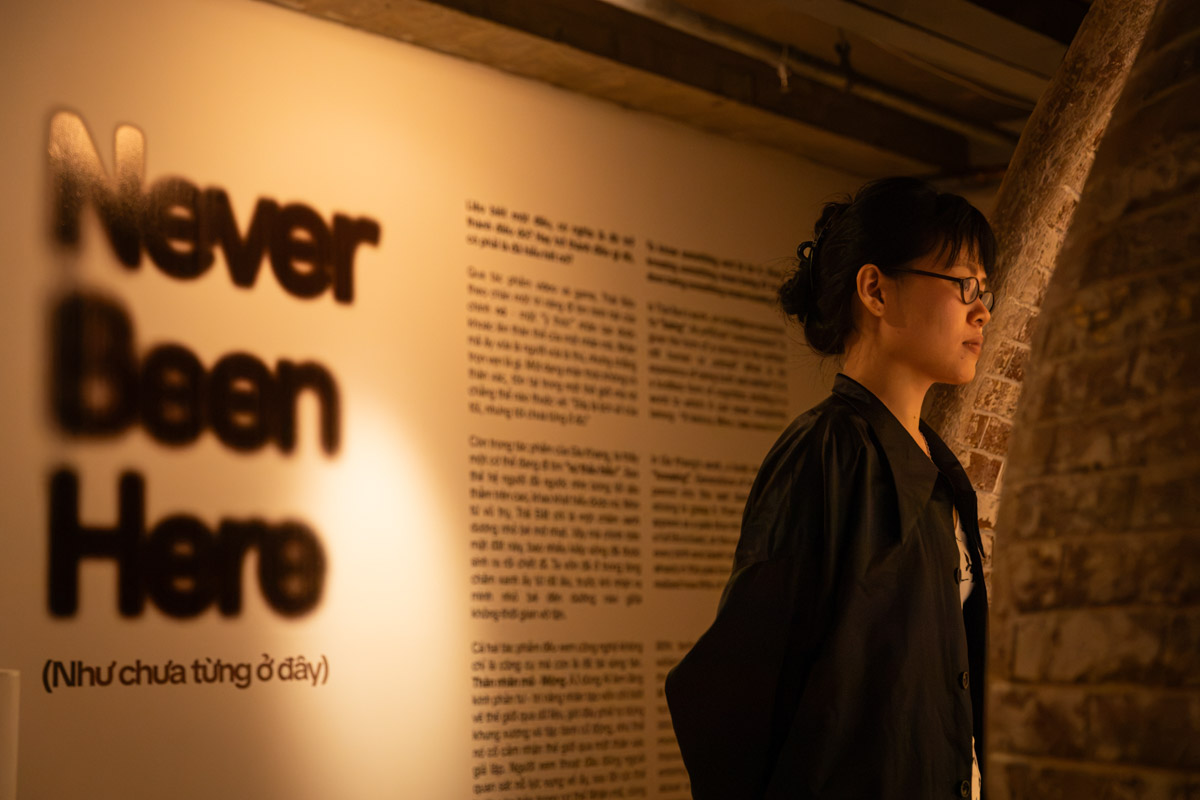
Running from 25 October to 29 November 2026 at Gate Gate Gallery in Ho Chi Minh City, Never Been Here showcases works by Nguyen Thai Bao and Hoang Pham Gia Khang, two artists who won the 2026 Digital Design and Art Grants awarded by RMIT University Vietnam.

Combining videos, interactive games, digital data, sensors and artificial intelligence, the exhibition offers new perspectives on perception, memory and human presence in the digital world. Visitors are encouraged to interact directly with the artworks rather than simply observe them.

In addition to the exhibition, the public will have opportunities to meet the artists and learn more about their creative processes through a series of events, including an Artist Talk on 31 October and an Engineering Talk and Workshop on 14 November.

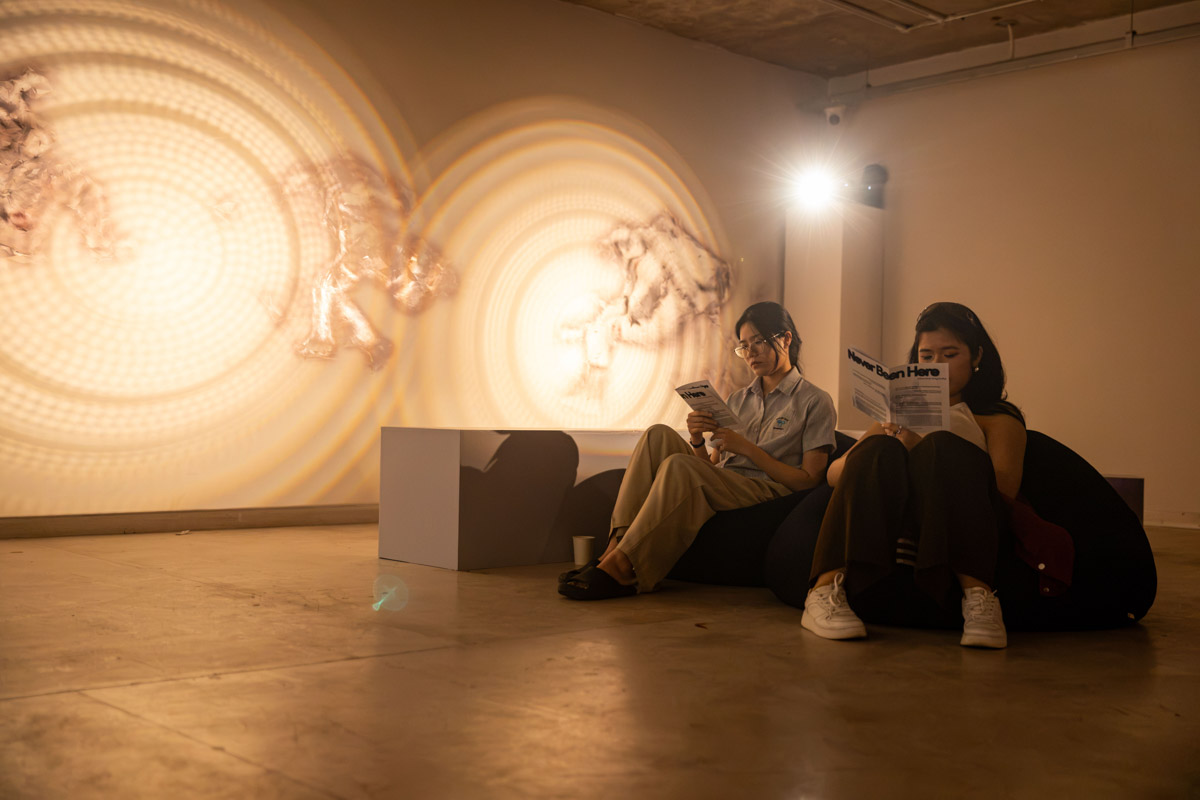
Two audience members reading a leafletThe ‘Never Been Here’ exhibition runs until 29 November 2026. (Photo: Nguyen Do An Khuong)

Exploring the world through art and technology

Although coming from different backgrounds, Nguyen Thai Bao and Hoang Pham Gia Khang share a common interest in using technology as a creative medium to explore human experiences in the digital age.

Nguyen Thai Bao is currently pursuing a master's degree in Technological Art at the China Academy of Art. His creative practice combines animation, creative coding, 3D printing and AI, focusing on how people perceive the world, preserve memories and interact with technological systems that are becoming increasingly embedded in everyday life.

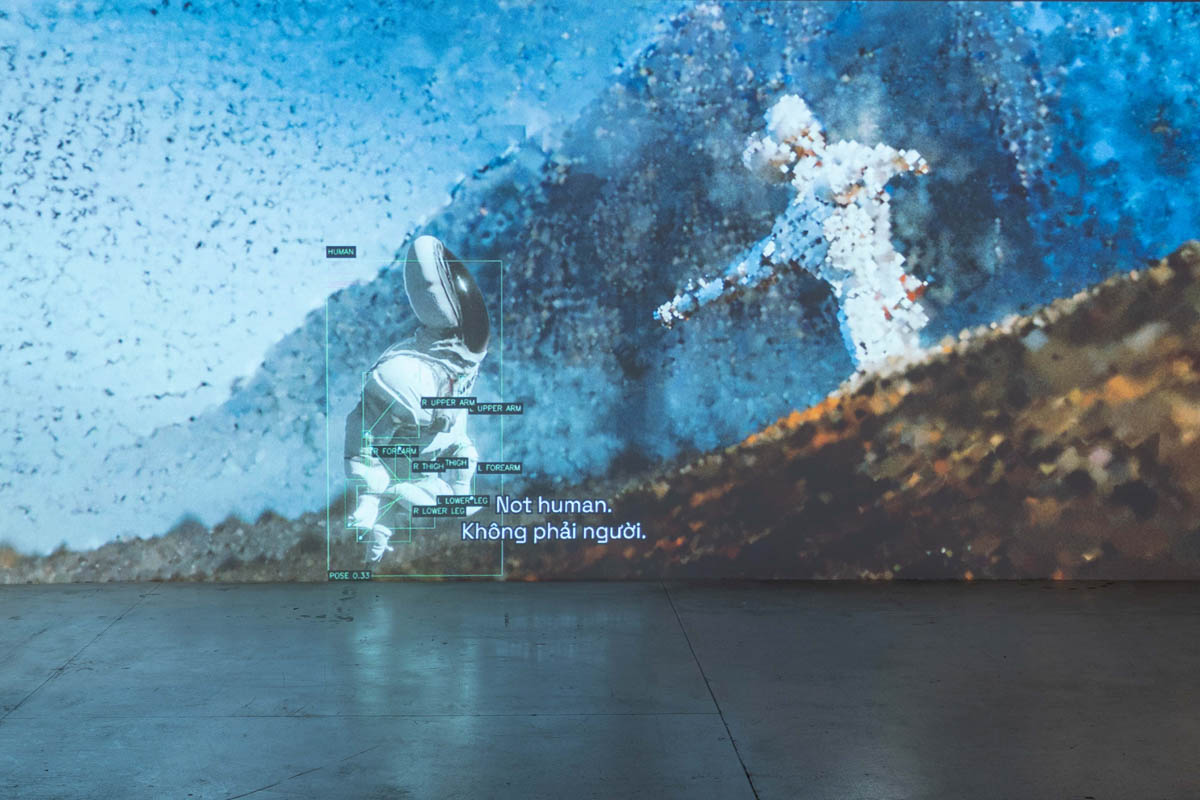
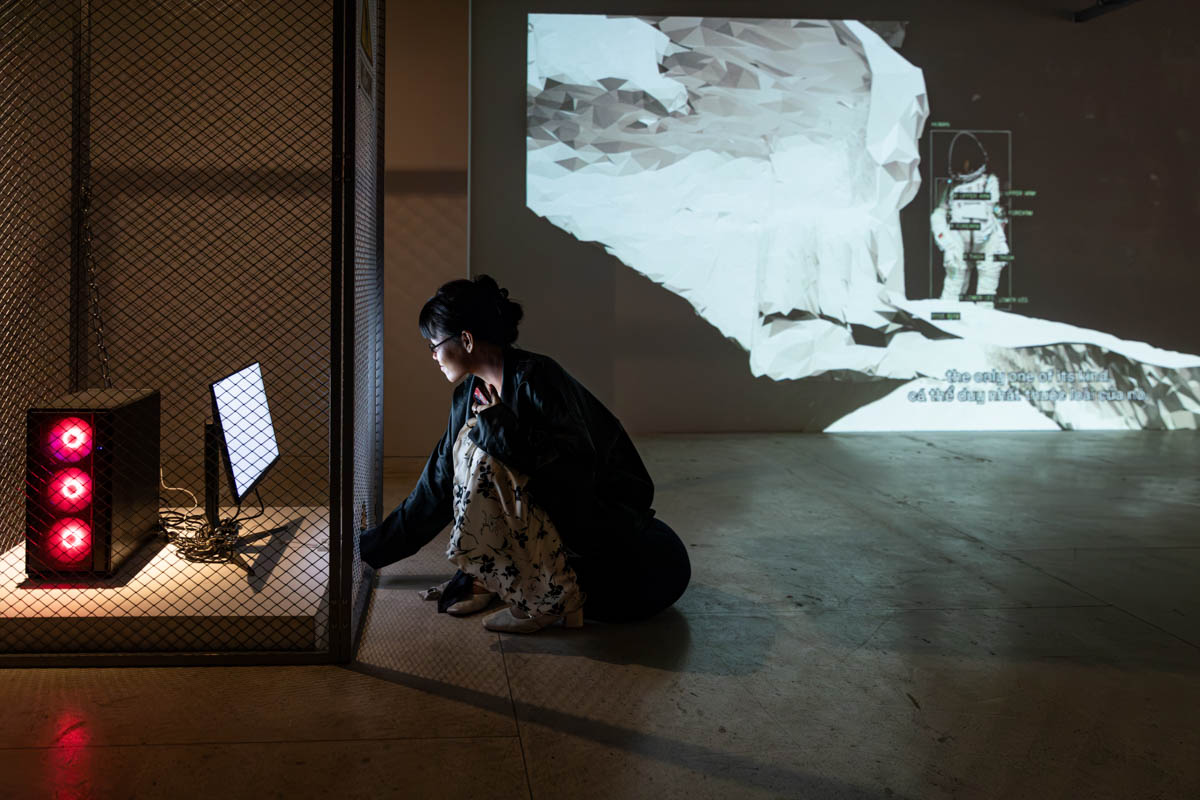
A video artwork showing the words "Not human"
A woman touching some cursor keys on a computer‘Centaur Body – AI Dream’ by Nguyen Thai Bao uses AI as a reflective lens. (Photos: Nguyen Le Tuan Kiet, Nguyen Do An Khuong)

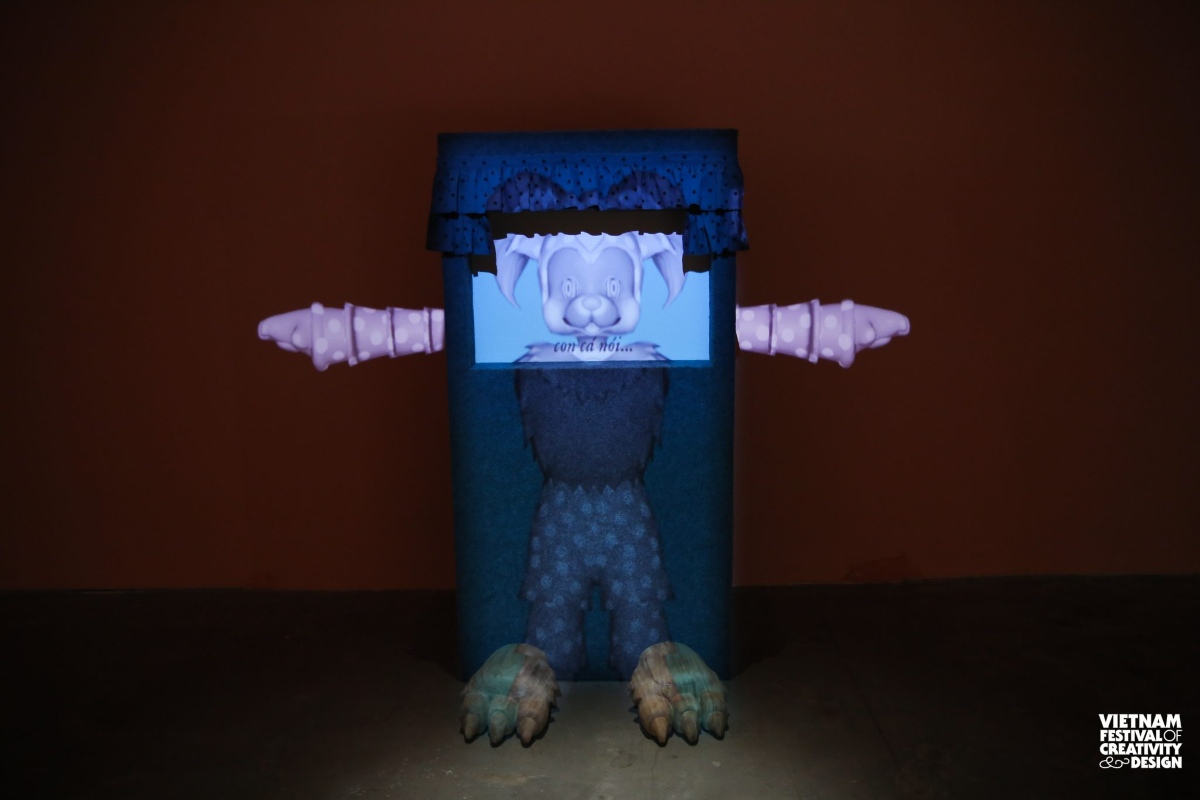
Meanwhile, Hoang Pham Gia Khang is an IoT engineer, interactive designer and CEO of MakerLab VN. Drawing on his technical background and passion for creativity, he develops projects that combine interactive technology, digital fabrication and user experience. He has contributed to works presented at the documenta exhibition in Germany, the Thailand Biennale, the Vietnam Festival of Creativity & Design, and the Spiral Independent Creators Festival (SICF) in Japan.

In Never Been Here, the two artists bring different approaches to exploring the relationship between humanity and technology. Through interactive experiences, they invite visitors to take part in the process of meaning-making and reflect on how technology shapes perception and individual experience.

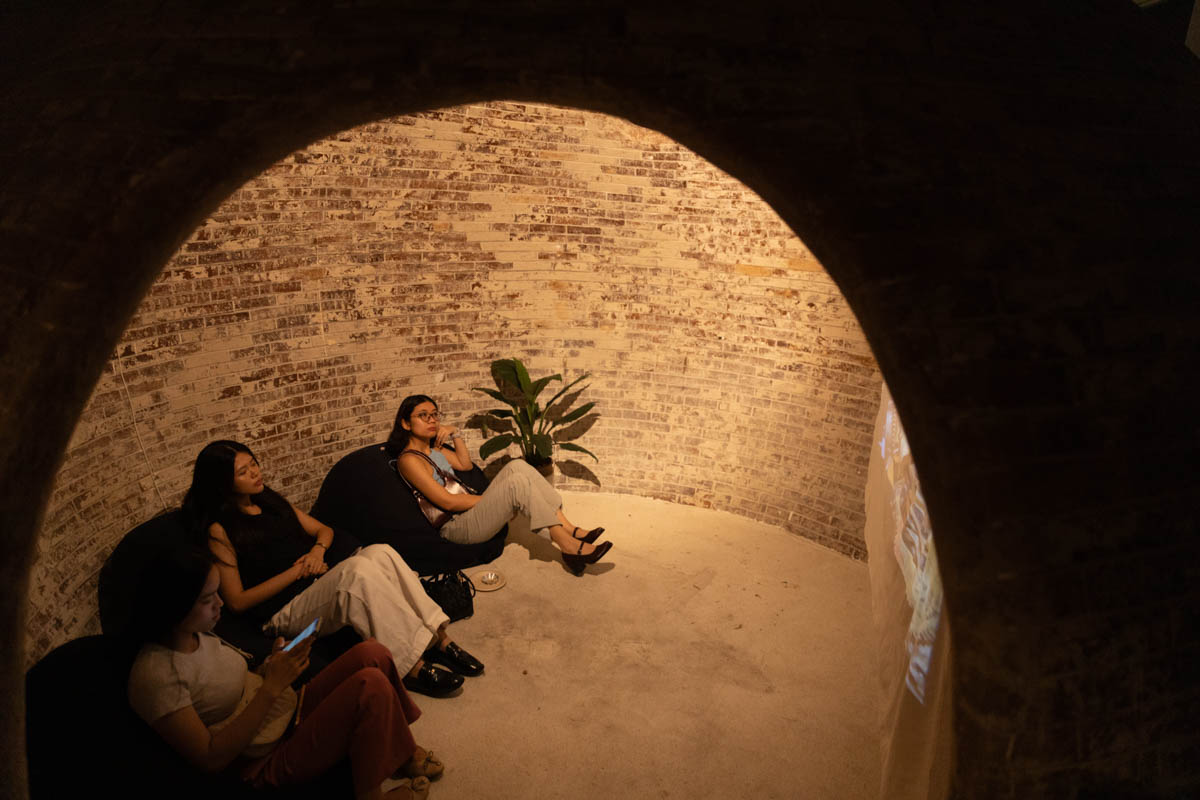
Three people sitting in a dome-shaped space
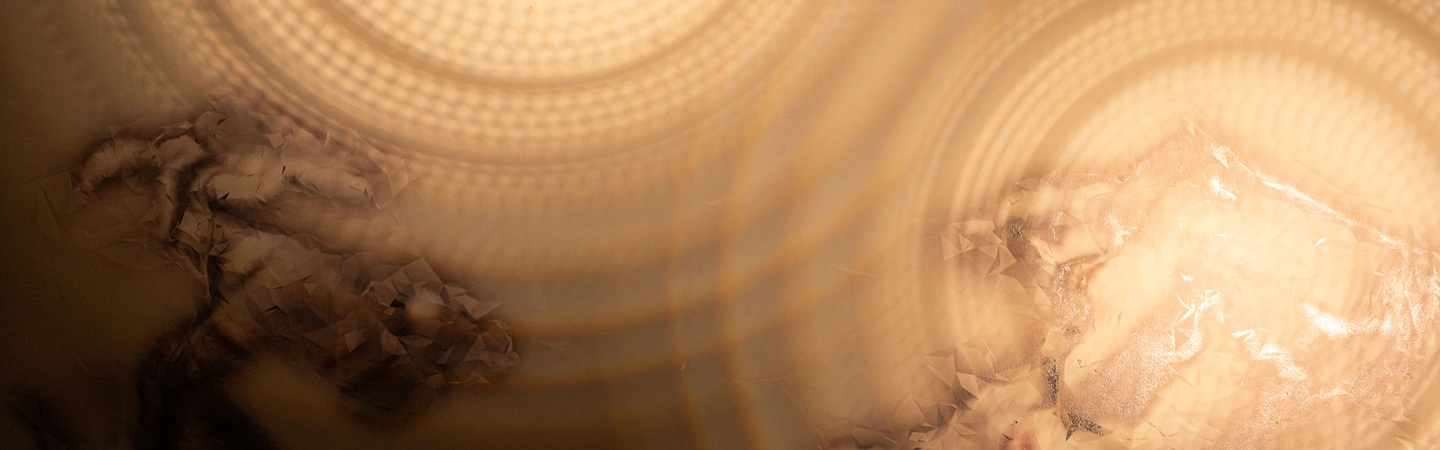
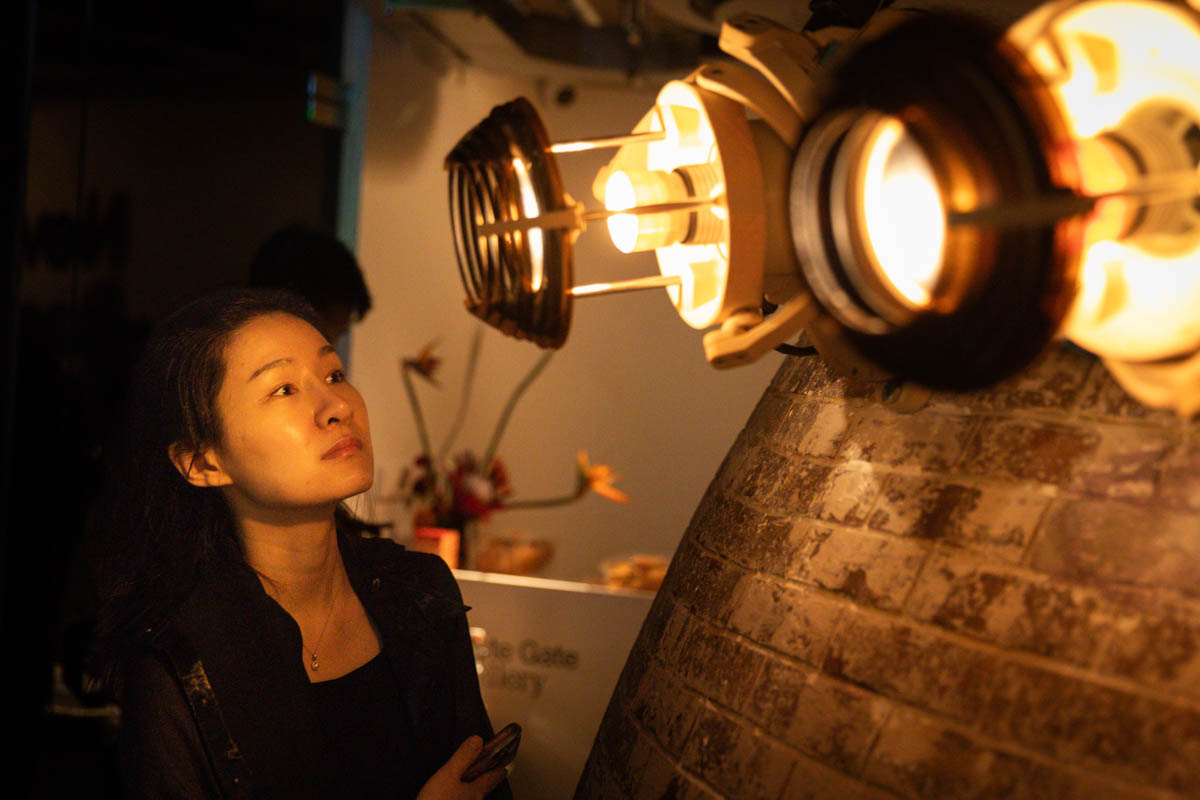
A woman looking at two lighting fixtures'Stargazer' by Hoang Pham Gia Khang draws one’s gaze into the abyssal sky, only to release it back to earth. (Photos: Nguyen Do An Khuong)

The latest outcome of RMIT's digital art grants

Never Been Here is the latest project developed through the RMIT Digital Design and Art Grants, an annual initiative led by the School of Communication & Design at RMIT Vietnam, to support emerging Vietnamese artists and designers in developing creative projects.

Each year, the program selects two Vietnamese artists or designers and provides production funding, exhibition support, access to technical facilities, curatorial support, and connections to a network of professional partners.

Now in its fourth year, the program has recorded a number of notable achievements. In 2025, the animated short film The Tale of Tran Thanh Duong by artist Hachul Le Do, developed through the program's 2024 funding round, was selected for screening at the Annecy International Animation Film Festival 2025. Previous artists supported by the program have exhibited at leading art spaces in Vietnam and internationally, helping bring Vietnamese digital art practices to global audiences.

Through the program, RMIT Vietnam aims to contribute to Vietnam's growing digital creative ecosystem by enabling young artists to experiment with new ideas, connect with creative communities in Vietnam and abroad, and bring digital art closer to the public.

Story: Ngoc Hoang

Share

Related news