Destination strategies are key
Looking at regional competitors, Mr Ha believes Vietnam has much to learn from the thinking behind Thailand's “Value over Volume” approach.
The key, he argues, is to build on Vietnam's own strengths, including its diverse regions, cuisine, cultural heritage and natural landscapes. Rather than promoting destinations individually, Vietnam could create more connected travel journeys that encourage visitors to spend additional nights exploring multiple regions.
“The aim is not simply to persuade visitors to stay longer, but to create enough depth and variety that they feel there is always more to discover, experience and come back for.”
Indonesia offers another useful lesson. According to Mr Ha, infrastructure can create capacity, but destination ecosystems determine how much value that capacity ultimately generates.
With SMEs accounting for the vast majority of businesses nationwide, Vietnam has an opportunity to strengthen connections between hotels, resorts and MICE venues on one side and restaurants, tour operators, transport providers, craft villages and local producers on the other.
The strategic question is therefore: how can every penny a visitor spends circulate through the local economy to support businesses, create jobs, and fund public services?
Vietnam aims to attract 45-50 million international visitors and earn US$80-90 billion in tourism revenue per year by 2030.
However, one of the biggest tests of Vietnam's destination strategy may come sooner than 2030.
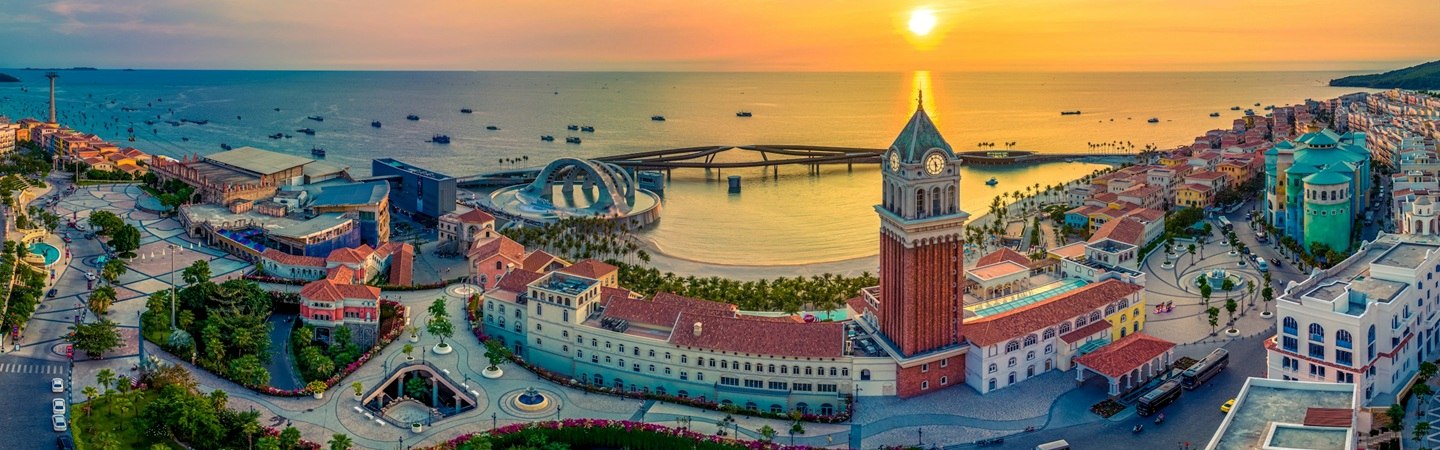
As major investments flow into airport expansion and conference infrastructure ahead of APEC 2027 in Phu Quoc, Mr Ha argues that the real measure of success will be what happens after the summit ends.
“The more important question is not how Phu Quoc will fill those facilities during APEC; it is who will fill the airline seats, hotel rooms and convention halls in 2028, 2029 and 2030?”
He believes planning for post-APEC demand should begin now through new international air routes, destination weddings, MICE events, corporate incentives and a year-round calendar of cultural, sporting and entertainment experiences.
A broader vision for tourism
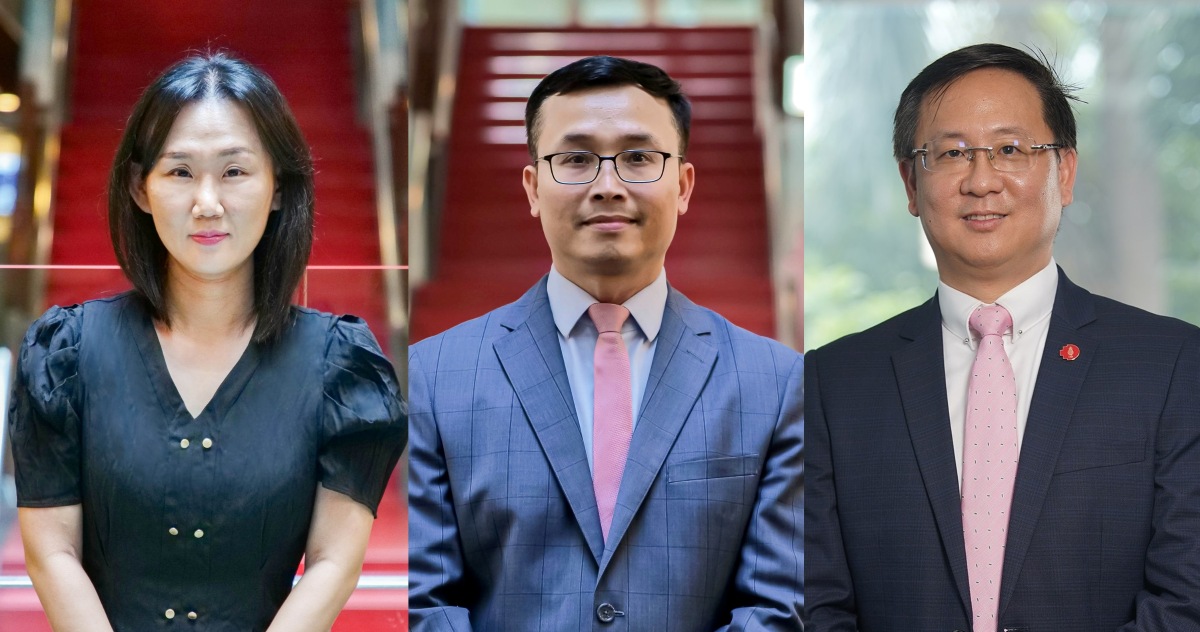
For Dr Justin Matthew Pang, Senior Program Manager in Tourism and Hospitality Management at RMIT University Vietnam, Vietnam's tourism ambitions should be understood within a much broader national development agenda.