
Fashion tourism as place branding
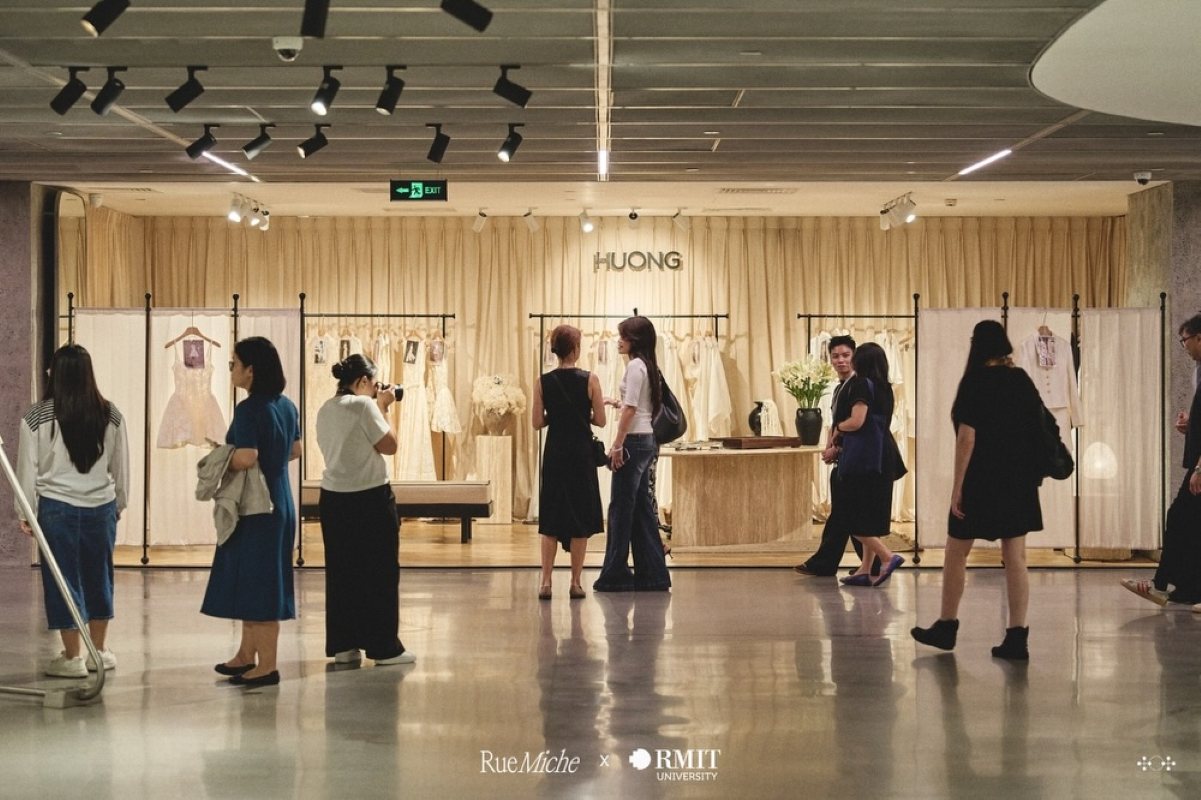
For place branding experts, this organic rise in fashion tourism opens up a strategic opportunity.
“Place branding is about more than logos and slogans,” said Associate Professor Giannina Warren, place branding scholar and Senior Program Manager of the Professional Communication program at RMIT Vietnam. “It’s about the lived experiences and stories that visitors take home and share. Fashion tourism fits naturally into a broader narrative of Ho Chi Minh City as a young, creative, and entrepreneurial city.”
She noted that Vietnam is already exploring more established forms of tourism from food and coffee culture to medical tourism as ways to diversify its offer and strengthen its national image. Fashion can play a similar role.
“When international visitors discover independent Vietnamese brands and share their experiences online, they are contributing to a new story about Vietnam,” Associate Professor Warren said. “It is no longer only ‘made in Vietnam’ for global labels, but ‘designed in Vietnam’ by local creatives.”
According to the RMIT academic, aligning this emerging fashion tourism with Vietnam’s broader creative economy agenda could bring both economic and reputational benefits. Local designers and small brands gain new markets, while the country enhances its soft power by showcasing its cultural and creative capabilities.
Turning a trend into a strategic advantage
To fully harness this momentum, coordinated efforts between tourism authorities, local government and industry could help transform scattered success stories into a recognisable city and national brand.
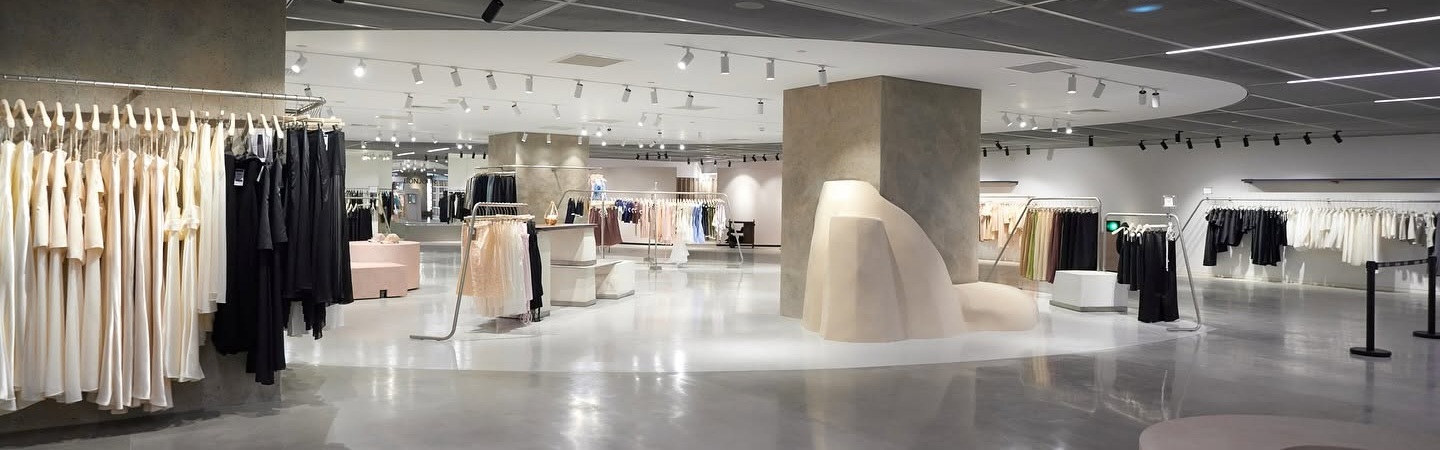
One opportunity lies in developing fashion-focused experiences for visitors to Ho Chi Minh City, such as curated maps of local fashion streets, guided shopping tours, or collaborations with key retailers to create shopping routes. Another is to support city-wide fashion events that highlight young Vietnamese designers to international audiences, particularly in districts already popular with tourists.
“Many of these initiatives are already happening informally,” Ms Morris observed. “But with more structured support – for example, promotion through official tourism channels or partnerships with hotels and tour operators – they could have a much bigger impact.”