
Trust is the most valuable ingredient in “ghost kitchens”

Trust is the most valuable ingredient in “ghost kitchens”

New RMIT University research reveals what drives trust in delivery-only food businesses, offering a roadmap for operators in the digital food economy.

Millions of consumers worldwide now order meals through delivery apps without ever seeing where the food is prepared. Behind a growing share of these orders are “ghost kitchens” – delivery-only food businesses with no dine-in area and often no visible storefront.

As ghost kitchens become more common, a new study led by RMIT University Vietnam has examined a fundamental question: How do consumers decide whether to trust food prepared in a kitchen they can never see?

The research, recently published in the Journal of Consumer Behaviour, found that consumers are embracing ghost kitchens primarily because they suit increasingly busy lifestyles.

Among 351 surveyed consumers in Vietnam, nearly 83% said they use ghost kitchens to save time, while over 58% cited delivery convenience, and 52% valued access to a wider range of food options.

Dr Pham Huong Trang, Associate Program Manager, Tourism & Hospitality Management at RMIT Vietnam and the lead researcher, commented, “Consumers are organising their food consumption around convenience and time efficiency. Ghost kitchens fit naturally into modern lifestyles because they remove much of the effort associated with planning, travelling, and dining out.”

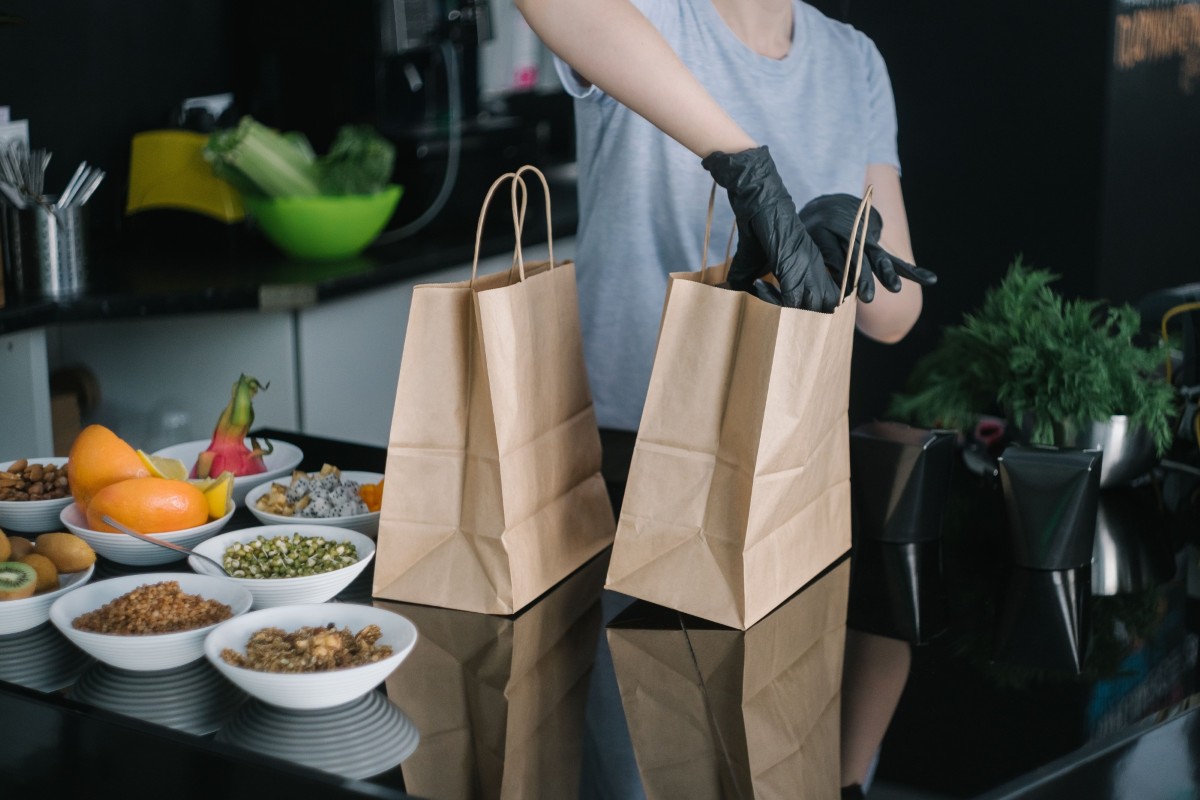
Person packing food for delivery in a home kitchen“Ghost kitchens” – delivery-only food businesses are becoming more common. (Photo: Pexels)

Consumers are learning to trust what they cannot see

The study found that trust in ghost kitchens is built differently from trust in traditional restaurants.

In conventional hospitality settings, consumers can evaluate a restaurant through its location, ambience, staff, and dining environment. Ghost kitchens remove many of those physical cues, requiring consumers to rely on other indicators when deciding where to order.

The research determined that the strongest driver of trust was health and hygiene assurance, followed by technology-driven service quality, quality assurance, and personalised experiences. Consumers placed significant importance on visible signs of food safety, clear information, reliable delivery, and professional presentation.

Regarding hygiene and food safety, consumers reported feeling more confident when businesses demonstrated compliance with food safety standards, displayed certifications, and communicated openly about food preparation practices.

This finding carries an important lesson for operators. “Food safety remains the foundation of consumer trust. Customers may appreciate innovative offerings, but they want reassurance that food is prepared safely and consistently before anything else,” Dr Trang said.

One of the study's more surprising findings concerned sustainability. While participants expressed support for environmentally responsible practices such as recyclable packaging and reducing unnecessary cutlery, sustainability did not emerge as a major direct driver of trust. Consumers still prioritised safety, quality, and reliability when deciding where to order food.

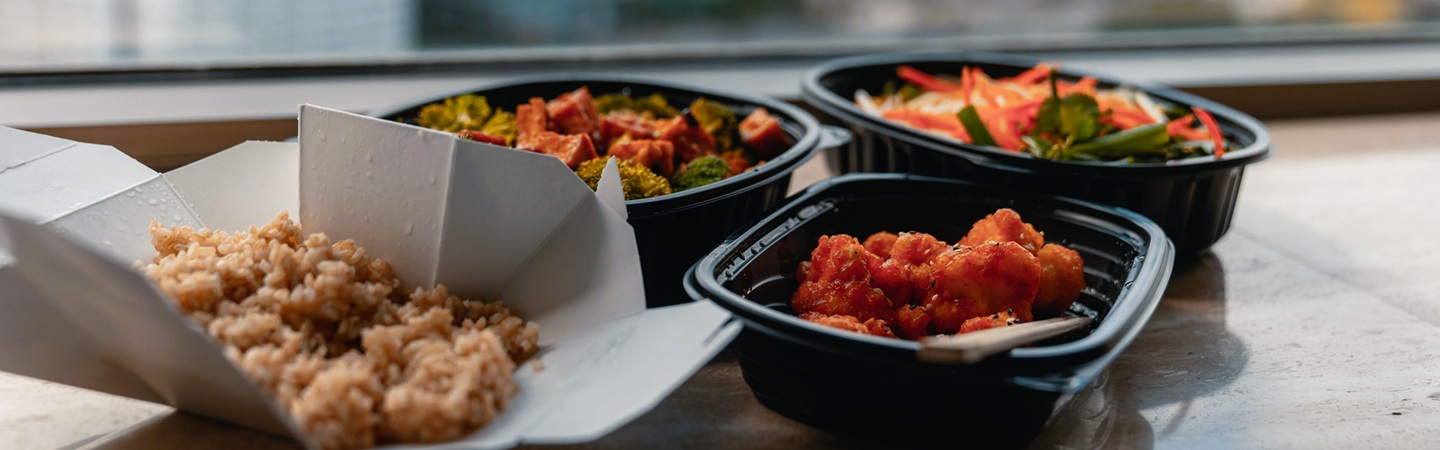
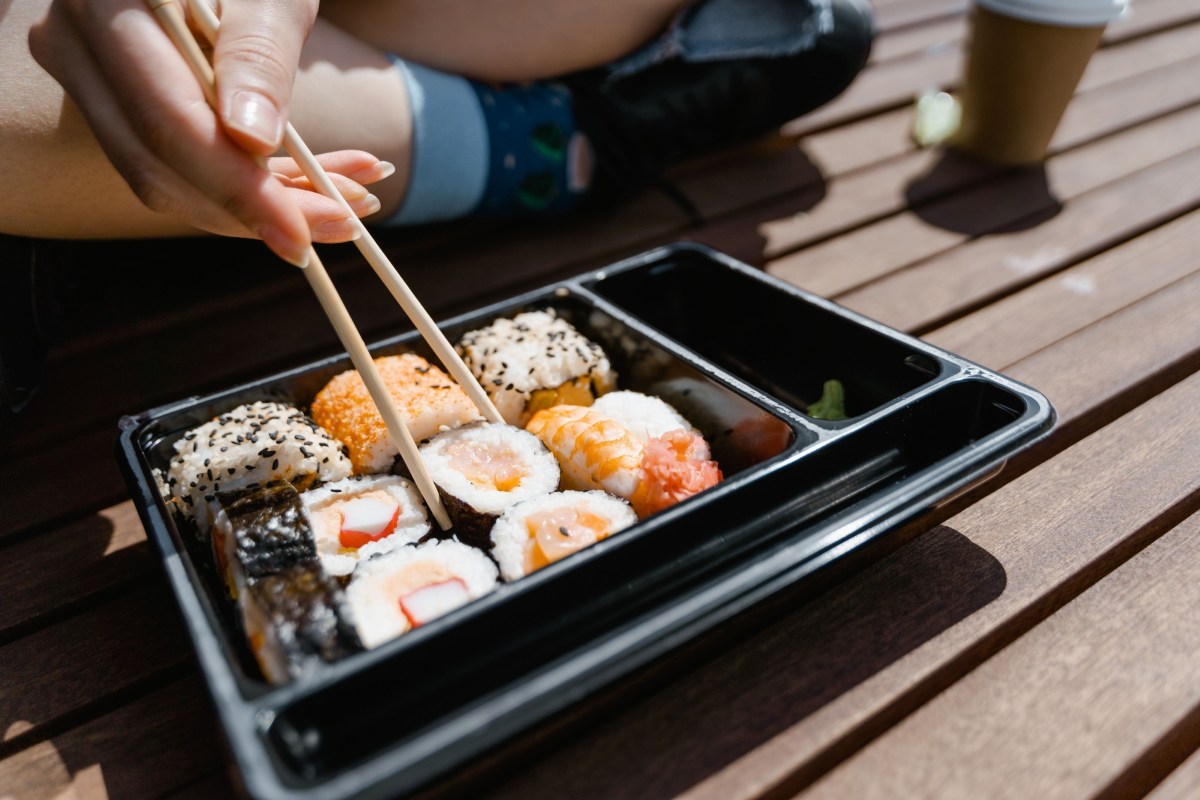
Container of takeaway sushiRMIT research found that hygiene and food safety had the strongest influence on consumers’ trust in ghost kitchens. (Photo: Pexels)

Making trust visible in a digital-first world

For ghost kitchen operators, the findings suggest several practical actions.

Hygiene practices can be made more visible through certifications, compliance information, and transparent communication. Operators can also strengthen trust by ensuring consistent food quality, professional packaging, and accurate menu information. Personalisation, such as accommodating dietary preferences and offering relevant menu recommendations, can further improve customer confidence.

Because many ghost kitchens operate through third-party delivery platforms, trust is shaped by a combination of food quality and digital experience. Reliable delivery, responsive customer support, and smooth ordering processes all contribute to consumers’ perceptions of professionalism and reliability.

“The businesses that succeed in digital food environments will be the ones that make trust visible,” Dr Trang said. “As consumers interact with brands primarily through screens, trust becomes a competitive advantage that influences whether customers order once or return again.”

While the study focused on ghost kitchens, its implications extend well beyond the food sector.

As more businesses deliver products and services through digital channels, they increasingly face the challenge of building trust without face-to-face interaction.

“The research suggests that transparency, reliability, quality assurance, and consistent customer experiences are becoming essential trust signals in the digital economy,” Dr Trang emphasised. “Consumers may never see the business behind a digital service, but they still expect clear reasons to trust it.”

Story: Ngoc Hoang

Share

Related news