
Vietnam’s Atomic Energy Law: A new era for clean power?

Vietnam’s Atomic Energy Law: A new era for clean power?

As Vietnam’s Law on Atomic Energy takes effect on 1 January 2026, nuclear power is back in the spotlight as a strategic pillar for energy security and carbon neutrality.

With an expanding industrial sector and a rapidly developing digital economy, Vietnam is now one of the most energy-intensive developing nations in Southeast Asia. According to Vietnam's Eighth National Power Development Plan (PDP8) released in 2023, electricity demand is projected to increase five-fold by 2050. This rate of increase will exceed that of many regional peers, including India, Indonesia, Malaysia, Thailand, and the Philippines.

In parallel, Vietnam has committed to ambitious clean-energy goals, most notably its pledge at COP26 to achieve net-zero greenhouse-gas emissions by 2050. These dual pressures of surging demand and deep decarbonisation have pushed Vietnam toward developing a more diversified long-term energy portfolio. In PDP8, nuclear power re-emerges as a potential zero-carbon, high-capacity, and grid-stabilising source that may complement variable renewables such as solar and wind.

Balancing cost and energy security

RMIT University Vietnam Economics senior lecturer Dr Richard Ramsawak says nuclear energy has both cost advantages and challenges relative to renewable energy sources such as solar and wind, especially when seen through the lens of long-term investment, operation, and maintenance.

“From a cost perspective, nuclear power exhibits several advantages over renewables when viewed over the full lifecycle of a plant,” he states.

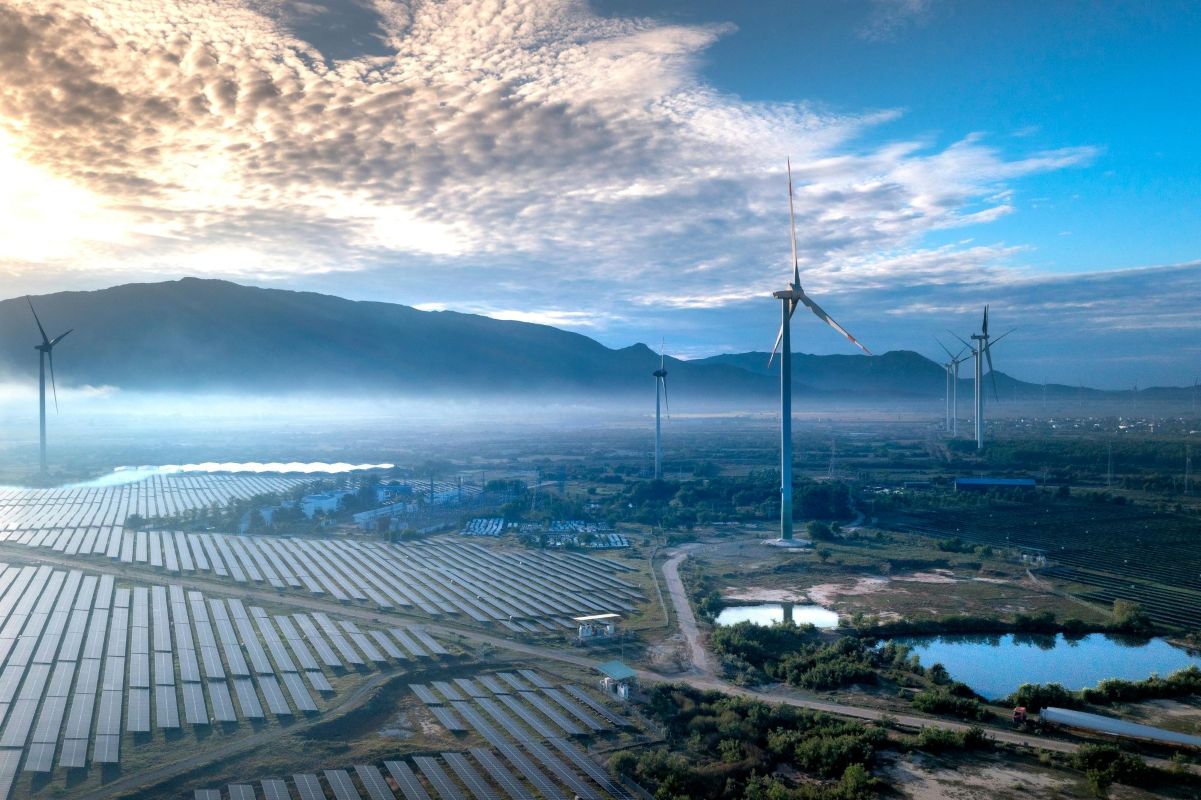
Solar and wind energy Nuclear energy has both cost advantages and challenges relative to renewable energy sources such as solar and wind. (Photo: Pexels)

He notes that while construction and initial costs are high, reactors have exceptionally long lifetimes (60-80 years) and are more predictable. “The long lifetimes can result in lower levelised costs of electricity over the life of a nuclear plant compared to the costs of renewables. Renewables have shorter life cycles that need frequent upgrades and generate intermittent power – depending on the weather – and therefore require substantial grid-balancing investments.”

Nuclear generation also provides stable baseload power, reducing system-wide costs associated with energy storage and grid stability that solar and wind require. However, Dr Ramsawak cautions that these benefits depend on strong foundations: “Cost competitiveness will only materialise if the regulatory, institutional, and human-capital foundations are sound.”

Financing nuclear: Why SMRs make sense

For RMIT Professor of Economics Bob Baulch, financing is a central issue in Vietnam’s nuclear power development. Importantly, the question of how Vietnam should fund investments in its nuclear power plants cannot be separated from the type of nuclear plants that it should install.

He argues that Vietnam’s traditional build-operate-transfer (BOT) model for thermal power plants is unsuitable for nuclear: “Given the high costs of initial investment, dealing with nuclear waste, and decommissioning end-of-life plants, not to mention safety issues, the traditional BOT model is probably not appropriate for nuclear energy in Vietnam.”

Instead, Professor Baulch sees promise in public-private partnerships and small modular reactors (SMRs). “Installing a number of small modular reactors has much to recommend itself to Vietnam. SMRs are quicker to build, less subject to cost and time overruns, and involve less upfront investment than large reactors,” he says.

“SMRs can also be scaled up more easily to respond to Vietnam’s ever-growing energy needs, and promote technology ‘leapfrogging’. This should make SMRs more attractive to external investors.”

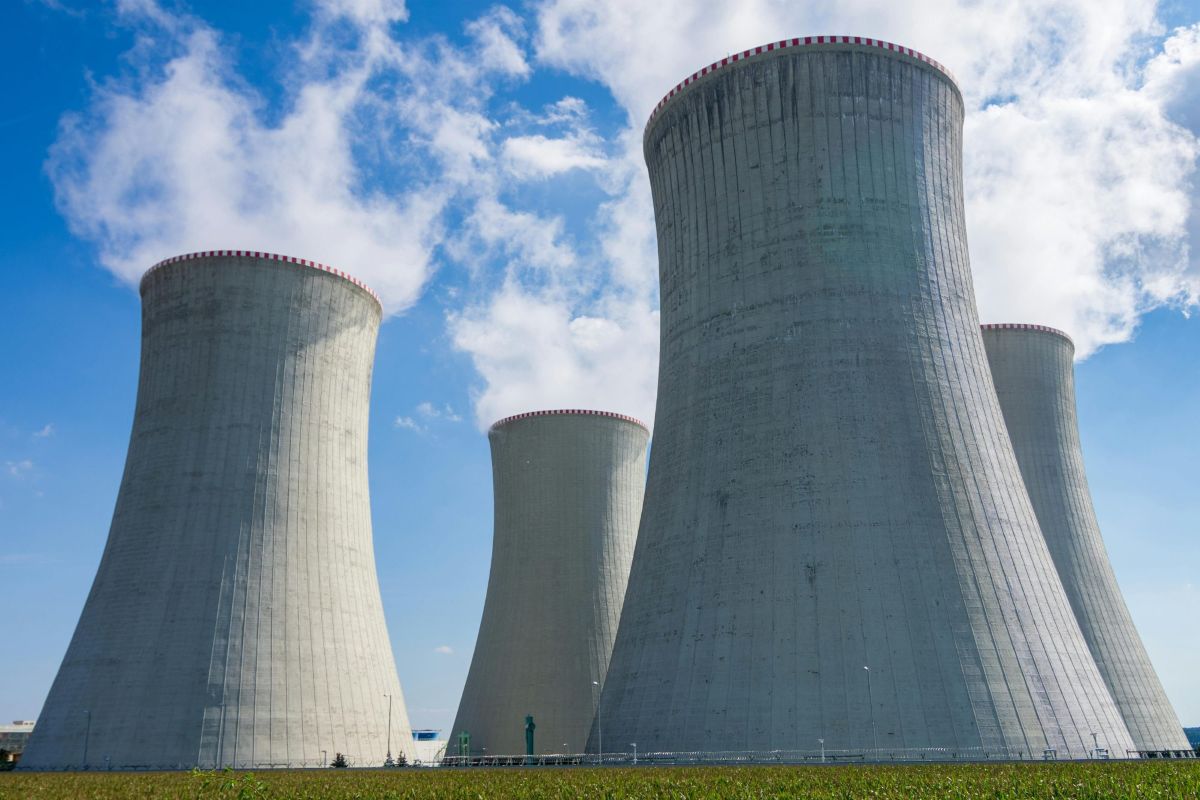
Nuclear power plant cooling unit Nuclear power is expected to help Vietnam meet its energy security and carbon neutrality goals. (Photo: Pexels)

Traditional aid donors, such as the Japanese government and Asian Development Bank, may be more willing to fund investments that improve the efficiency of the power transmission grid rather than investing in nuclear plants themselves.

Favourable terms for large reactors may be available from some bilateral sources. However, Professor Baulch cautions that “such loans and investment come with expectations attached, which may undermine Vietnam’s desire to remain politically neutral in international affairs.”

What’s next?

The revised Law on Atomic Energy provides a clear roadmap for nuclear power plants across site approval, design appraisal, construction permits, two-stage commissioning, and strict oversight by the National Radiation and Nuclear Safety Agency. It also mandates a unified digital platform for licensing and reporting, aiming to boost transparency and investor confidence.

Dr Ramsawak emphasises that nuclear power’s complexity and long timelines amplify the need for strong institutions and technical expertise. Building human capacity in nuclear engineering, reactor physics, and safety regulation should begin during feasibility studies, supported by international cooperation. Nuclear technology options and site selection must consider seismic stability, cooling water, and grid capacity to minimise risks and cost overruns.

“Finally, planning for decommissioning and waste management from the outset through clear policies, funding mechanisms, and technical infrastructure, will prevent future liabilities and safeguard nuclear energy’s long-term cost advantage over renewables,” he says.

Nuclear power can strengthen Vietnam’s competitiveness, but only if financing models match technology choices and if regulation, institutions, and human capital are ready before construction begins.

Read our next article: “Plugging nuclear energy safely into Vietnam’s grid” for expert views on technology readiness and integration in the national grid.

Story: Ngoc Hoang

Related news