
High-emission sectors face reckoning as EU carbon tax takes effect

High-emission sectors face reckoning as EU carbon tax takes effect

Hidden costs in the supply chain could price some Vietnamese exporters out of Europe.
Vietnamese heavy industry manufacturers are scrambling to measure their carbon footprints in response to stricter sustainability requirements from major export markets, now amplified by the European Union's Carbon Border Adjustment Mechanism (CBAM) coming into effect.

CBAM, which entered its definitive phase on 1 January 2026, requires EU importers to purchase certificates covering carbon emissions embedded in imported goods from six high-emission sectors, namely iron and steel, aluminium, cement, fertilisers, electricity and hydrogen.

The €80 question

The price of CBAM certificates is calculated based on the auction price of EU Emissions Trading Scheme (EU ETS) allowances. At current EU ETS prices of approximately €80 per tonne of CO2, the financial implications are significant.

While the steel sector faces the most severe impact due to its billion-dollar revenue from exports to the EU, the cement and fertiliser industries have their own additional barriers, as indirect emissions from electricity use in the production of these goods are included in CBAM calculations.

“This means that energy-intensive production could add substantial carbon costs to those Vietnamese exports,” said Dr Scott McDonald, a lecturer in Logistics and Supply Chain Management at RMIT University Vietnam.

He added that Vietnam's carbon-intensive, fossil-fuel-reliant production methods create a big competitive disadvantage, with emission intensity substantially higher than EU averages.

Legal experts have urged Vietnamese businesses to set up systems to track and measure carbon emissions throughout their production processes. For supply chain managers, there is a need to identify potential blind spots that they have not been tracking.

“For example, every kilowatt-hour consumed in the production of materials may soon carry a price tag measured in European carbon certificates,” Dr McDonald pointed out.

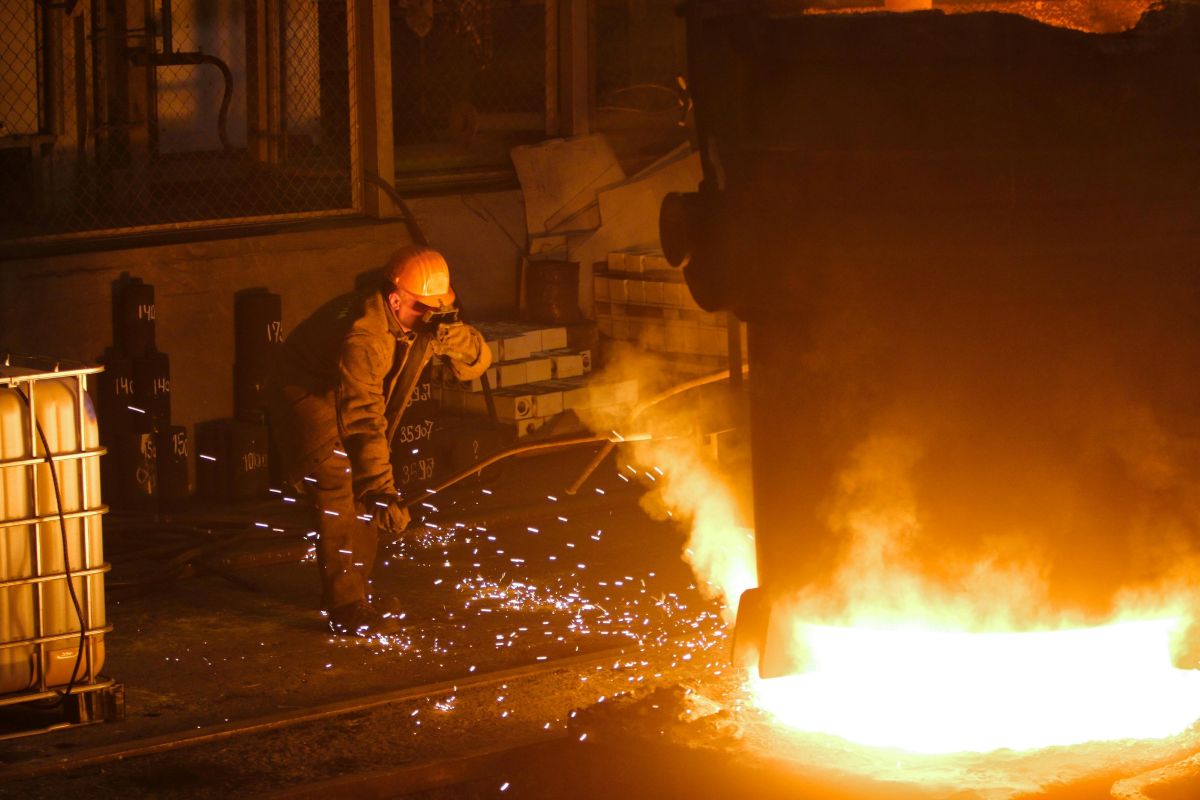
Factory worker at a foundry in a factory Vietnam's carbon-intensive, fossil-fuel-reliant production methods create a big competitive disadvantage. (Photo: Pexels)

The compliance maze

From 1 January 2026, customs declarations for CBAM goods require new documentation and reporting requirements, adding administrative burden to already complex export procedures.

Yet many Vietnamese companies still lack awareness of carbon inventory and greenhouse gas emission regulations, which could hinder their ability to comply with CBAM requirements.

A 2023 survey revealed that while over 60% of businesses had heard of CBAM, most were unfamiliar with details. Moreover, 36% did not believe it would impact their operations, and merely 4% had developed preparation plans.

Dr McDonald highlighted concerns about the potential costs of inadequate documentation. When Vietnamese exporters cannot provide verified emissions data or where reliable country-specific data are unavailable, the default values of embedded emissions will be based on the average emission intensity of the ten highest-emitting exporters, adjusted for regional factors. “This will potentially significantly increase costs,” he said.

Recommendations for Vietnamese exporters

With the first CBAM declaration deadline of 30 September 2027 approaching, Dr McDonald suggested that Vietnamese companies in affected industries should take immediate action.

First, they should implement carbon emissions tracking systems covering both direct emissions and indirect emissions from electricity use in production.

Second, they should engage accredited verifiers to validate actual emissions data, as companies relying on EU default values face significantly higher certificate costs.

Third, companies are advised to leverage existing Vietnamese frameworks, including Circular 38/2023/TT-BCT guidelines, for measuring and reporting greenhouse gas emissions.

Fourth, they should connect with industry associations such as the Vietnam Steel Association for technical training and workshops.

Finally, they can benefit from exploring green financing options and energy-efficient technologies that reduce emissions at the source.

“Companies that act decisively can transform CBAM compliance from a cost burden into a competitive advantage through sustainable production practices,” Dr McDonald said.

Related news