
Plugging nuclear energy safely into Vietnam’s grid

Plugging nuclear energy safely into Vietnam’s grid

Vietnam’s new Atomic Energy Law opens the door to advanced nuclear technologies, but success will hinge on grid readiness, safety culture, and skilled people, say RMIT University Vietnam academics.

Read our previous article “Vietnam’s Atomic Energy Law: A new era for clean power?”.

Opportunities to leapfrog

Vietnam’s new Law on Atomic Energy, effective 1 January 2026, sets strict safety and licensing standards aligned with the International Atomic Energy Agency (IAEA). It also opens the door to advanced technologies such as Generation III+ reactors and small modular reactors (SMRs).

RMIT lecturer of Electronic and Computer Systems Engineering Dr Nguyen Vinh Khuong says the inclusion of Generation III+ reactors and SMRs in the legal framework signals Vietnam’s intent to adopt best-in-class designs. “Generation-III+ reactors incorporate passive safety systems that significantly reduce the risk of core damage during accidents, and SMRs promise modularity, standardisation, and potentially lower capital costs compared to large conventional nuclear plants.”

He emphasises that aligning licensing and safety analysis with IAEA standards will build international confidence and attract foreign investment. “Countries considering exporting nuclear technologies are more likely to engage when there is a clear, internationally recognised safety regime.”

Digital transformation is another opportunity. The law’s focus on digital platforms for licensing, reporting, inspection, and data management creates new opportunities for transparency and real-time monitoring, which, according to Dr Khuong, are essential for maintaining high safety margins and managing complex nuclear supply chains.

Making the grid nuclear-ready

Dr Bui Xuan Minh, Cluster Lead of the Semiconductor and Industry 4.0 research cluster at RMIT Vietnam, notes that nuclear energy can offer stable baseload power, complementing intermittent renewables like solar and wind. But the bigger question is: How can Vietnam technically integrate future nuclear power plants into its existing energy systems to optimise reliability, safety, and sustainability?

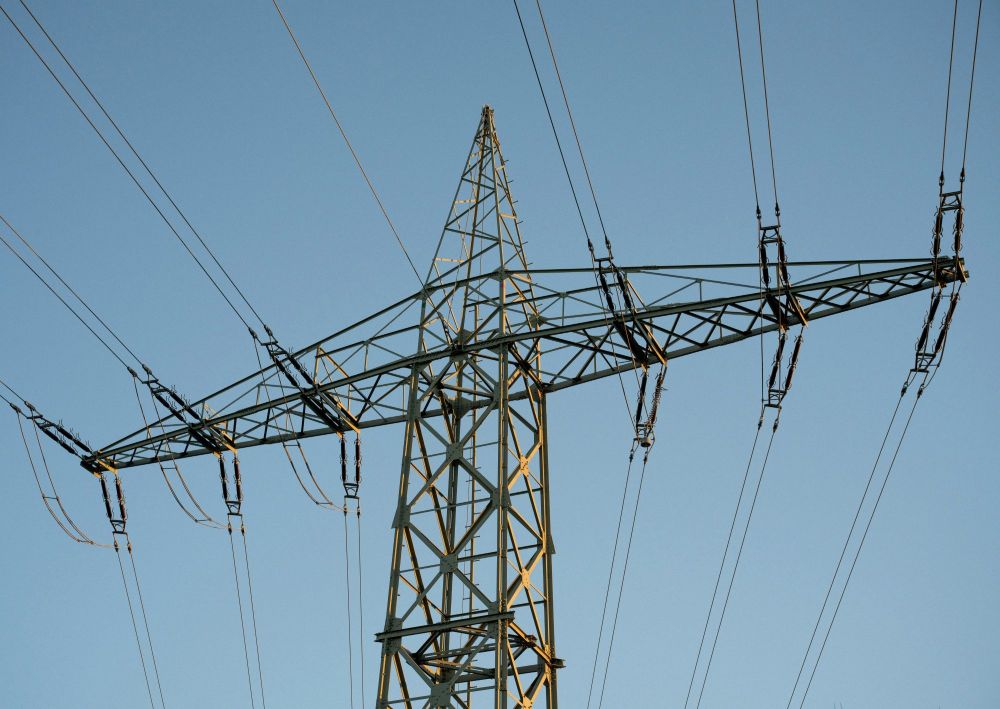
High-voltage power tower Integration into the existing energy grid is a major consideration in nuclear power development. (Photo: Unsplash)

The IAEA emphasised that the success of nuclear power deployment fundamentally depends on grid reliability, institutional readiness, and integrated system planning, rather than on reactor technology alone. IAEA guidance clearly identifies reliable off-site power as essential for nuclear safety, as grid disturbances directly affect reactor cooling and other safety functions.

Lessons from Japan after Fukushima underline the risk of prolonged loss of off-site power. “For Vietnam, this highlights the need to reinforce high-voltage transmission networks, ensure the power system remains stable when there is an outage of one critical component, and strengthen inter-regional power transfer capability before commissioning nuclear units,” Dr Minh says.

He stresses that transmission planning and plant siting must be fully integrated with national grid development strategies. “Because nuclear units are typically among the largest generators in a power system, frequency stability, inertia, and fast reserve planning must explicitly account for nuclear contingencies.”

Vietnam’s energy roadmap anticipates nuclear capacity reaching 4,000-6,400 megawatts by 2035 and up to 14,000 megawatts by 2050, contributing approximately 1.4-1.7% of total electricity generation.

Dr Minh says this ambition will require Vietnam to strengthen regulatory institutions, workforce capacity, and alignment with IAEA safety standards. “Independent regulation, robust grid codes, and skilled human resources are essential to ensure that nuclear integration enhances reliability, safety, and sustainability over the long term.”

From policy to practice

Vietnam’s revised law lays the foundation for safe nuclear deployment, but turning policy into reality will require investment in infrastructure, workforce development, and a mature safety culture.

Dr Khuong points out that Vietnam currently lacks the industrial and technical infrastructure for large-scale nuclear deployment. Meanwhile, building Generation-III+ plants or SMRs requires highly specialised mechanical systems, robust supply chains, rigorous quality assurance processes, and facilities for fuel handling, waste management, and emergency response.

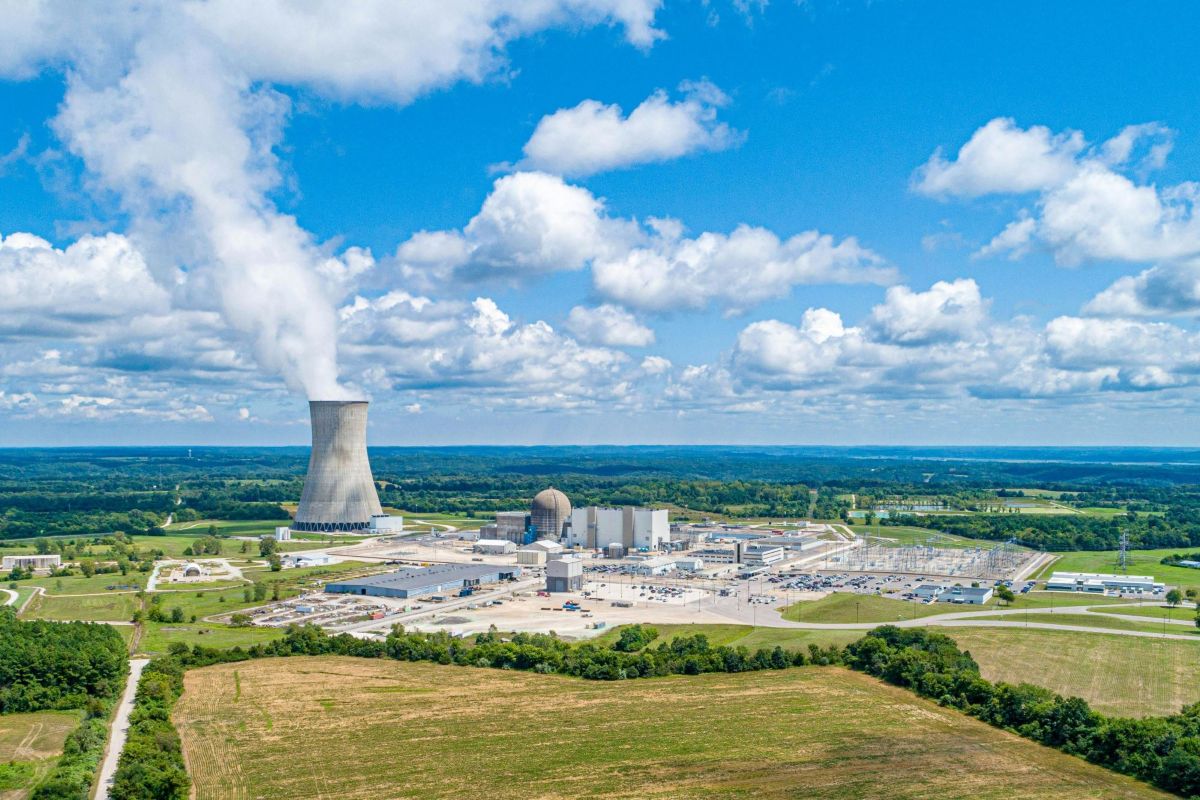
aerial view of a nuclear power plant site Integration into the existing energy grid is a major consideration in nuclear power development. (Photo: Unsplash)

He adds that human capital is a critical issue as Vietnam’s existing pool of nuclear engineers, operators, and regulators is limited compared with countries with established nuclear programs. “Rapid scaling will require intensive educational programs, long-term talent pipelines, and structured knowledge transfer from experienced foreign partners.”

Adopting next-generation technologies isn’t only about hardware. It also requires a mature safety culture embedded within institutions, one that prioritises continuous improvement, risk assessment, and independent regulatory enforcement. “Developing this culture is a generational effort and goes beyond codifying standards in law,” Dr Khuong emphasises.

The RMIT lecturers agree that the revised Atomic Energy Law is only the starting point. To make nuclear power a reality, Vietnam will need detailed decrees and clearer implementation plans. These instruments, alongside investment in infrastructure and skilled talent, will turn the framework into a functioning program.

Story: Ngoc Hoang

Related news