Social media: a “community vaccine” against health misinformation?

Social media: a “community vaccine” against health misinformation?

When young people discuss health topics together in a social media group, they are not just seeking information – they are building collective immunity against the wave of health misinformation.

On social media, a single piece of false health information can spread rapidly and influence decisions. In Vietnam, the situation is particularly concerning, with many people buying antibiotics, steroids, and other powerful medications based on online advice, without a doctor's prescription.

That reality is the starting point of a study of 583 young Vietnamese aged 18-25, recently published in the journal Media Asia. The question the researchers posed sounds simple, but strikes at the heart of a major public health challenge: “What actually helps young people identify health misinformation and genuinely change their health behaviours?”

The power of community

According to lead researcher Associate Professor Long Nguyen from RMIT University Vietnam, the answer does not lie in top-down communication campaigns. It lies in the everyday conversations happening inside Facebook groups, Zalo chats, and TikTok communities.

The research team calls this phenomenon “social media collective empowerment” — the process by which group members share knowledge, support one another, and develop a shared sense of control over a common concern.

It is measured across four concrete dimensions: understanding of the health issue, self-confidence, active participation in discussions, and a sense of support from the community.

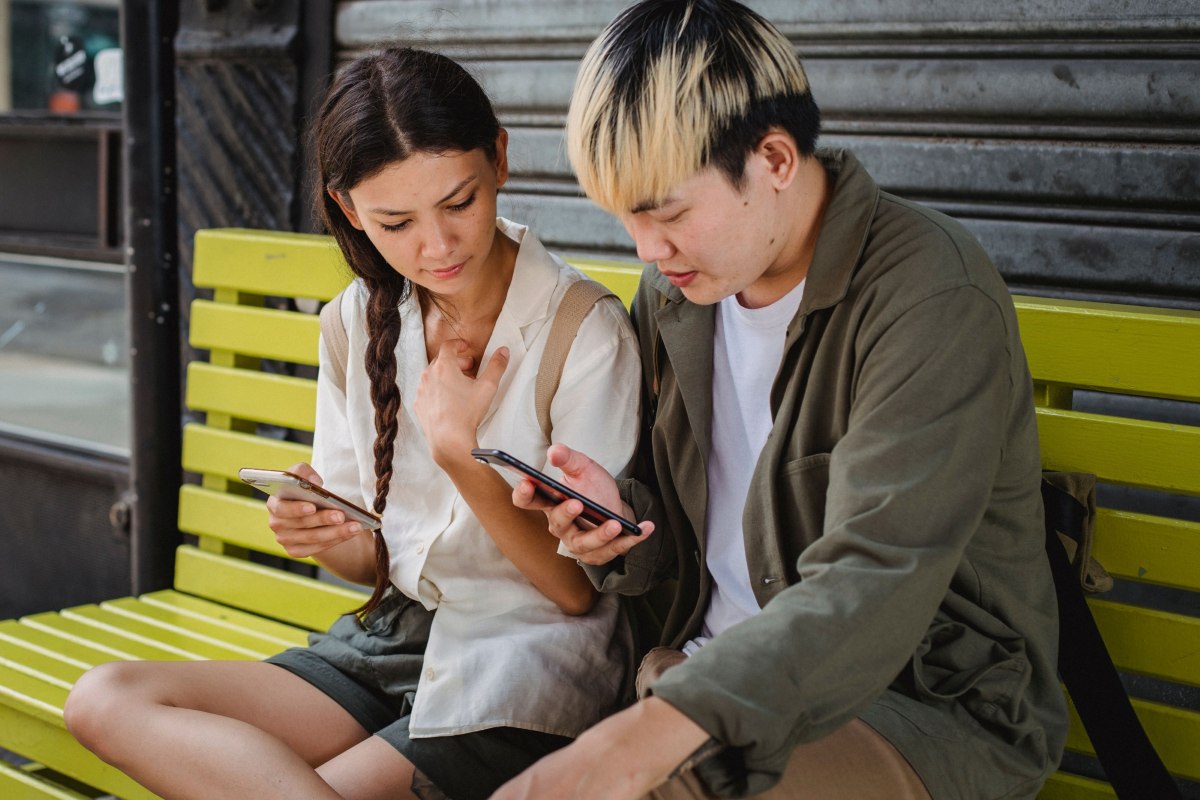
Two young people sitting next to each other and looking at their phonesThe study examined how young people respond to health misinformation. (Photo: Pexels)

“Our survey results are clear: young people who belong to groups with higher collective empowerment are more likely to attend regular health checkups, wash their hands properly, and follow disease prevention guidelines — even before they consciously detect a piece of misinformation,” Associate Professor Long shared.

Learning to filter information changes behaviour

Another striking finding is that when young people feel supported by their online community, they also become sharper at spotting false health claims. And once they develop that skill, their attitudes toward preventive health behaviours shift accordingly — they become more willing to wear masks, accept social distancing, or sacrifice personal convenience for the collective good.

This creates a chain reaction: a strong community supports the detection of misinformation, which in turn fosters positive attitudes that later lead to further protective health actions.

However, the study also reveals a surprising result. Messages that depict a majority behaviour, such as “80% of people already wash their hands regularly”, had no significant effect on young people.

Associate Professor Long explained, “What actually moved them was the feeling that people who matter to them expect them to do the right thing — family, close friends, or the community they identify with.”

A new direction for health communication

The research raises a practical question for health authorities, communicators, and social media platforms alike. Instead of simply posting announcements and hoping people read them, should we be creating spaces for dialogue — where experts sit alongside the public rather than standing at a podium?

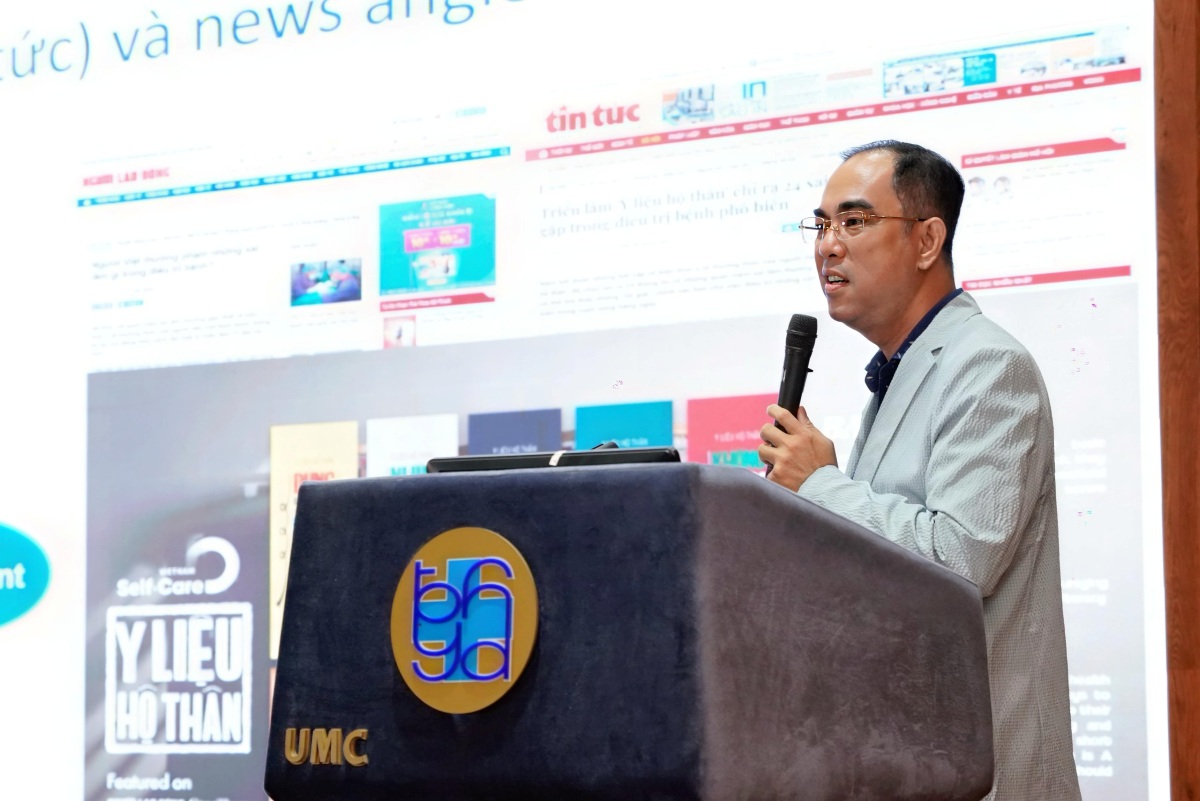
Long Nguyen speaking at a lecternAssociate Professor Long Nguyen spoke at a workshop organised in 2024 by the University Medical Center Ho Chi Minh City (UMC) to improve communication skills of medical professionals. (Photo: UMC)

According to the findings, what truly matters is not how many people receive information, but how deeply that information is discussed within a community whose members trust one another.

“Social media, long seen as a breeding ground for misinformation, may actually hold the antidote — if we know how to build sufficiently strong communities within it,” Associate Professor Long said.

For example, when health experts actively participate in online communities alongside the public, they can help members question dubious claims, verify information together, and build confidence in evidence-based health advice.

The findings suggest that health communicators should create environments where people feel empowered to ask questions, exchange knowledge, and learn from trusted voices. In that sense, strong online communities may serve as a form of “community vaccine”, helping people build resilience against misinformation before it spreads.

The study was conducted by a Vietnamese research team from RMIT University (Vietnam), HUTECH University (Vietnam), Georgia State University (United States), and Nanyang Technological University (Singapore). Read the research paper here.

---

Masthead image:  ipopba – stock.adobe.com

Related news