.jpg)



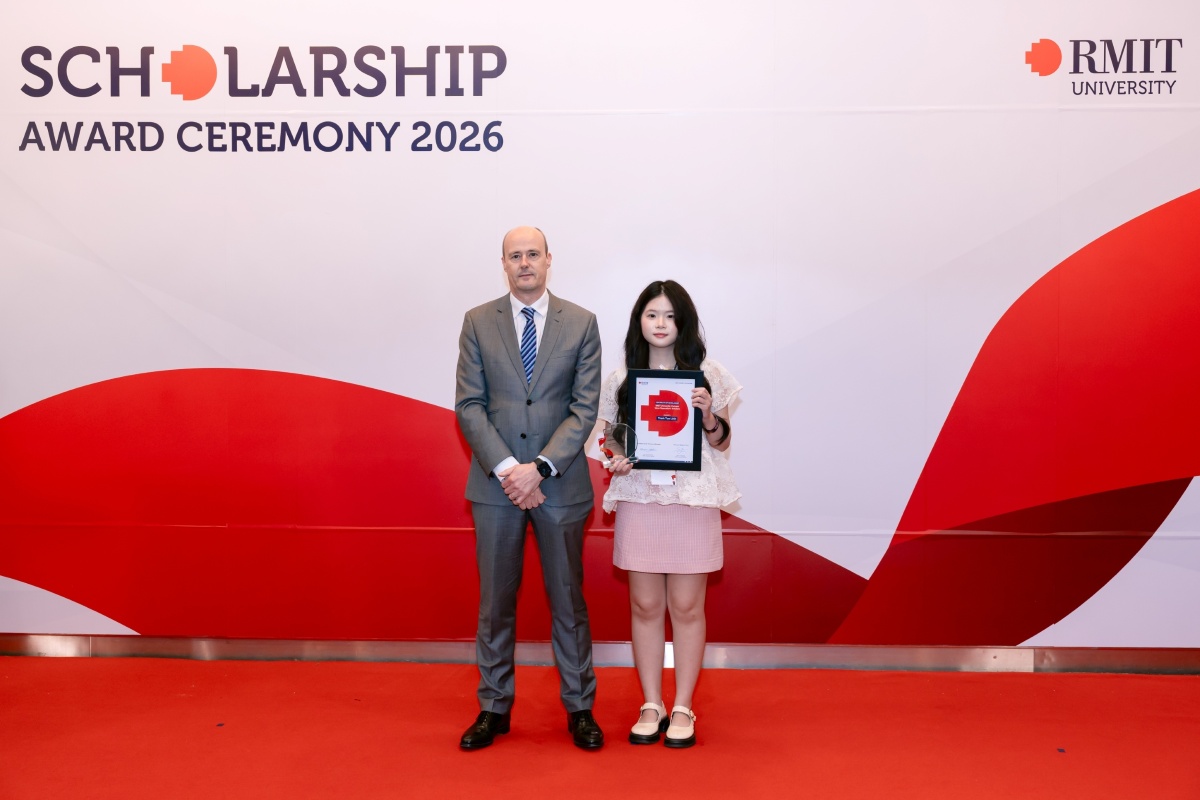
From school meal fund to bigger ambitions in finance
Business and management
22 Oct 2026
For many students, finance is associated with markets, investments, and business performance. For RMIT scholarship winner Trinh Tue Linh, it is a way of thinking about social problems.
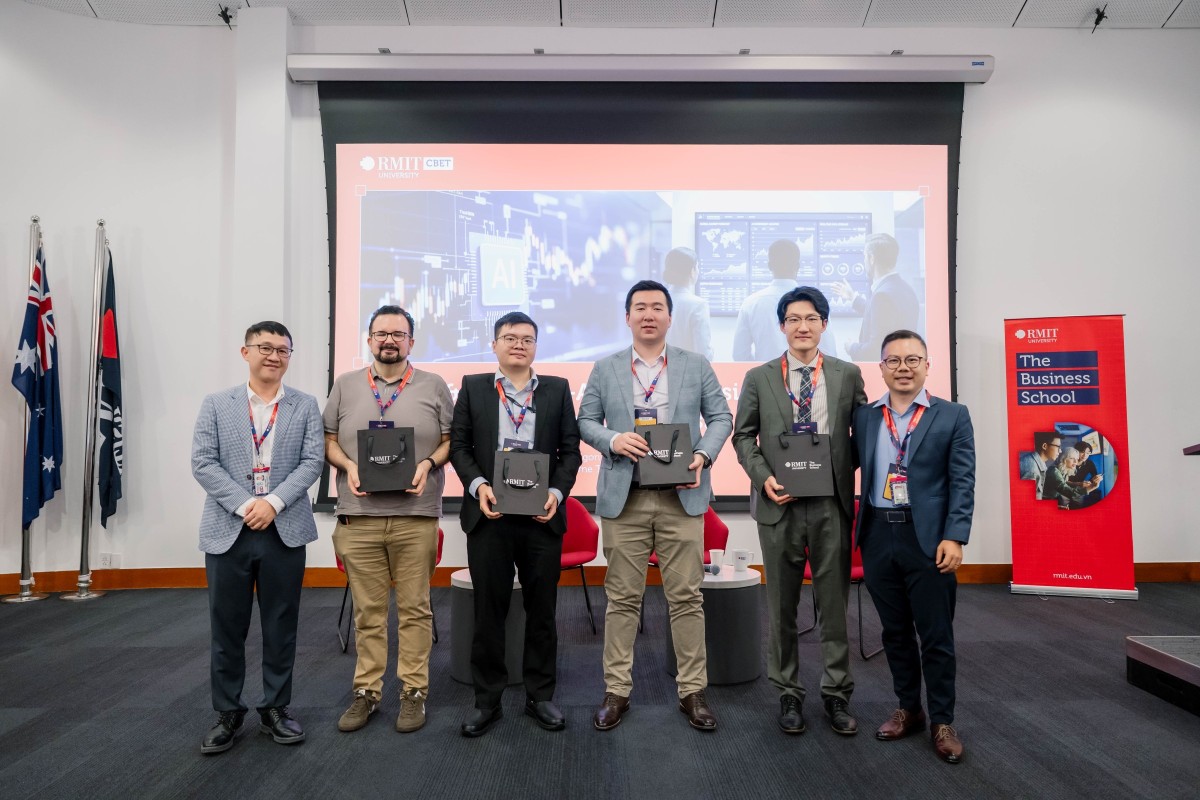
Separating signal from noise in AI-powered financial markets
Business and management
21 Oct 2026
As investors increasingly draw on news, social media and other alternative data sources, RMIT researchers are examining how AI-generated sentiment signals can be tested before they inform investment decisions.
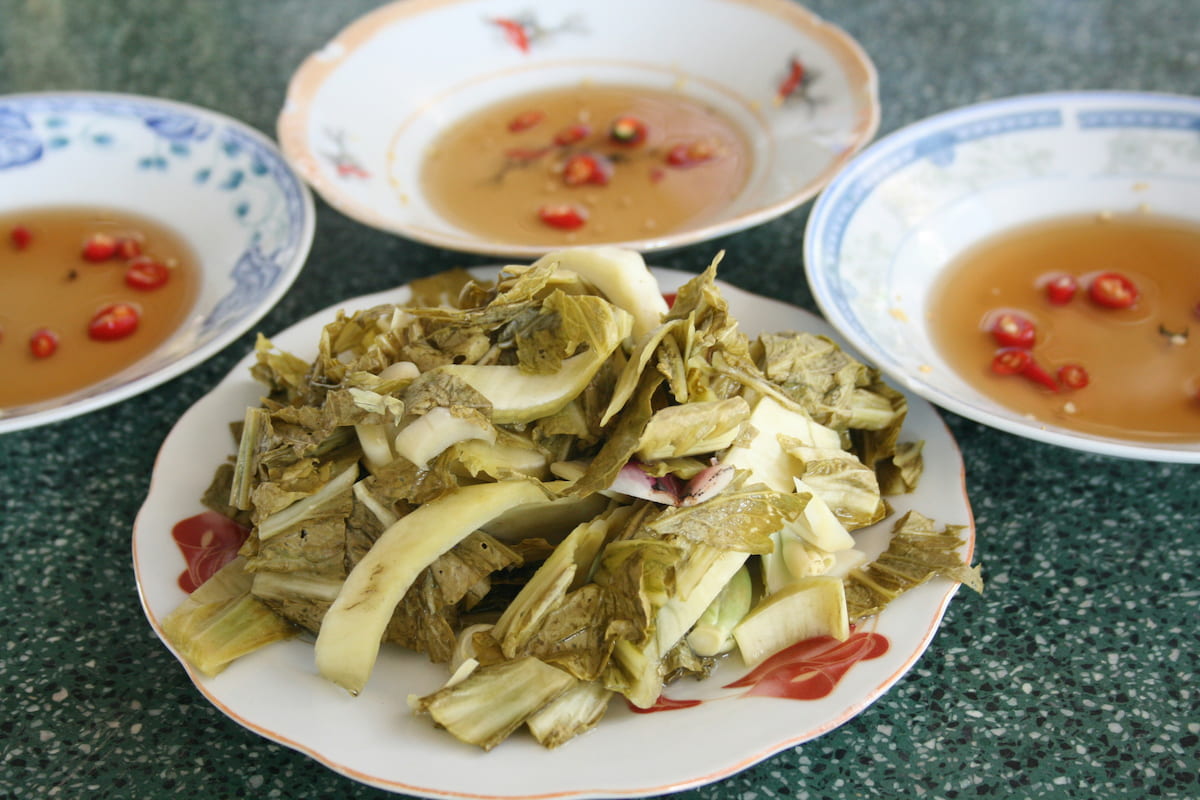
Vietnam's tiny yeasts show big promise for sustainable edible oils
Science and technology
20 Oct 2026
What do sugarcane bagasse, pickled mustard greens and salted anchovies have in common? They have helped RMIT researchers discover promising oil-producing yeasts.

For women, GenAI exposure is rising. Opportunity must too
Business and management
20 Oct 2026
Women in Vietnam are more likely than men to work in occupations exposed to generative AI. How can we make sure women have equal access to the new skills and opportunities that AI creates?