With the growing number of festivals in Vietnam and in the region, what makes VFCD different?
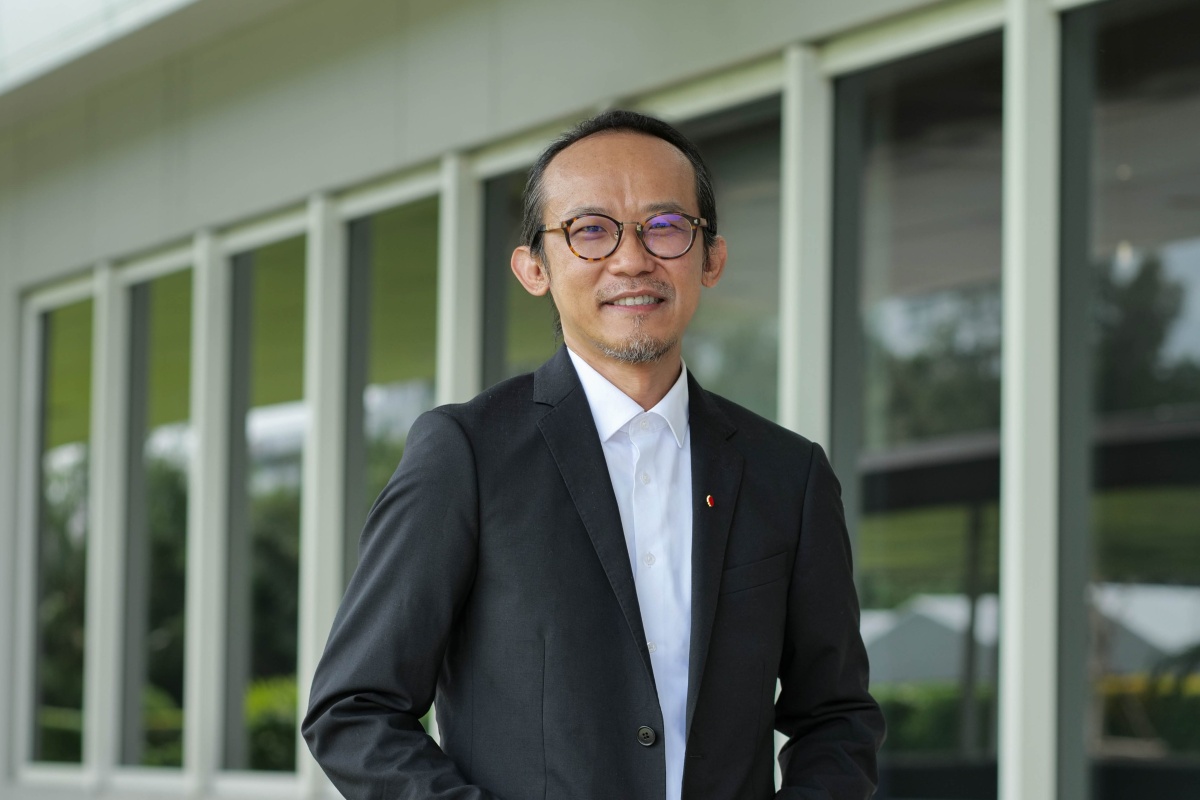
Associate Professor Lim Kok Yoong: The contemporary festival has expanded enormously. It can be a cultural program, a tourism strategy, a branding device, an institutional platform, a creative-industry mechanism and an economic instrument. None of these functions are inherently negative; they can generate resources, visibility and opportunities. But when management becomes the dominant logic, we risk forgetting that the festival begins with a very simple human impulse: the desire to gather and make something meaningful together.
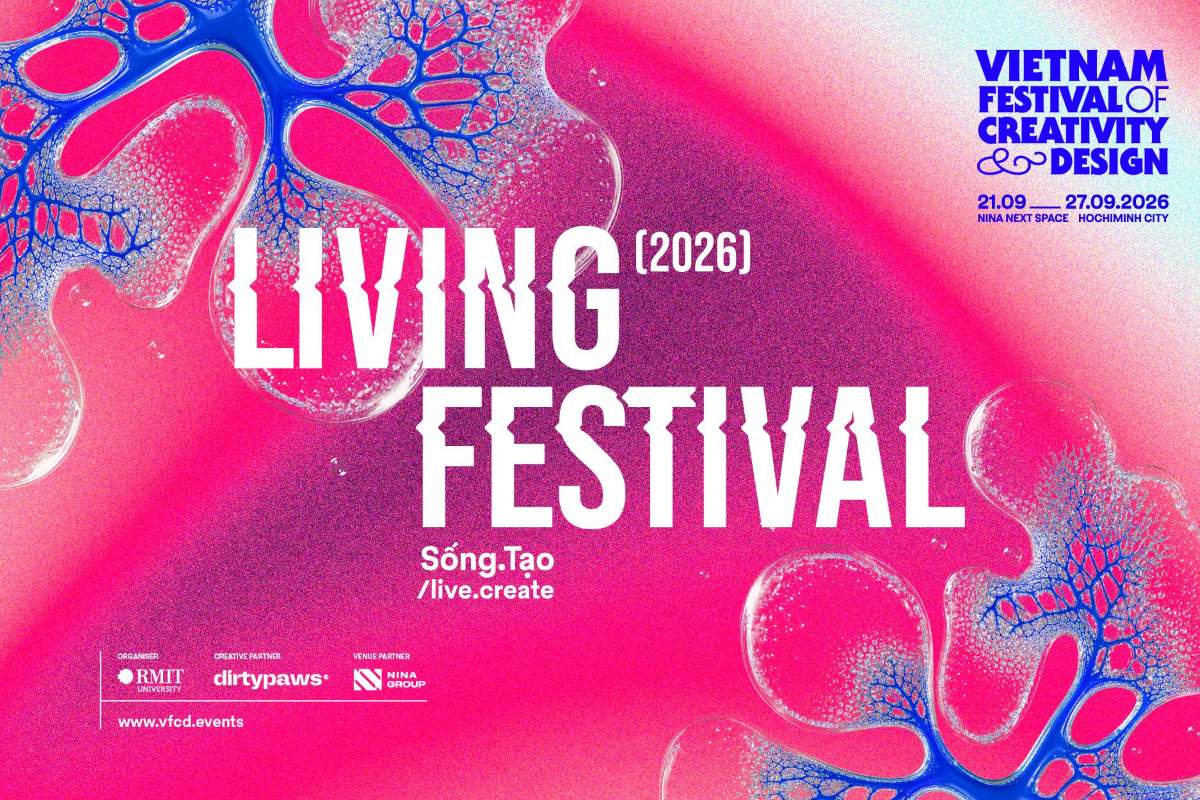
VFCD does not differentiate itself through size, spectacle or the number of activities. Its distinction lies in being a research-informed and community-engaged creative platform. The experiment is to ask: what does this community actually desire from a creative festival, and how can the festival become a medium through which that desire is articulated, tested and negotiated?
It brings together creative practice and critical inquiry, education and professional practice, research and public participation, local knowledge and international exchange, as well as established practitioners and emerging voices.
It also provides space for artistic, cultural, technological and social experimentation through exhibitions, forums, laboratories, fieldwork and workshops.
VFCD occupies a space between education, research, culture, industry and public life. That in-between space matters because it lets different forms of knowledge, practice, and participation come into contact and learn from each other. Rather than pretending we are outside those systems, we want to use the festival to examine them: what do they enable, what do they constrain, and how might collective participation push the festival beyond a model based only on cultural production, consumption and growth? We want to engage, locally, regionally and internationally.
Since VFCD is research-informed, is it mainly for artists, researchers and people already working in the creative sector?
Associate Professor Lim Kok Yoong: Not at all. VFCD is relevant to a much wider audience. Of course, artists, designers, researchers, educators and creative practitioners are part of the festival, but we also want students, businesses, cultural organisations and the public to take part in.
The community-engaged aspect is an important part of VFCD.
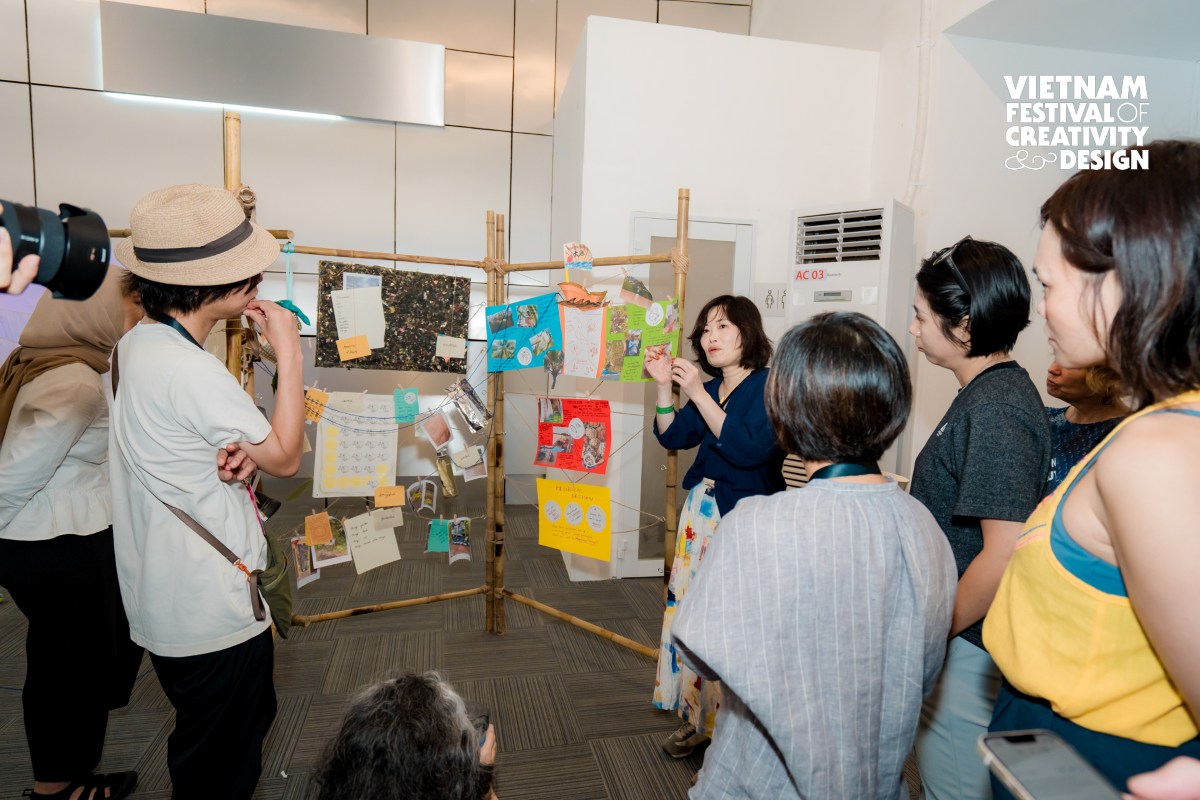
Participation does not mean that everyone has the same role, but it means the festival should create real opportunities for people to contribute knowledge, propose possibilities, make connections and influence what the festival can become.
One example is the satellite sessions within the Living Laboratories track of the festival. Rather than concentrating everything in one central venue, these activities extend the festival into studios, galleries, practices, streets and creative communities across Ho Chi Minh City.
This allows audiences to encounter creativity where it is actively being made, tested, exhibited and shared. It also creates more direct connections between the public and the artists, designers, architects, photographers, makers, curators and cultural practitioners who form the city’s creative communities.