How food waste became a question of shame

How food waste became a question of shame

From lavish feasts to family kitchens, an RMIT University study reveals how Vietnamese media turns food waste into a story about shame and social judgement.

According to the UNEP's Food Waste Index Report 2024, Vietnamese households wasted an estimated 72 kilograms of food per person in 2022. This figure is higher than that of several developed countries in the Asia-Pacific region, such as Japan, Singapore, and New Zealand, while Vietnam was still a lower-middle-income country at that time.

Yet food waste is not only a matter of how much food is discarded. How the issue is discussed in the media can also shape how people understand its causes, who they see as responsible, and what solutions they consider important.

To examine how food waste has been constructed as a social issue in Vietnam, a research team from RMIT University’s School of Communication & Design has analysed Vietnamese news articles about food waste published between 2015 and 2025.

From festive feasts to daily meals

The study identifies two recurring settings in news coverage about food waste: special celebrations, such as Lunar New Year feast and buffet parties, and everyday meals at home.

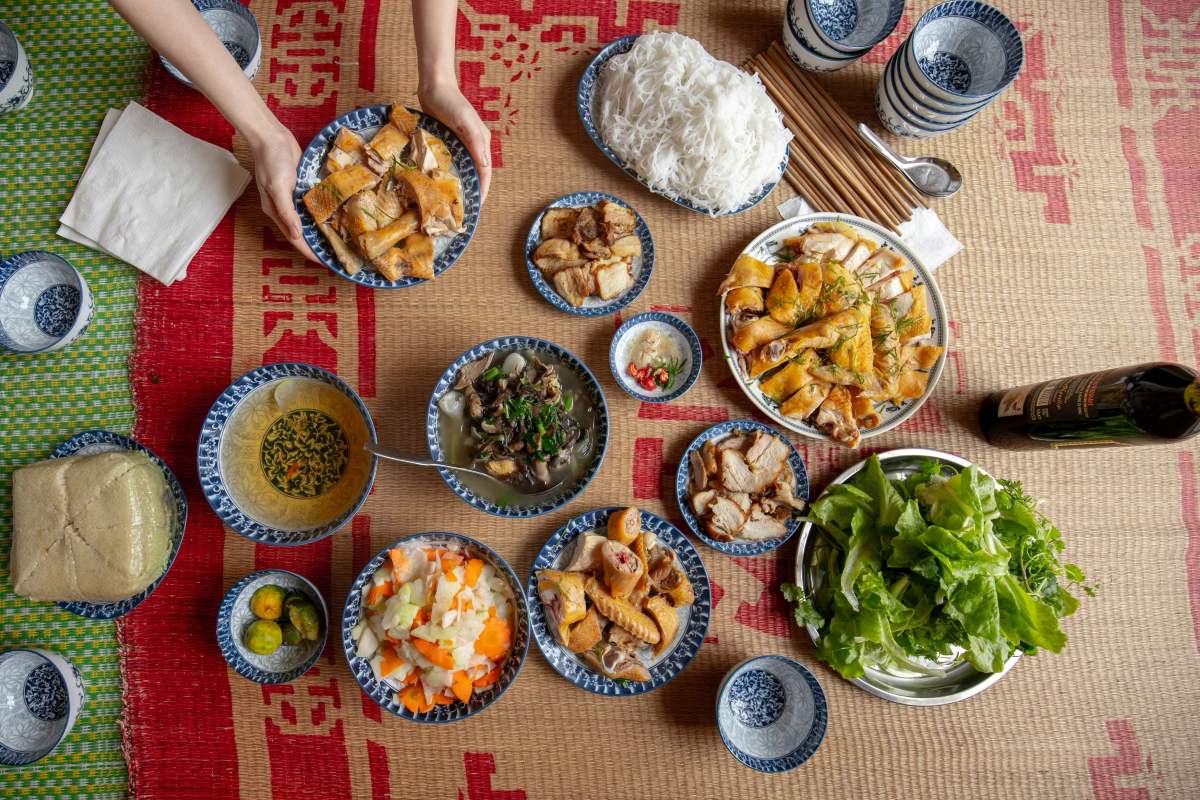
For special occasions, Vietnamese news outlets often bring food waste to public attention through familiar scenes of food excess: buffet eaters taking more food than they can finish, or wedding and death-anniversary feasts where several dishes remain untouched.

In these special occasions, dining becomes a public performance. Vietnamese media connects food excess with the notions of “sĩ diện” – the desire to save face or protect one’s social image, and “mâm cao cỗ đầy” – the tradition of displaying hospitality and status through an abundant feast. Hosts fear appearing stingy, while guests may resist taking leftovers home.

Vietnamese traditional lunar new year food laid out on a matIn Vietnam, festive occasions are associated with abundant feasts and hospitality. (Photo: Unsplash)

At home, the focus shifts from social pressure to household routines. Media stories associate food waste with impulsive shopping, stockpiling, and cooking too much. This becomes especially visible before Lunar New Year, when the belief that the holiday comes only once a year may encourage families to buy far more than they need.

“At home, food waste is presented as a household-management problem. At social events, it becomes tied to status, hospitality and fear of judgement,” said project lead, Ms Lam Luong, RMIT Associate Lecturer in Professional Communication.

A strong focus on individual responsibility

Across these different settings, however, one pattern remains consistent: news coverage often frames food waste as an individual behaviour shaped by cultural expectations.

Preparing or ordering too little food may embarrass a host as an abundant table signals generosity and prosperity. Conversely, a modest meal may appear stingy. People may therefore provide more than guests can eat just to ensure they meet the threshold of “more than enough”.

Women in Vietnam, in particular, carry a heavy burden. As mothers, wives or homemakers, they are portrayed as responsible for shopping, budgeting, cooking, storage and leftovers. They are blamed for creating food waste while also being expected to prevent it through careful planning, proper storage and creative reuse of leftovers.

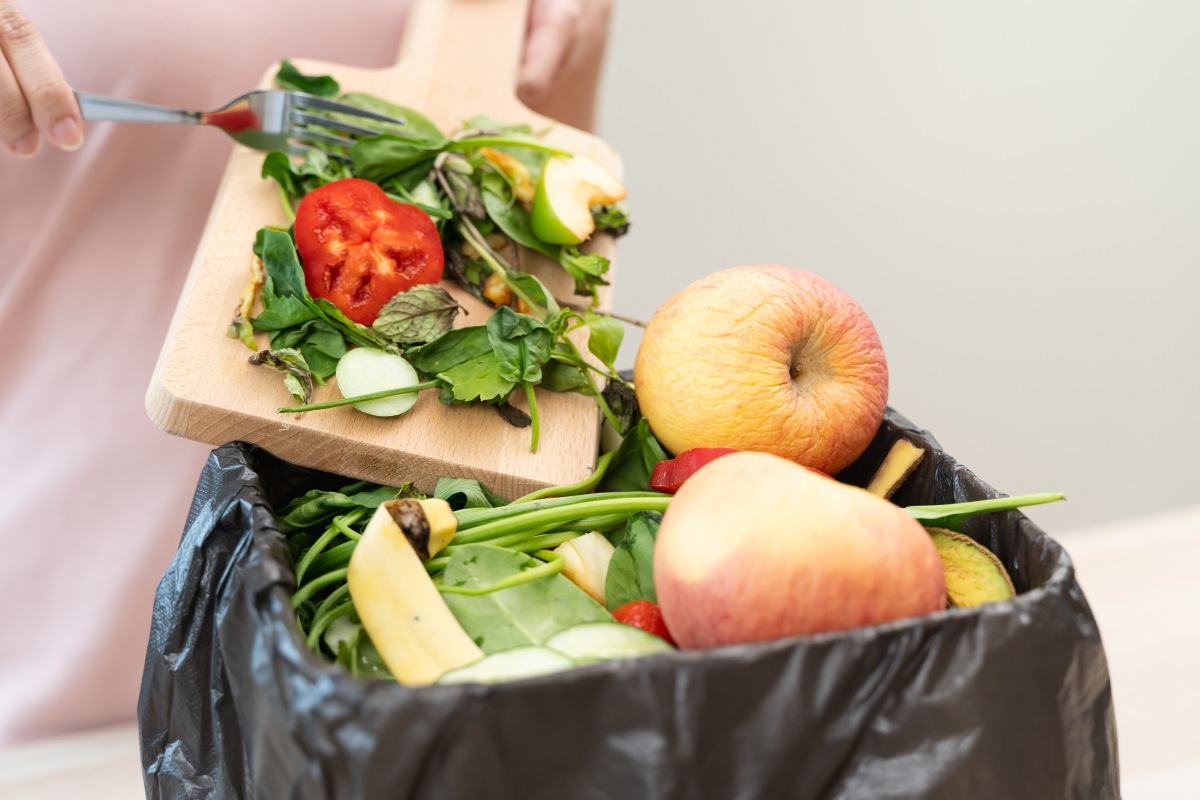
Fruits and vegetable scraps being discardedVietnamese media often frames food waste as an individual or household problem. (Photo: Pormezz – stock.adobe.com)

Paradoxically, shame operates in two directions. “Our findings suggest that food waste is often narrated through a cycle of social judgement,” said RMIT Associate Lecturer in Professional Communication Nguyen Thi Nam Phuong. “Some people fear being shamed for not providing enough food, while simultaneously shaming others for taking leftovers home.”

The research team pointed out that when food waste is seen as a result of outdated social norms, individuals’ poor manners or moral failure, its wider structural causes might be overlooked. And if food waste is treated mainly as a matter of personal behaviour, systemic solutions may receive less attention.

From individual shaming to shared responsibility

Individuals and households are presented as both the main contributor to food waste and the primary actors expected to solve it. Meanwhile, other actors – including food services and retailers, which together accounted for 40% of food waste globally according to UNEP’s 2024 report – receive less attention. The role of regulators in developing the systems and infrastructure needed to prevent, collect and redistribute surplus food is also less discussed.

“Consumer behaviour matters, but it is not the whole story,” said Dr Lena Bucatariu, RMIT Lecturer in Professional Communication. “Household's food-related decisions can also be influenced by portion sizes, promotions, food labels, redistribution networks and waste-collection infrastructure.”

The research team believes Vietnamese media should therefore move beyond household tips and moral criticism of consumers. Coverage should focus more on other actors, encouraging businesses and authorities to develop system-wide solutions such as measuring and reporting food waste, supporting food-sharing apps and redistribution networks, and investing in infrastructure for separating, collecting and processing food waste.

As Vietnam marks the International Day of Awareness of Food Loss and Waste on 29 September, it is important to recognise that food waste will not be reduced simply by making people feel guilty. A more productive conversation may be one that examines how households, businesses, and policymakers can together change the way food is produced, consumed and discarded.

Story: Lam Luong

Masthead and thumbnail image: Pormezz – stock.adobe.com

Related news