
Vietnam is ageing fast. Are we ready?

Vietnam is ageing fast. Are we ready?

RMIT Vietnam researcher Catherine Earl found that many ASEAN countries, including Vietnam, are ageing at a pace that could see them "grow old before they grow rich”.
Ageing is often viewed as an issue for older people. In reality, it affects everyone. It shapes labour markets, healthcare systems, retirement incomes, housing, public spending and how communities support one another. As Vietnam moves towards becoming a super-aged society by 2050, the challenge is no longer whether demographic change is coming, but how prepared we are for it.

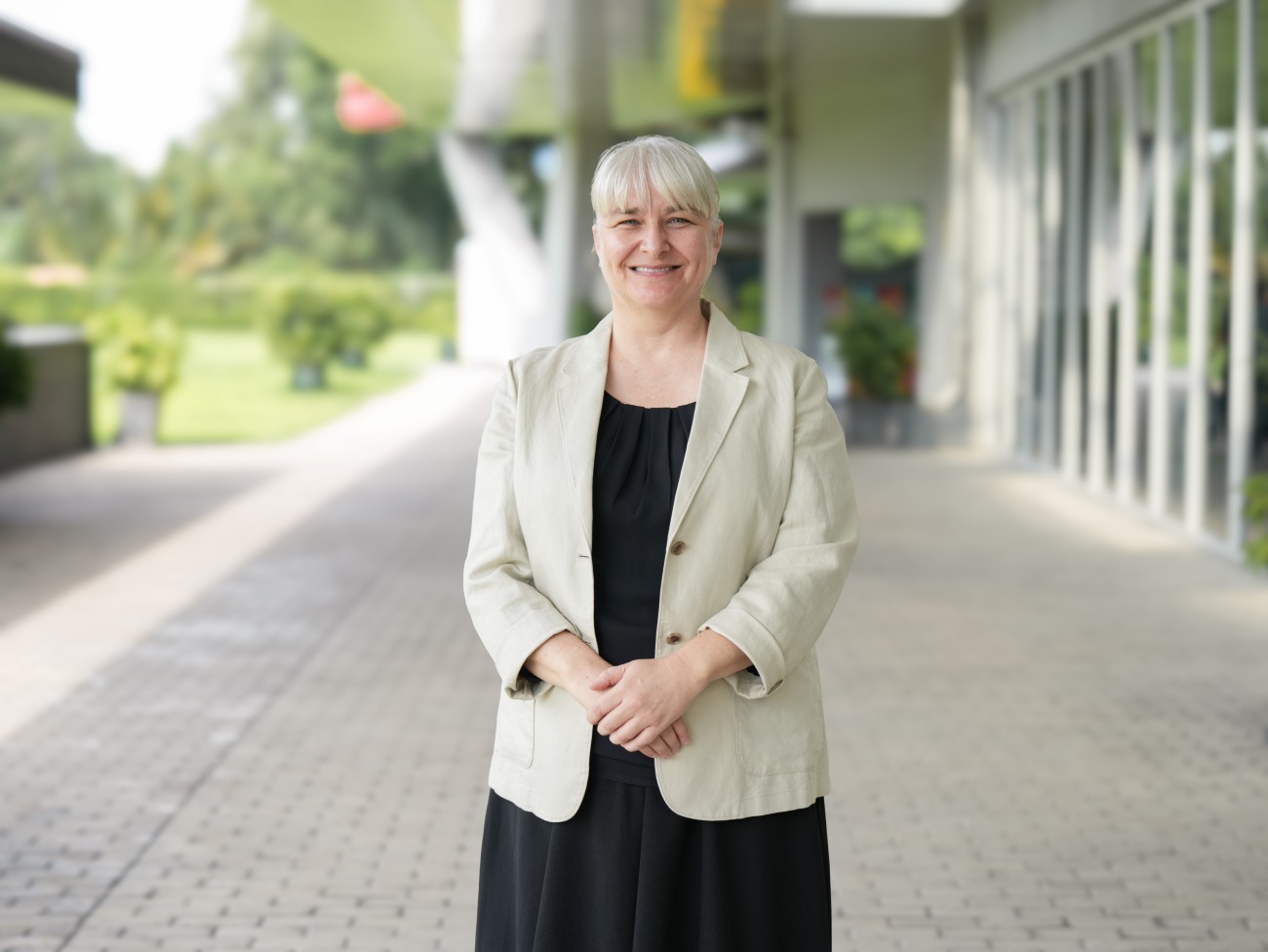
Associate Professor (AP) Catherine Earl, from RMIT Vietnam School of Communication & Design, studies the social impacts of population ageing. Together with Professor Philip Taylor from the University of Warwick, she explored the diverse challenges facing older people across ASEAN, from health inequalities and retirement income to workforce participation and social inclusion.

A person standing on a covered walkway beside a modern building.Associate Professor Catherine Earl, lecturer in Professional Communication at the School of Communication & Design, RMIT Vietnam (Image: RMIT)

Q: Why should younger generations care about population ageing?

AP Catherine Earl: Many people think ageing is an issue for older people, but it affects everyone.

Population ageing changes labour markets, healthcare systems, housing demand, retirement incomes and family life. It influences how governments spend public money and how businesses plan for the future. In short, it reshapes society.

A common saying in ageing research is that many developing countries will "get old before they get rich". Unlike countries such as Australia, the UK or Japan, which had decades to build wealth before their populations aged significantly, countries across Southeast Asia are experiencing this transition much more quickly.

Vietnam became an ageing society in 2015. By around 2036, it is expected to become an aged society, and by around 2050, a super-aged society, with more than 21% of the population aged over 65.

Q: What surprised you most when comparing ASEAN countries?

AP Catherine Earl: The diversity.

People often talk about ageing populations as if every country faces the same challenges. Our research showed the opposite. ASEAN countries are highly diverse in terms of health outcomes, retirement systems and demographic patterns. Tailored solutions are essential.

One of the surprising findings was that Vietnam has the largest gender gap in life expectancy at birth in ASEAN. Women live approximately nine years longer than men.

That finding raises important questions about men's health and wellbeing throughout the life course. It also means that many communities will have a much larger population of older women who may require healthcare, housing and social support later in life.

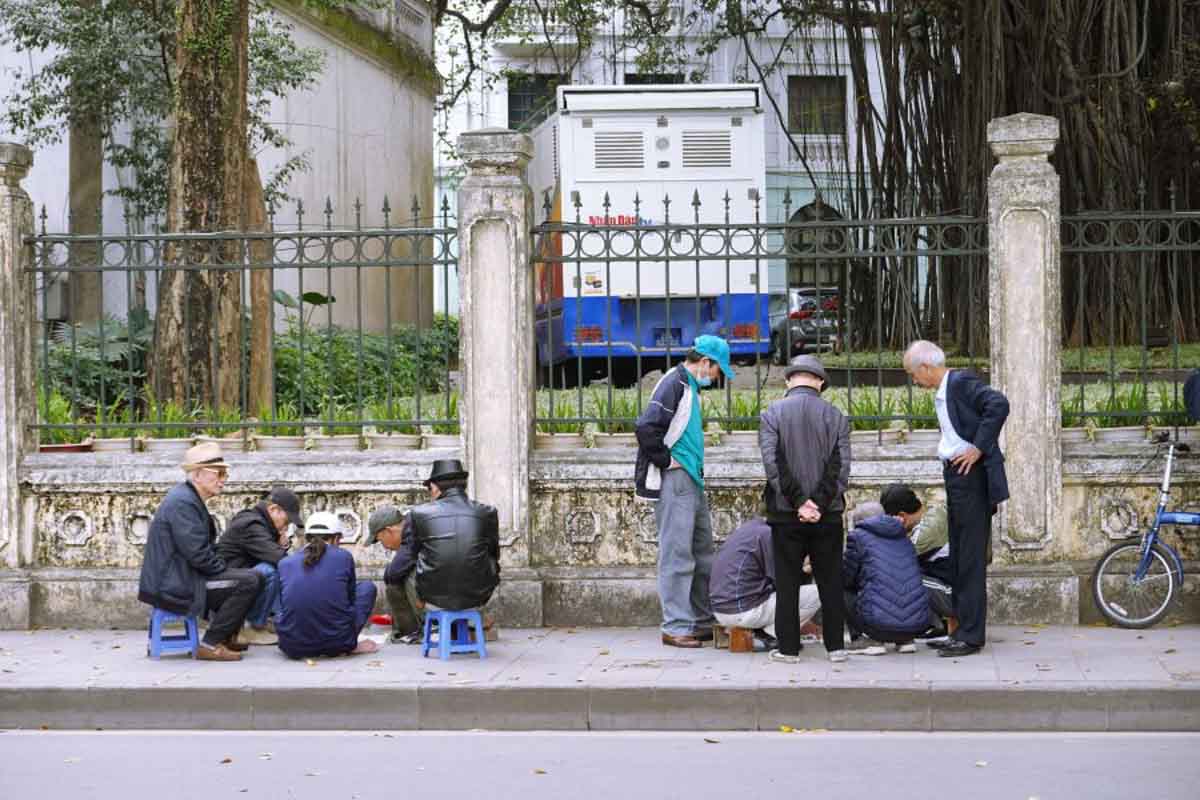
Group of older adults gathered on a sidewalk, sitting and standing around a street-side game near a fenced park. Longer lives are one of society's greatest achievements, but they also require new approaches to inclusion, wellbeing and support. (Image: Pexels)

Q: What does this mean for Vietnam's workforce and economy?

AP Catherine Earl: An ageing population affects both the supply of labour and the demand for care.

As the proportion of older people increases, countries need to think differently about workforce participation, retirement and lifelong learning. At the same time, demand for healthcare, care services and support systems will continue to grow.

One area that deserves greater attention is retirement income. Across ASEAN, retirement security varies significantly according to gender, occupation and whether people worked in the formal or informal economy. Many self-employed workers and informal workers have limited access to pension systems and may continue working well into old age out of necessity.

This is why I argue that ageing should not be viewed solely as a welfare issue. It is also an economic, labour market and social innovation challenge.

Q: What should policymakers and business leaders focus on?

AP Catherine Earl: The first priority is recognising that ageing is not a problem to solve with a single policy.

Population ageing affects health, employment, housing, digital inclusion, transport, financial services and community life. Countries need coordinated responses that take into account the different experiences of women and men, urban and rural residents, and formal and informal workers.

For Vietnam, four areas deserve particular attention: improving men's health outcomes, building a sustainable care economy, strengthening retirement income systems and creating safe, affordable and accessible housing that enables people to age well in their communities.

Importantly, solutions should be developed with older people rather than for them. The people most affected by these changes should have a voice in shaping the policies and services designed to support them.

Q: What does an age-friendly future look like?

AP Catherine Earl: An age-friendly future is one where people can remain healthy, connected and active throughout their lives.

It means designing cities, services and technologies around people's needs rather than expecting people to adapt to systems. It also means ensuring older people can participate fully in society, whether through work, volunteering, community activities or family life.

The aim is not simply to help people live longer. It is to help them live well.

My research focuses on identifying innovative, human-centred solutions to the challenges of population ageing. These solutions should be inclusive, sustainable and co-designed with older people themselves.

As Vietnam prepares for a future in which older adults will make up an increasingly large share of the population, the question is no longer whether ageing will transform society. The question is how well we prepare for that transformation.

That belief sits at the heart of The Ripple Theory, a series of expert perspectives informed by research from RMIT University Vietnam. By connecting academic insight with real-world stories, the series helps readers gain a deeper understanding of the shifts unfolding across the economy, society, environment, and technological world, while exploring solutions and opportunities for what lies ahead.  

Preview the book chapter at:
https://www.elgaronline.com/edcollchap/book/9781789907247/book-part-9781789907247-21.xml

Story: Ha Hoang

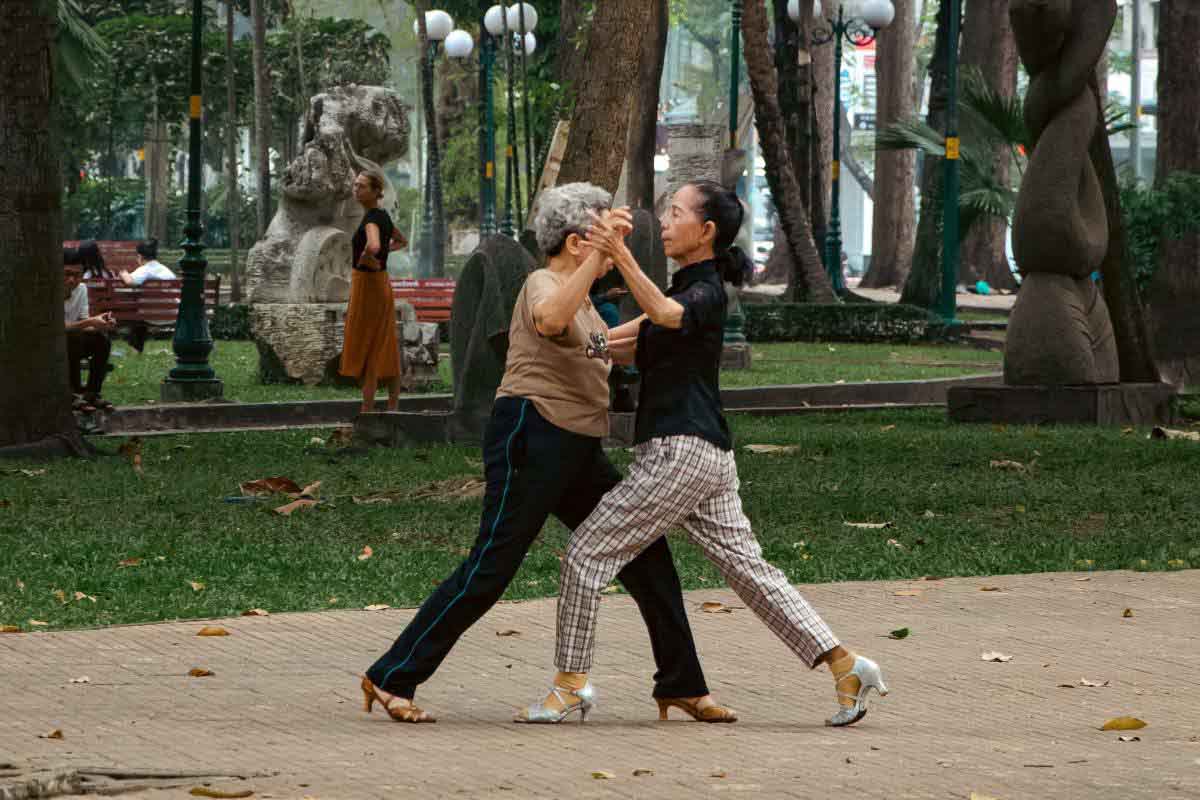
Thumbnail image: Arina Dmitrieva – pexels.com

Related news