Vietnam Culture Day: Bringing culture into life through vibrant experiences

Vietnam Culture Day: Bringing culture into life through vibrant experiences

“The first-ever Vietnam Culture Day is a chance to make culture a bigger part of people's lives, especially for young people,” says RMIT University lecturer Dr Bui Quoc Liem.
Culture is often associated with grand concepts such as national identity, heritage, traditions, and historical values. Yet it is just as alive in everyday life, from the way families preserve their customs and communities organise their activities, to the language, food, music, and daily etiquette that people share.

To celebrate the first-ever Vietnam Culture Day on 24 November this year, the Ministry of Culture, Sports and Tourism said more than 400 activities are being organised nationwide, spanning culture, the arts, sports, displays and exhibitions. The events also include showcases of traditional craft products, efforts to promote reading culture, and community exchanges.

What stands out is not just the number of activities, but also how people can take part in them.

A young person can learn more about traditional crafts by trying their hand at making an item themselves, experience regional cultural life through an art performance, or explore local history on a visit to a historical site. Through hands-on participation, each person takes in culture in their own way, turning shared knowledge into a vivid, personal experience.

This is a crucial distinction between knowing about culture and actually experiencing it. A story about a custom can provide knowledge, but hearing members of the community explain what that custom means opens the door to deeper understanding.

When the public has the chance to practice, ask questions, share, and be part of cultural activities, they gain more confidence and knowledge to help spread cultural values.

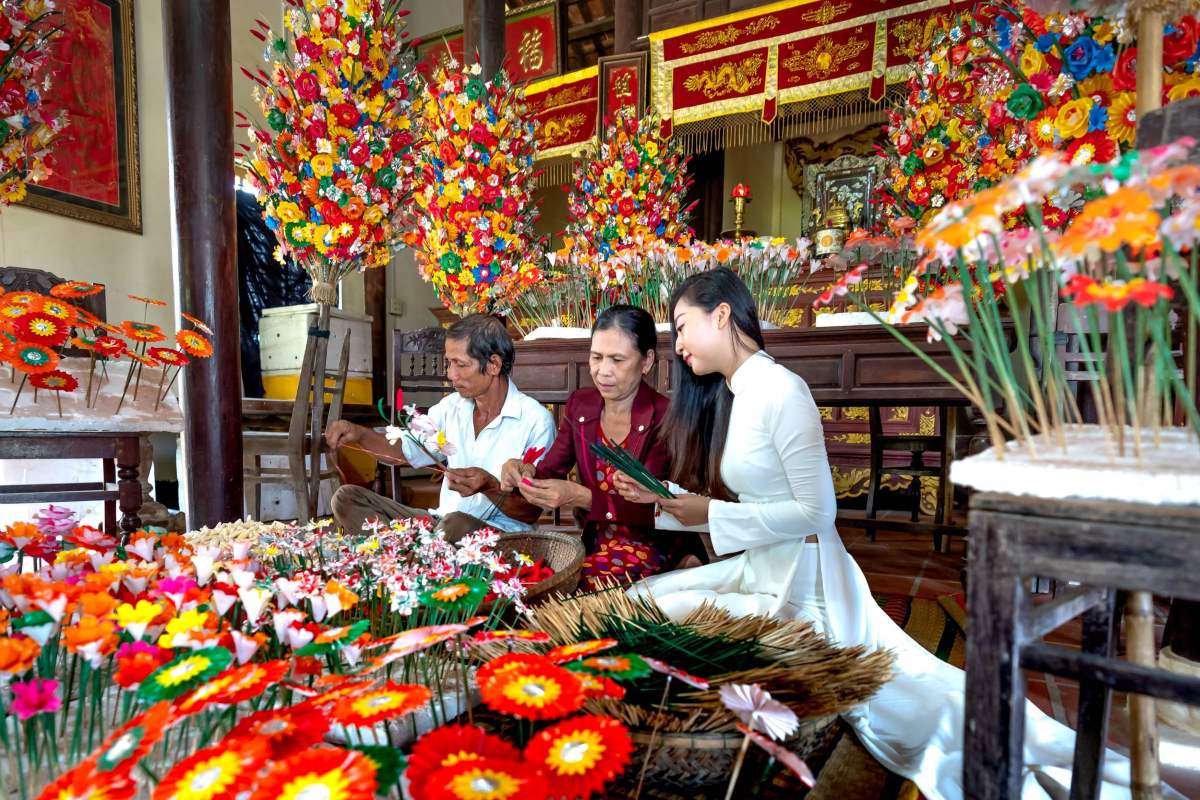
A woman sitting next to two artisansCulture is alive in everyday life, from the way families preserve their customs, to the language, food, music, and daily etiquette that people share. (Photo: Pexels)

Connection through difference

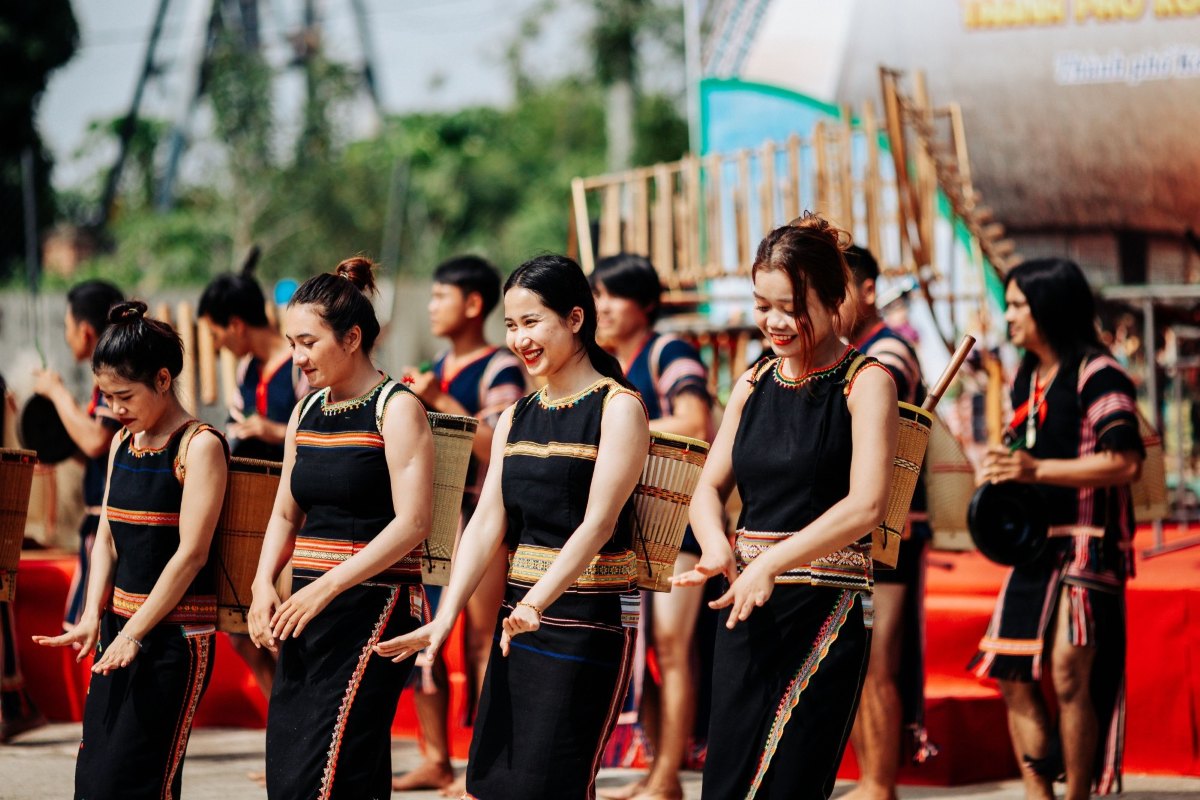
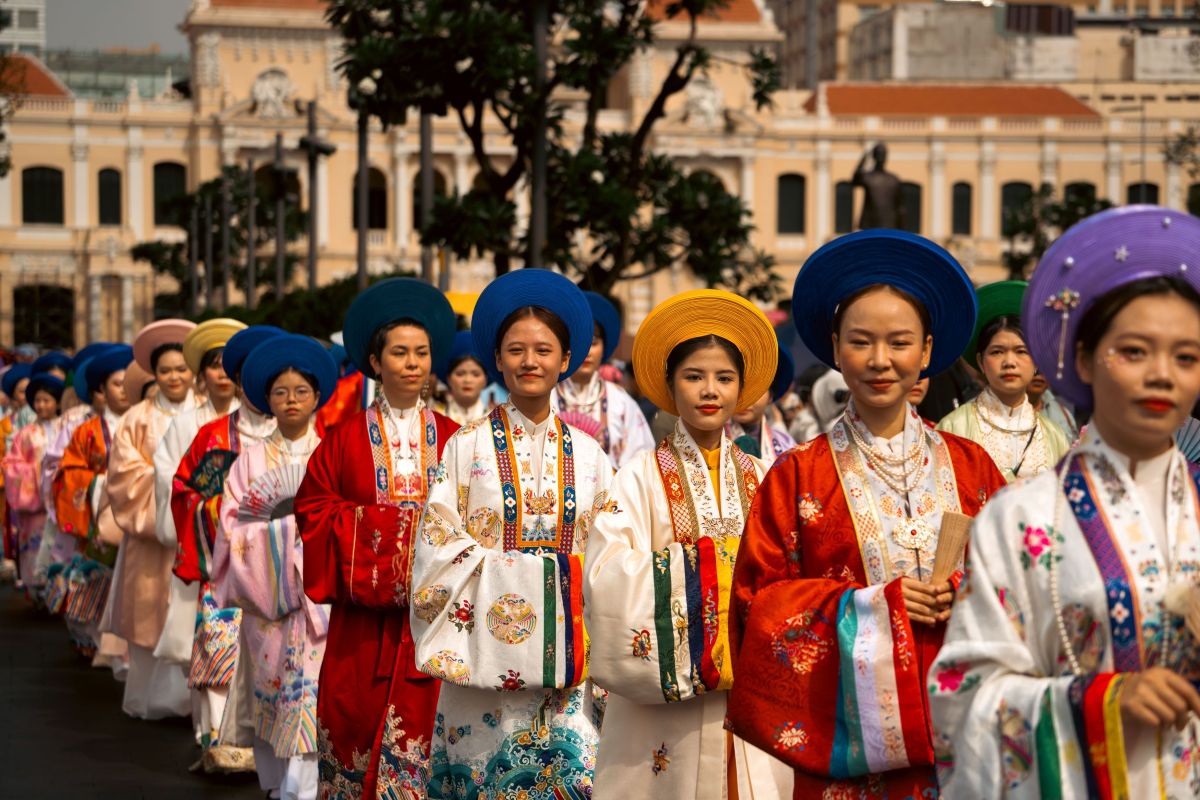
Vietnam is a country of great diversity in terms of ethnic communities, languages, customs, and ways of life. Even within the same city, differences in regional background, generation, and life experience shape how people see culture.

A cultural festival is meaningful when it creates a space for those differences to meet and engage in dialogue.

For example, at an event showcasing ethnic culture, participants can learn about weaving techniques, the meaning behind patterns, and the role of traditional dress in community life – all through the stories of artisans. Similarly, a performance leaves a deeper impression when it is placed within the historical and social context that nurtured that art form.

According to UNESCO, intercultural dialogue is a way for individuals and communities to better understand differences, learn from each other, and manage diversity in a positive way. Cultural exchange fosters respect, understanding, and empathy among people, while expanding connections that transcend differences.

That understanding grows out of how people interact, share, and openly embrace differences throughout an event. A festival may draw a large crowd but still lack genuine interaction if everyone simply stays within their own familiar circle, takes a few photos, and leaves.

To create connection, activities should encourage participants to converse with cultural practitioners, listen to stories that differ from their own experiences, and proactively share the stories of their own communities.

In particular, it is necessary to avoid reducing culture to stereotypes. The identity of a community is formed from multiple layers of values, memories, customs, and experiences, far beyond symbols like food, clothing, or performances. Behind every cultural practice lie history, knowledge, beliefs, and the changes of contemporary life.

Cultural life as an extended classroom

In an era of global integration, intercultural communication skills are increasingly important for young people. These skills are demonstrated in the ability to recognise and respect differences, listen, adjust one’s behaviour flexibly, and see others from their perspective, in addition to using foreign languages ​​and communicating with people from other countries.

A review published in Intercultural Educationin 2025 analysed 28 studies selected from 4,904 publications. It identified three educational practices that matter for developing intercultural competence: learning about culture, reflecting on culture, and experiencing culture.

Importantly, that experience must go hand in hand with reflection. Besides directly participating in cultural activities, learners need to understand the context, identify similarities and differences with their own experiences, and re-examine their existing notions and assumptions.

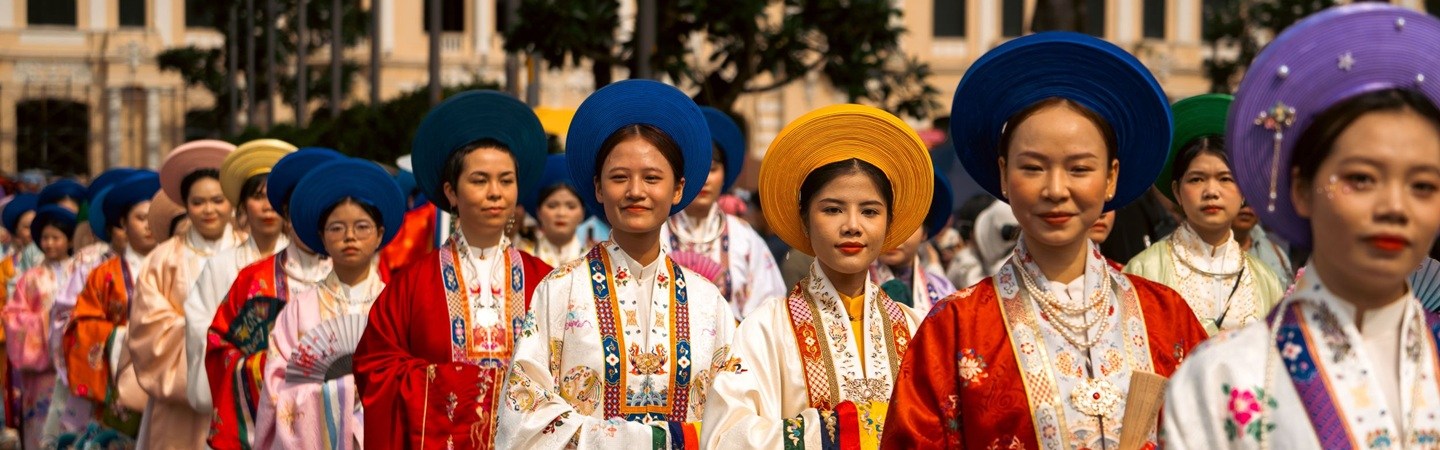
A group of performers in ethnic costumesVietnam is a country of great diversity. A cultural festival is meaningful when it creates a space for exchange. (Photo: Pexels)

In that spirit, Vietnam Culture Day can serve as an open learning environment. Schools, museums, libraries, theatres, historical sites, and community spaces can all act as classrooms beyond school walls.

For students, this is an opportunity to connect knowledge of history, geography, and art with real life. For young people preparing to enter the global job market, it is also a chance to hone their ability to work and cooperate with people from different backgrounds.

A festival will have lasting value when it is connected to ongoing, long-term cultural education. The value of the experience should be carried forward through learning, discussion, practice, and regular community engagement.

How Vietnam Culture Day can truly belong to the people

The challenge in the first year of nationwide implementation is to design activities that enhance interaction, experience, and genuine community participation, going beyond staged performances and promotional events. If people are merely spectators, the goal of integrating culture into daily life will be difficult to fully achieve.

In the 2026 plan for Vietnam Culture Day, the Government emphasised that people should be at the centre, with everyone given the chance to directly participate in creating and enjoying cultural values. Activities should also reflect the characteristics of each region and avoid being showy, superficial, or wasteful.

This is a guiding principle with long-term significance. People are not just the audience being served; they are also the ones who preserve, practice, and pass on culture. Artisans, older people, young adults, children, families, and local communities can all contribute to creating a festival with its own unique identity.

24 November will truly take root when cultural experiences continue to be nurtured in community life, from schools and families to everyday living spaces. The results are meaningful when a young person continues to learn about traditional crafts after a visit, when a family takes their children to a museum, and when a community actively preserves and showcases its heritage.

A day dedicated to culture is also an opportunity for each person to reflect on the values ​​passed down to them, and to recognise their role in preserving, continuing, and creating new values ​​for future generations.

Story: Dr Bui Quoc Liem, Lecturer in Professional Communication, RMIT University Vietnam

Related news