ISSD 2026 connects finance, responsible AI and sustainable development

ISSD 2026 connects finance, responsible AI and sustainable development

Sustainable development will not be achieved by ambitious targets or new technology alone. It needs clear decisions, dependable institutions, investment and people who can carry plans through.

That was the central message of the International Symposium on Sustainable Development 2026 (ISSD 2026), held at RMIT University Vietnam.

Hosted by RMIT Vietnam’s Sustainable Development and Consumption Research Cluster under the theme “Transitions, Innovations, and Policies for Sustainable Development,” the symposium brought academics, policymakers and business leaders together.  

Its keynote, industry address and roundtable connected three practical questions: How should sustainability shape long-term decisions? How can it be financed? How can artificial intelligence (AI) support change without leaving trust and people behind? 

Make sustainability part of the strategy 

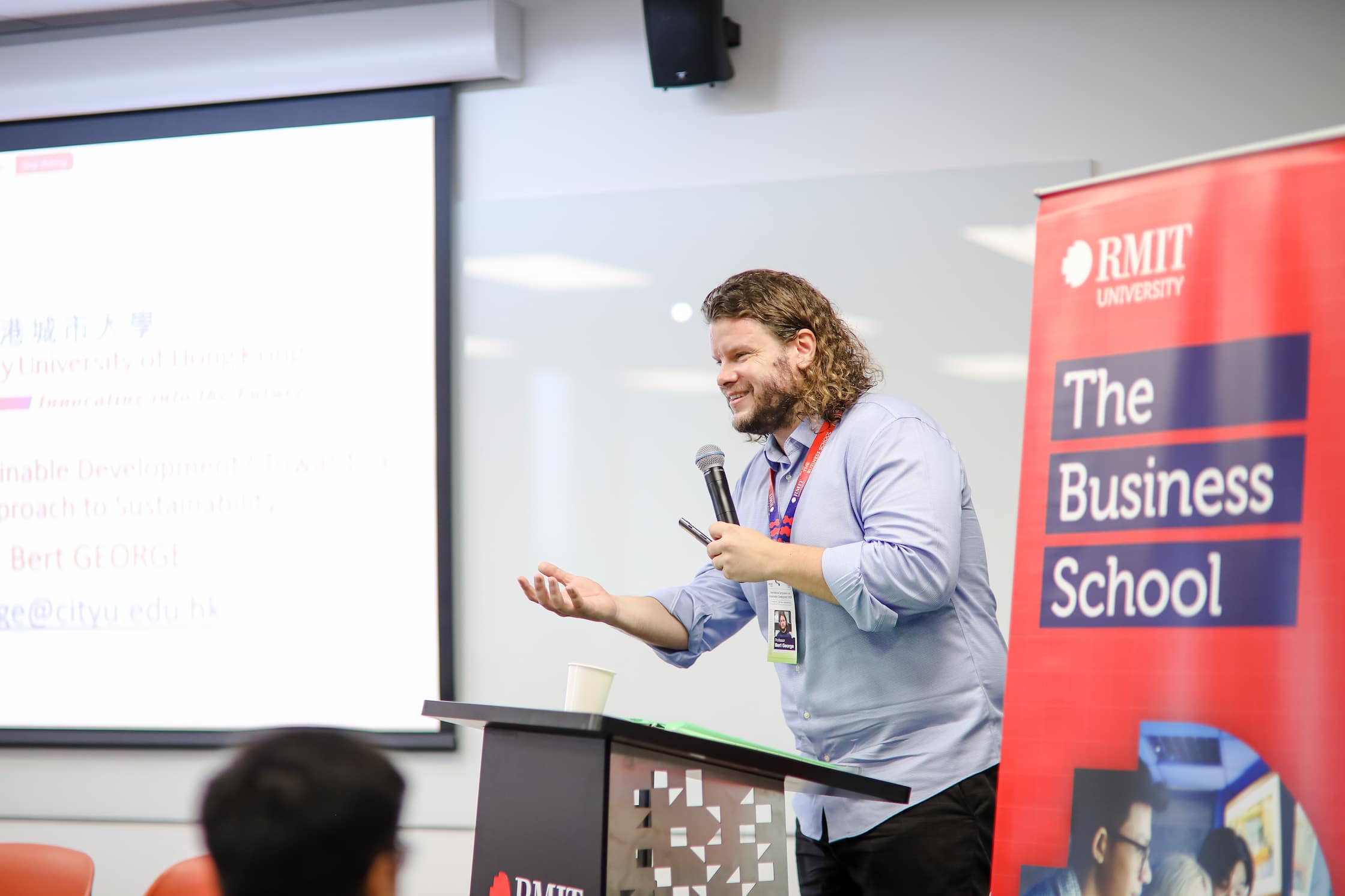
Professor Bert George from City University of Hong Kong opened the discussion with a simple warning: organisations can run many worthwhile sustainability projects and still fail to make lasting progress if those projects lack a shared direction. Environmental and social goals should not be separated from everyday planning, budgets and management decisions.

Professor Bert George, City University of Hong Kong (Image: RMIT)  Professor Bert George, City University of Hong Kong (Image: RMIT)

In his keynote, “Strategising for Sustainable Development? Towards a Strategic Approach to Sustainability,” Professor George argued for a more deliberate approach. Leaders need to be clear about what they want to achieve, use evidence to understand their options, recognise the needs of different communities, and ensure plans can be implemented. Sustainability becomes meaningful when it influences how an organisation makes decisions over time, rather than appearing as a separate commitment in an annual report.

The lesson is especially relevant to Vietnam as public institutions and local governments adjust to major changes. Administrative reform can create opportunities, but new structures alone do not produce better services or more resilient communities. Results depend on whether responsibilities, resources and accountability are linked to clear local priorities.

Financing matters as much as ambition

Mr Rich McClellan, CEO of the Vietnam International Financial Center in Ho Chi Minh City (VIFC-HCMC), brought the discussion from strategy to investment. He noted that a strategy only becomes real when someone can finance it, and that every serious project must answer three questions: who will provide the money, on what terms, and how will its environmental or social results be checked? 

Mr Rich McClellan, CEO of the Vietnam International Financial Center in Ho Chi Minh City (Image: RMIT)Mr Rich McClellan, CEO of the Vietnam International Financial Center in Ho Chi Minh City (Image: RMIT)

He framed Vietnam’s position as a twin challenge: becoming a developed, high-income country by 2045 while meeting its commitment to net-zero emissions by 2050. Pursuing both at once requires substantial long-term investment. The World Bank’s Country Climate and Development Report for Vietnam estimated additional needs of about 6.8 per cent of GDP a year, or roughly US$368 billion through 2040.

Mr McClellan’s central point was that mobilising capital is not the same as allocating it well. Investors need reliable information, fair assessments of risk, clear rules and confidence that projects can deliver what they promise. Sustainable finance, he argued, is the hardest test of allocation, because returns are long-dated and green claims are easy to make but hard to verify. Skilled professionals, sound data and transparent reporting therefore matter as much as the amount of money available.

He described VIFC-HCMC as a legal and regulatory platform being built to supply those conditions. With the legal framework established in 2025, the center is now in its institution-building phase, and the first licensed institutions are targeted to begin operating in 2027.

AI will only help if people can trust it 

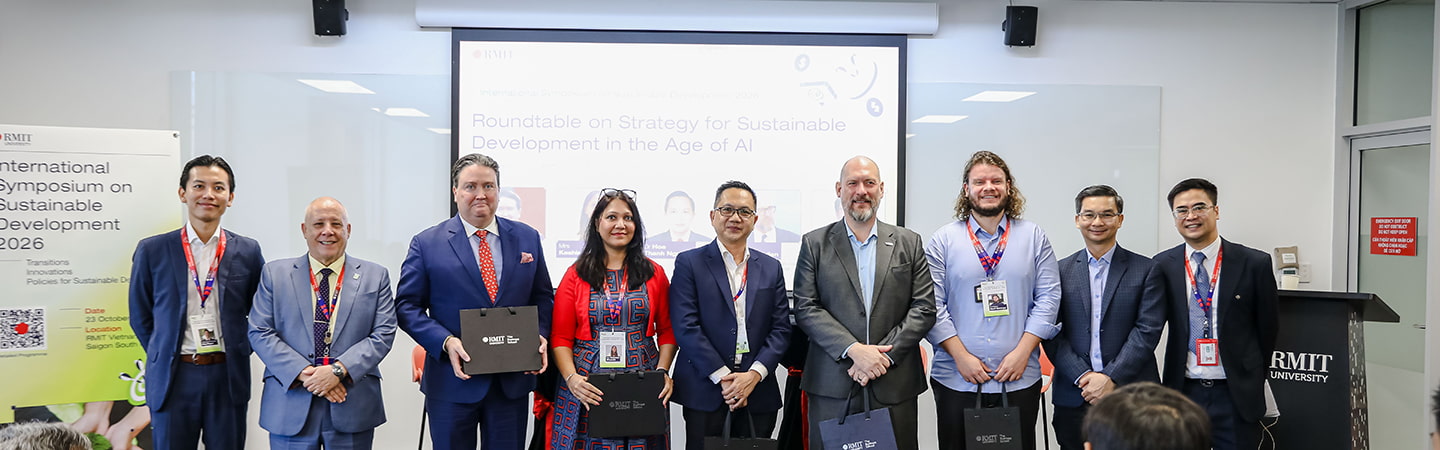
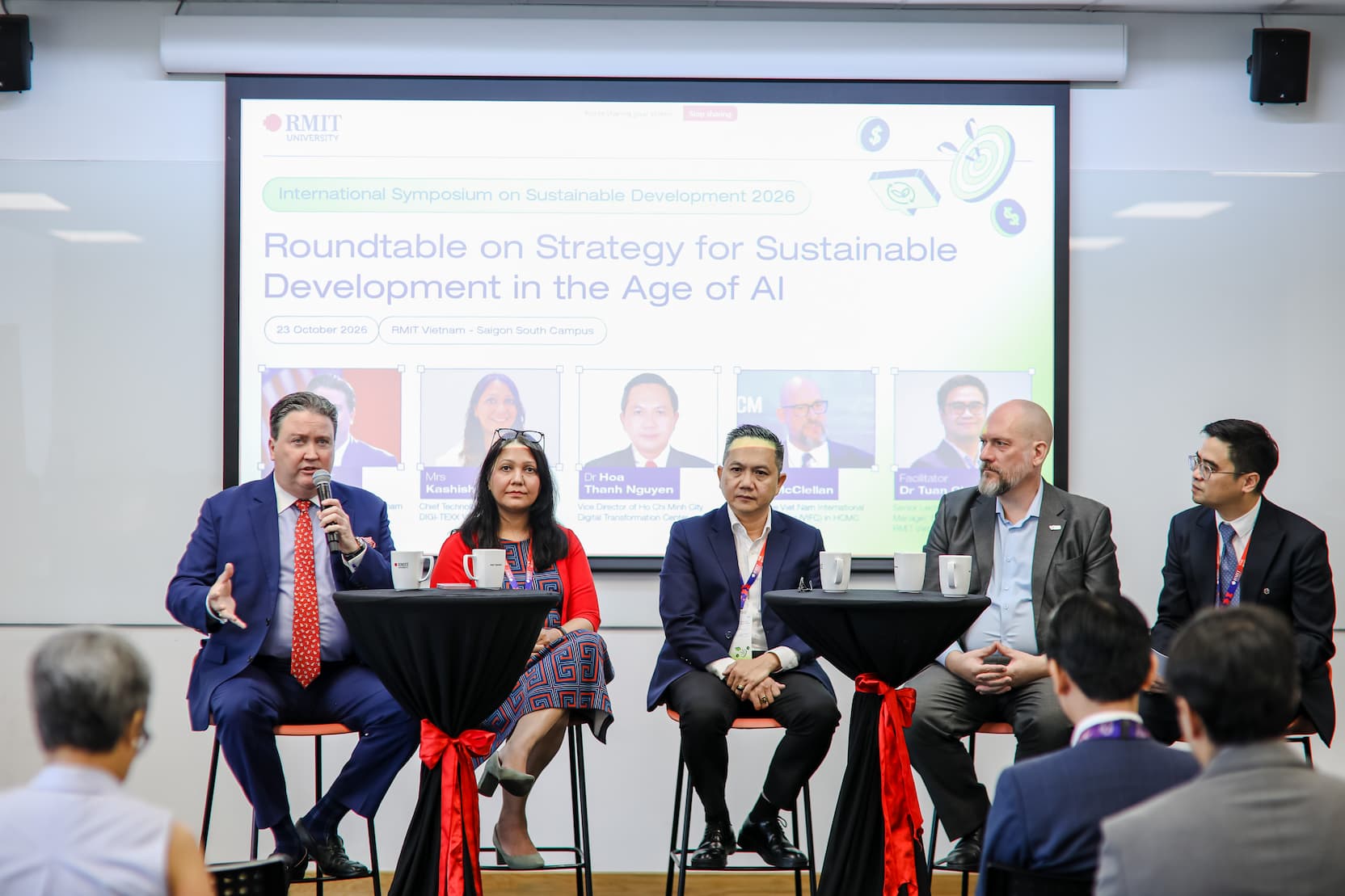
The roundtable, “Strategy for Sustainable Development in the Age of AI,” was moderated by Dr Chu Thanh Tuan of RMIT University Vietnam. It brought together former US Ambassador to Vietnam Mr Marc Knapper, now CEO of Knapper Global Advisors; Ms Kashish Bhambi, Chief Technology Officer of DIGI-TEXX VIETNAM; Dr Nguyen Thanh Hoa, Deputy Director of the Ho Chi Minh City Digital Transformation Centre; and Mr McClellan.

The session began by asking the audience what most limits Vietnam’s ability to use AI for sustainable development: strategy, trusted rules, finance, data and infrastructure, or talent. The discussion showed why these issues cannot be treated separately. A useful AI tool will have limited impact if public agencies cannot share information, businesses lack skilled staff or citizens have little confidence in how decisions are made.

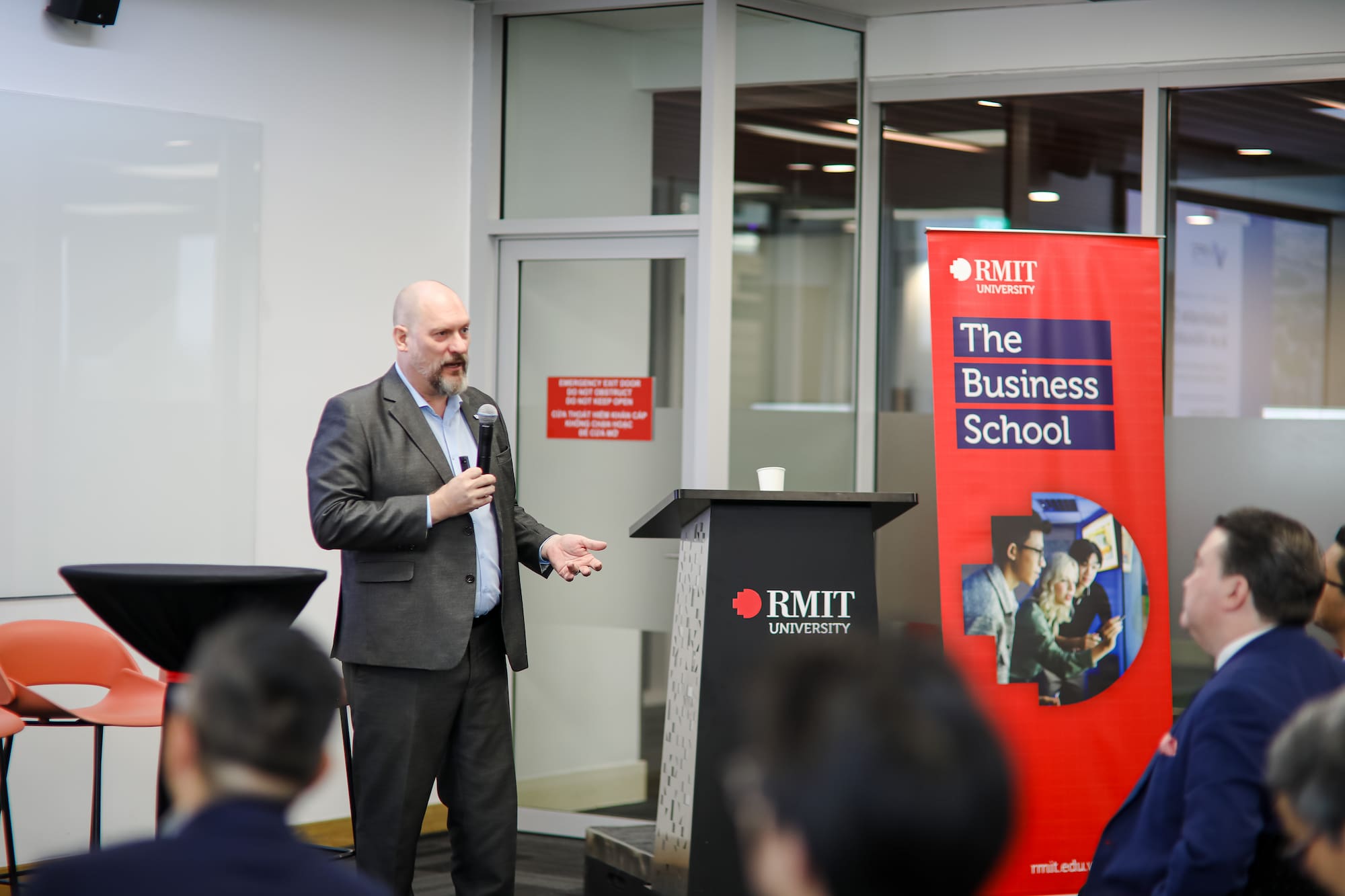
 Former US Ambassador to Vietnam Mr Marc Knapper speaking at the roundtable (Image: RMIT) Former US Ambassador to Vietnam Mr Marc Knapper speaking at the roundtable (Image: RMIT)

Former Ambassador Knapper emphasised transparency, trust and a people-centred approach. This matters beyond domestic policy: international partners also look for dependable standards and responsible use of technology when making long-term commitments. 

Ms Bhambi highlighted the importance of aligning AI adoption with real business challenges. While AI can enhance productivity, the sustainable and responsible implementation of AI requires quality data, robust governance controls, cybersecurity, effective human oversight, and close collaboration between technology developers and the stakeholders impacted by these solutions. 

From the local-government perspective, Dr Nguyen Thanh Hoa highlighted the importance of thinking about the whole system. AI in a city such as Ho Chi Minh City must work alongside public services, common data standards, digital infrastructure and institutional coordination. Mr McClellan returned to the financing question: useful technologies still need credible organisations and projects that investors can understand and evaluate.

Together, the panellists made an important distinction. Using AI is not automatically the same as using it responsibly. Its contribution to sustainability should be judged by whether it improves services, supports better decisions, and produces demonstrable benefits. 

Turning a shared agenda into practical results

ISSD 2026 also featured research sessions on sustainable finance, the circular economy, responsible digitalisation, public governance and other aspects of the sustainability transition. An editors’ sharing session gave researchers, particularly doctoral and early-career scholars, opportunities to discuss how stronger research can reach wider audiences and inform practice.

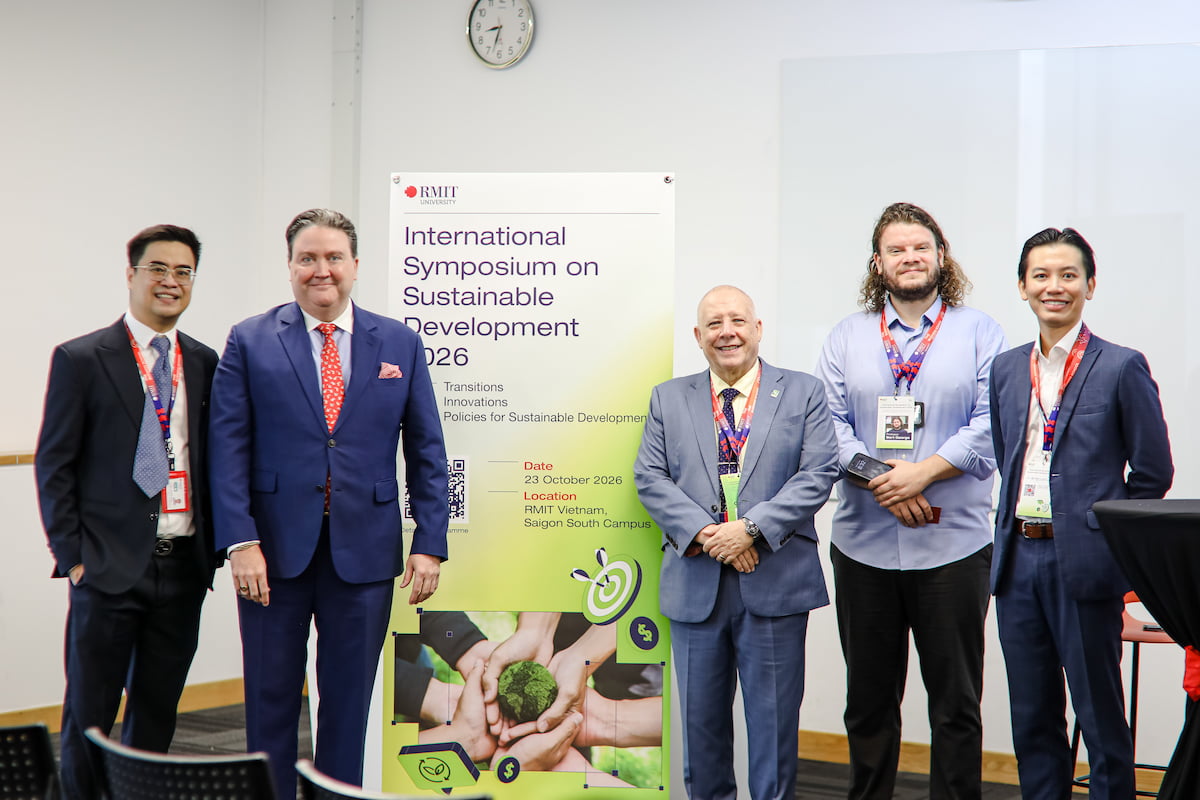
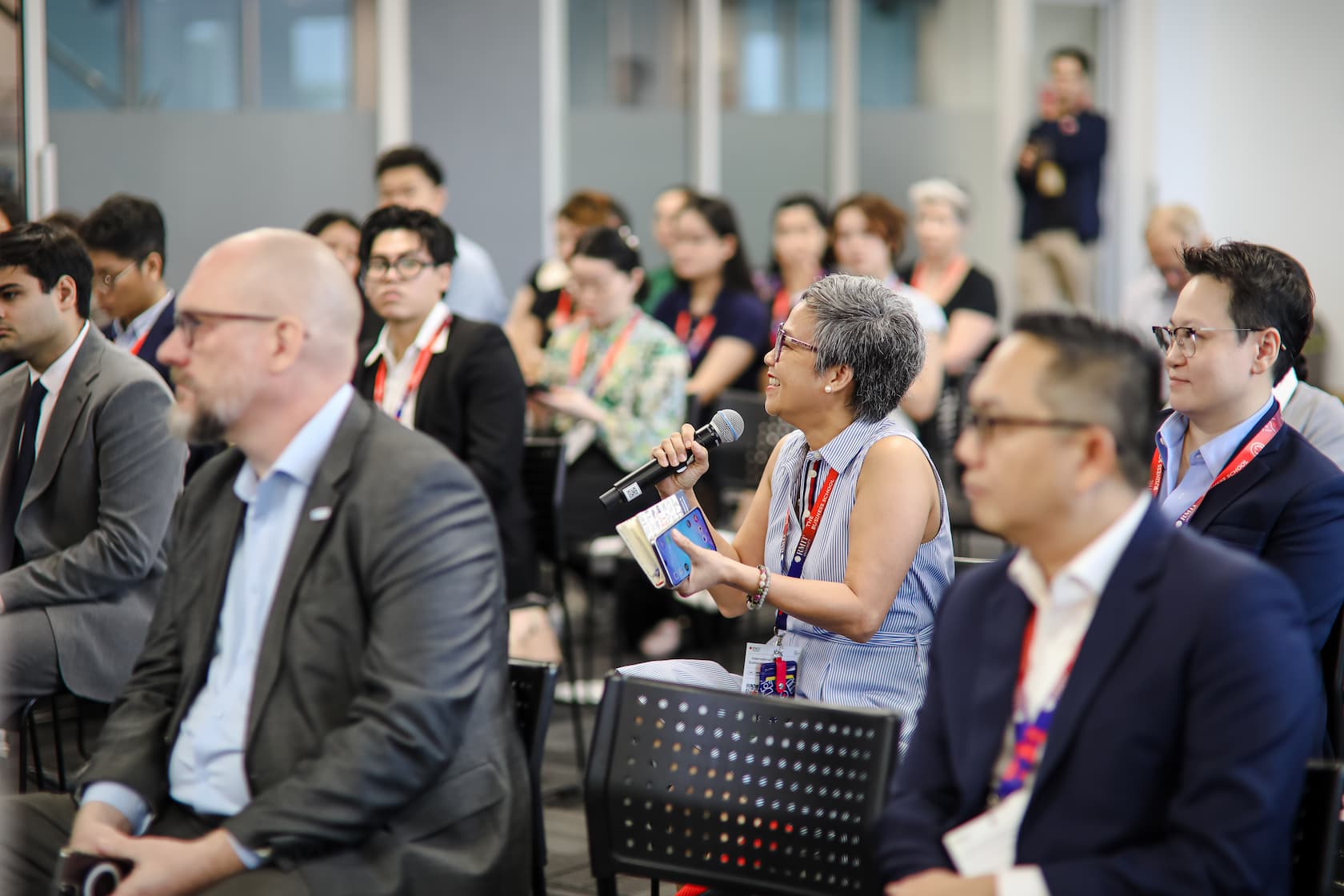
The symposium brought together an international community of scholars, practitioners, and institutions. (Image: RMIT)The symposium brought together an international community of scholars, practitioners, and institutions. (Image: RMIT)

For symposium co-chairs Dr Chu Thanh Tuan and Associate Professor Pham Nguyen Anh Huy from RMIT Vietnam, the wider lesson was the value of bringing different groups into the same conversation. Governments can set goals and improve institutions, but businesses must innovate and deliver. Financial institutions can provide capital, but need credible projects. Universities can supply research, independent evidence and talent, but those strengths matter most when applied to real problems facing communities, firms and policymakers.

The symposium did not offer one simple solution to sustainable development. Connecting policy, finance, technology and people is what will determine whether sustainability moves from aspiration to lasting change.

Share

Related news