Not all internships are created equal

Not all internships are created equal

In a competitive graduate job market, students are under pressure to gain work experience early. According to RMIT lecturer Dr Nguyen Ngoc Nhu Y, the challenge is knowing which experiences genuinely contribute to long-term employability.

More and more entry-level jobs now ask for experience, and students feel the pressure. The assumption is simple: the more experience a CV contains, the more employable its owner becomes.

Yet the reality is more complicated. Experience matters, but some experiences contribute far more to employability than others.

Employers today look for more than technical knowledge. They want people with strong soft skills, a clear sense of what they are good at, and the connections and adaptability to grow in a changing job market. Students therefore need experiences that help them develop all these knowledge, skills and abilities.

Fortunately, valuable experience can take many forms.

Work experience related to a degree or future career, including internships, placements and part-time or seasonal jobs, plays an important role. These activities build applied technical skills. Just as importantly, they let students try on a profession and learn whether it is the right path before they commit to it. In a Swiss study of 13,899 university graduates, those with earlier work experience found their first job about two months faster.

Extracurricular activities such as clubs, sports, volunteering and professional associations can be equally valuable. They may look unrelated to a future job, but employers often read them as evidence of soft skills such as leadership and organisation.

Career development activities, including mentoring, career fairs and networking events, are often the most neglected. Despite this, research suggests they matter not only for finding a job but for finding a good one. They connect students with people who can open doors, and they help them understand their own strengths and weaknesses so they can choose a job that fits them.

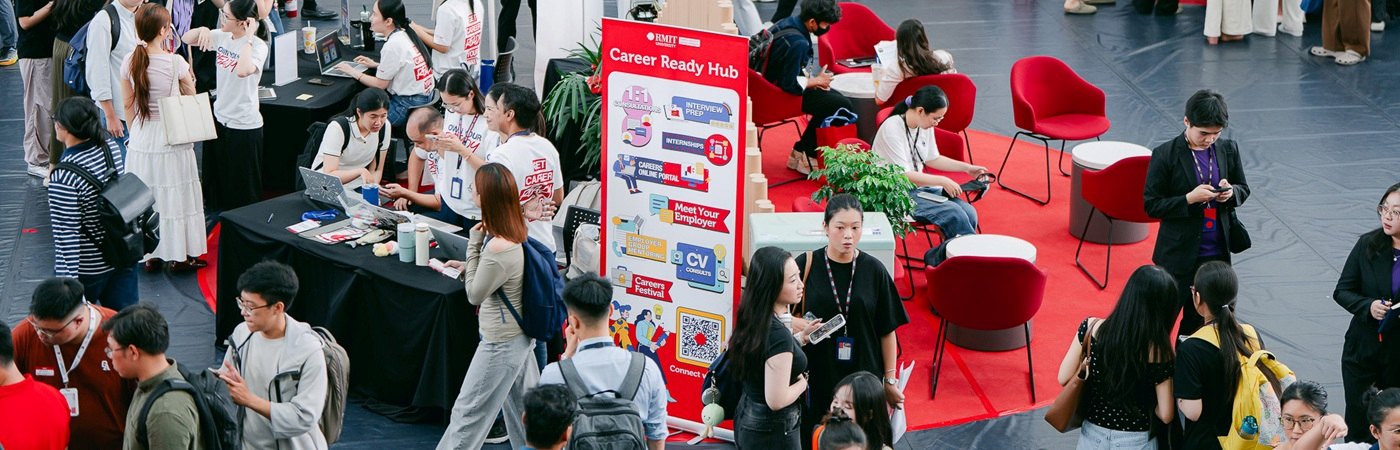
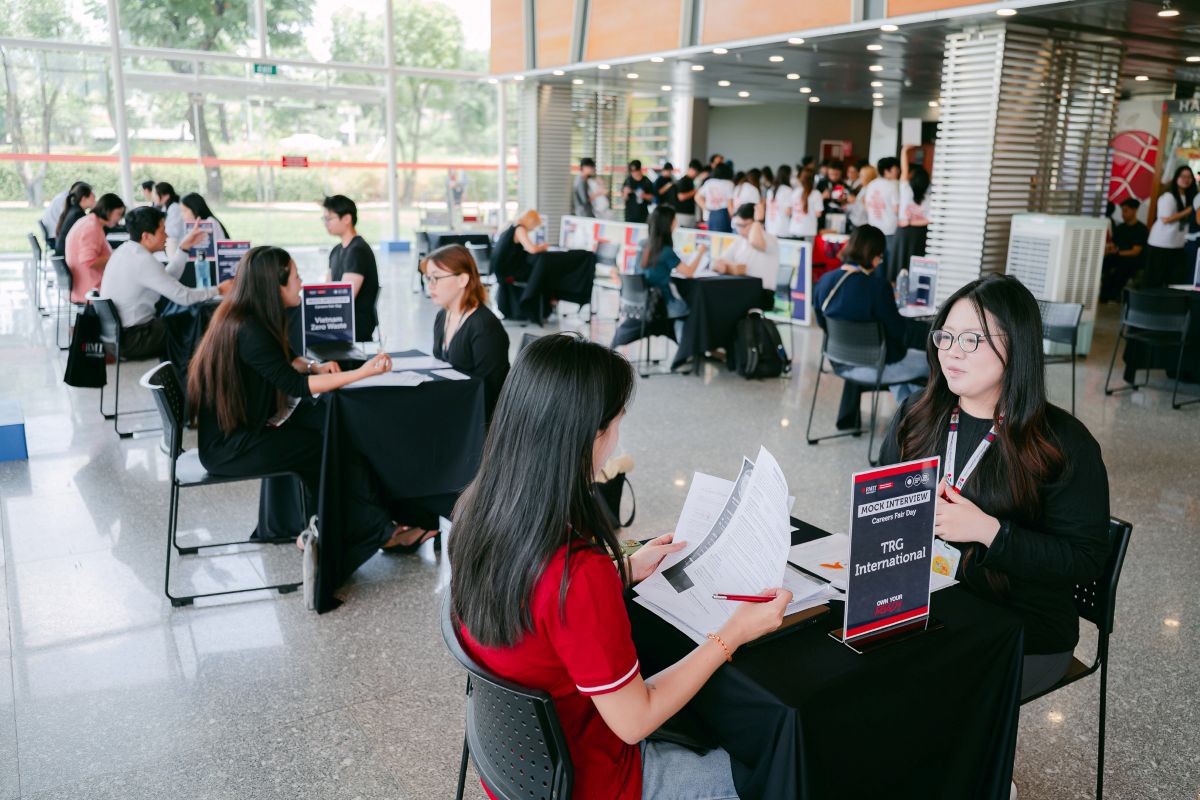
Students in mock interviewsAt RMIT's annual Careers Festival, mock interviews offer a chance for students to test their skills and connect with potential employers. (Photo: RMIT)

Looking beyond job titles and activity lists

What separates a valuable experience from a CV filler is not the title or how long it lasts. A valuable internship, part-time job, volunteer role or club activity should have at least three characteristics.

First, it should offer skill variety. The role should allow students to use and develop a range of skills, rather than repeat the same tasks over and over. An intern who researches, writes and presents will learn far more than one who only files documents.

Second, it should provide continuous feedback. Someone should regularly explain how the student is doing and how they can improve. Without feedback, they may repeat the same mistakes and never find out what they are good at.

Third, it should have some degree of career relevance. Research shows that work that matches the intended career shows employers a clear fit and helps with job search, while long hours in an unrelated job add little to career prospects.

But even if a part-time job has nothing to do with the degree, it can still offer meaningful skill development opportunities.

Many students serve in cafés and restaurants, work in shops or tutor younger children out of financial necessity rather than strategic career planning. Yet they can still make the most of these experiences if they deliberately treat the job as more than a wage.

First, they should notice the skills they are already building. Dealing with a difficult customer teaches communication and calm under pressure. A busy Saturday shift teaches teamwork. Tutoring teaches how to explain ideas clearly and plan ahead. Research shows these skills can carry over to graduate jobs.

Then, if they find that the job teaches little, they can try to redesign it. They can change their tasks by asking to take on something new, such as handling the till instead of just serving food. They can change who they work with by spending more time alongside an experienced colleague. And they can change how they see the job by treating every customer as practice for the client meetings in their future career.
Two young women in an officeStudents can gain valuable skills through different types of work experience. (Photo: Pexels)

Choosing experiences that fit one’s goals

For students deciding how to spend their limited time, there are four key questions that they can ask themselves to judge whether an opportunity will help them build skills, confidence, and future career prospects.

“What am I good at?” They should think about the tasks they finish quickly, the things friends ask them for help with, and the moments they feel most confident. These are the strengths to build on.

“What do I still need to learn?” They should be honest about their gaps. If speaking in front of people frightens them, or they have never worked in a team, that tells them what kind of experience to look for next.

“What kind of career do I want?” A rough direction is enough, such as working with people, with numbers or with ideas.

“Does this opportunity fit my answers?” A good one lets them use a strength, close a gap, or test a career they are curious about. If it does none of these, their time is better spent elsewhere.

A valuable experience is not necessarily the most prestigious one. Often, it is the one that helps students develop new skills, receive feedback, understand their strengths and weaknesses, and gain a clearer sense of where they want their career to go. In a competitive graduate labour market, these are the experiences that contribute most to long-term employability.

Story: Dr Nguyen Ngoc Nhu Y, Lecturer in Human Resource Management, The Business School, RMIT University Vietnam

12 November 2026

Share

Related news