Vietnam’s economy amid the global shift towards risk-taking for growth

Vietnam’s economy amid the global shift towards risk-taking for growth

As the global economy enters a phase of looser regulation and higher risk tolerance during 2024–2026, Vietnam is facing significant opportunities. However, these come with structural challenges, according to Dr Chu Thanh Tuan from RMIT Vietnam.

Growth opportunities from exports and FDI 

Many international organisations forecast that Vietnam will remain among Asia’s fastest-growing economies in the coming years. A key driver is the ongoing global supply chain reconfiguration, as multinational corporations diversify production away from China. With advantages in labour costs, geographic location and an extensive network of free trade agreements, Vietnam continues to be an attractive destination for foreign direct investment (FDI).  

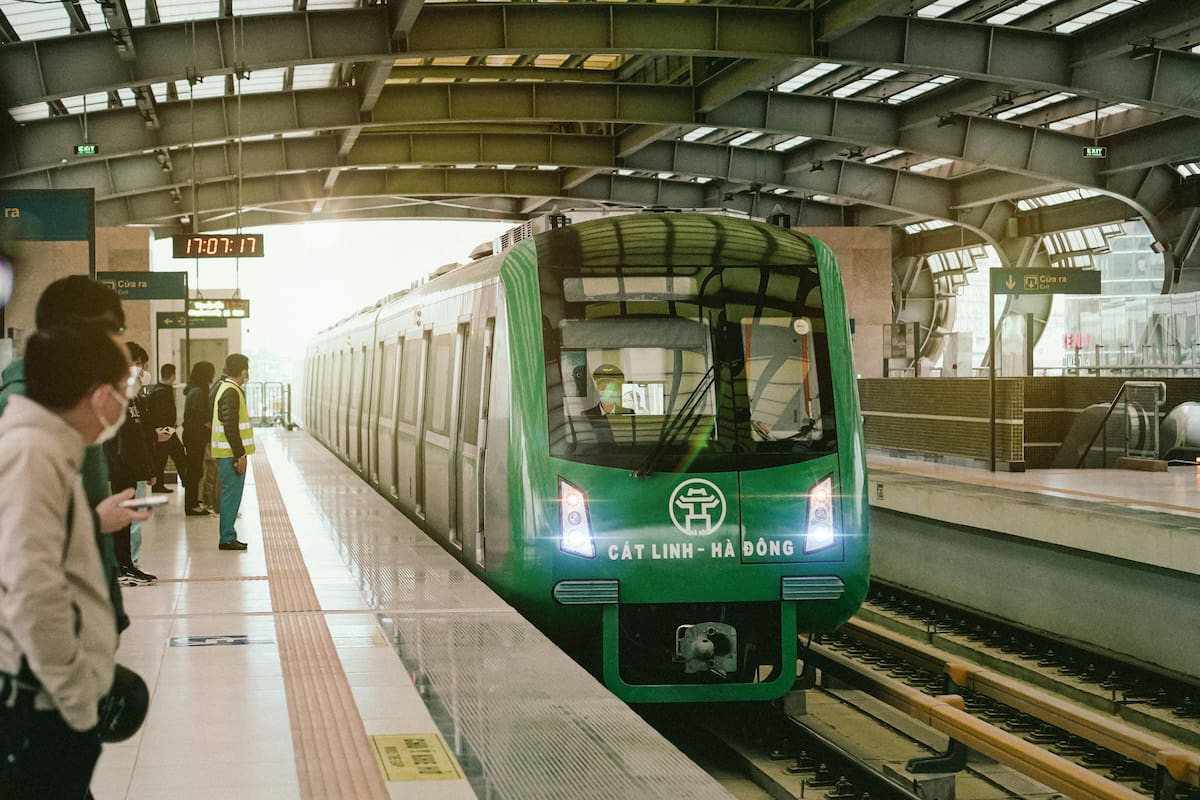
What lies ahead for Vietnam’s economy amid the global shift towards “risk-taking for growth”? (Image: Pexels) What lies ahead for Vietnam’s economy amid the global shift towards “risk-taking for growth”? (Image: Pexels)

As major economies ramp up overseas investment, Vietnam has further opportunities to attract new projects in manufacturing, energy and infrastructure, while gradually gaining access to high-tech and research and development projects. If the global economy maintains momentum under a “risk-taking for growth” scenario, consumption and investment demand from major markets such as the United States, Europe, Japan and South Korea will continue to support Vietnam’s exports. 

A vulnerable foundation 

Despite the positive outlook, Vietnam’s growth model still reveals fundamental weaknesses. 

First, there is a high level of external dependence. Exports and FDI account for a large share of economic growth, making the economy highly sensitive to global fluctuations. If major economies fail to manage risks and fall into recession or financial crisis, orders and capital inflows into Vietnam could decline sharply, as seen previously in sectors such as textiles and electronics during global slowdowns.  

Second, domestic value added remains limited. Many key export industries are still focused on processing and assembly, relying heavily on imported components, technology, and design. As a result, the value retained domestically is relatively low, while businesses face growing pressure from higher environmental and labour standards in export markets alongside shrinking profit margins. 

Third, population ageing is accelerating. Vietnam is entering an ageing phase at a rapid pace, raising the risk of getting old before getting rich. If labour productivity and average incomes do not improve sufficiently over the next ten to 15 years, the social security system will face mounting pressure as the number of beneficiaries grows faster than contributors. This represents a resource allocation shock between contributors and recipients that many advanced economies have experienced. 

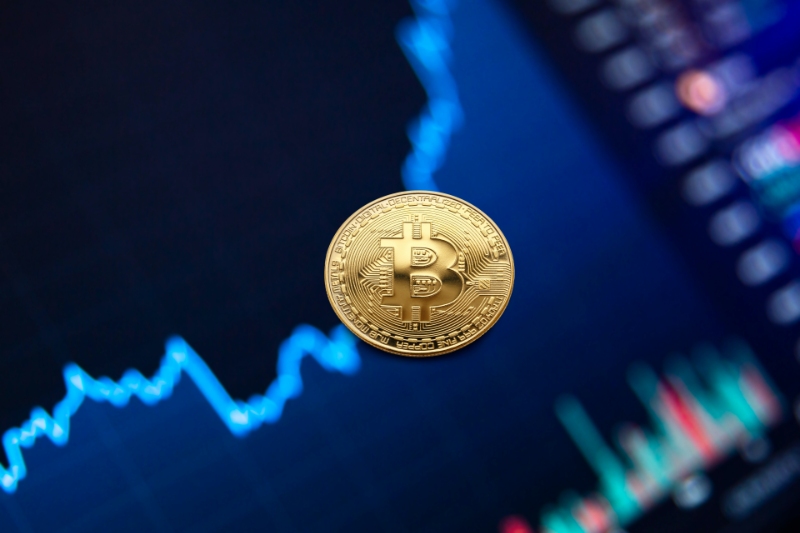
Vietnam is facing structural economic challenges that require careful strengthening of internal capacity to mitigate medium- and long-term risks. (Image: Pexels) Vietnam is facing structural economic challenges that require careful strengthening of internal capacity to mitigate medium- and long-term risks. (Image: Pexels)

Using favourable conditions to strengthen internal capacity 

As the world becomes more willing to accept higher risks to stimulate growth, Vietnam can hardly stand aside from this trend. However, unlike larger economies, Vietnam has more limited policy space, particularly given its dependence on external capital and markets. 

One critical approach is to use the current favourable period to invest in long-term foundations. Revenue from exports and FDI should be prioritised for infrastructure, education, healthcare, digital transformation and human capital development, rather than being overly concentrated in short-term speculative sectors. The goal is to lift labour productivity and technological capability, strengthening the economy’s resilience when the global cycle turns. 

At the same time, fiscal discipline and banking system stability must be maintained. While major economies can afford to take greater risks thanks to their scale and ability to issue debt in their own currencies, Vietnam has limited room for extreme easing experiments. Chasing cheap global capital while loosening risk controls could create serious instability down the track.  

Finally, market diversification and upgrading the position of domestic firms in global value chains are essential. Reducing reliance on a small number of markets or industries and encouraging local businesses to move into higher value-added segments such as design, marketing and after-sales services, will help retain more value domestically and reduce vulnerability to external shocks. 

Preparing without overreaching 

The global trend of “growth first, risks later” is gaining momentum. For Vietnam, this presents both an opportunity to accelerate and a test of governance capacity and long-term vision. Failing to innovate or take calculated risks could lead to gradual stagnation. Yet embracing risks without strengthening internal foundations or building fiscal, banking and institutional safeguards could lead to even faster failure. 

As the world enters a phase of risk-taking in pursuit of growth, Vietnam has a chance to move faster. But this momentum will only be sustainable if the coming years of favourable conditions are used to reinforce the foundations, rather than simply chasing short-lived waves. 

Story: Dr Chu Thanh Tuan, Associate Program Manager of the Undergraduate Business Programs at RMIT Vietnam
Related news