
The velocity of AI vs. the depth of artist soul
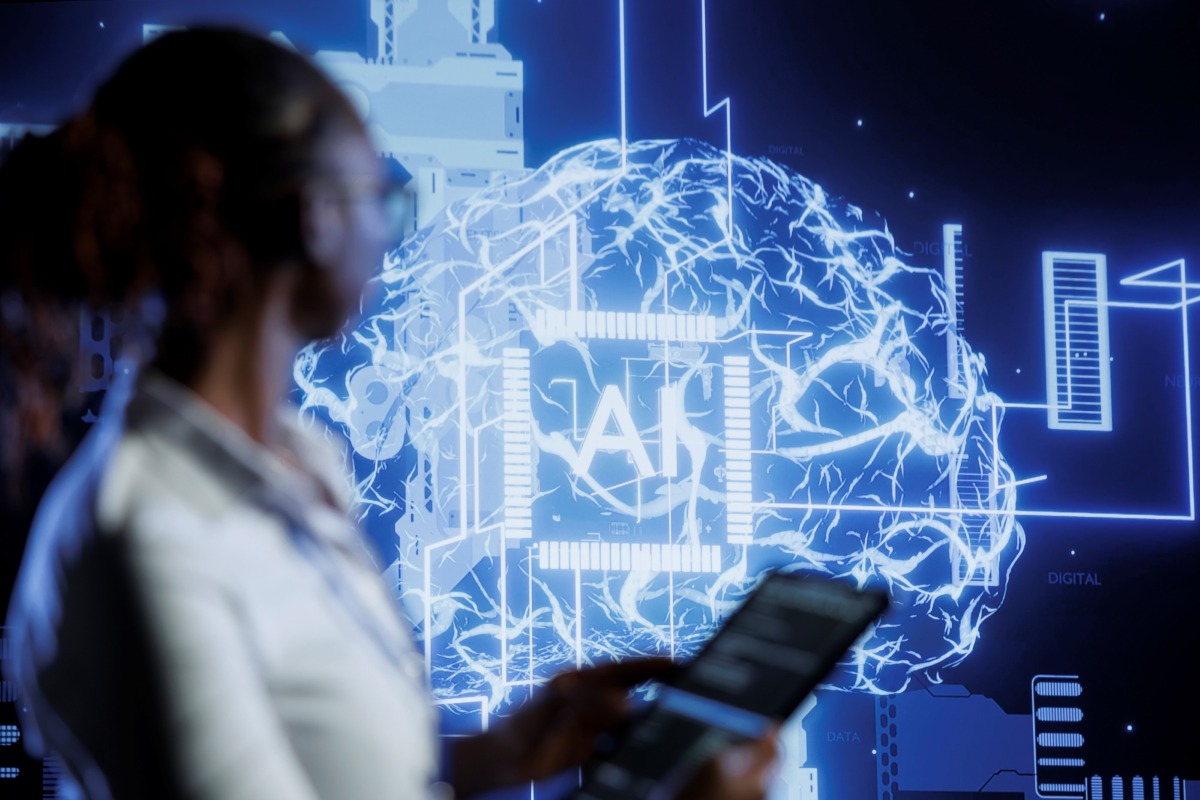
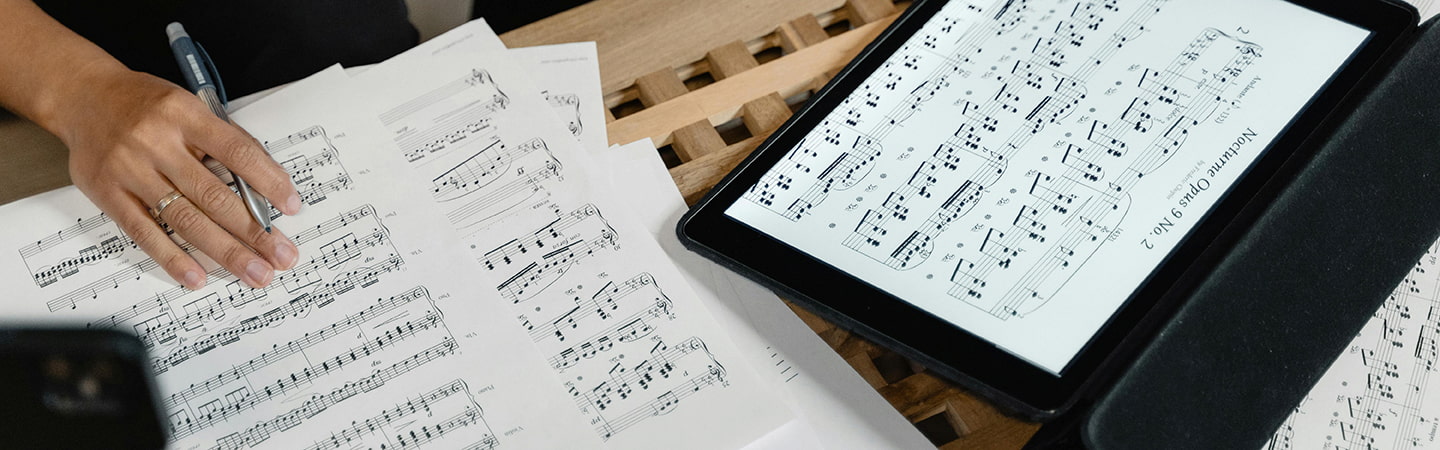
AI commands an unassailable advantage in terms of speed and cost efficiency. Complex arrangements and orchestrations, which traditionally demand days or even weeks of meticulous polishing by professional teams in high-end studios, can now be delivered by algorithms in mere minutes, at a fraction of the cost.
This prowess has positioned AI as the undisputed ruler of the "functional music" sector. It is rapidly dominating segments such as advertising jingles, background tracks for short-form videos, and derivative genres like lo-fi or meditation music, arenas where utility and rapid turnover are prioritised over artistic nuance.
However, when crossing into the realm of true artistry, AI exposes its Achilles' heel: the perpetual void of lived experience required to breathe soul into a composition. Fundamentally, AI operates on statistical probability, synthesising millions of historical data points to generate output. Yet, this remains a mere simulation, never a genuine expression of the human condition. Audiences get emotional not simply by a beautiful melody, but by the personal narrative and vulnerability embedded within it. It is a profound resonance between the artist’s memory and the audience’s empathy, a connection that a soulless algorithm can neither comprehend nor replicate.
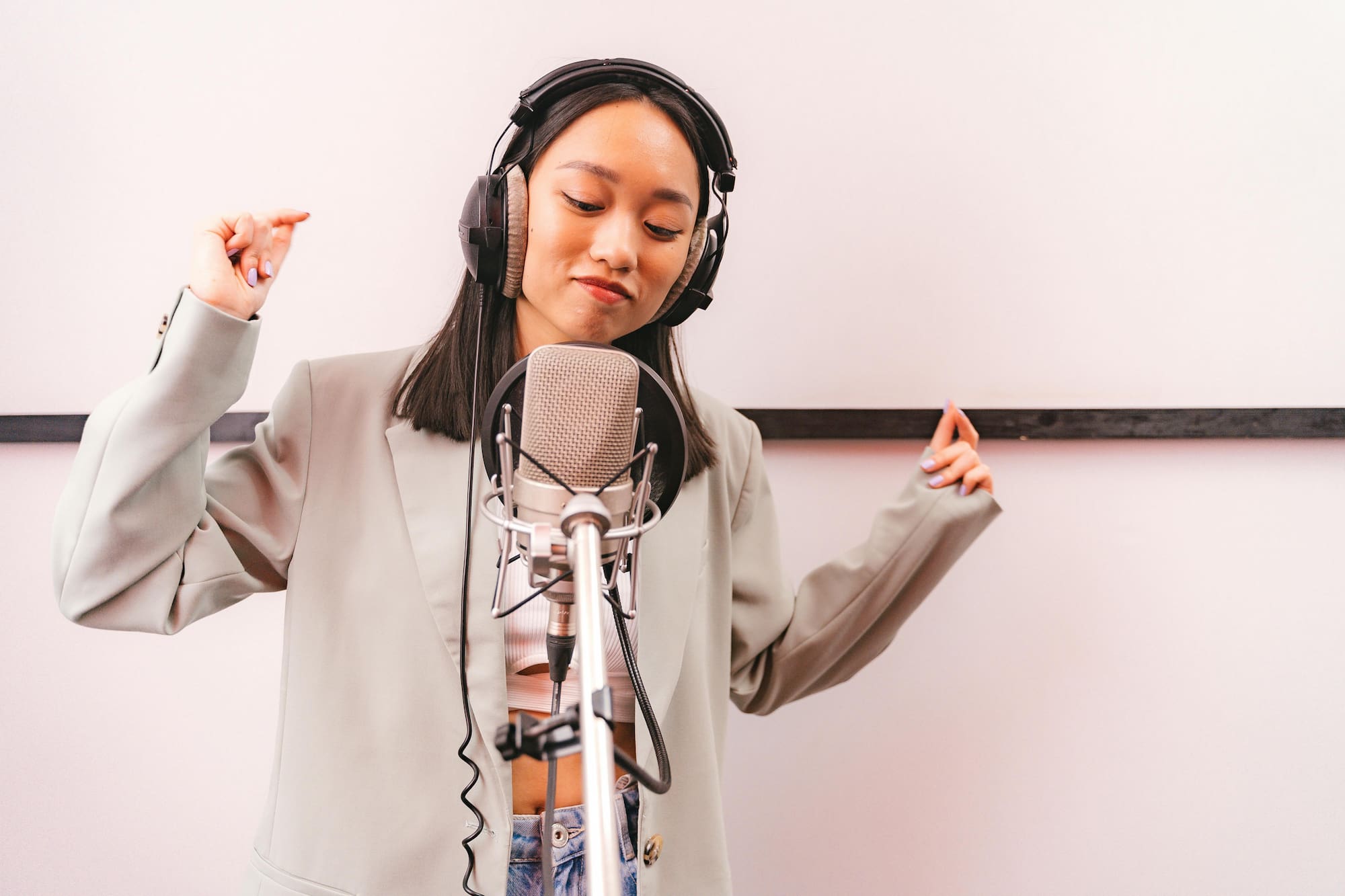
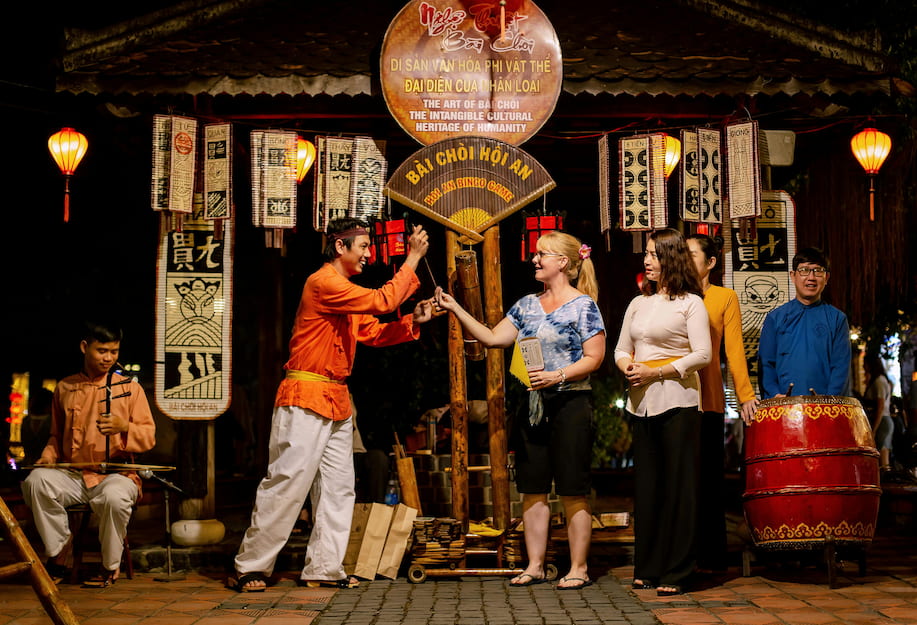
More importantly, AI cannot replace the unique artistic signature of a human creator. While algorithms strive for structural perfection and standardised outputs, artists derive beauty from imperfection. A sharp intake of breath, a voice cracking with raw emotion, or an improvised, off-beat phrasing – these are the flaws that define the soul of a masterpiece. AI cannot mimic this interpretive nuance, which is forged from deep cultural roots, personal life experiences, and the spontaneous euphoria of live performance.
However, consumer behaviour is shifting. Beyond their loyalty to idols and familiar hits, audiences are increasingly receptive to novel tracks and experimental remixes curated by streaming algorithms. Consequently, professional artists face a compounding pressure. They are no longer merely vying against peers for chart positions; they are now competing for the audience's limited time and attention against an infinite deluge of anonymous, AI-generated tracks. As the supply of music approaches infinity, the intrinsic value of individual compositions risks significant commoditisation.
Furthermore, the ethical foundations of generative models like Suno and Udio remain contentious. These platforms are trained on vast datasets of copyrighted material, often without the consent or compensation of the original creators. In Vietnam, the artistic community has begun to raise alarm over the "intellectual theft" of their creative output to fuel these algorithms. While recent amendments to the Intellectual Property Law mark a timely step forward, the lack of specific enforcement guidelines leaves a critical gap. Currently, artists bear the brunt of this regulatory lag, standing vulnerable as their vocal timbres and stylistic signatures are openly mimicked for commercial gain.