Equity and access to maternity leave
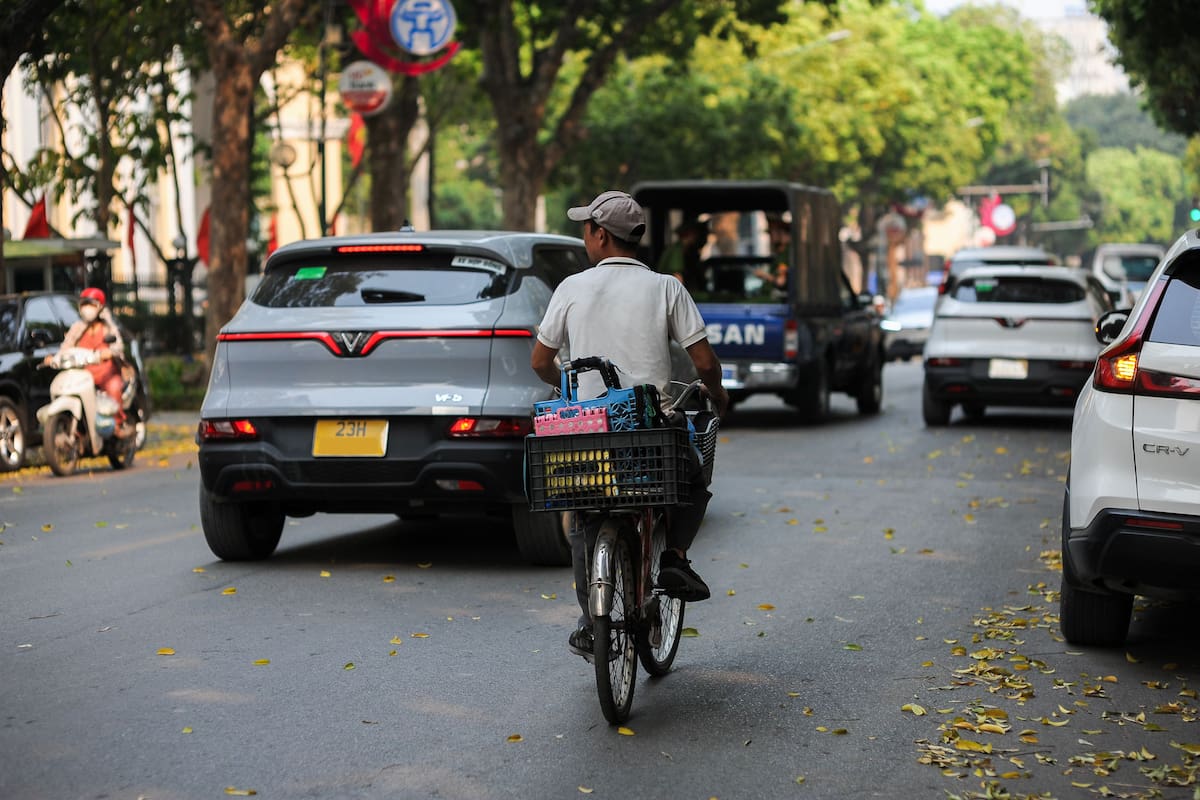
Access to the new seven-month maternity leave entitlement is shaped by social insurance coverage, raising equity concerns for women outside formal employment. While workers on formal contracts are eligible, many women work in the informal sector, including street trading and e-commerce entrepreneurship.
Formalising the informal sector must therefore include extending social insurance and paid maternity leave. Maternity leave should not reduce women’s income or pension contributions, as this undermines women’s rights and risks widening existing gender gaps in retirement incomes across Vietnam and the ASEAN region.
Robust evidence is essential for effective policymaking. Stereotyping care work as a natural role for women and treating unpaid care as a private family duty both risk excluding women from ongoing participation in the labour market. Addressing maternity leave policy settings is an issue of equity for women, where appropriate resources are allocated based on need (equity), rather than equally allocating resources to all regardless of need (equality).
Disaggregated data is critical to the development and monitoring of sound, evidence-based policies in Vietnam. Data broken down by gender, age and other dimensions is needed to fully understand society’s paid and unpaid care needs, and to inform policymakers about whether policies continue to meet those needs over time.
Building a comprehensive care economy
Returning to work after maternity leave presents challenges, if workers are not supported by flexible options such as returning to work part-time, adjustable working hours, and options for remote working.
For workers in organisations, workplaces can invest in on-site childcare services or subsidise their employees’ childcare costs as part of an employer incentive package designed to retain women workers.
For entrepreneurs and self-employed people, social insurance and tax benefits can support them to access appropriate childcare services.
For all workers, family-friendly paid parental leave that includes transferrable care days for grandparents and friends and maternity leave credits prior to taking leave would help build a sustainable, equitable and inclusive care system in Vietnam.
Addressing maternity leave is a priority, but it is one among many care needs in society. Comprehensive policy must address not only the economic dimension but also the social and emotional needs of the caregivers and the children and elders they care for.
All workers should be supported by care leave policies regardless of employment status. All parents no matter their gender, sexuality, age, or partner status should be supported by appropriate policies so that no one is left behind in society and the next generation grow up in a fair and equitable world.
Story: Associate Professor Catherine Earl, School of Communication & Design, RMIT Vietnam