


Preparing for Vietnam’s silver economy starts now

Preparing for Vietnam’s silver economy starts now

Vietnam has less than a decade before becoming an aged society. An RMIT expert says the country must build a comprehensive care economy to meet future demand.

Vietnam faces a critical question: who will care for its rapidly growing older population? Associate Professor Catherine Earl from the School of Communication & Design at RMIT Vietnam believes the answer lies in developing a comprehensive care economy that extends well beyond hospitals and nursing homes, creating new jobs, supporting families and opening opportunities for innovation and economic growth. 

A new economic opportunity 

Across the Asia-Pacific, unpaid care work has been valued at around US$3.8 trillion. Meanwhile, Vietnam's silver economy, centred on home-care solutions, is forecast to almost double in value from US$2.6 billion in 2023 to US$4.8 billion by 2034. 

“The development of the 'silver economy' is one of the significant shifts Vietnam is undergoing in the first quarter of the twenty-first century, along with rapid urbanisation, shrinking family size, and the rapid ageing of the population.” 

According to Associate Professor Earl, a model for the care economy should not focus only on social welfare provision but on the development of a sustainable and holistic care economy. Multiple pillars of the care economy should be integrated and supported to respect and support elders.

Associate Professor Earl also points to Indonesia's recently launched Care Economy Roadmap as one example Vietnam could learn from. The Indonesian strategy combines childcare, long-term care, gender equality and workforce development, with the International Labour Organization estimating it could create around 10.4 million jobs by 2035.  

She highlights that many important aspects of care remain overlooked. “Areas of the care economy that may remain invisible include addressing mental health and wellbeing of older adults, early onset dementia at work, quality end-of-life care, lifelong learning, exercise, diet, friendship groups, social support programs, and intergenerational care catering to elders and children.”

Vietnam approaches the threshold of becoming an aged society within the next decade. (Image: Maginific)Vietnam approaches the threshold of becoming an aged society within the next decade. (Image: Maginific)

Building tomorrow's care workforce 

Developing a sustainable care economy will require an equally significant transformation of Vietnam's workforce. 

Associate Professor Earl proposes three complementary policy priorities: flexible workplace training, new formal qualifications and targeted skilled migration.  

“Three interconnected policy solutions would assist in meeting the urgent need for workforce development. First, workplace training is a key.” 

She believes micro credentials – short, skills-based learning modules assessed in the workplace – could rapidly expand the capabilities of carers while providing recognised qualifications. 

“Micro credentials are useful because they develop up-to-date skills in a flexible way." 

This approach could be particularly valuable in Vietnam's rural communities, where around 70 per cent of older people live and formal support services remain limited. Many women already provide extensive family care without formal qualifications, and micro credentials could recognise and strengthen these existing skills.  

Associate Professor Earl also believes universities and vocational education providers should expand programs in disciplines that support the care economy. “As Vietnam builds its capacity in transnational education, care economy training could become a major attractor of international students.” 

She suggests retraining programs for mid-career workers and women returning to paid employment could help address future workforce shortages while creating attractive new career pathways. 

In the short term, she says Vietnam should also consider targeted high-skill migration to recruit experienced geriatric specialists and other professionals while domestic capacity is being developed.  

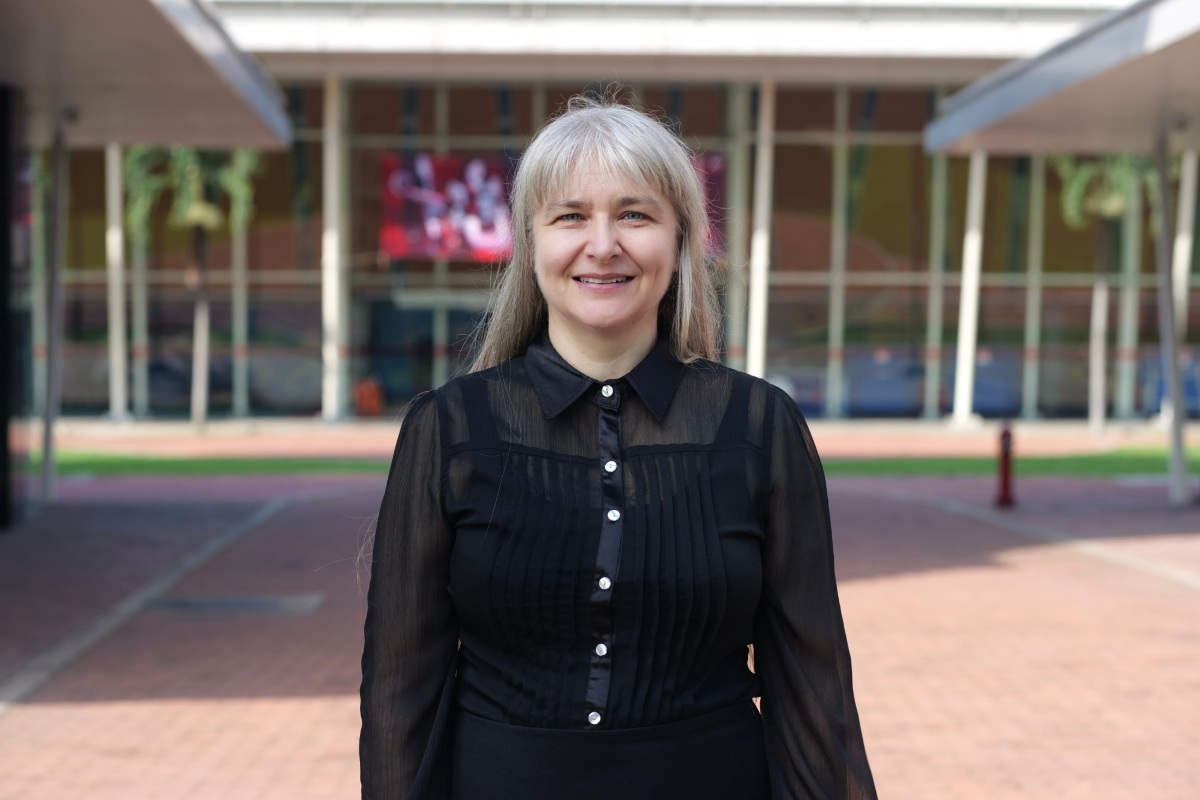
Catherine Earl photoAssociate Professor Catherine Earl, School of Communication & Design, RMIT University Vietnam

Supporting families, not replacing them 

While professional services will become increasingly important, Associate Professor Earl emphasises that family-based care should remain at the heart of Vietnam's care system. 

“Family-based care is the norm for elder care in Vietnam and other countries in Asia. It should not be regarded as a problem. Most older adults prefer in-home care than institutional care homes.” 

Rather than replacing family carers, policy should focus on supporting them through better training, community services and more equitable sharing of caring responsibilities.  

According to her, care work should be distributed across genders and generations so that women are not responsible for most of the care work. 

“This would require social acceptance of two faces of care work. First, society needs to accept new care roles of men. Second, society needs to understand and encourage a change in normative expectations about women's labour force participation to free them from the double burden of paid and unpaid work.” 

Various countries have tried new models for the care economy. In 2024, the World Economic Forum highlighted projects like Care Blocks in Bogotá, Colombia’s capital city, which provide day care programs for older adults and job seeking support for care workers; the Netherlands' Buurtzog care model in which qualified nurses self-manage their caseloads at neighbourhood level; and Paraguay’s digital care management platform that extends the reach of services to remote locations and places that have workforce shortages.  

Many of the care economy programs target supporting women who disproportionately provide care services and often aim to overcome barriers to increase women’s labour force participation.   

AgeTech offers the next frontier 

Beyond workforce development, Associate Professor Earl believes the silver economy presents significant opportunities for technology innovation. 

“Besides the care economy, the emergence of a new economy centred on the digital transformation of ageing offers opportunities for young tech savvy people and entrepreneurs to contribute to the silver economy development and to supporting the ageing population to age well.” 

She sees strong potential for e-health platforms, digital communication tools and other AgeTech innovations innovations to improve quality of life for older adults, particularly as Vietnam's population continues to age. 

However, she cautions that technology alone is not enough. Successful adoption will depend on reliable internet access, technical support and training that helps older people confidently use digital tools independently. At the same time, ethical safeguards must ensure technology enhances rather than undermines older people's autonomy and privacy.  

Looking ahead, Associate Professor Earl believes Vietnam has an opportunity to redefine how society values care. 

“Shifting the dial on elder care from being regarded as unpaid work or a service to an economic pillar and responsibility of the whole society would normalise and demystify elder care.” 

She suggests employers could also play a larger role by incorporating elder-care training and volunteering into corporate social responsibility initiatives, recognising that caring responsibilities increasingly affect workers across every sector of the economy.

Story: June Pham

Related news