
The missing link between climate policy and action
Communication and design
30 Sep 2026
Climate goals may begin with governments, but real change depends on millions of everyday decisions. Research from RMIT Vietnam reveals how cities can inspire people to join the journey.

How food waste became a question of shame
Communication and design
29 Sep 2026
From lavish feasts to family kitchens, an RMIT University study reveals how Vietnamese media turns food waste into a story about shame and social judgement.

Is Vietnam's film industry too focused on chasing blockbusters?
Communication and design
25 Sep 2026
Between blockbusters and art-house films lies an overlooked middle ground that could represent the next frontier for Vietnamese cinema.
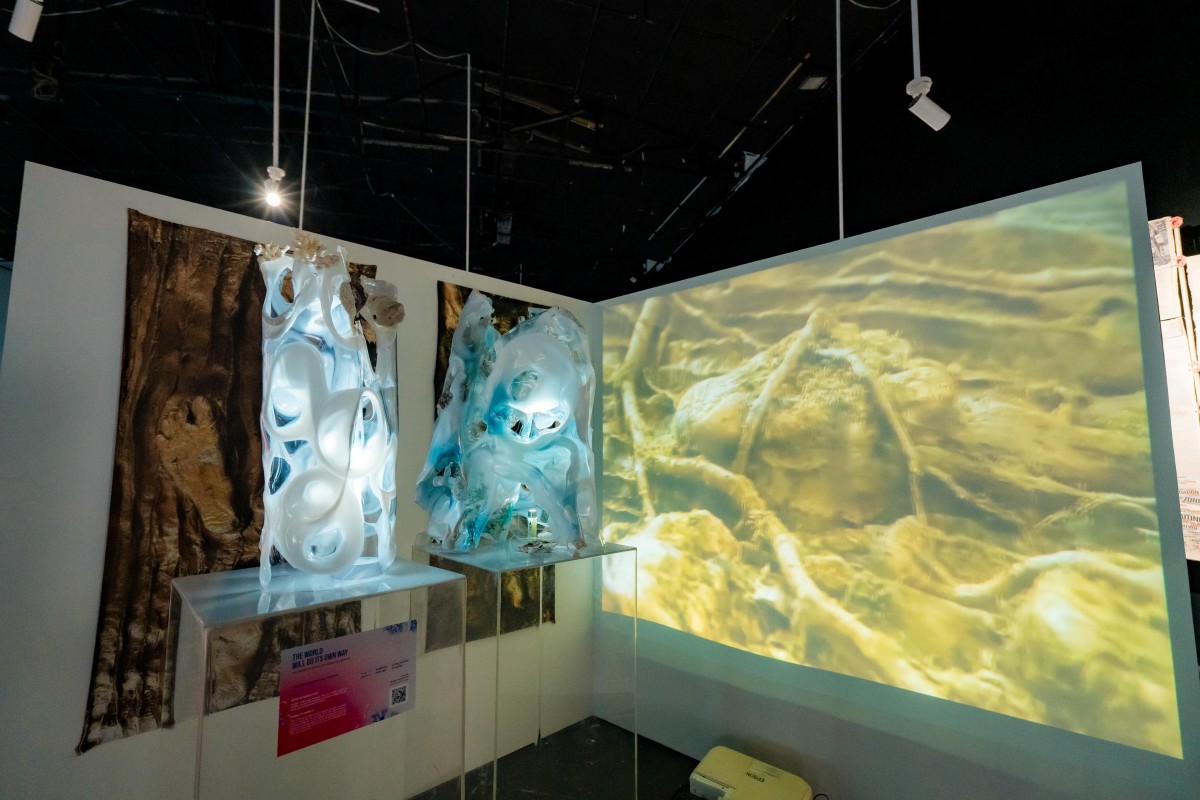
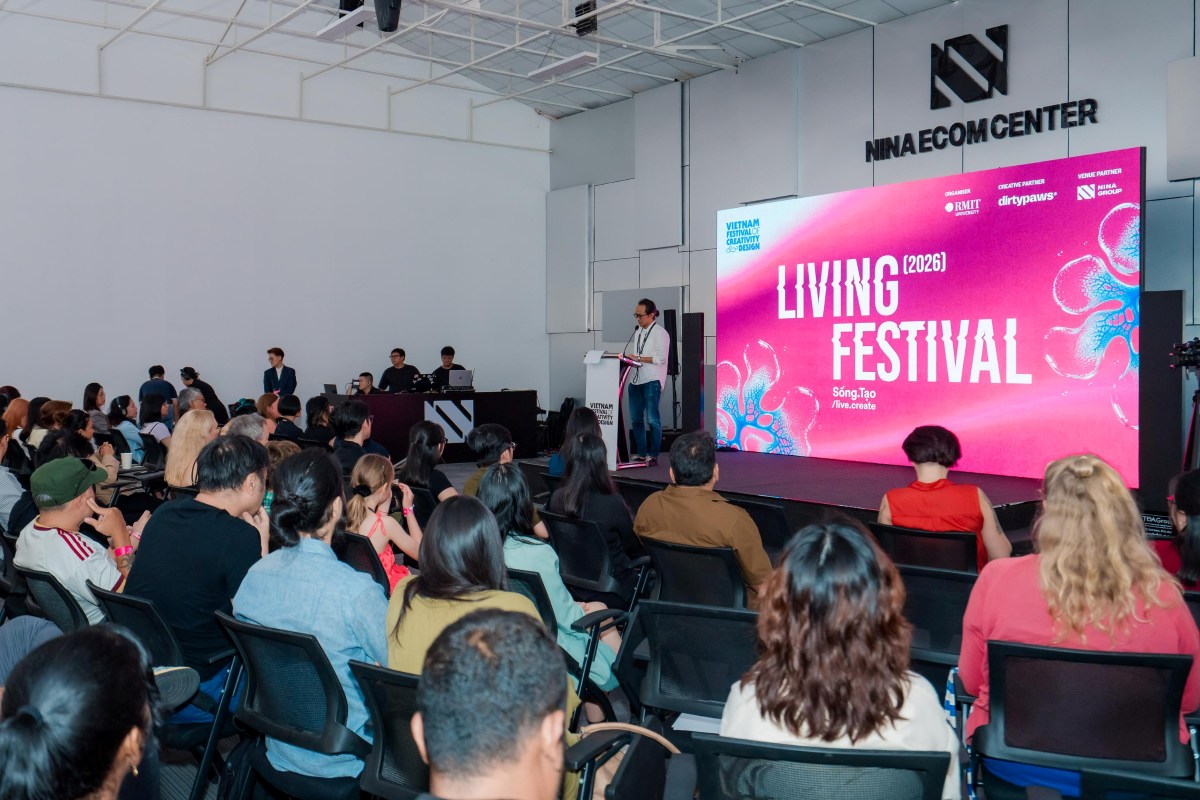
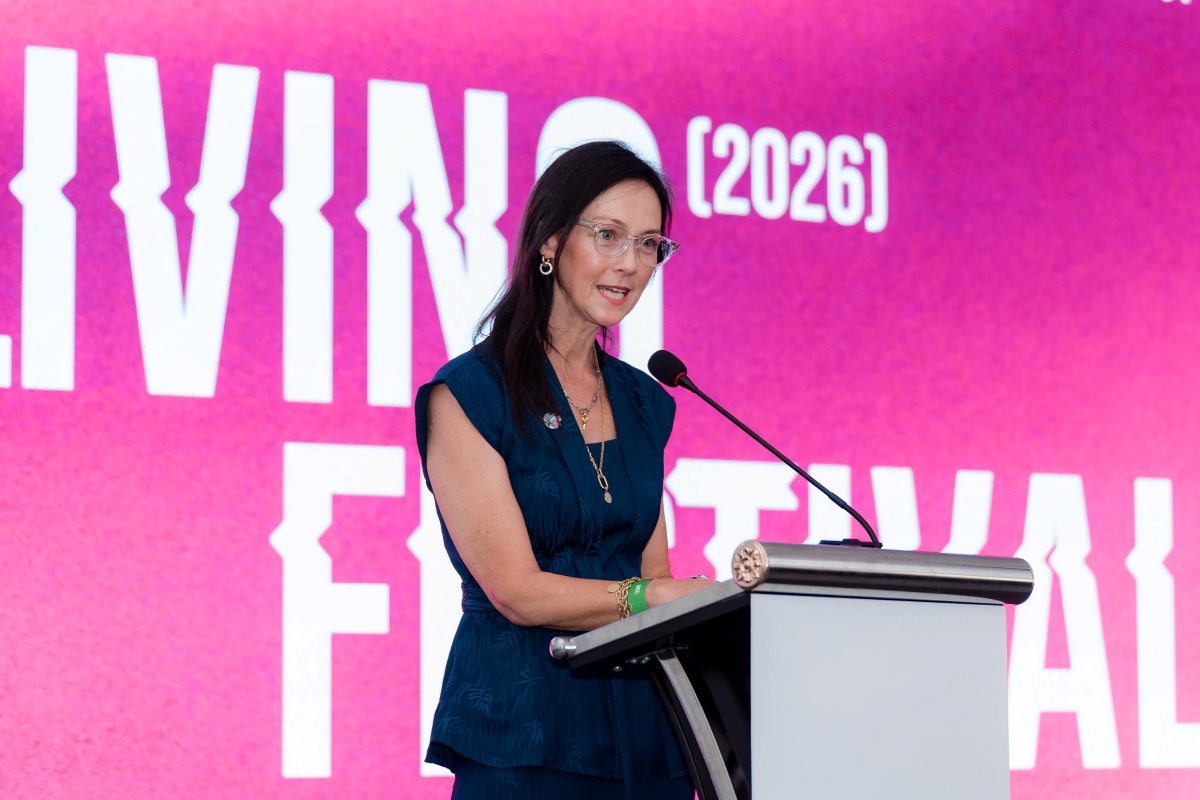
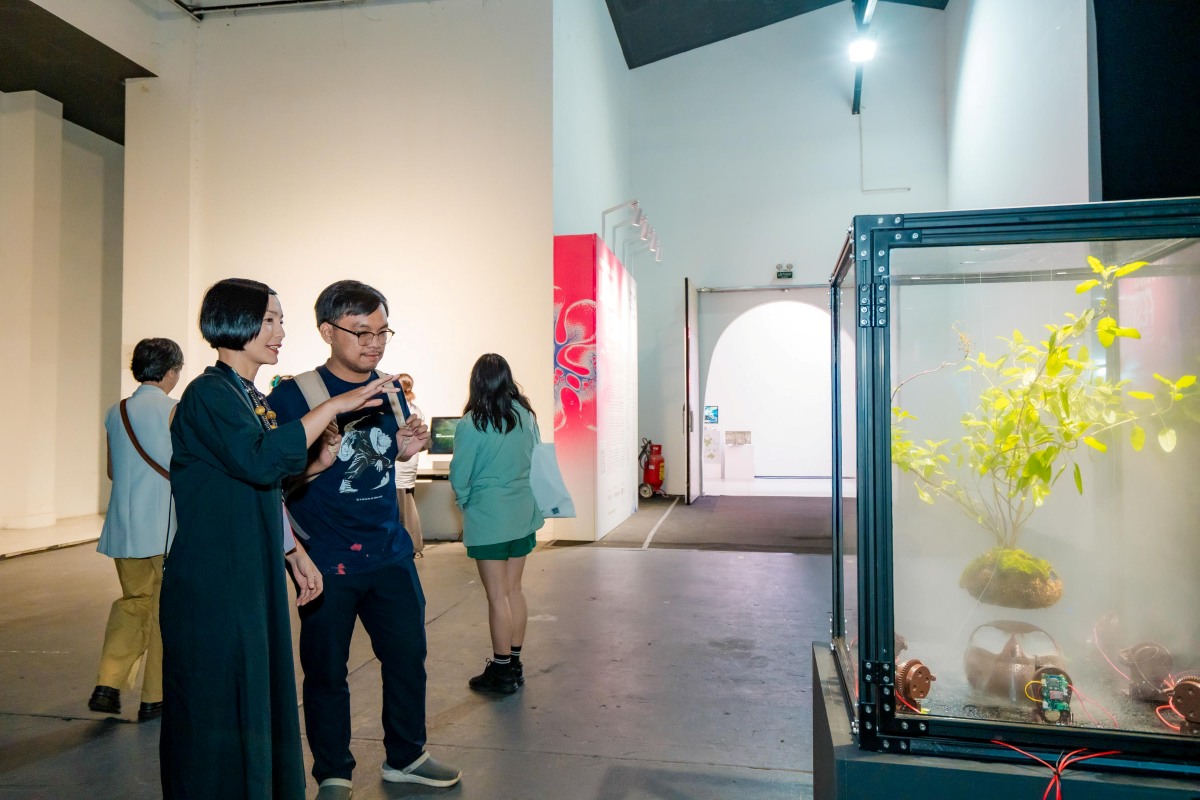
Living Exhibition opens Vietnam Festival of Creativity & Design 2026
Communication and design
21 Sep 2026
The Living Exhibition launched at Nina Next Space in Ho Chi Minh City on 21 September, bringing together over 25 projects and 75 artists, photographers and designers from Vietnam and more than 20 countries.