
Creative hackathon showcases new model for creative talent development

Creative hackathon showcases new model for creative talent development

As Southeast Asia's creative economy grows, developing talent calls for new ways of connecting creativity, culture, entrepreneurship, and cross-border collaboration.

When 40 students from six institutions across Vietnam, Singapore, and Malaysia gathered at RMIT’s Saigon South campus for the Creative DNA Hackathon earlier this month, they were given a challenge that extended beyond a typical hackathon.

Working in multicultural teams, participants developed new creative intellectual property (IP) concepts inspired by local stories, traditions and cultural identity while learning practical approaches to entrepreneurship, commercialisation and market development under the guidance of mentors from the creative industries.

Organised by RMIT Vietnam’s School of Communication & Design and creative agency Project Pluto, the Creative DNA Hackathon formed part of a broader initiative designed to help emerging creative talent transform local ideas into assets with global potential.

Students were exposed to different ways of thinking, diverse design methodologies and varied cultural perspectives. They explored how creativity can generate value through innovation, enterprise and sustainable business models, while learning to collaborate across cultures and disciplines.

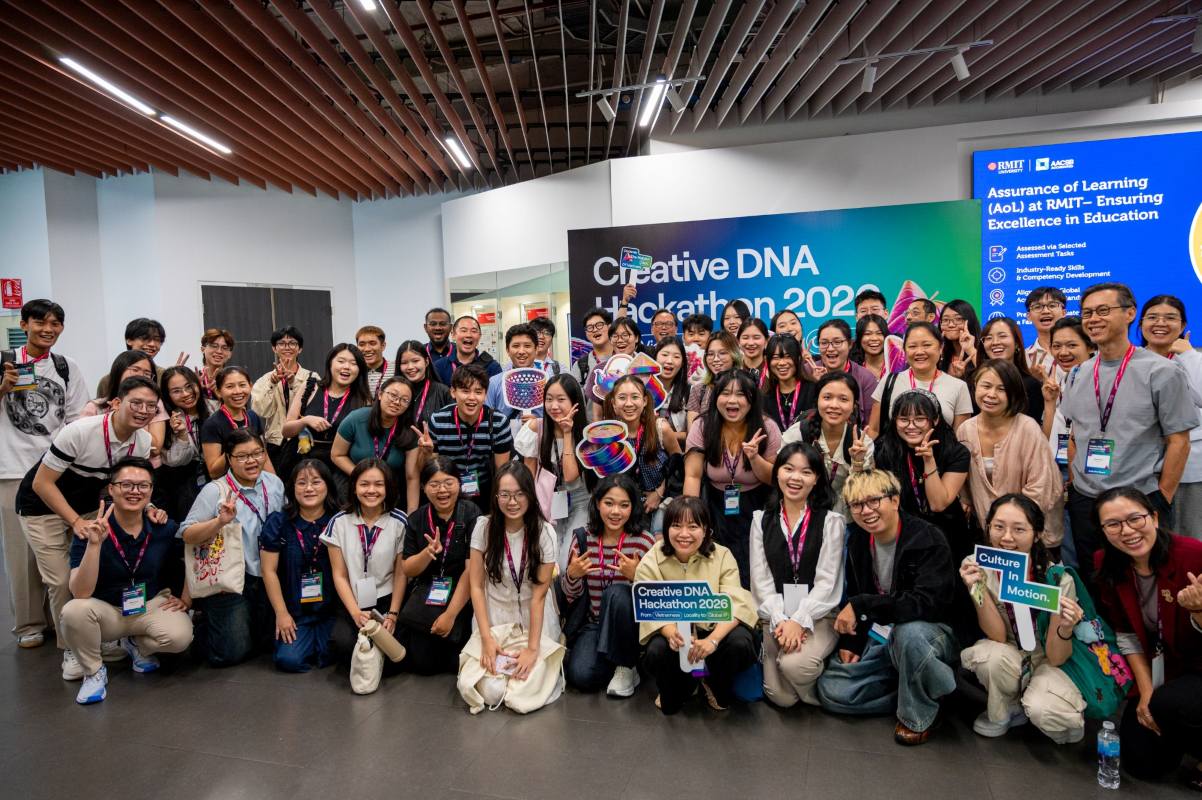
Group photoThe hackathon attracted students from DASEIN Academy of Art (Malaysia) and Nanyang Academy of Fine Arts (Singapore), and Vietnam-based students from RMIT University, Design Anthropology School, HUTECH University, and Ho Chi Minh University of Fine Arts. (Photo: RMIT)

According to Dr Manny Ling, Deputy Dean, Engagement & International at RMIT Vietnam’s School of Communication & Design, the initiative highlights the growing importance of “glocal” design: creating solutions informed by global knowledge while remaining deeply rooted in local culture, context and community.

“In Southeast Asia, where centuries-old traditions coexist with some of the world's fastest-growing digital economies, designers are increasingly expected to navigate both local and global environments. Success requires an understanding of cultural identity and community needs, alongside the ability to engage confidently with international markets and conversations,” Dr Ling said.

The hackathon also reflects the broader ambitions of the Creative Economy Initiative (CEI), a joint initiative delivered by RMIT and Project Pluto that connects creativity with entrepreneurship, innovation, intellectual property development and commercialisation. Its objective is to empower creative practitioners capable of transforming ideas into sustainable social, cultural and economic value.

Supporting this effort is the SEA Neighbour Network, which creates opportunities for collaboration between institutions across the region through student exchange, shared learning, collaborative research and cross-cultural innovation.

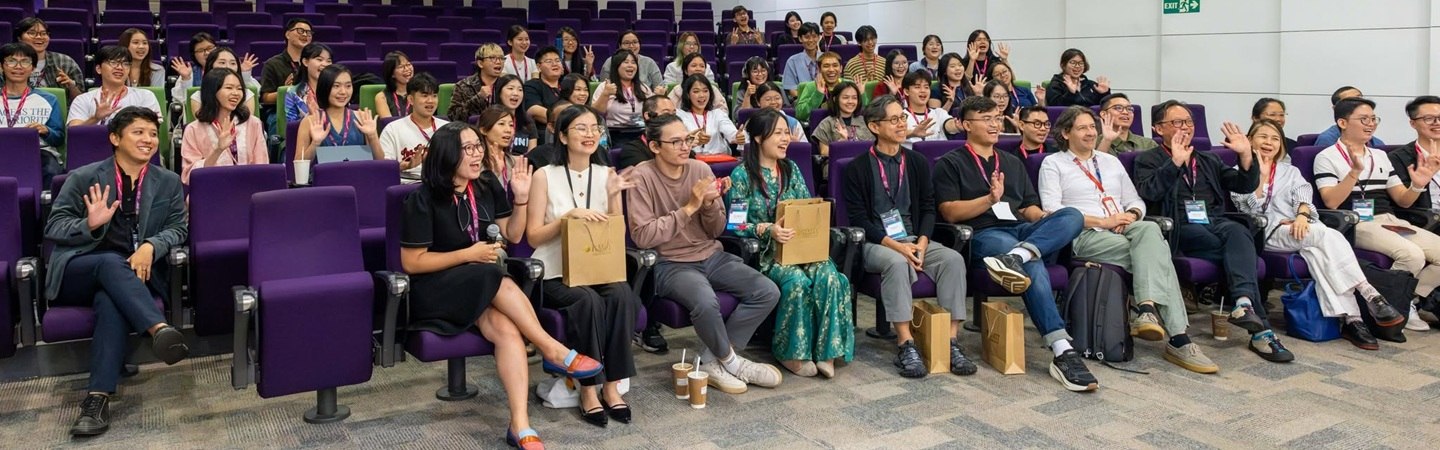
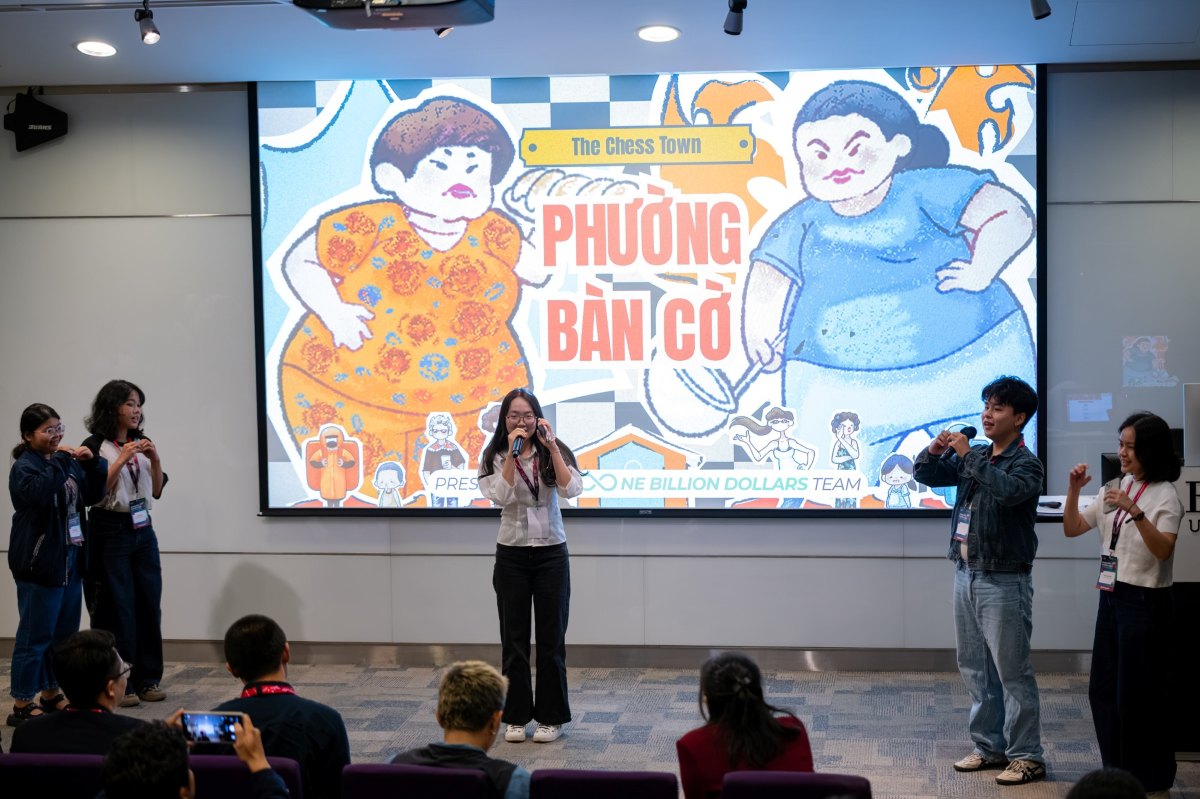
Five students presentingStudents presented their ideas to a panel of industry experts during the hackathon. (Photo: RMIT)

According to Dr Ling, many of the challenges facing Southeast Asia, from climate resilience and cultural preservation to digital transformation and economic competitiveness, require perspectives informed by local contexts as well as regional experience.

While international design frameworks offer valuable insights, educational models that expose students to multiple perspectives across neighbouring countries can help develop solutions that remain relevant to the communities they serve.

“Drawing on local wisdom, cultural identity and regional experience can help ensure that creative solutions remain relevant to the communities they serve. Educational models that expose students to multiple perspectives across neighbouring countries can help develop this capability,” Dr Ling said.

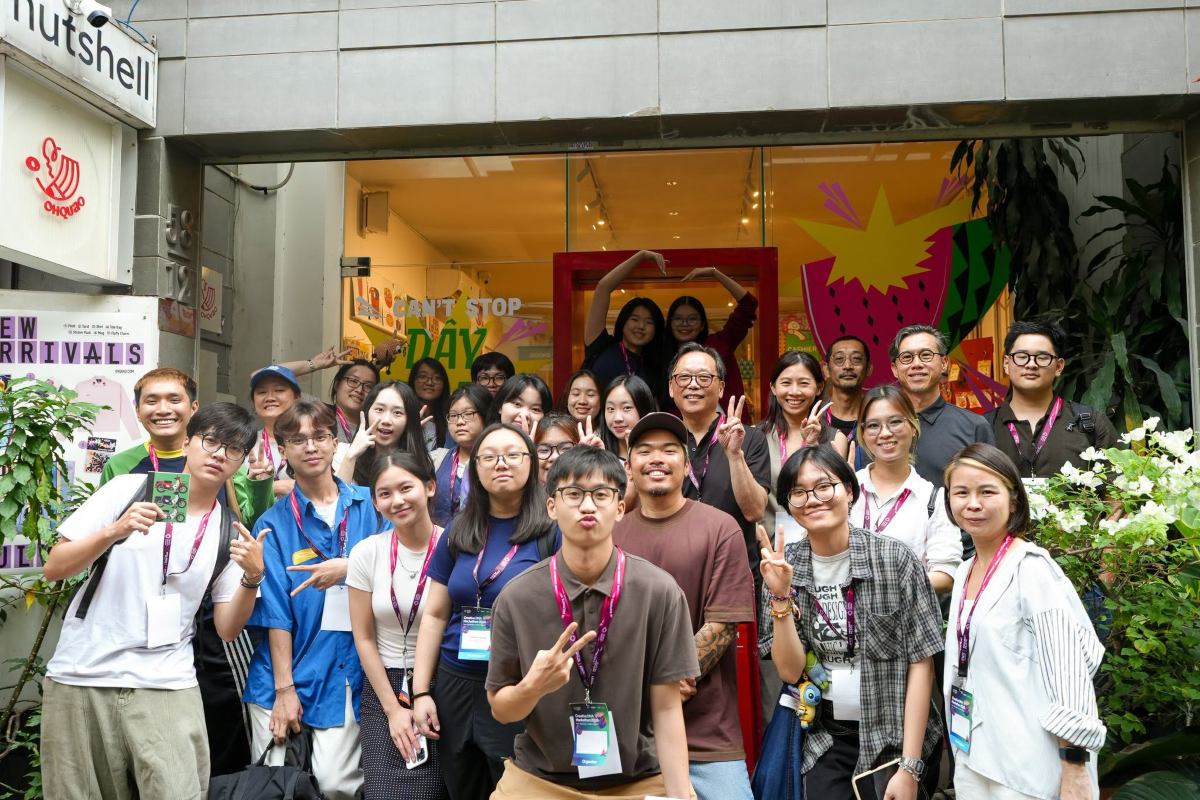
Group photo in front of a storeIn addition to attending in-depth workshops about creative IP, the hackathon participants went on an industry field trip to creative businesses in Ho Chi Minh City, gaining a deeper understanding of how creative design and IP work in the market. (Photo: RMIT)

According to Dr Ling, Southeast Asia has extraordinary creative talent, cultural diversity, and entrepreneurial energy. Yet too often educational institutions in the region operate in isolation and even compete with each other, when the challenges and opportunities facing their students are increasingly shared.

“The next era of creative education should not be defined by individual institutional success alone. It should be defined by regional collaboration, shared learning and collective impact,” he said.

“Through initiatives such as the Creative Economy Initiative and the SEA Neighbour Network, we are creating platforms where students can collaborate across borders, learn from different cultural perspectives, and develop creative solutions with both local relevance and global potential.”

The creative economy is no longer a peripheral sector. It is now recognised as a driver of innovation, employment, and economic growth. If Southeast Asia is serious about strengthening its creative industries, it must be equally serious about strengthening the educational ecosystems that support them.

Related news