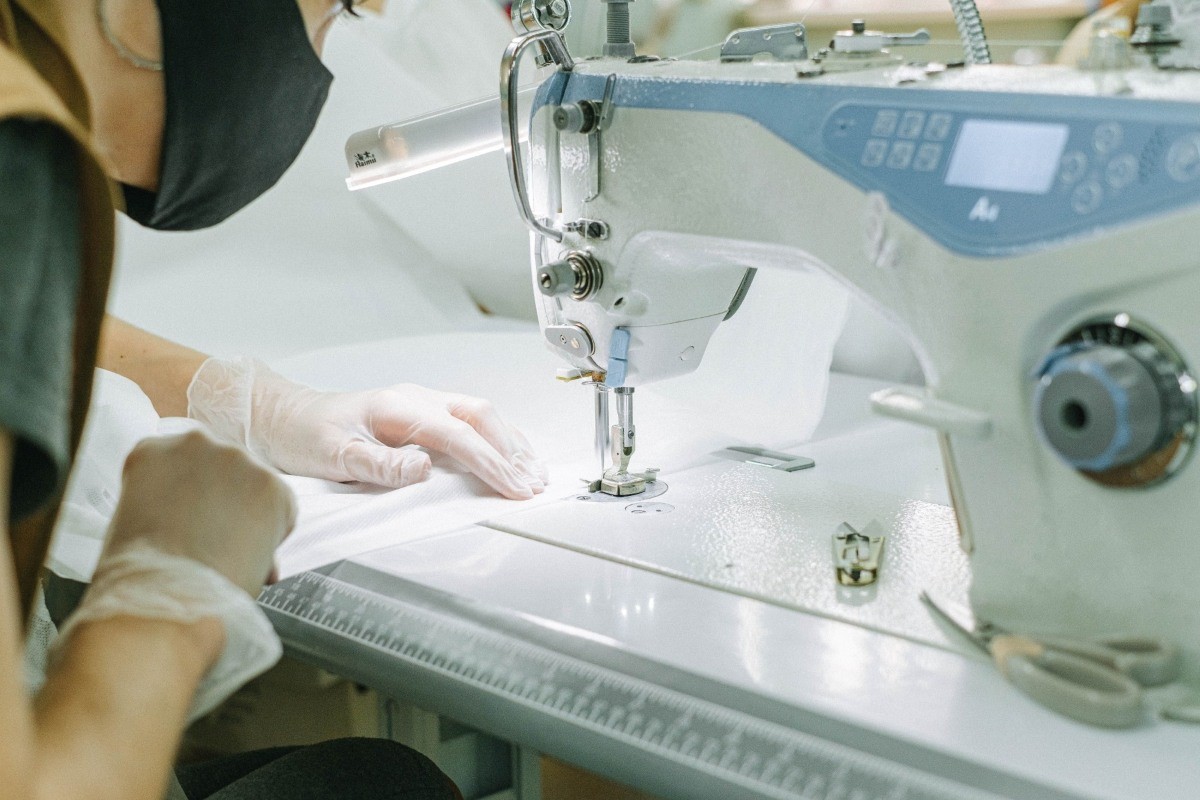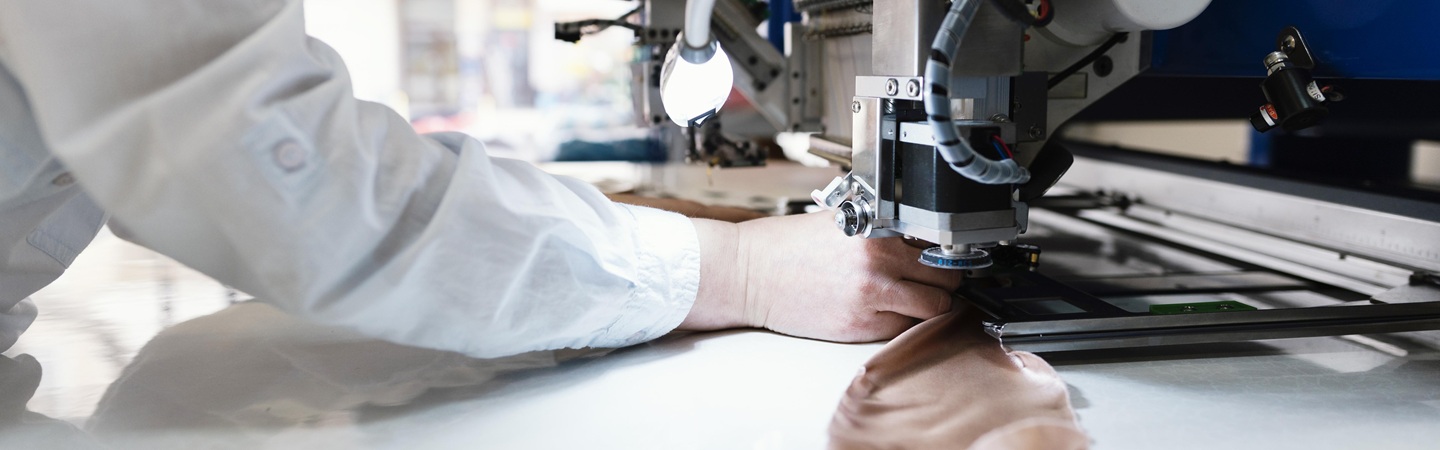

“AI will change the nature of office and decision-making work by automating repetitive tasks, while workers increasingly focus on supervision, problem-solving, and higher-value activities,” said Ms Doan Ngoc Gia Han, Sales Executive from MN Inter-Fashion Vietnam.
For Vietnam's garment and textile sector, these improvements can translate into greater productivity, shorter lead times and stronger responsiveness to market demand.
Producing more sustainably
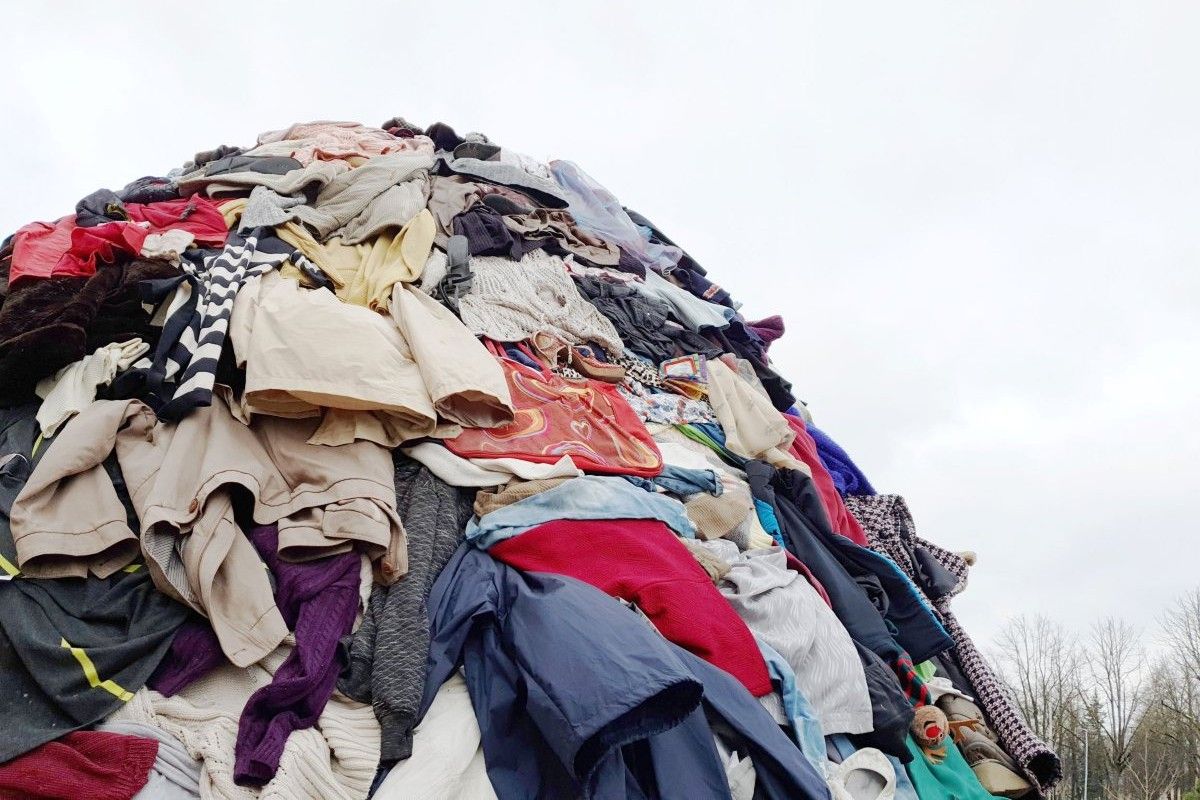
The efficiency gains also have environmental benefits such as lower resource use and reduced carbon emissions.
AI-assisted design development can significantly cut the waste associated with design iterations, prototyping and sample approval. In dyeing and finishing, AI‑driven monitoring systems can optimise chemicals, heat and water consumption. In cutting rooms, optimisation algorithms can improve marker efficiency and reduce off‑cuts. In logistics, AI can suggest more efficient routing and inventory management.
“These technologies help Vietnam meet stricter environmental expectations without sacrificing competitiveness,” Professor Nayak noted. “They also contribute to national goals on cleaner production and resource efficiency.”
Ms Tran Thi Thu Thao, the founder of local fashion brand Mame, commented: “For fashion SMEs like ours, AI provides the ability to turn creativity into action faster. This supports smarter design development and more informed material selection while reducing waste and improving efficiency.”
Improving traceability and transparency
Traceability has become a central requirement in global fashion supply chain. Buyers want to know where materials come from, which factories produced their orders and whether standards were met along the way. AI, combined with sensors and digital platforms, can help create this visibility.
“Traceability used to mean stacks of paperwork,” Professor Nayak said. “With digital systems and AI, manufacturers can track key steps and flag anomalies much faster. That builds trust with brands, regulators and ultimately consumers.”
Some customers now expect real‑time information about the progress of their orders. By digitising processes and using AI to flag inconsistencies, manufacturers can respond more quickly and provide better evidence of their compliance.
“For Vietnam, the ability to offer credible traceability is becoming a differentiator. Suppliers that can provide reliable data on origin, processes and compliance will be better placed to secure long‑term partnerships and move into higher‑value segments,” Professor Nayak stressed.
New roles in and around the factory
As AI spreads through manufacturing, job content is changing. Some repetitive planning and data entry tasks are shrinking, but new responsibilities are emerging around system oversight, data quality and cross‑functional coordination.
According to Ms Corinna Joyce, Interim Deputy Dean of Learning and Teaching and Program Manager for Fashion Enterprise at the School of Communication & Design, RMIT Vietnam, manufacturing and supply‑chain roles are increasingly hybrid.
“Employers want people who understand how manufacturing works and are comfortable using digital tools and questioning the outputs of automated systems,” she said.
As workforce requirements are changing across the industry, educational institutions play an increasingly important role in preparing graduates for AI-enabled workplaces.