Rebuilding fashion systems from the ground up

Rebuilding fashion systems from the ground up

At a time when fashion is under growing scrutiny for its environmental and social impact, the question is no longer whether the industry needs to change, but how.

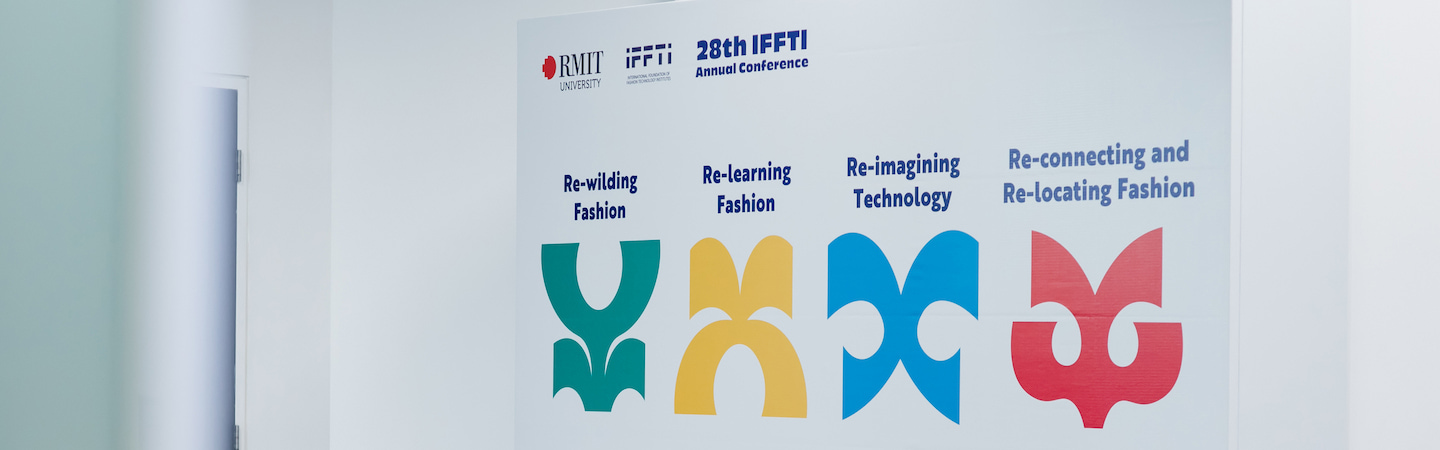
At the 28th Annual Conference of the International Foundation of Fashion Technology Institutes (IFFTI), hosted by RMIT Vietnam, more than 180 delegates from over 50 leading fashion, textile and technology institutions across 19 countries gathered for a five-day program. The conference featured over 100 academic presentations and talks, bringing together thought-leading scholars to shape the future of the global fashion industry and fashion education.

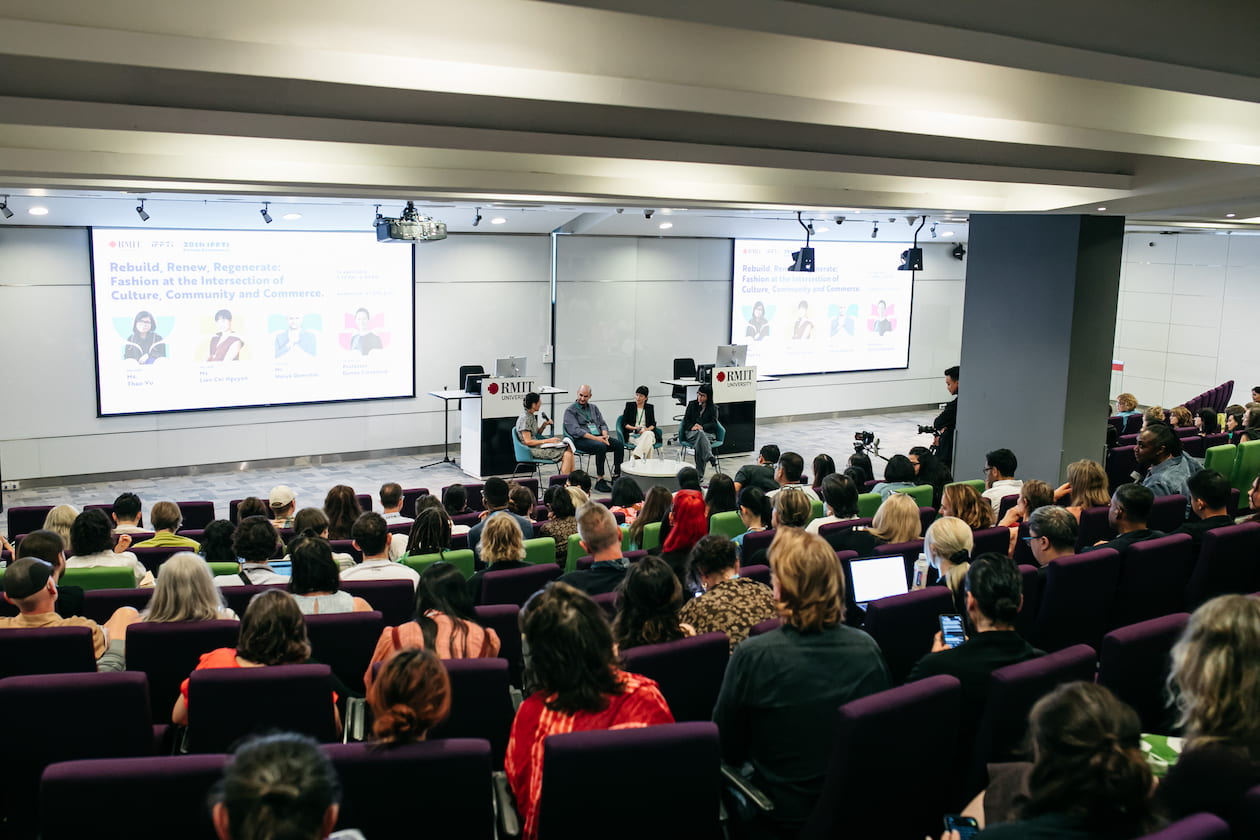
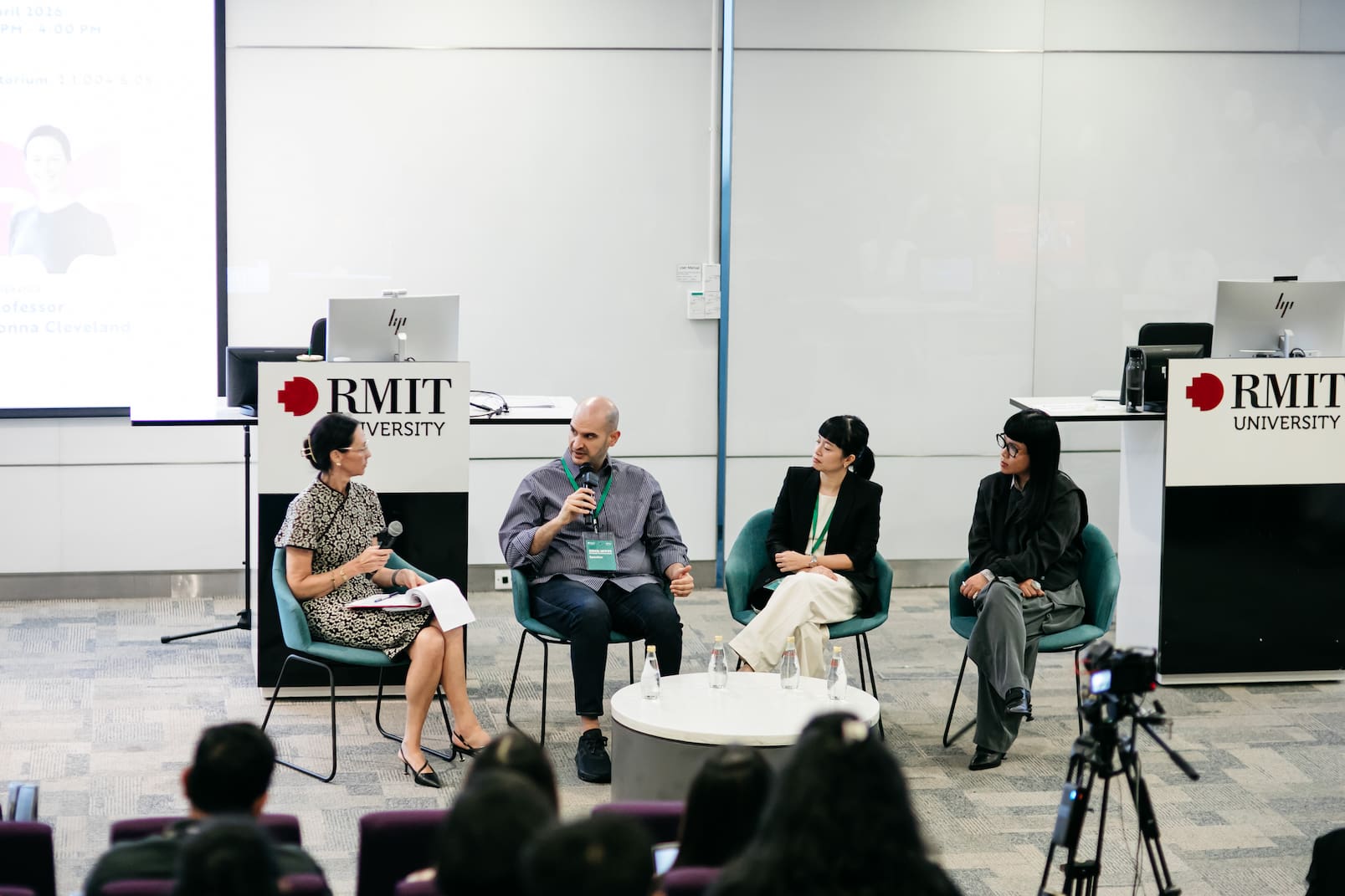
A key highlight of the conference was the panel titled “Rebuild, Renew, Regenerate: Fashion at the Intersection of Culture, Community and Commerce”, which brought together perspectives across design, media and global supply chains to examine what meaningful transformation could look like.

Professor Donna Cleveland, Dean of the School of Communication & Design at RMIT Vietnam, highlighted why Vietnam is a critical site for such a conversation.

“RMIT Vietnam is a very natural host for IFFTI Annual Conference at this point in time,” she said. “We are embedded in a context where the realities of the global fashion system are highly visible – from large-scale manufacturing through to local craft and emerging design practices.” 

“Vietnam is not only a production hub, but also a place of deep cultural knowledge and rapid transformation. That combination makes it a highly relevant location to discuss the future of fashion.”

The panel was held as part of the 28th IFFTI Annual Conference, a global conference that attracted more than 180 participants from 19 countries.The panel was held as part of the 28th IFFTI Annual Conference, a global conference that attracted more than 180 participants from 19 countries.

From manufacturing hub to system shaper

The discussion underscored Vietnam’s evolving role in global supply chains. 

According to Mr Haluk Demirtel, Vice President of Operations at Li & Fung, the country is undergoing a structural shift.

“Vietnam has evolved from cut-and-make factories into FOB exporters and that’s a very big moment,” he said, referring to the transition from basic assembly to more integrated, value-added production. 

That shift is already reflected in global trade flows. In 2024, for the first time, Vietnam surpassed China to become the largest exporter of textiles and garments to the United States in the first five months of the year, marking a significant milestone in its rise within global supply chains.

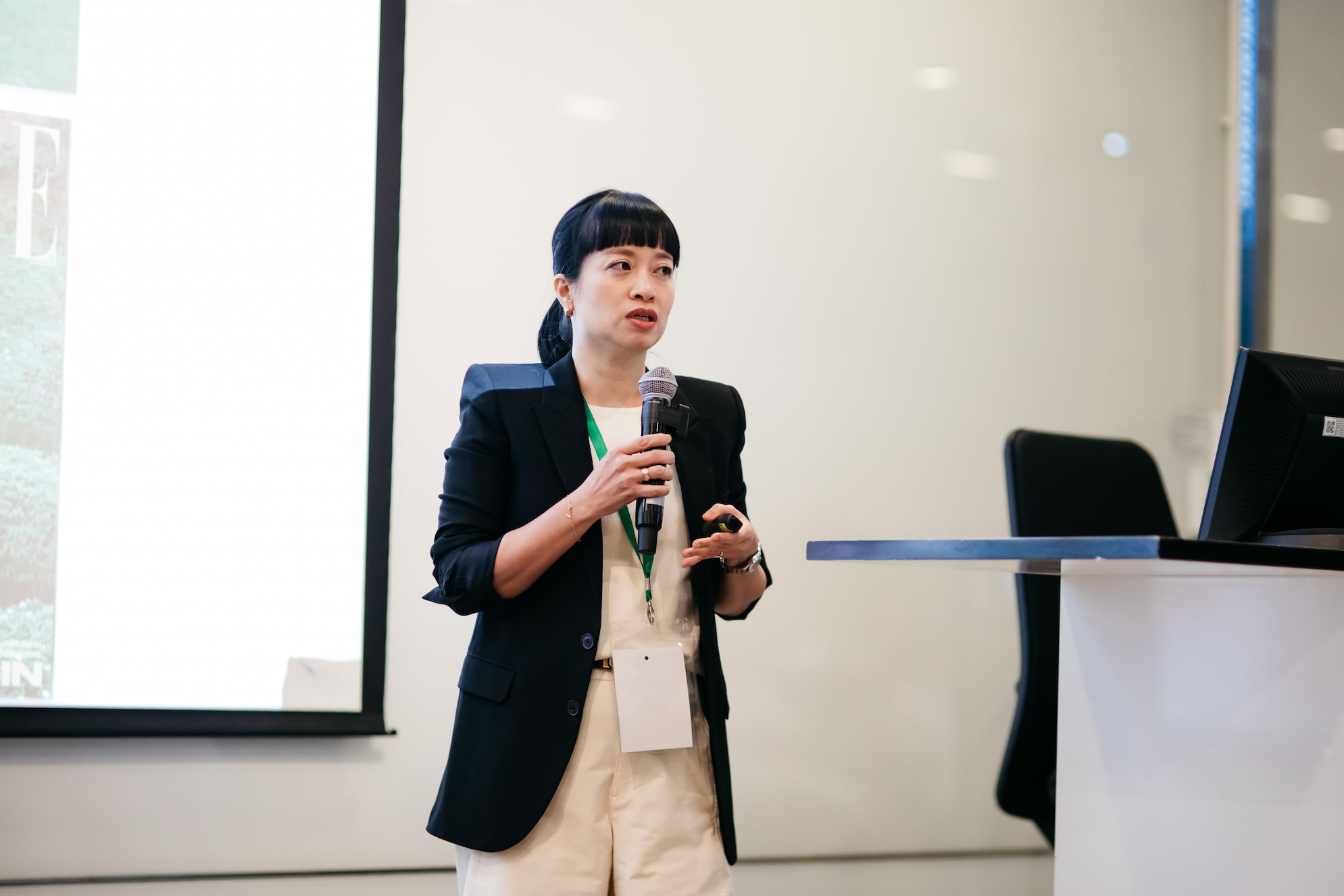
Mr Haluk Demirtel, Vice President of Operations at Li & Fung, speaks at the panel discussion.Mr Haluk Demirtel, Vice President of Operations at Li & Fung, speaks at the panel discussion.

This transformation is being accelerated by free trade agreements and changing market demands. As global sourcing moves towards smaller, more flexible production models, new opportunities are emerging for local designers and manufacturers. “The shift to smaller quantities and more flexible production will open opportunities for local designers,” Mr Demirtel noted.

Yet significant constraints remain. Vietnam still relies heavily on imported materials, with around 70 per cent sourced externally, primarily from China. For some businesses, this figure is even higher.

“The biggest constraint is not capability, but cash flow,” he said. “Foreign investment plays a key role because it solves that problem.”

At the same time, price pressures continue to shape the pace of change. 

“When it comes to price versus sustainability, it still comes down to price,” Mr Demirtel added. “For many consumers, sustainability is still a ‘nice to have’, not a ‘must have’.”

A growing gap and an opportunity

From a media perspective, Ms Lien Chi Nguyen, Editorial Director of ELLE Vietnam pointed to a critical disconnection within Vietnam’s fashion landscape.

“There is a gap between what is produced for global brands and what local brands are actually doing,” she said. 

While Vietnam is a major manufacturing hub, many domestic brands continue to rely on imported, low-cost materials, with limited visibility into production processes.

“Many are not fully aware of how their processes can become more responsible,” she noted.

Ms Lien Chi Nguyen, Editorial Director of ELLE VietnamMs Lien Chi Nguyen, Editorial Director of ELLE Vietnam

Ms Chi emphasised that media has a key role to play, not just in raising awareness, but in shaping behaviour. “We need to localise sustainability: make it practical, relatable, and easy to act on,” she said. “It’s not just awareness; we need to turn it into everyday actions.”

She also highlighted the need for stronger industry coordination. “Vietnam lacks a platform where designers, suppliers and experts can come together. That is something we should strive to build.” 

Reclaiming value through culture and craft

Offering a contrasting perspective from the grassroots level, Ms Thao Vu, a designer and the founder of Kilomet109, spoke about working directly with artisan communities across Vietnam. 

“I realised that not many Vietnamese brands were working directly with local communities,” she said.

Since launching her fashion brand, Ms Thao has built a network spanning multiple ethnic groups, using natural fibres and dyes while supporting traditional techniques. 

“We are not only making fashion, but we are also helping sustain traditions and improve livelihoods,” she said.

Her work highlights both the fragility and potential of these systems. In some places, only one or two families remain practising traditional textile methods.

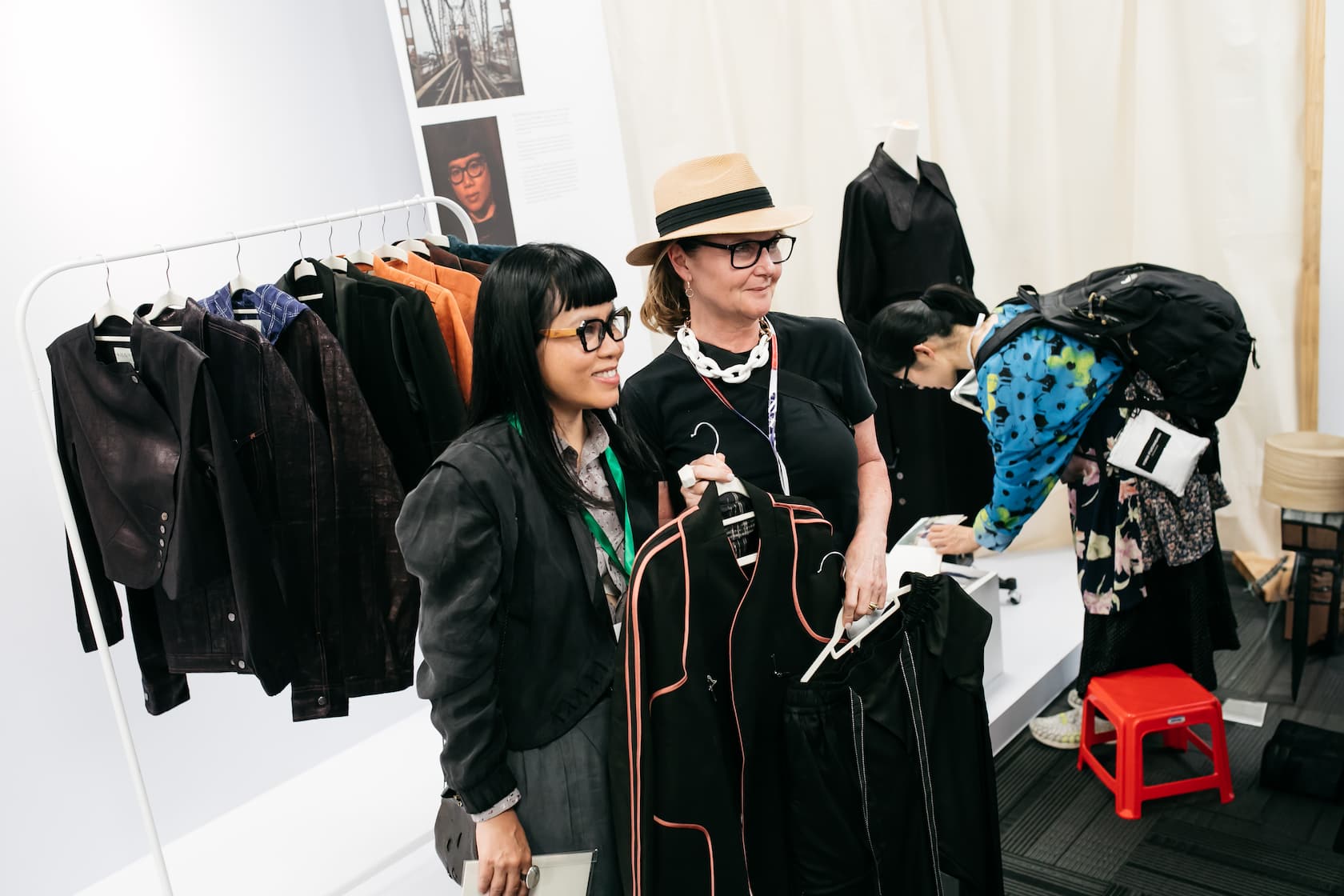
Ms Thao Vu, founder of Kilomet109 (left)Ms Thao Vu, founder of Kilomet109 (left)

At the same time, she sees a shift in how value is understood.

“The value of fashion is changing, it’s no longer just about trends,” she said. “That deeper value becomes our strength, not our obstacle.”

However, she cautioned against romanticising tradition.

“We cannot romanticise tradition because communities themselves are changing,” she said. “They also want modern versions of their traditional clothing.” 

For Ms Thao, meaningful change requires time, trust and long-term commitment.

“You can’t cut corners – this is slow fashion, and it takes time,” she said. “You cannot shortcut trust.”

Beyond awareness to transformation

Across all perspectives, a common theme emerged: sustainability challenges in fashion are systemic, not isolated. 

Ms Corinna Joyce, Interim Deputy Dean of School of Communication & Design at RMIT Vietnam, and Project Lead for IFFTI Annual Conference 2026, said: “They relate to how value is created, how materials move, and how labour and culture are positioned within the system.”

IFFTI’s role, she noted, is to bridge these different parts of the ecosystem. “What IFFTI enables is a more connected conversation – moving beyond awareness into transformation,” she said.

Crucially, the conference also reframes Vietnam’s role in that transformation. “It allows us to position Vietnam as both a site of production and an active contributor to shaping sustainable and regenerative fashion futures.”

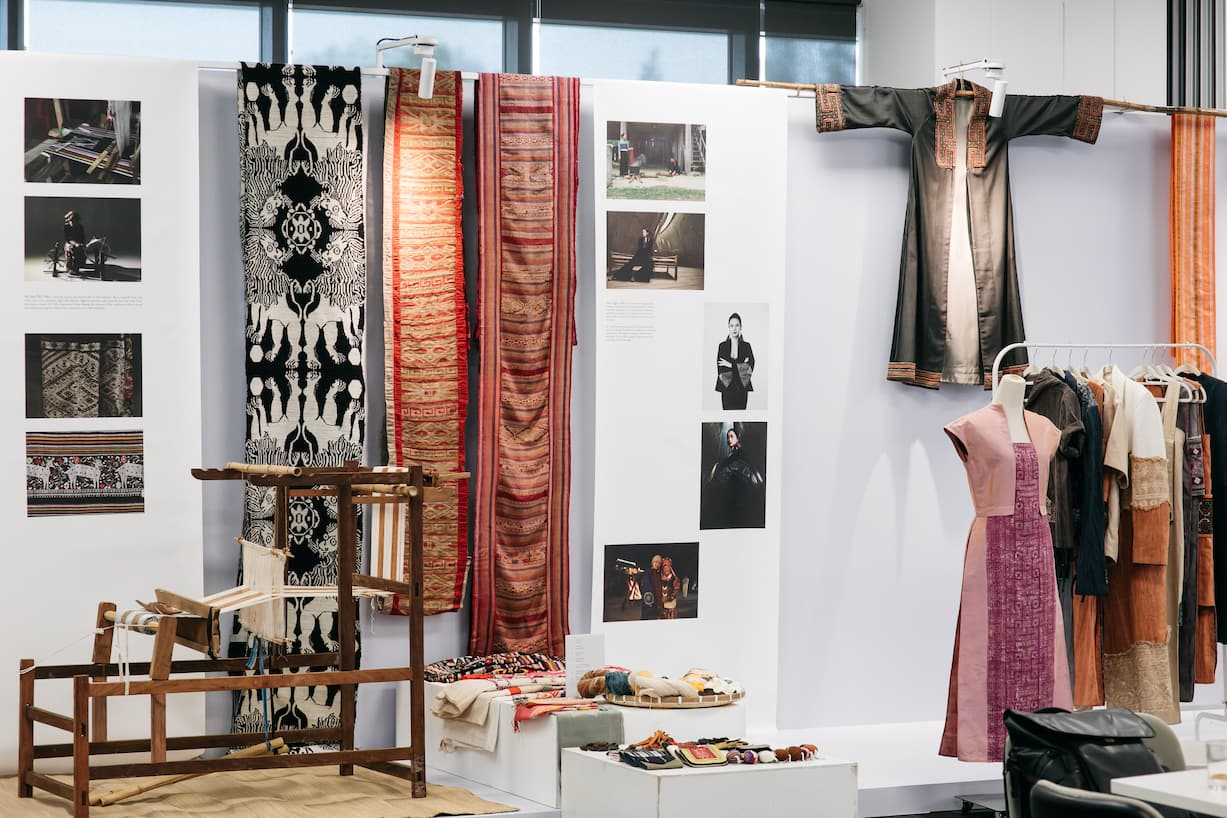
A showcase of traditional textiles and contemporary design at IFFTI 2026A showcase of traditional textiles and contemporary design at IFFTI 2026

A system in transition

The panel ultimately revealed a fashion system in transition, defined by tensions between scale and craft, price and ethics, global demand and local identity. 

Yet within these tensions lies opportunity. From supply chain restructuring and media influence to community-led design and education, the pathways towards a more regenerative fashion future are already emerging.

As Ms Chi observed, even small shifts matter. “We need to see more people making small changes,” she said. 

And as Ms Thao’s work demonstrates, those changes – when rooted in culture, collaboration and care – have the potential to reshape the system from the ground up.

Story: June Pham

Related news