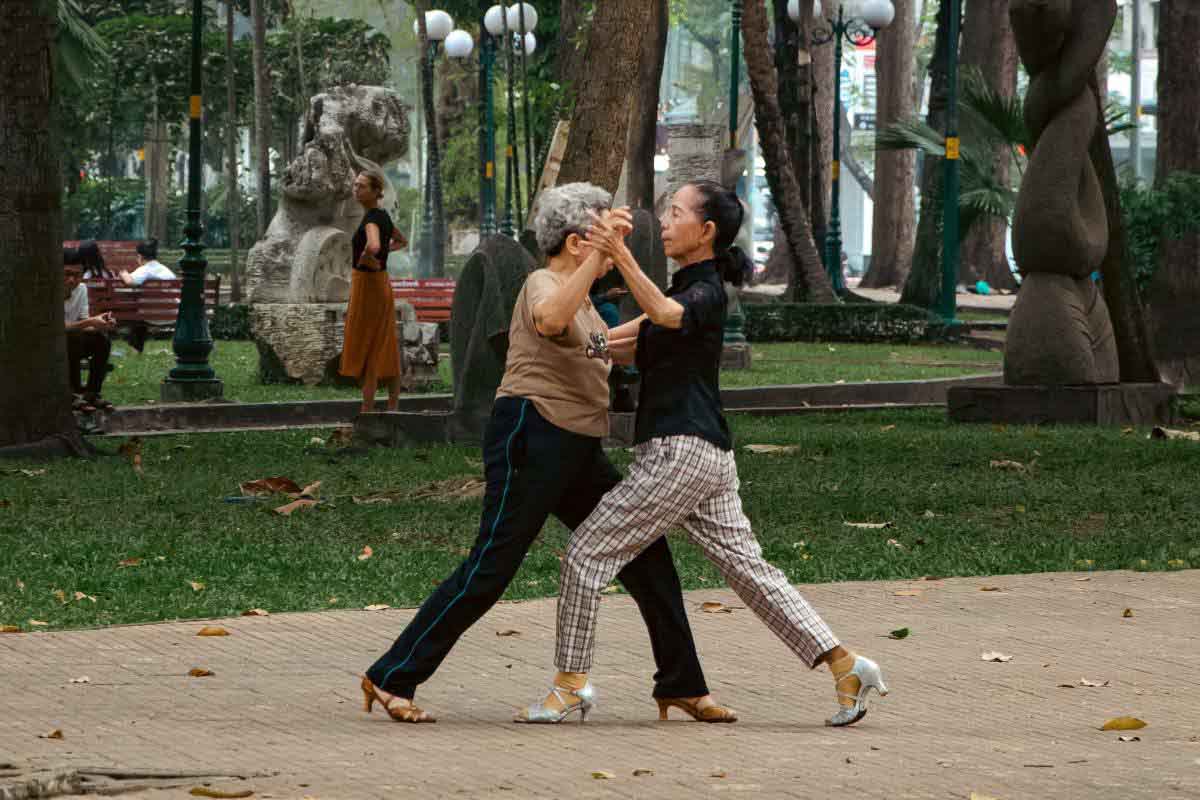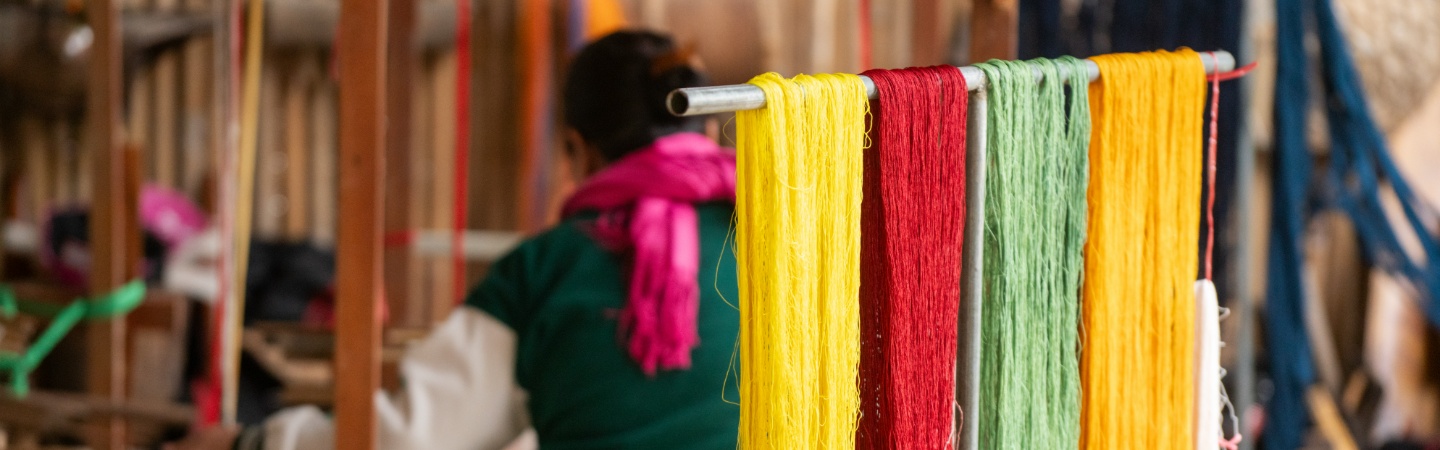

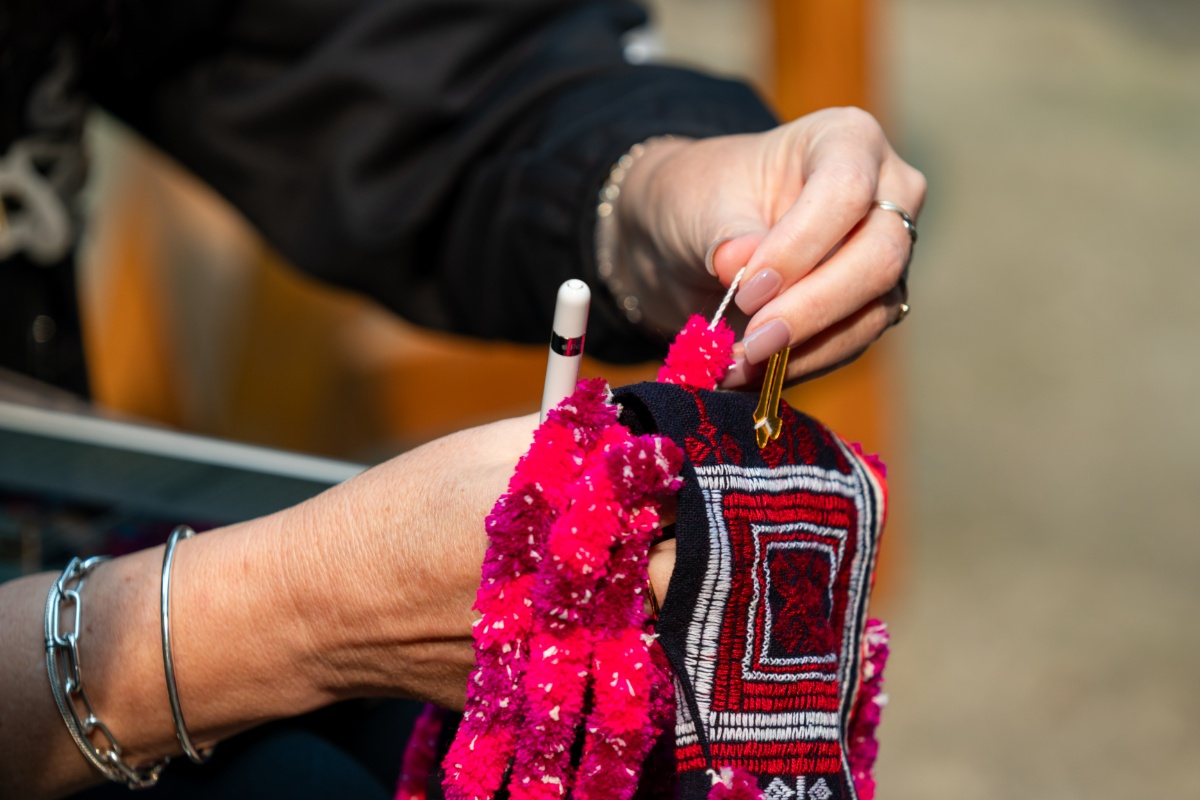
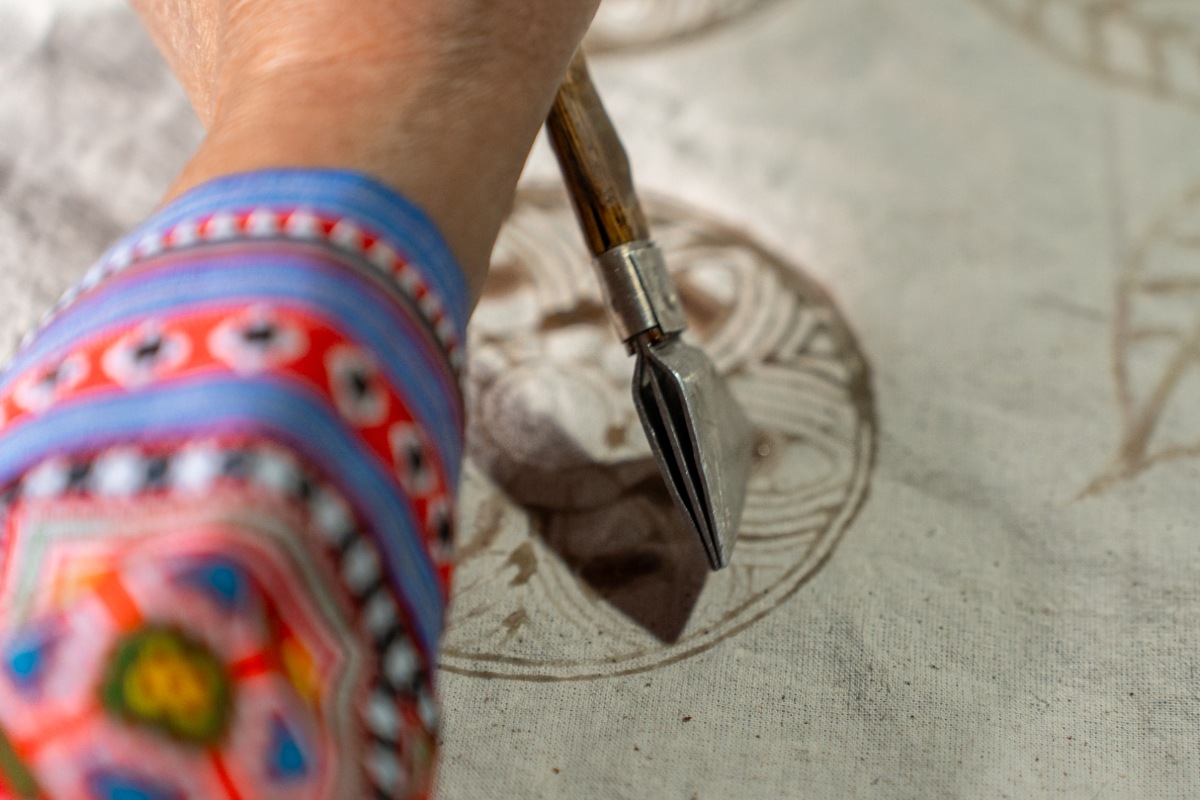
Through five case studies based in Hanoi and Ho Chi Minh City, including brands such as Linht Handicraft, Kilomet109, Moi Dien, KHAAR and Dong Dong, the research team illustrates how MSEs maintain small-scale, community-rooted production while fostering innovation that is both sustainable and culturally rich. Linht Handicraft partners with H’mong women in Sapa, and uses handwoven, indigo-dyed textiles to produce locally grounded products. Moi Dien, the brand founded by designer Tom Trandt, operates on a zero-waste model and collaborates with retired seamstresses in Ho Chi Minh City. This approach preserves traditional skills while creating a flexible production chain. Kilomet109, under the direction of Thao Vu, works with seven ethnic artisan communities across Vietnam to revitalise traditional dyeing and weaving techniques.
These enterprises are not only preserving cultural heritage but also proactively incorporating technology and circular design principles to enhance sustainability. KHAAR, a young label founded by Kha Ngo, uses AI to generate zero-waste cutting patterns from leftover fabric. The brand has expanded its influence through international events such as Vietnam Design Week, Elle Fashion Show and Vogue Singapore. Meanwhile, Dong Dong, founded by Anh Tran, specialises in handbags made from recycled advertising tarpaulins and industrial packaging. Around 80 per cent of its raw materials are sourced from seafood farms and supermarkets in the Mekong Delta.
However, the research also highlights systemic challenges that local fashion MSEs face. Many struggle to scale up due to limited capital and infrastructure. Existing tax policies are often incompatible with the operating models of businesses that rely on recycled materials or informal labour. Dong Dong was fined for being unable to present VAT invoices from suppliers of used materials. Brands such as Moi Dien expressed a desire for accessible public spaces to showcase their work and build connections, yet Vietnam lacks models similar to the Creative Market Halls found in South Korea or Singapore. Symbolic forms of support, such as recognising craft-based innovation as a national value, remain underdeveloped.
Recommendations for a prosperous creative economy
Drawing on field research and the Prosperity Fashion framework, the research team proposes three policy directions to effectively and sustainably support MSEs:
1. Enhancing fashion education: Core principles of sustainable fashion, zero-waste production and community-based design approaches should be more explicitly integrated into fashion and design education at secondary and university levels.
2. Investment in public spaces: Investment in public spaces that allow MSE brands to exhibit products, educate consumers and connect with one another.
3. Administrative and financial reform: This involves administrative and financial reform, including simplified tax procedures, formal recognition of non-traditional business models, and incentives for businesses that use recycled materials and engage local labour.