How can exposure to negative, violent or distressing content affect viewers’ psychological wellbeing, particularly children and young people?
Ms Vu Bich Phuong, RMIT Psychology lecturer
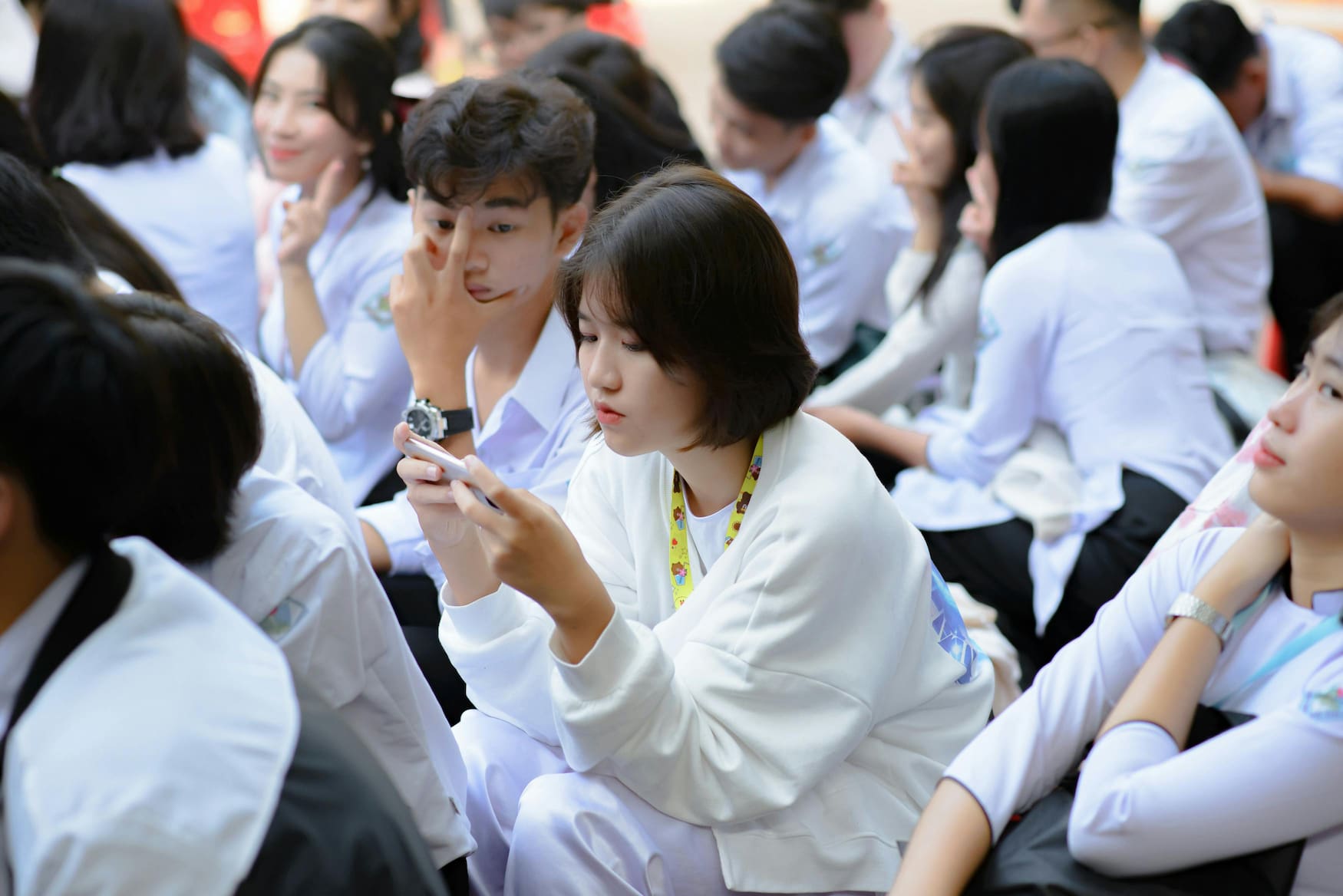
Being exposed to negative content on social media, or even worse, scams leading to financial losses or breaches of privacy or safety, can be a devastating experience for adolescents. They are not young enough to be fully protected by parents, but neither are they mature nor independent enough to be capable of understanding the shocking content that they see or resolving the consequences of any scams they fall victim too. Most often, young people use social media for positive rewards like entertainment and social connection with peers, so encountering negative content on social media can cause them confusion and distress, adding more layers of anxiety to their existing struggles in their offline lives.
Although not all interactions on social media are negative, children, adolescents and young adults are particularly vulnerable to toxic content there. This is because young people’s social media activities are largely not age-regulated and unmonitored, while digital networking sites are evolving constantly, and users' media literacy cannot keep up.
Australia recently enacted a social media ban for children under 16 years of age, and several countries (e.g. Denmark and Malaysia) are looking to follow suit for kids under 15.
While this may be a well-intentioned effort to protect children from digital harms, young people’s advocacy groups such as UNICEF have pointed out that simply banning children from social media does not make the platforms safer.
Vietnam needs to consider how to make social media a beneficial tool for all users who are psychologically ready and media-literate, not just for tech giants or predatory scammers.
Dr Gordon Ingram, RMIT Psychology lecturer
In the worst cases, viewing violent or disturbing content online can produce a severe effect known as secondhand trauma or secondary traumatic stress.
This is common among therapists, first responders, and journalists, who bear witness to other people’s traumatic experiences. Young people who randomly click on a link or open an attachment do not have the life experience or training that these other groups have, making them even more vulnerable.
The effects of secondhand trauma mirror those of post-traumatic stress disorder (PTSD) and include:
The problem is compounded by social media’s repetitive, algorithm-driven feeds, which can negatively reinforce the behaviour of endlessly scrolling through content, looking for the “hit” of a strong emotional reaction, even when this is uncomfortable.
What does this viral phenomenon reveal about the media literacy skills of Vietnamese users, especially younger audiences? What principles should the public follow to protect themselves when encountering shocking or difficult-to-verify content online?
Ms Luong Van Lam, Associate Lecturer in Professional Communication, RMIT Vietnam
Young people’s media literacy is still largely instinctive. They are easily drawn to sensational or mysterious content, then quickly share it with those around them. This behaviour stems from a natural mechanism of the human brain known as negativity bias. Since ancient times, humans have had to pay close attention to danger and warn others in order to survive. Focusing on negative signals has helped us feel safe and protect ourselves. Today, this bias still exists, but in a different form: we tend to pay more attention to negative news than positive news.
The problem is that many young people stop at exposure and sharing, skipping the crucial middle steps of media literacy: analysis and evaluation, which are needed to form an appropriate response. Reading, feeling shocked and sharing often happen as a reflex. This can also be driven by social motives, such as wanting to be seen as “in the know”, feeling that they are warning the community, or simply wanting enough information to take part in discussions around trending topics.
In today’s context, especially in the digital environment where information spreads rapidly, instead of viewing, reading and scrolling in a rush, we need to pause and assess information before trusting and sharing it.
The SIFT method developed by digital literacy expert Mile Caulfiled, can be applied to strengthen the community’s “immunity” against shocking or hard-to-verify content. This framework includes five criteria:
-
S – Stop: Pause before reading or sharing. Notice emotional reactions to the headline or information. Headlines often provoke anger or excitement to drive clicks. Ask what you already know about the topic, the source and its reputation
-
I - Investigate the source: Look up for credibility, expertise, and possible bias of the author and source publishing the information
-
F - Find better coverage: Cross-check what other reliable news sources or independent fact-checkers are reporting about the same topic, and whether they present similar or different perspectives.
-
T - Trace to the original – Follow claims, quotes, data, or media back to their original context to see if they are accurate or taken out of context.
Story: June Pham