
Blended learning for future-ready communicators

Blended learning for future-ready communicators

Blended learning is reshaping how communication students learn, collaborate, and equip themselves for a rapidly evolving industry, according to academics from RMIT Vietnam’s School of Communication & Design.

Among those leading this transformation are Dr Justin Battin and Dr Soumik Parida, who have played key roles in implementing blended learning (BL) within the Bachelor of Communication (Professional Communication) program. Their approach emphasises human-centred design, scaffolded instruction, and real-world relevance, ensuring students are engaged and empowered to thrive in dynamic professional environments.

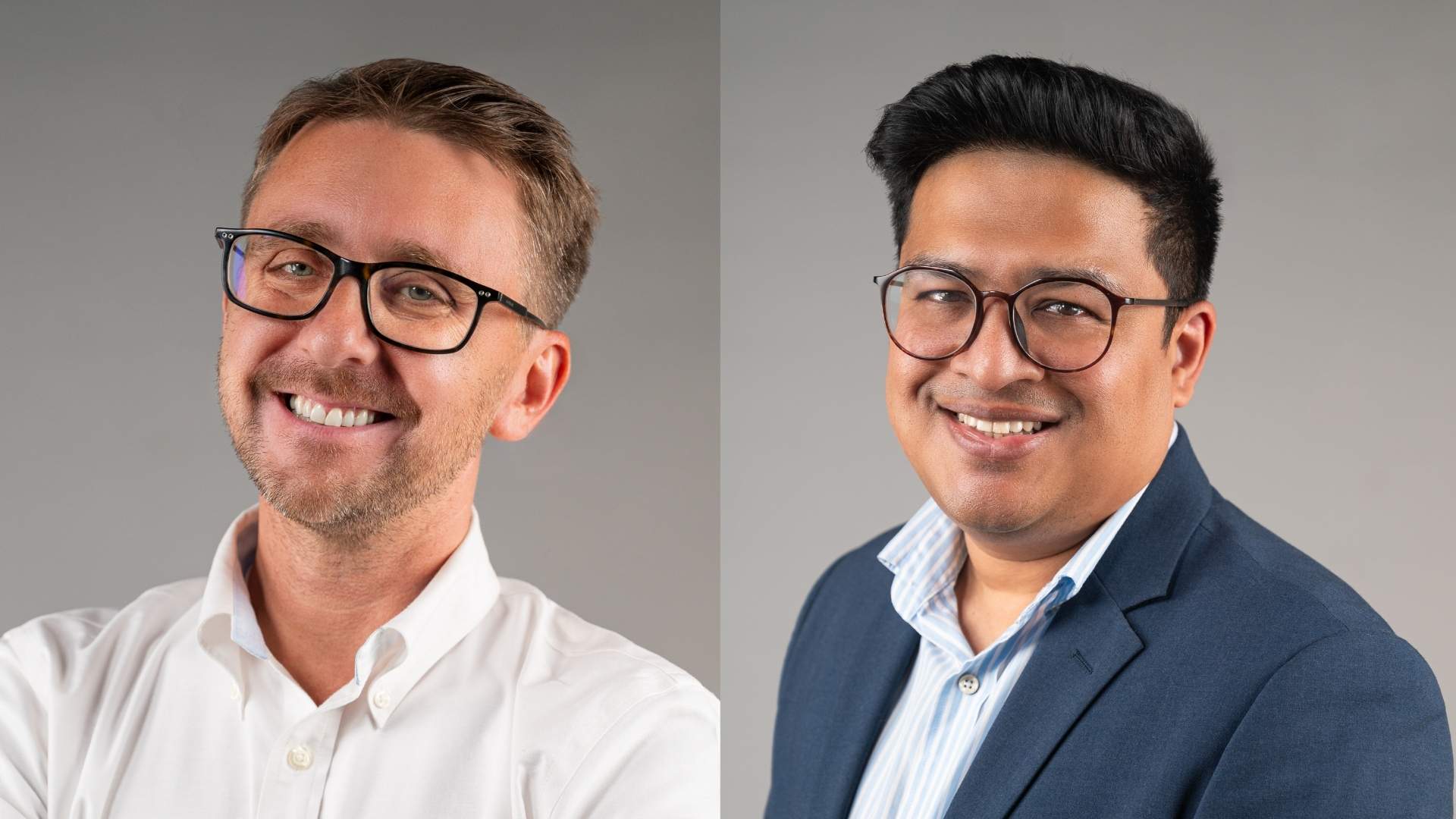
Alt Text is not present for this image, Taking dc:title 'blended-learning-at-scd-1' (L-R) Dr Justin Battin and Dr Soumik Parida from RMIT Vietnam School of Communication & Design

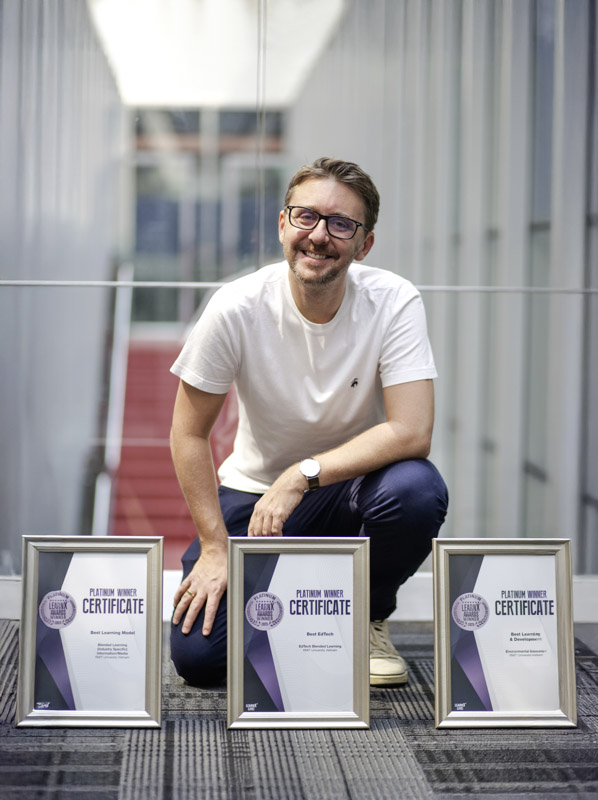
With the support from the University's Learning Design team, Dr Battin was recently honoured at a LearnX Awards ceremony in Melbourne, Australia, receiving multiple awards for his innovative approach, including recognition in the following categories: Best Ed Tech: Blended Learning, Best Learning & Development: Environmental Education, Best Learning Model: Blended Learning (Industry Specific) – Information/Media. 

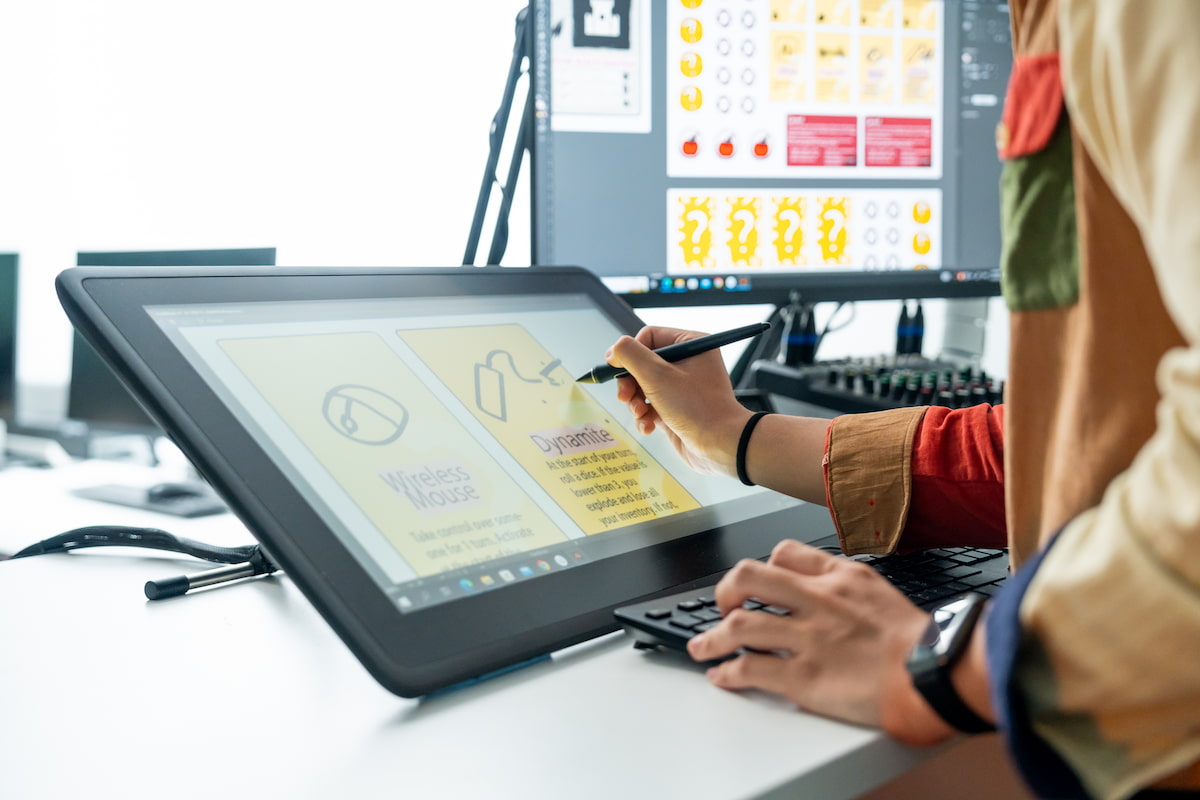
Alt Text is not present for this image, Taking dc:title 'blended-learning-at-scd-2-justin-battin' Dr Justin Battin received mutiple LearnX Awards for his innovative approach in professional communication education.

A strategic shift in communication education

At RMIT Vietnam, BL has evolved into a transformative model that connects online and in-person experiences in powerful ways. Supported by specialist spaces, advanced technologies and interactive tools, it reflects the University’s 3A pedagogy – Applied, Active and Authentic – combining cross-disciplinary learning with real-world problem solving. This approach equips students with flexibility and confidence, helping them transition smoothly from university into professional life.

BL provides far more than content delivery. It creates interactive, media-rich, socially connected and scaffolded online environment that serves as a central hub for collaboration and exploration. This hub seamlessly integrates with face-to-face engagement, giving students the best of both worlds. The goal is not to reduce teacher time, but to use it more effectively, to inspire creativity, critical thinking, and skill mastery. Teachers focus on high-value human connections, while students benefit from a mix of self-paced and collaborative learning.

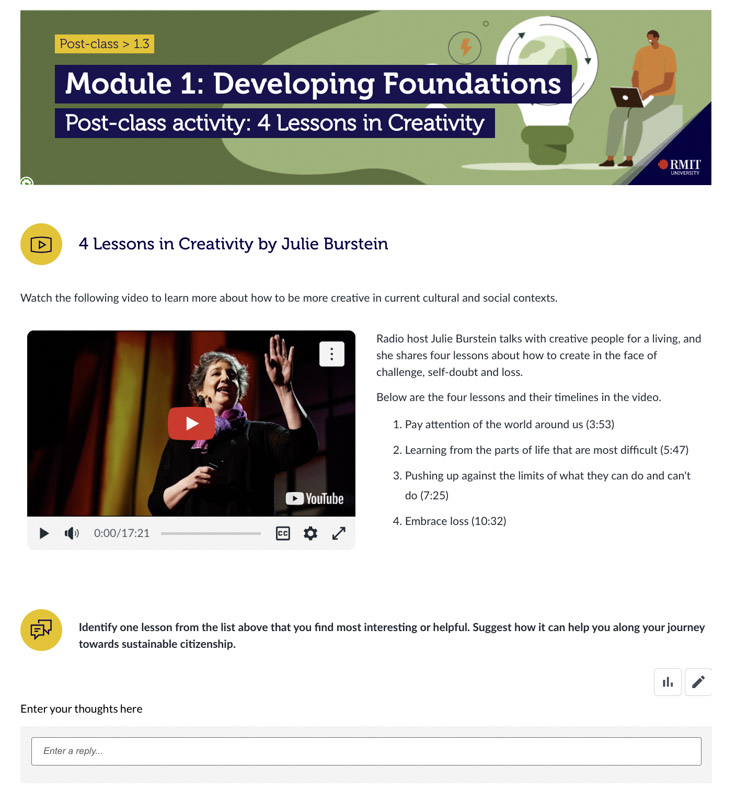
Alt Text is not present for this image, Taking dc:title 'blended-learning-at-scd-3' Canvas provides a clear and structured learning journey, supporting flexible and scaffolded instruction.

This model reflects changes in the professional world, encouraging independent learning while preserving the human element. Online materials are curated and customised to meet diverse needs, while face-to-face guidance builds communication, motivation, and feedback. Students take greater ownership of their learning and develop essential skills for today’s, and tomorrow’s, workplace.

Scaffolded learning for creative minds

BL at RMIT Vietnam is not just a change in delivery, but a shift in how learning is designed. In the Professional Communication discipline, the model typically includes two hours of face-to-face instruction and one asynchronous hour, structured around a clear learning arc: pre-class, in-class, and post-class activities. This structure, supported by the Canvas learning management system (LMS), enables students to engage with content at their own pace while maintaining continuity across learning experiences.

“We design asynchronous tasks that build capacity toward assessment,” Dr Parida explained. “These aren’t just filler activities; they’re scaffolded to help students achieve specific learning outcomes.” In courses like Storytelling for Advertising and Creativity for Advertising, students use the asynchronous hour to develop ideas, receive feedback, and refine their work before class, fostering creativity without the pressure of real-time performance.

Canvas plays a central role in this transformation. With its social and active features, lecturers use it to present a coherent learning journey, with modules clearly divided into pre-class preparation, in-class engagement, and post-class reflection.

“When students don’t rely on slides, they engage more deeply with Canvas,” Dr Battin noted. “They see how their learning is developing, and that awareness of how they learn, what we call metacognition, is essential.”

Importantly, the framework is adaptable. While most Professional Communication courses follow the blended model, some of them, like Art Direction for Advertising, retain a three-hour face-to-face format due to the nature of workshop-based learning. Even in these cases, Canvas complements classroom activities, ensuring consistency and accessibility.

Authentic learning and student partnership

One of the most powerful outcomes of BL is the shift in classroom dynamics. The learning process now centres on active student participation, shifting away from passive knowledge absorption. Weekly feedback mechanisms embedded in Canvas allow students to reflect on their progress, express concerns, and suggest improvements. This real-time feedback informs course adjustments, making learning more responsive and inclusive.

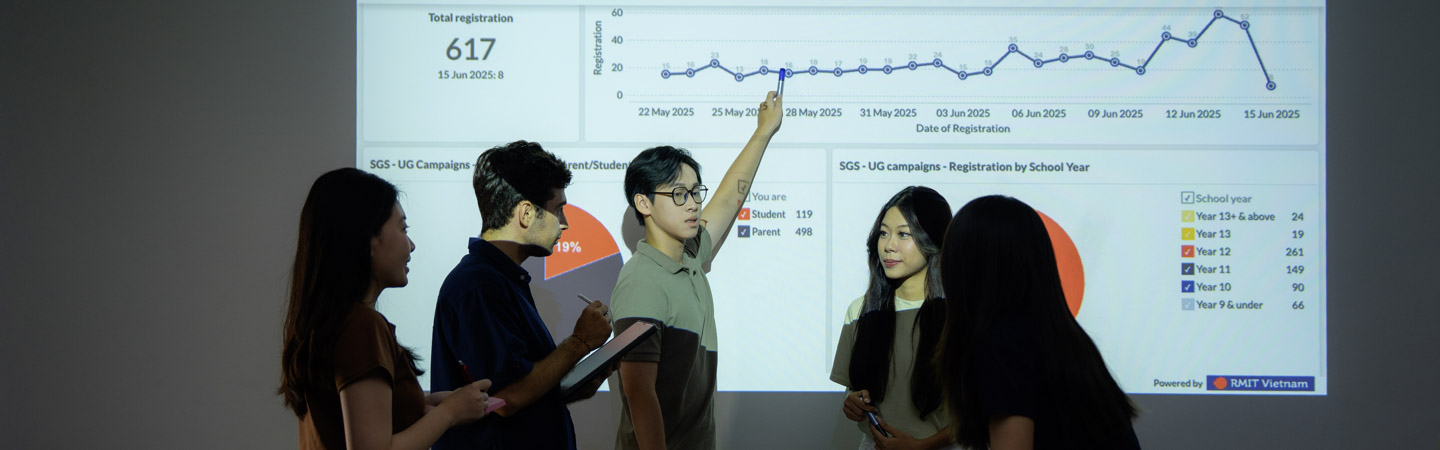
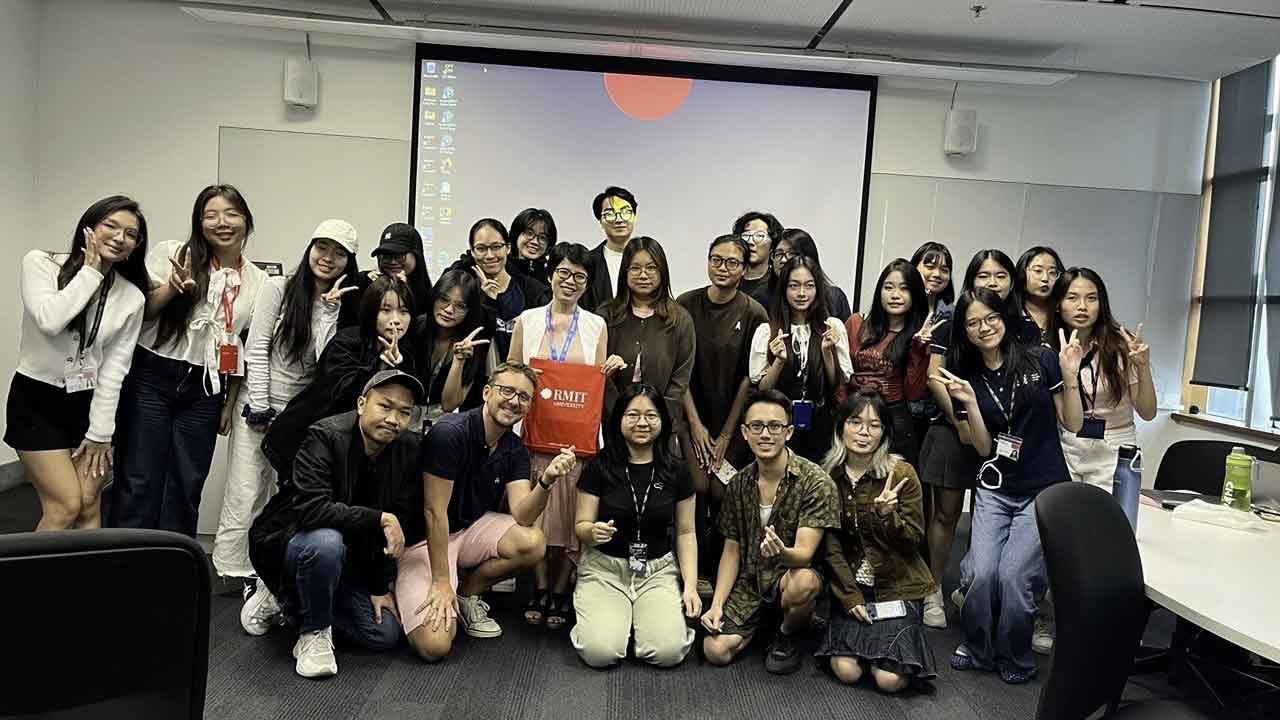
Group of students Dr Battin collaborated with Choice Vietnam, an NGO partner, to bring real-world relevance into the classroom.

“We don’t have to wait for the Course Experience Survey results,” Dr Battin noted. “If students say they’re struggling with a concept, we address it in the next class. It’s immediate and effective.” This responsiveness has led to a noticeable reduction in consultation requests, as students feel more supported and empowered.

Peer-to-peer feedback is also integrated into the learning design. In group activities, students present their work and receive anonymous feedback from classmates via QR-coded forms. This helps enhance the quality of feedback and build a sense of community and shared responsibility.

The blended model also opens doors to broader learning experiences. Guest lectures, once limited by scheduling constraints, are now accessible to all students across campuses through synchronous online sessions. “It’s no longer about one guest for one class,” Dr Parida explained. “Now, everyone benefits.”

Moreover, the Learning Design team’s framework is built on backward design, an approach where educators start by identifying the desired learning outcomes and assessments, then build course content and activities to help students reach those goals. This ensures that every activity has a clear purpose and contributes to the student’s overall development.

With thoughtful implementation, BL can support students across disciplines – enhancing engagement, deepening understanding, and preparing them for the realities of professional life.

Story: Ha Hoang

Related news