


Social entrepreneurship key to Southeast Asia's sustainable future
As Southeast Asia pursues a more sustainable future, social entrepreneurship is emerging as a powerful catalyst for addressing the region's most pressing social and environmental challenges.
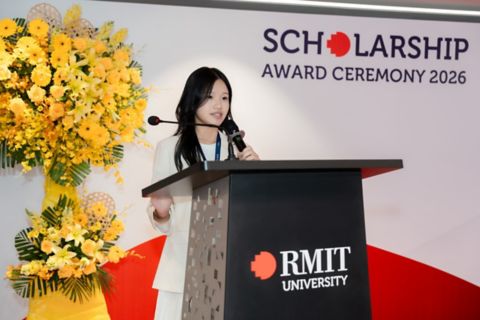
A future in business, inspired by creative industries
From leading media and music clubs in high school to studying business at RMIT, scholarship winner Nguyen Khanh Vi hopes to help creative ventures build sustainable futures.
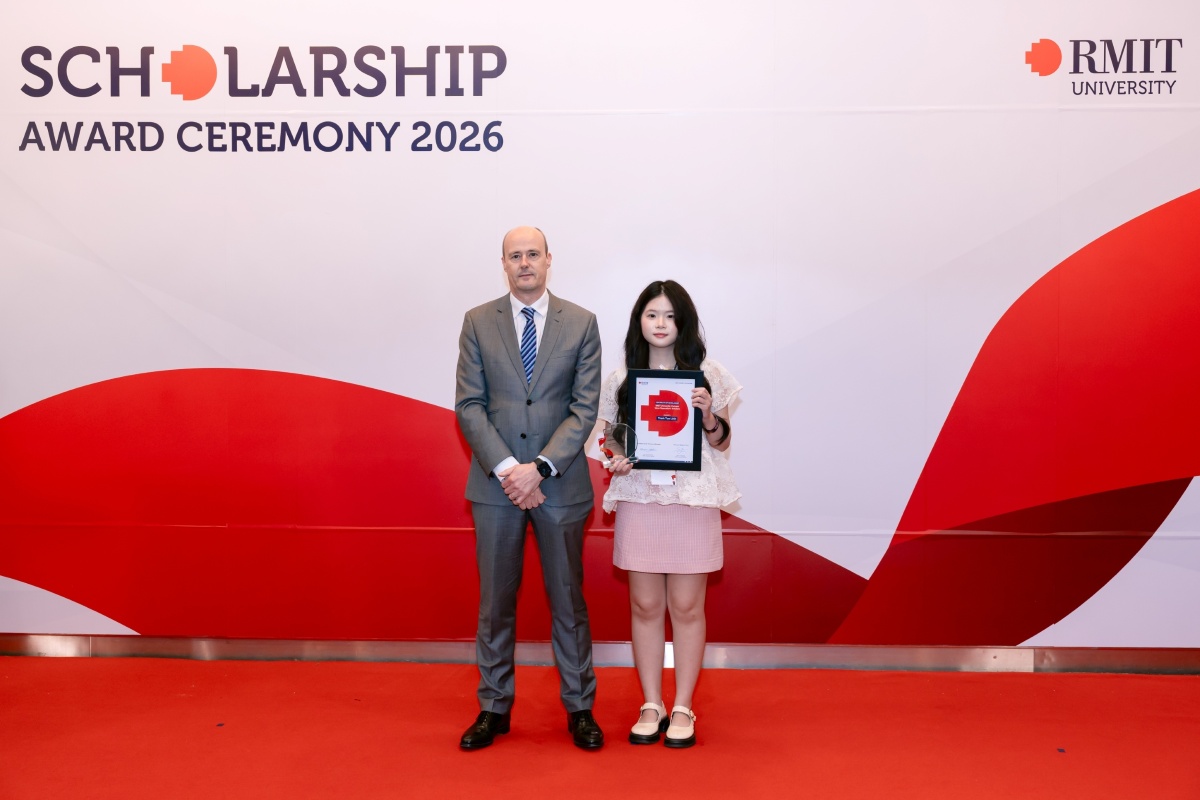
From school meal fund to bigger ambitions in finance
For many students, finance is associated with markets, investments, and business performance. For RMIT scholarship winner Trinh Tue Linh, it is a way of thinking about social problems.
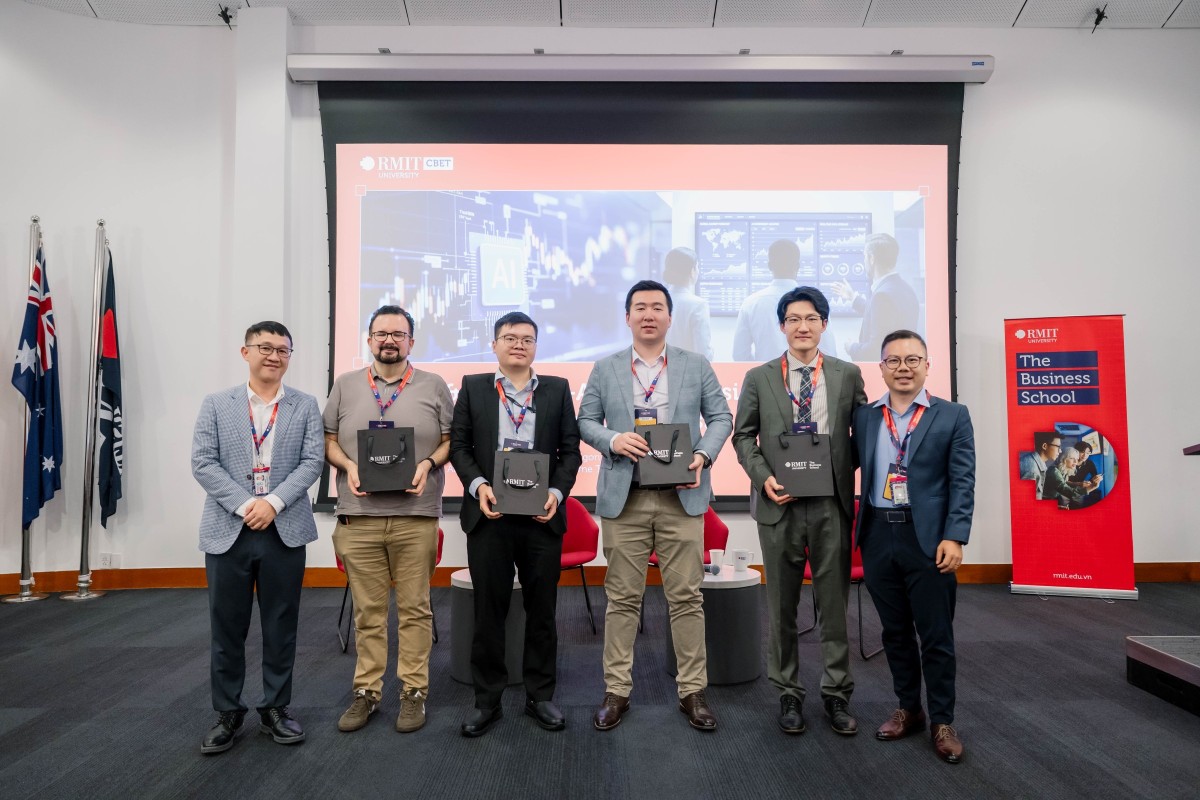
Separating signal from noise in AI-powered financial markets
As investors increasingly draw on news, social media and other alternative data sources, RMIT researchers are examining how AI-generated sentiment signals can be tested before they inform investment decisions.