
Understanding people – the building blocks of thoughtful leadership

Understanding people – the building blocks of thoughtful leadership

Organisational success depends on how people work together day to day. In the People & Organisations course, you’ll learn to understand workplace dynamics and lead with clarity, judgement and awareness.
Behind every strategy or process are people – each with their own motivations, assumptions and ways of working. When these don’t align, even the most well-designed plans can fall short. This is where leadership is truly tested.

The People & Organisations course helps MBA students understand and navigate this human layer of the workplace. It focuses on how leaders interpret situations, respond to complexity, and make decisions that are informed, ethical and grounded in evidence.

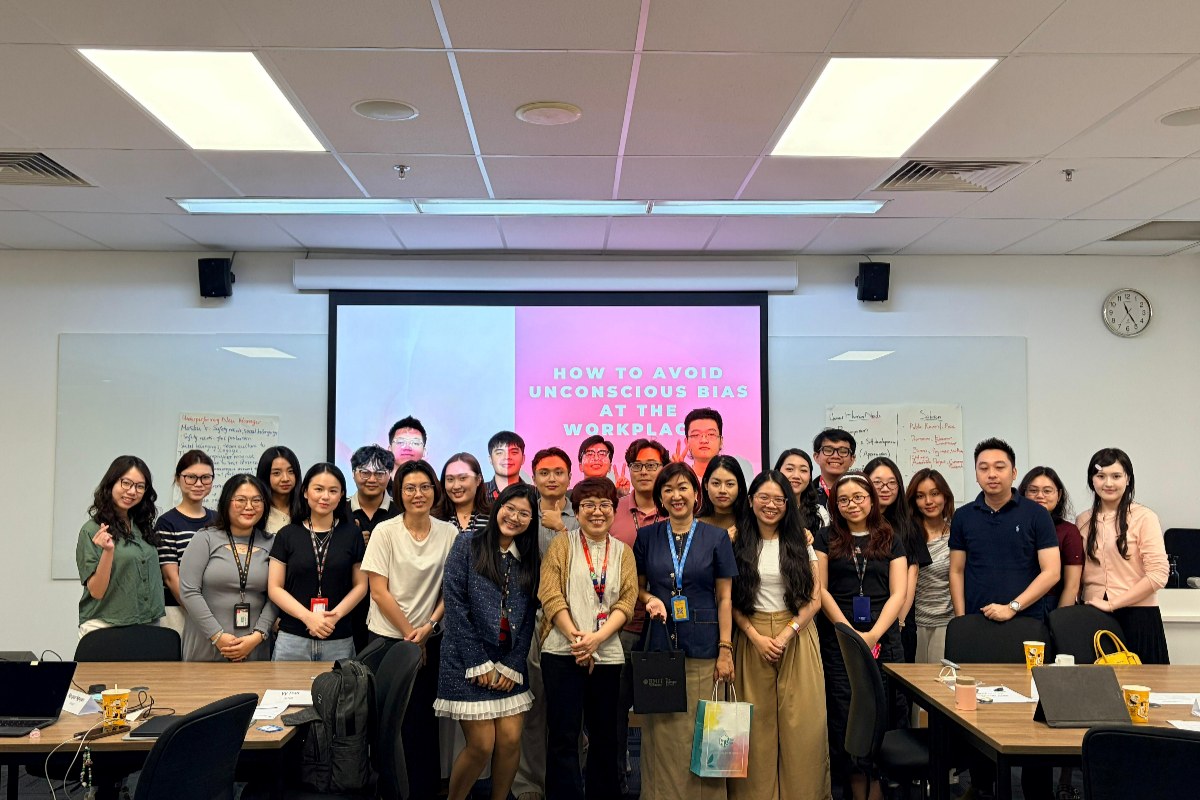
Group photo of a People and Organisations class standing together in a classroom, with a presentation slide behind them titled “How to avoid unconscious bias at the workplace.”

A key part of the course is learning to look at the same issue from different perspectives. Students are introduced to frameworks that encourage them to step back and examine workplace challenges from multiple angles – from structures and systems to relationships and culture. What seems straightforward often reveals deeper layers, helping students develop more thoughtful responses.

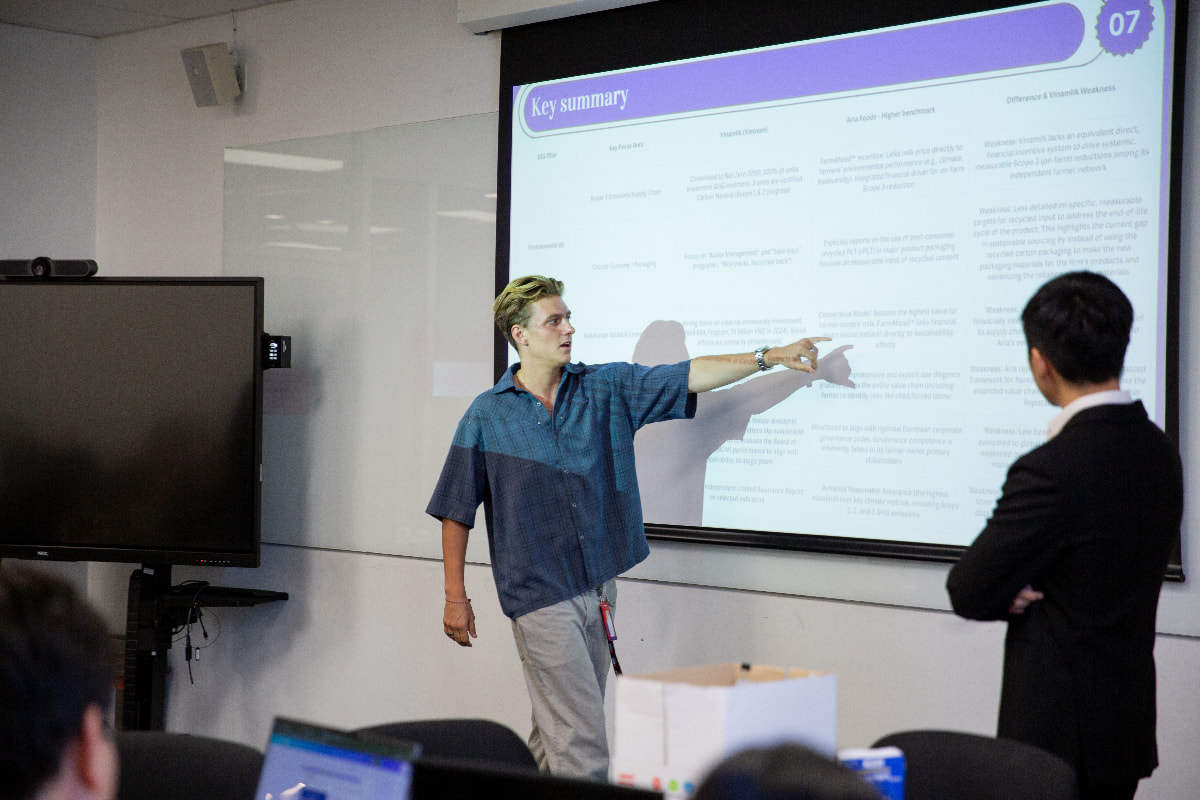
The learning experience is highly interactive. Through approaches such as LEGO® Serious Play®, students explore workplace dynamics in a more visual and reflective way – building models to represent relationships, challenges and team interactions. This kind of activity is valuable because it helps students apply course concepts in a practical, memorable, and highly engaging way.

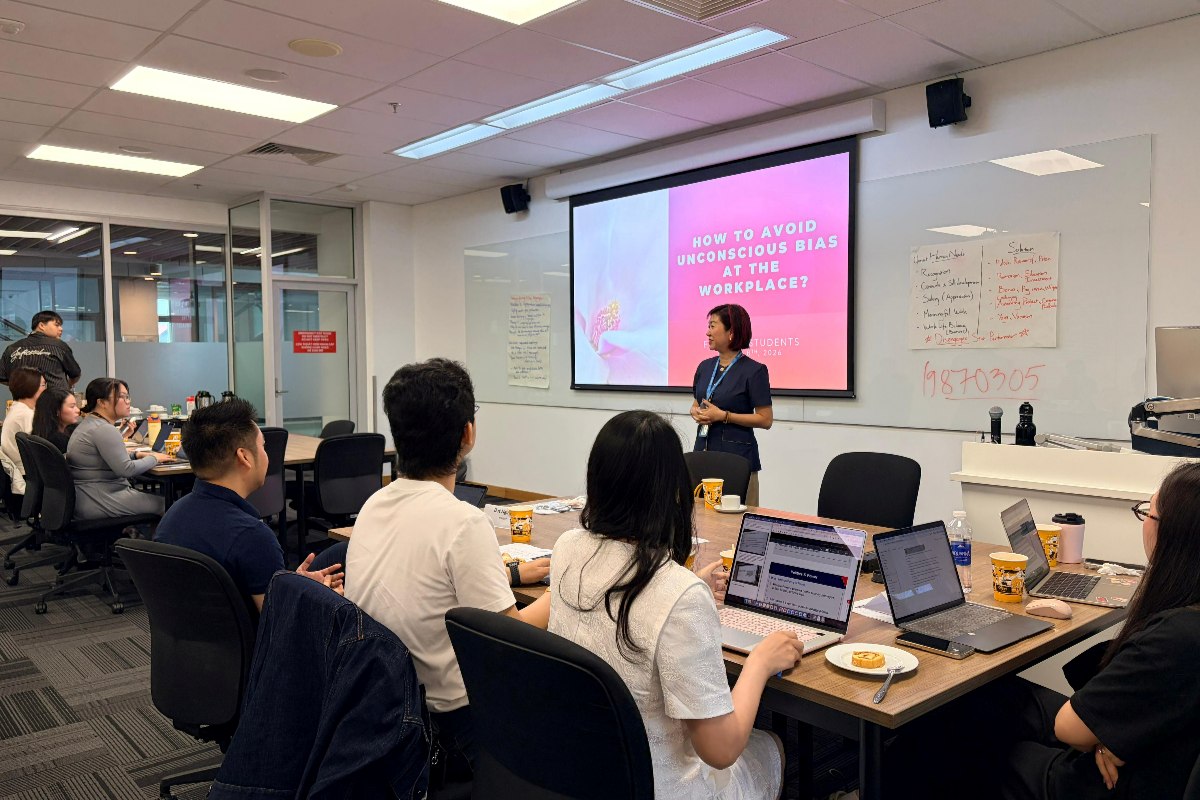
A lecturer stands at the front of an RMIT classroom delivering a presentation titled “How to avoid unconscious bias at the workplace?” while students sit at tables with laptops and notes, listening and taking part in the session.

Industry guest sessions add another practical dimension. For example, discussions around unconscious bias help students connect organisational behaviour concepts to everyday decisions – from hiring and performance evaluation to communication and teamwork.

Over time, students shift how they see leadership. It becomes less about having the right answer, and more about understanding what is really happening beneath the surface. They learn to question assumptions, consider multiple perspectives, and respond thoughtfully – whether leading teams or influencing upwards.

This builds capabilities that matter across roles – managing relationships, navigating complexity and leading change. More importantly, it helps students become leaders who respond to people-related challenges with clarity and sound judgement.

21 May 2026

Share

Related news