How sustainable thinking is reshaping global business at RMIT Vietnam

How sustainable thinking is reshaping global business at RMIT Vietnam

The “Sustainable International Business Futures” course equips students to lead with purpose – by treating sustainability as a strategic capability, not a side issue.

What if sustainability wasn’t a compliance checkbox – but the foundation of global business success?

In Sustainable International Business Futures, a core course in the Master of International Business (MIB) at RMIT Vietnam, students explore how long-term value is created not just through growth, but through ethical, environmental, and social responsibility. 

“I used to see sustainability as something abstract,” shared postgraduate student Rosie Ngo. “But this course helped me see international business in a much more realistic and responsible way. I now understand how it directly affects decisions, long-term growth, and competitiveness.”

That shift in mindset is exactly what Dr Nguyen Quynh Phuong aims to cultivate. “I want students to critically evaluate international business decisions through environmental, social and governance (ESG) lenses,” she explains. “Sustainability isn’t just ‘nice to have’ – it’s a strategic capability that shapes a firm’s legitimacy and resilience.”

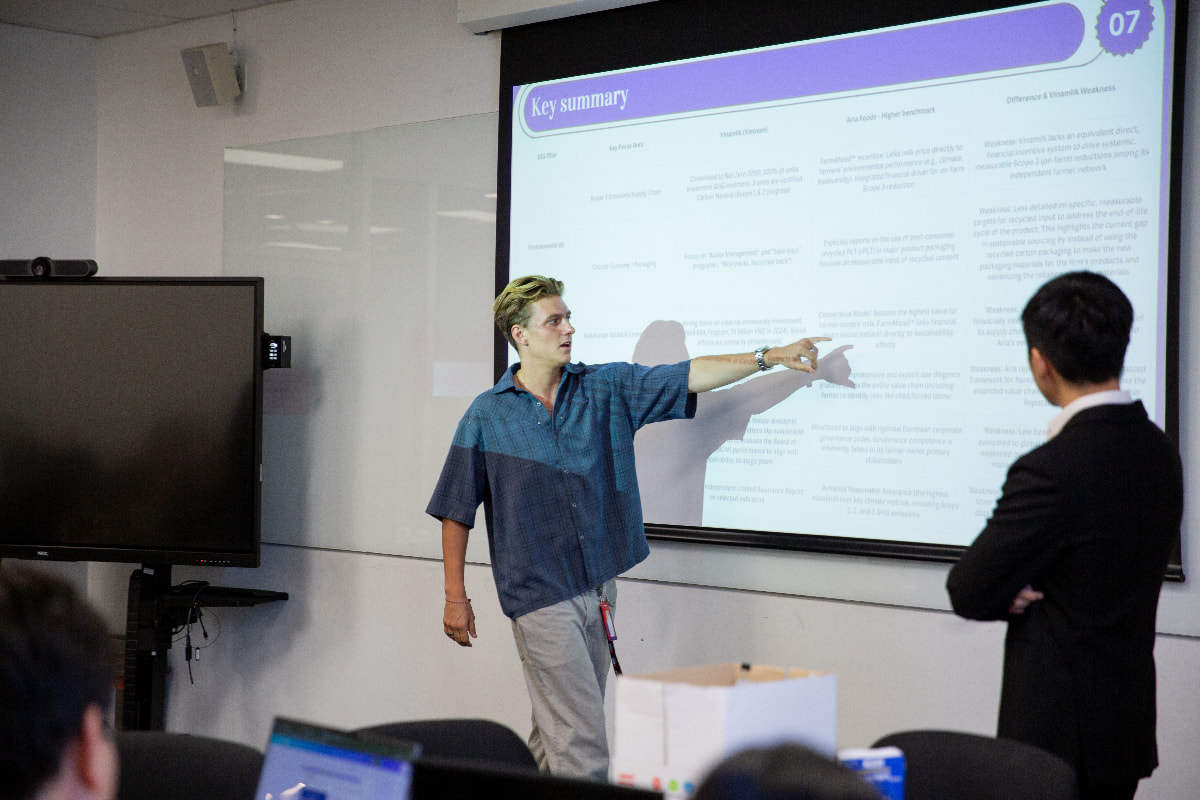
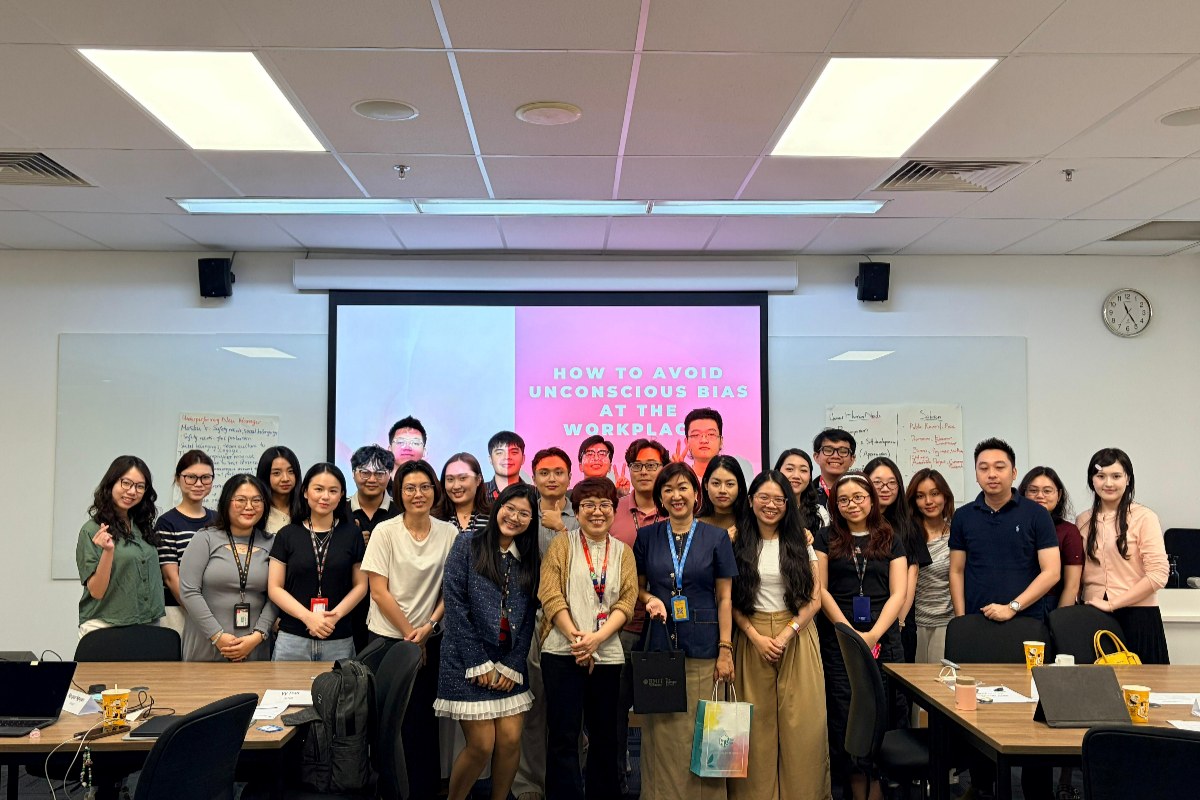
An MIB class at RMIT Vietnam in Sustainable International Business Futures course.

To bring this mindset to life, the course blends applied learning with industry engagement. In one assignment, students were tasked to investigate real sustainability challenges faced by Vinamilk, one of Vietnam’s largest multinational companies. The company’s Head of Sustainability & Operations, Ms Le Hoang Anh – joined a live session to hear student presentations and offer feedback – bridging theory and practice.

“Vinamilk wasn’t just a case study. We had to work with their real challenges, data, and constraints,” said Rosie. “It made me realise how sustainability strategies need to be practical, not just idealistic.” 

The course also introduces innovative teaching tools – from AI-powered tutor personas that help students test their knowledge, to peer teaching, where students take the lead in facilitating class learning. “It was my first time teaching peers,” said Rosie, “and it made the learning experience more memorable and active.”

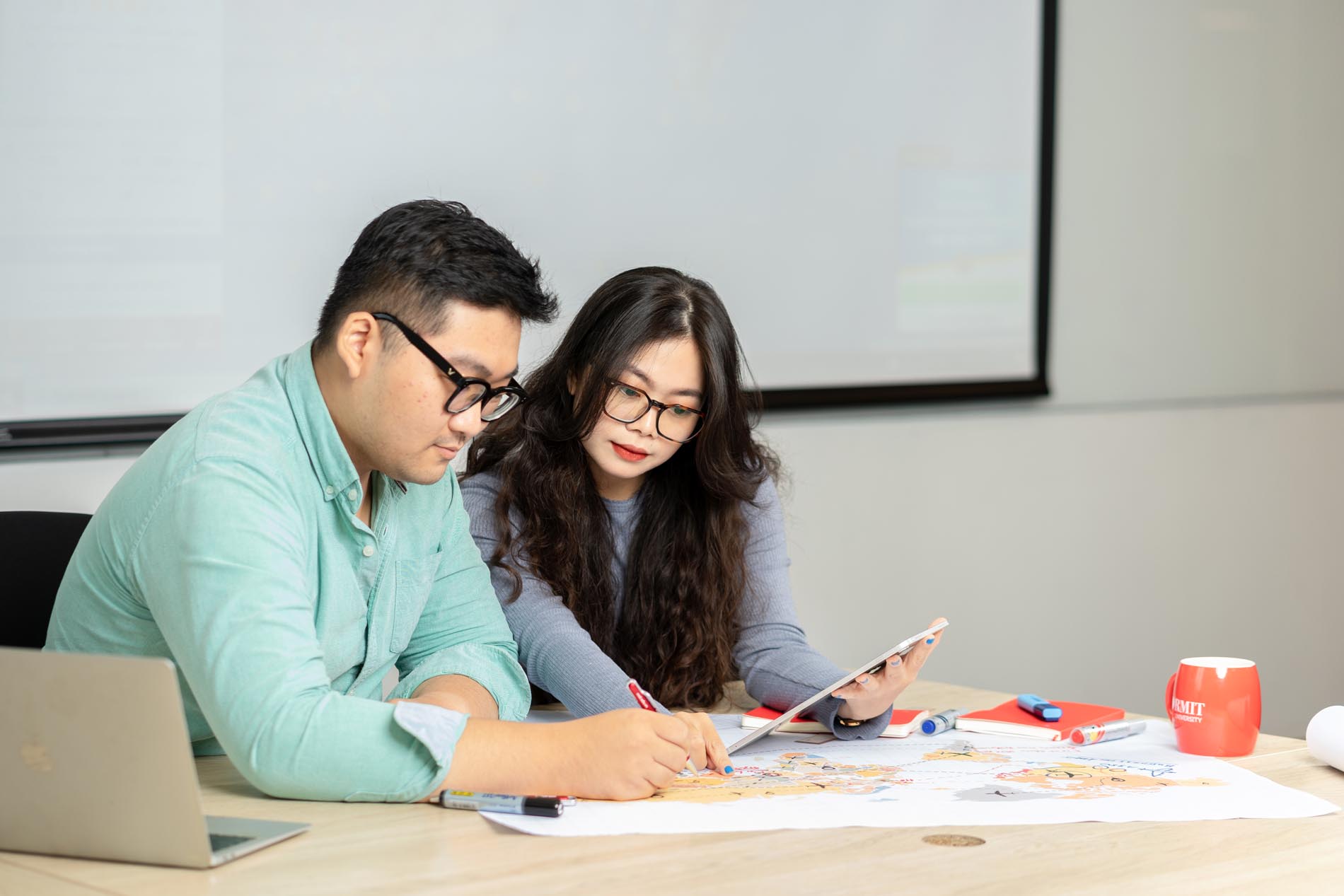
International collaboration is another core strength. Exchange student Philip Nielsen, from Denmark, said the cross-cultural collaboration was a standout. “Working in a diverse team helped us think more creatively,” he shared. “It was exciting to compare how sustainability is approached in different regions – it made our ideas stronger and more realistic.” 

This course plays a vital role in shaping the MIB program’s global, ethical and applied focus. Delivered by a business school recognised among the world’s top 6% with AACSB accreditation, it ensures students graduate with not just knowledge – but the credibility and confidence to lead on a global stage.

05 February 2026

Share

Related news