
RMIT and partners unite global expertise for wellbeing and safeguarding

RMIT and partners unite global expertise for wellbeing and safeguarding

More than 550 experts gathered in Ho Chi Minh City and Hanoi to exchange practical approaches to supporting the wellbeing, safety and inclusion of children and young people.
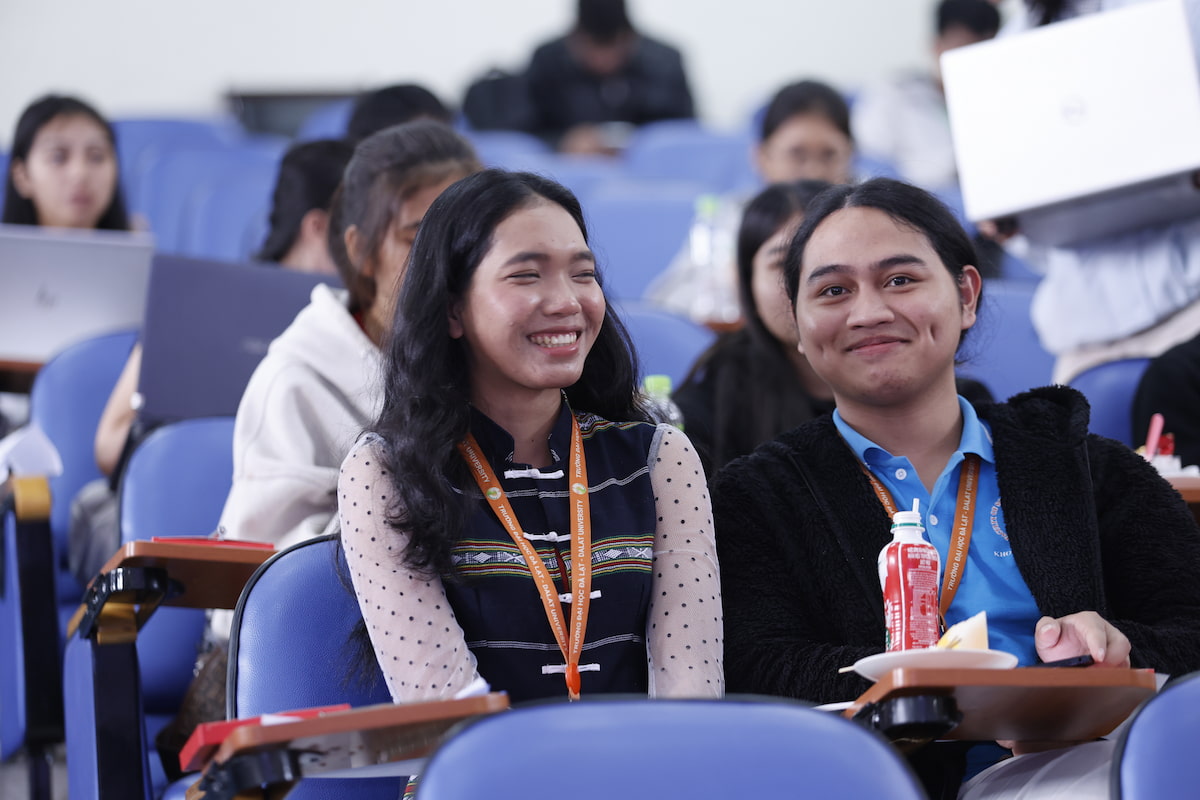
Children and teenagers today face increasingly complex challenges, ranging from mental health concerns and online safety risks to diverse learning and developmental needs. Yet these issues cannot be addressed through isolated approaches alone.

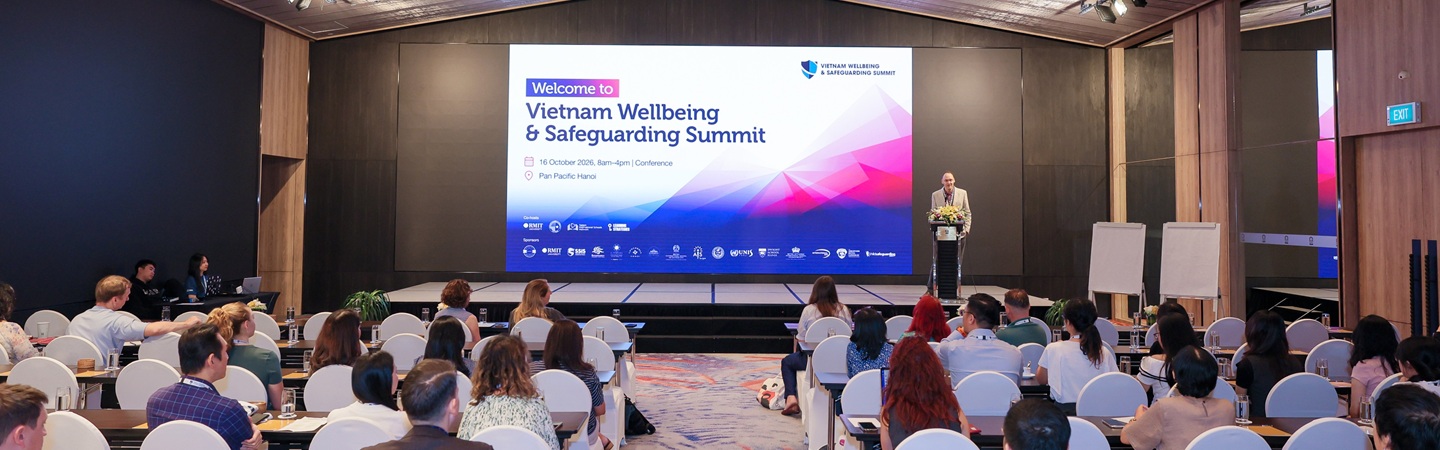
Recognising the need for greater collaboration across sectors, the Vietnam Wellbeing & Safeguarding Summit 2026 brought together educators, mental health practitioners, social workers and doctors from Vietnam and around the world. Co-hosted by RMIT Vietnam, AmCham Vietnam, Saigon South International School (SSIS) and Learning Strategies, the Summit featured nearly 50 presentations and workshops across three days in Ho Chi Minh City and Hanoi.

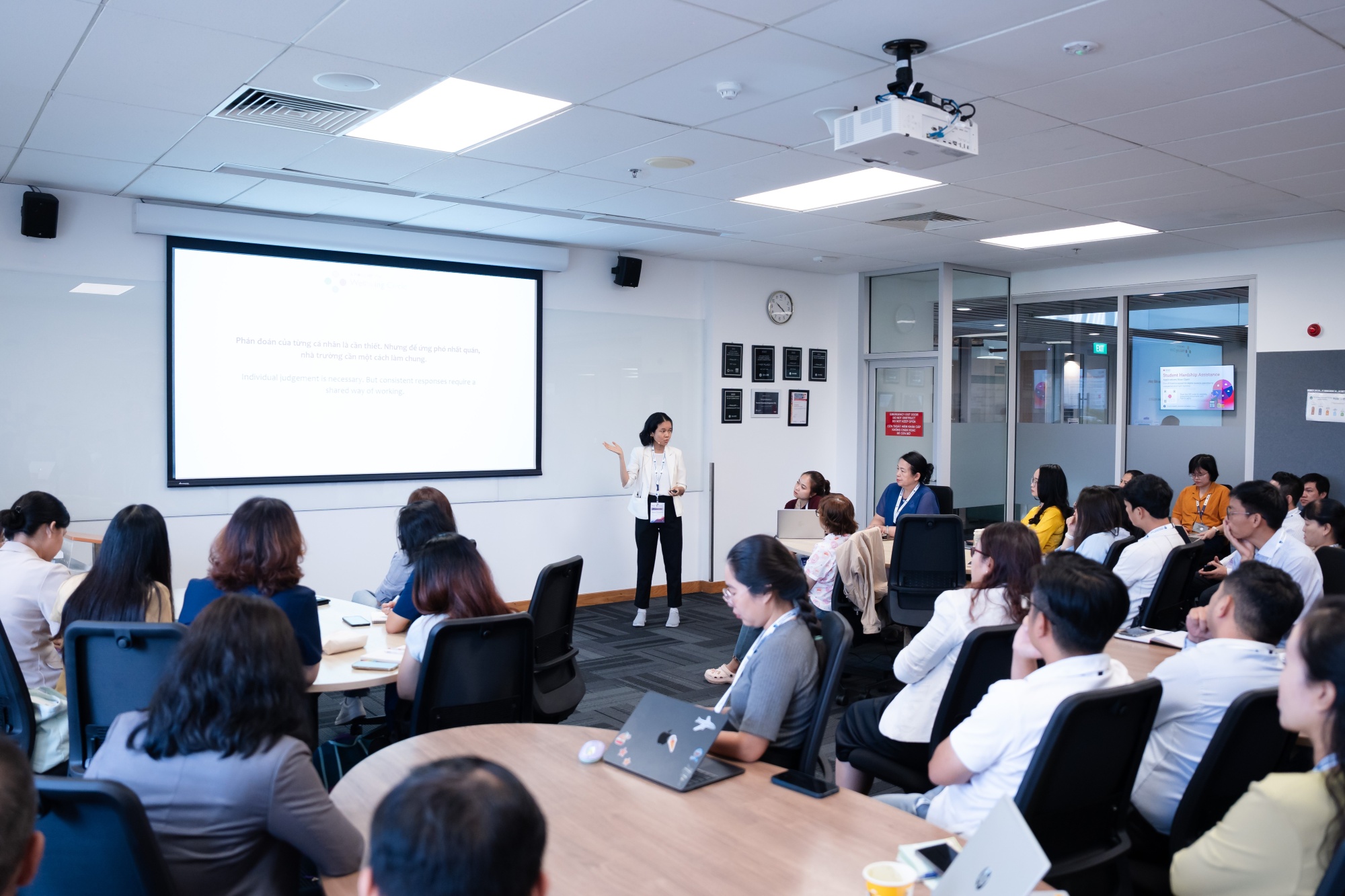
People listening to a presenterThe Summit features various well-attended workshops. (Photo: RMIT)

Throughout the Summit, speakers exchanged practical insights and evidence-based approaches across three key themes: Mental Health & Resilience, Safeguarding Practice, and Neurodiversity to advance professional practice and strengthen networks to provide coordinated care.

Mr Michael Tower, Associate Director, Wellbeing and Counselling at RMIT Vietnam, said the Summit seeks to advance organisational capacity to support mental health and address harmful behaviour.

“The Summit is an opportunity for professionals across Vietnam to learn from one another and strengthen practice to support children and families. Multi-agency coordination and shared professional development benefits both the providers and clients," he stated.

“With the support of sponsors and presenters from institutions across Vietnam, the Summit has become a unique learning opportunity for professionals as well as university students in the fields of psychology and social work.”

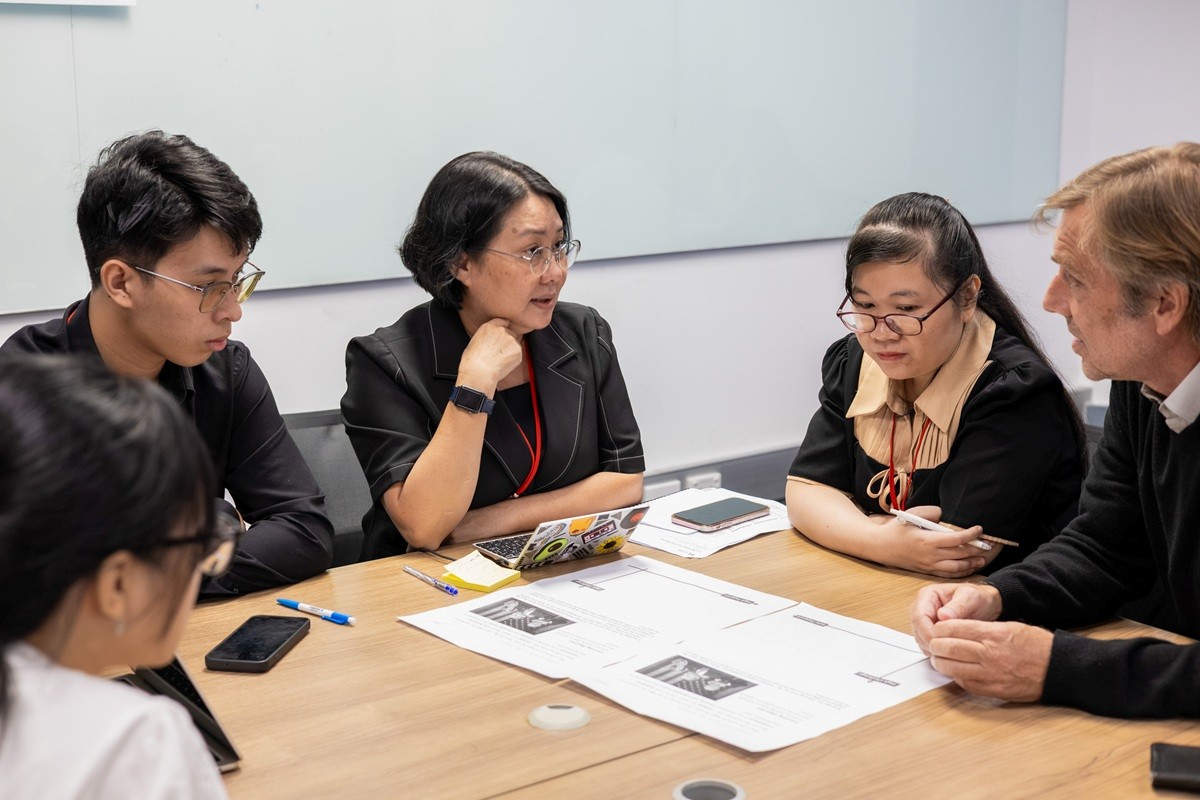
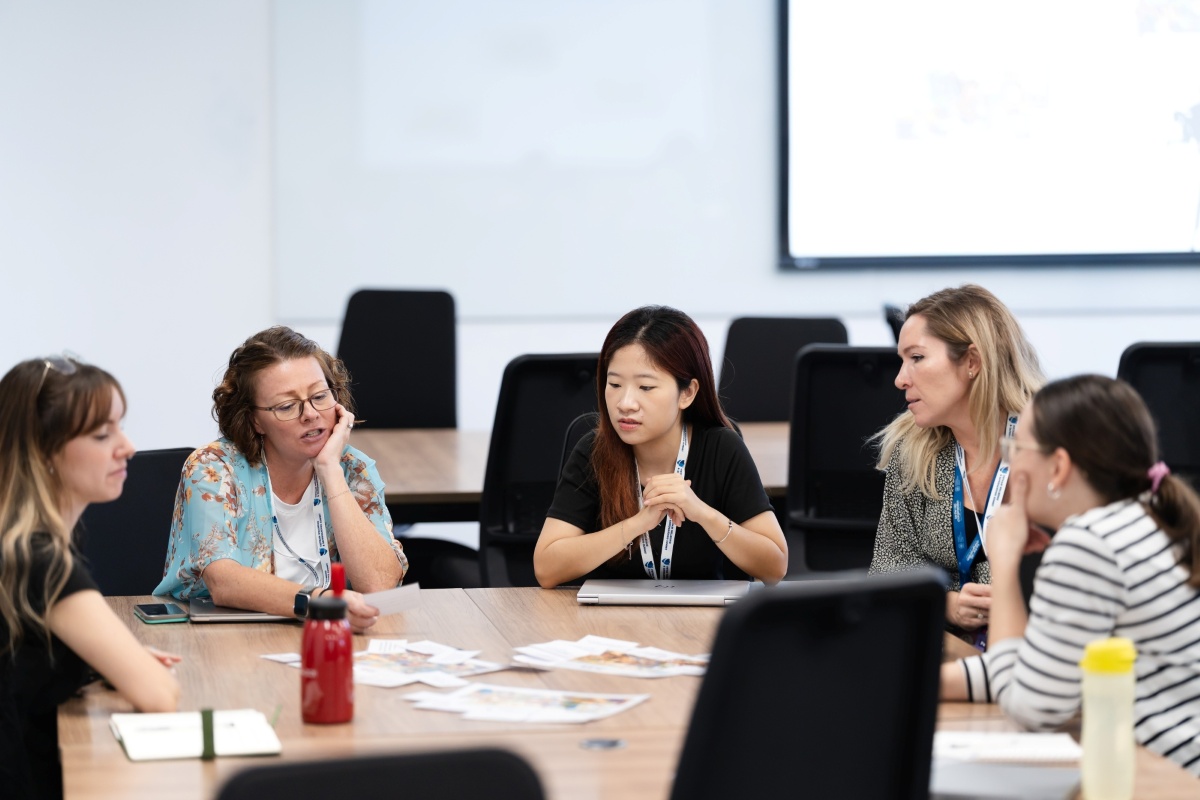
five people around a tableParticipants engaged in a group discussion. (Photo: RMIT)

One of the Summit's new features this year was the introduction of neurodiversity as a dedicated theme alongside mental health and safeguarding. The addition reflects rising interest in creating learning environments that recognise and accommodate differences in how individuals learn, communicate and develop.

Sessions explored topics related to autism, ADHD and other neurodevelopmental differences, while showcasing practical and research-informed approaches to helping learners reach their full potential.

Four people at a boothThe Summit featured a Provider Fair, where organisations working across wellbeing, safeguarding and related areas shared their work, resources and services with Summit attendees. (Photo: RMIT)

Mr Tony Louw, Founder and Managing Director of Learning Strategies, a Vietnam-based service provider that has supported children and families with neurodevelopmental differences since 2008, and one member of the Summit’s organising committee, highlighted the importance of introducing neurodiversity as a third key theme of the Summit.

“Introducing neurodiversity was a natural progression for the Summit. We began with child safety and safeguarding, then expanded into mental health as we recognised how closely the two are connected. Neurodevelopmental differences, including autism, ADHD and learning difficulties, add another important dimension,” he said.

"Children with these differences can be particularly vulnerable to mental health challenges and safeguarding risks, especially when their needs are misunderstood or unsupported. Recognising how these three areas intersect is essential if we are to provide children with the comprehensive support they need.”

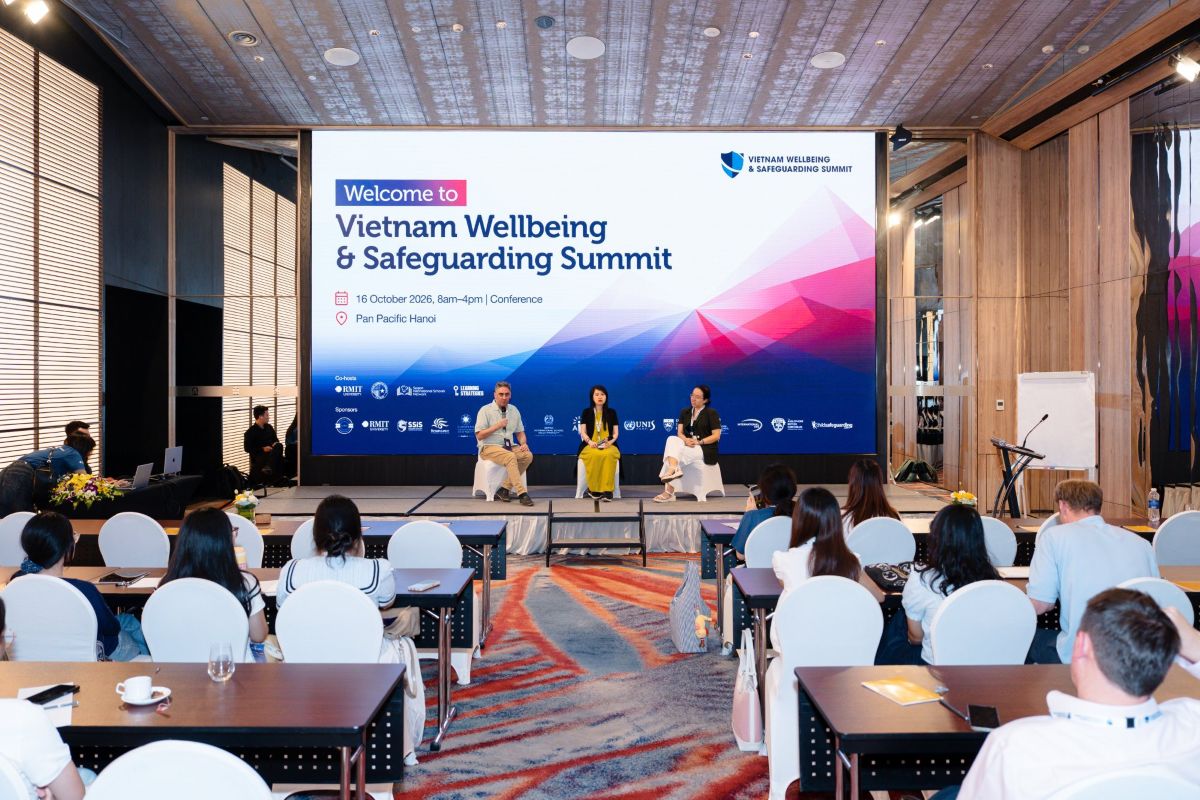
Audience listening to three people speaking on stageExperts discussed AI's impacts on Vietnamese young people's wellbeing and safety. (Photo: RMIT)

Speakers addressed a range of issues attracting increasing public attention. In Hanoi, sessions examined topics such as dating violence among university students and protecting children within digital ecosystems. Meanwhile, the Ho Chi Minh City program featured practical approaches to emotional regulation and the development of safeguarding cultures within educational settings.

Ms Toan Le, School Counsellor and Deputy Designated Safeguarding Lead at the International School Ho Chi Minh City - American Academy (ISHCMC-AA), and a recurring speaker at the Summit, said supporting young people's wellbeing requires stronger collaboration between families and schools.

“Parents and educators ultimately want the same thing: young people who feel safe, supported and able to thrive. When conversations are guided by empathy rather than judgement, families and schools are far more likely to find solutions together. For professionals, practicing self-compassion helps us recognise our own emotional reactions, create space to respond rather than react, and remain compassionate and grounded, especially when navigating difficult conversations with parents,” she said.

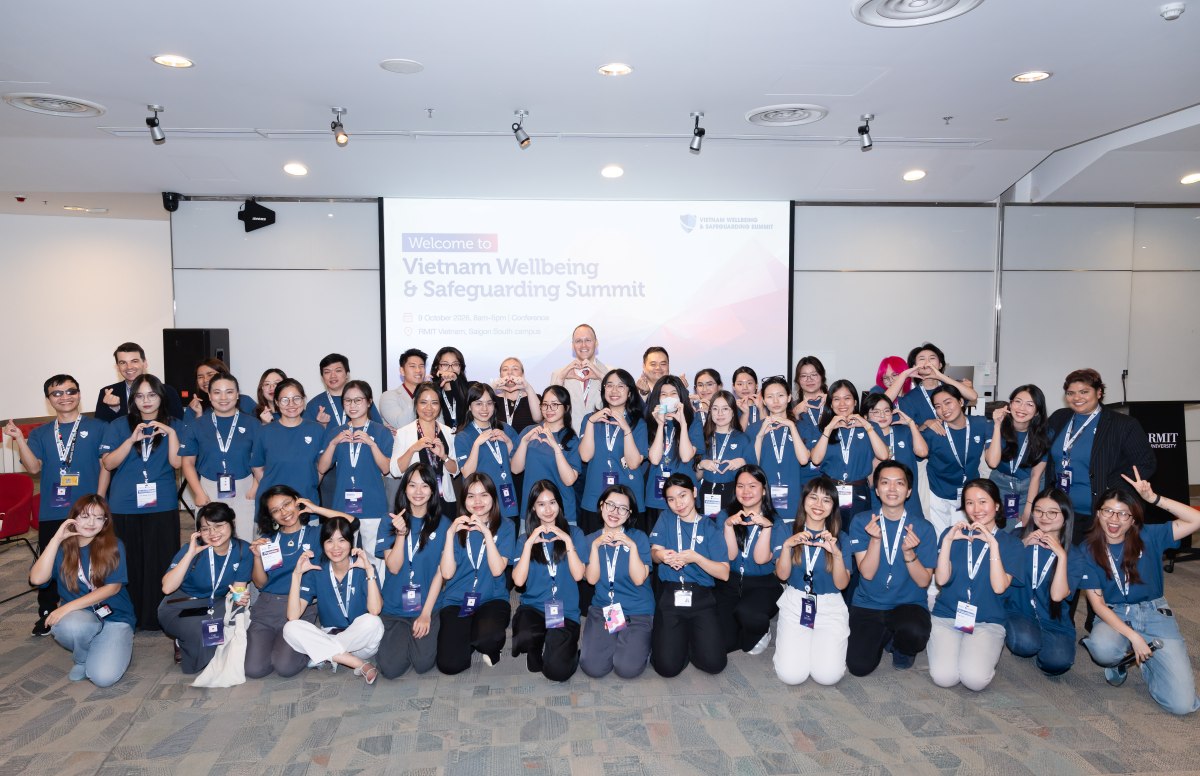
Group photoStaff and student volunteers from the RMIT organising team at the Ho Chi Minh City event. (Photo: RMIT)

This year marked the fifth edition of the Vietnam Wellbeing & Safeguarding Summit. What began as a small initiative in 2022 has grown into an annual forum held in both Ho Chi Minh City and Hanoi, bringing together a broad network of Vietnamese and international experts.

As the challenges facing children and young people continue to evolve, experts say the need for knowledge-sharing, professional learning and cross-sector collaboration will only become more important. Discussions at this year's Summit are expected to contribute to new practices and partnerships that support safer, more inclusive and more supportive learning environments for young people across Vietnam.

Story: Ngoc Hoang

Related news