
Sora is dead. AI slop is not.

Sora is dead. AI slop is not.

OpenAI has closed its video generation app Sora. RMIT academic Christian Berg argues that while one expensive tool has disappeared, the machinery that produces and rewards AI-generated junk content is still accelerating.

On 24 March 2026, OpenAI announced it would shut down Sora – a decision that reportedly led to the cancellation of a billion-dollar partnership with Disney. Sora had been burning through a million US dollars a day to serve fewer than half a million users. It was unsustainable, and its death was a business decision, not a moral one.

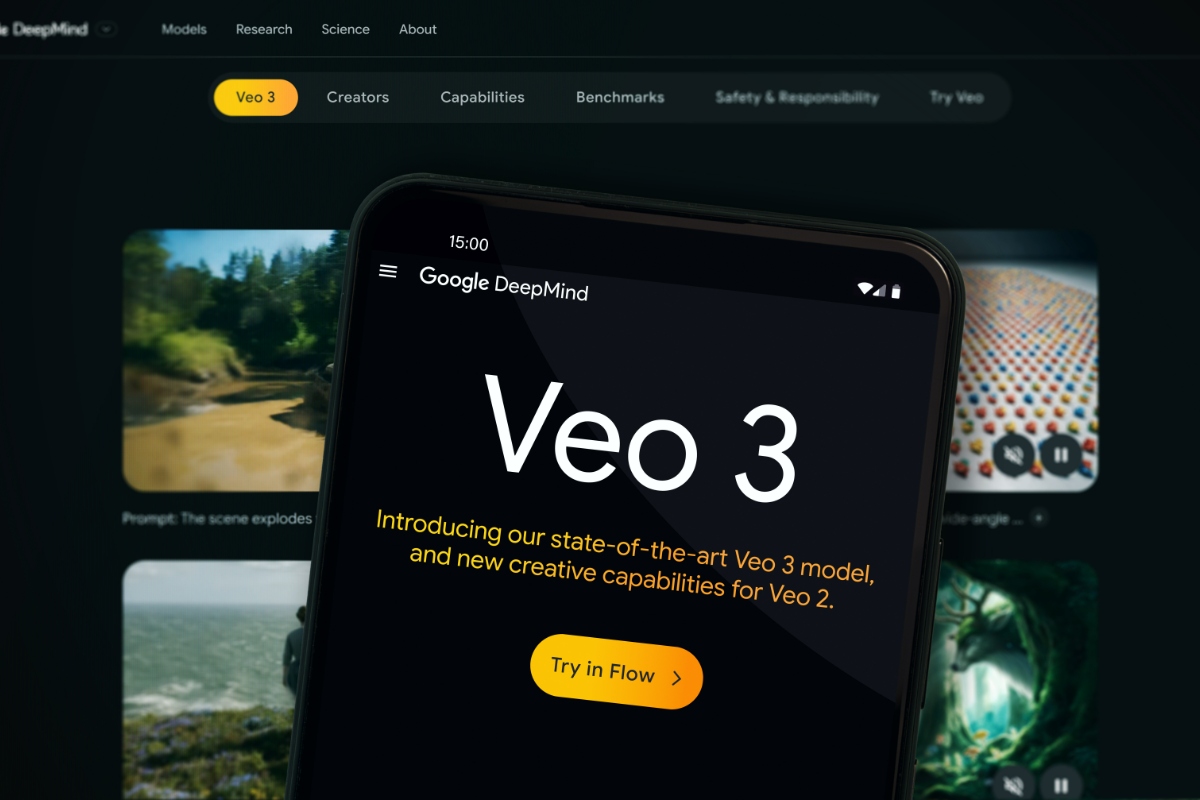
However, this changes nothing about AI slop. The content farms that flood Facebook and TikTok with AI-generated puppy images and fake disaster videos never depended on Sora specifically. Most slop is still image-based, produced with tools like Midjourney or open-source models running on cheap hardware. For video, Google's Veo is getting both better and cheaper — a new Lite tier launched days after Sora's announcement, at less than half the previous entry price. Other generative AI video platforms like Kling, Runway, and Pika remain viable. If anything, the market is becoming more competitive, not less.

More importantly, the open-source pipeline is maturing. Models like Alibaba’s Wan 2.2 can now generate video on a consumer GPU with as little as 6GB of video RAM (VRAM). Quality scales with hardware, but a slop operation doesn't need cinema-grade output — it needs volume. 

AI-generated singing dog video AI video generators are becoming more affordable and convenient. (Photo: Framestock - stock.adobe.com)

For Vietnam, this matters on two levels. Vietnamese creators are documented participants in the global AI slop economy, producing content that exploits Facebook's monetisation programs to earn advertising revenue from global audiences. At the same time, Vietnam's new AI Law, effective since 1 March 2026, now mandates that AI-generated audio, image, and video content be labelled in a machine-readable format. On paper, this gives the authorities a tool to regulate slop production domestically. In practice, the implementation guidelines remain unwritten, and enforcement against small-scale Facebook content farms is unlikely to be a priority.

Sora's death is a footnote. The business logic that sustains AI slop remains fully intact: tools are getting cheaper, platforms still reward engagement over quality, and low‑cost creators can produce content in one market and monetise it in wealthier ones. Until platform incentives change and enforcement moves beyond paper regulations, AI slop will continue to scale, with or without headline-grabbing tools like Sora.

Story: Christian Berg, Associate Lecturer in Digital Media, RMIT University Vietnam

Masthead image: Prasanth - stock.adobe.com | Thumbnail image: maurice norbert - stock.adobe.com

Related news