Q: Why does this gap between attitudes and behaviour matter?
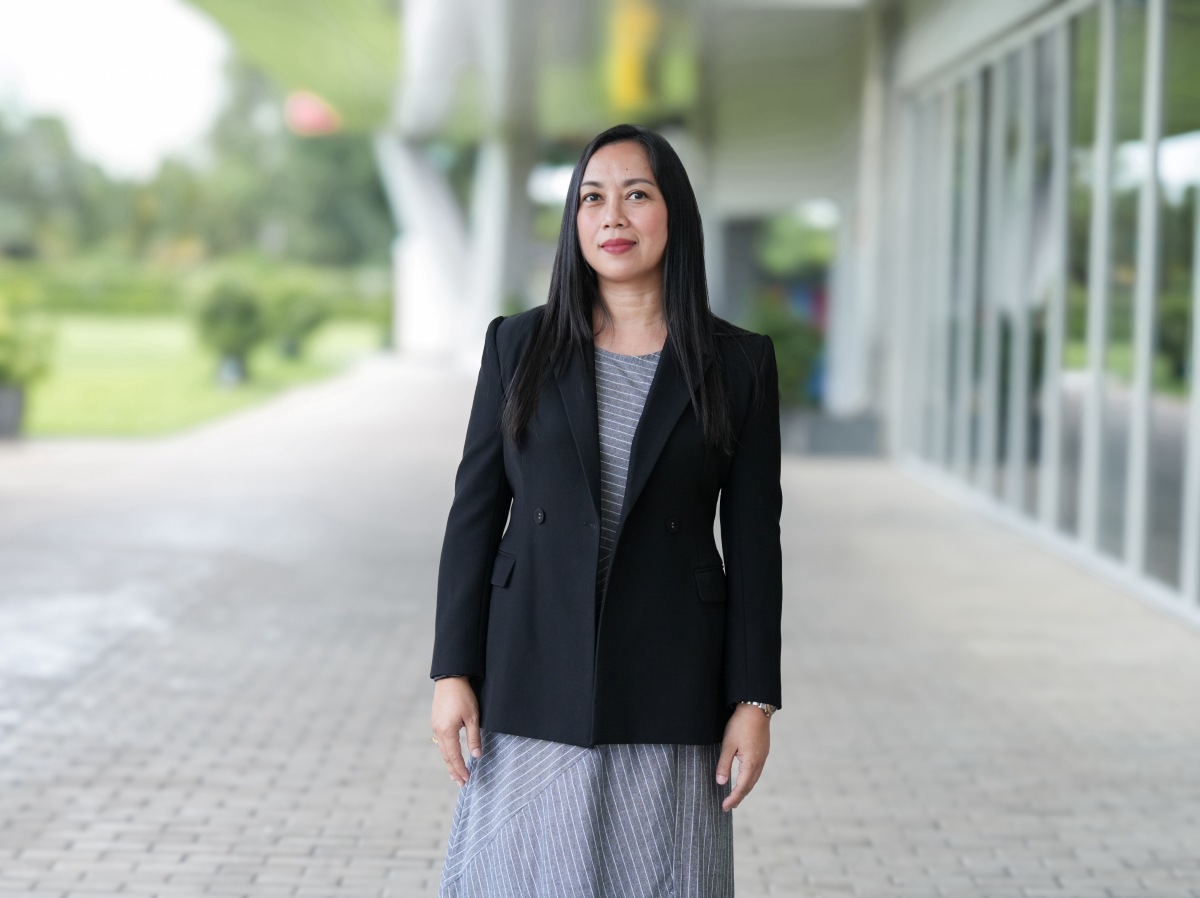
Dr Alrence Halibas: It matters because many sustainability campaigns assume that if people know more, they will automatically make better choices. Our research suggests that reality is much more complicated.
The growing research focus on behavioural and psychological factors reflects recognition that consumer decisions are influenced by much more than knowledge alone. Economic pressures, social expectations and lifestyle preferences all play a role. If sustainable products are expensive, difficult to access or less convenient, even environmentally conscious consumers may choose alternatives.
Understanding these barriers is essential if we want to encourage lasting behavioural change, particularly in fast-growing economies where rising consumption can have significant environmental impacts.
Q: What do your findings mean for businesses and policymakers in Vietnam?
Dr Alrence Halibas: For businesses, the message is clear: sustainability should not be treated as a marketing campaign but as part of the entire business strategy. Gen Z values transparency, ethical sourcing and authentic communication.
Our study found growing research interest in topics such as corporate social responsibility, green advertising and the circular economy, suggesting that consumers increasingly expect companies to demonstrate genuine commitment rather than simply making sustainability claims. Young consumers are also becoming more capable of identifying greenwashing.
For policymakers, the findings highlight the importance of sustainability education, stronger environmental policies and incentives that make sustainable choices easier and more affordable. Vietnam's young, digitally connected population presents a significant opportunity to accelerate sustainable consumption, but success will depend on creating an environment where sustainable choices are practical as well as desirable.
Q: What is the biggest lesson from your research?
Dr Alrence Halibas: One of the biggest lessons is that sustainability is a shared responsibility.
Businesses need to offer genuinely sustainable products and communicate honestly. Governments need supportive policies and incentives. Researchers need to continue investigating why consumers sometimes struggle to translate good intentions into actual behaviour.
Only by working together can we close the gap between sustainable attitudes and sustainable actions.
Q: What should happen next?
Dr Alrence Halibas: The most important message is that young consumers are already shaping today's marketplace. If we want a more sustainable future, we need to understand how they make decisions and create environments that make sustainable choices easier, more affordable and more attractive.
We hope to see sustainability become a normal part of everyday consumer decision-making rather than a niche concern. If businesses, consumers and governments can work together, Vietnam has a strong opportunity to become a regional leader in sustainable consumption.
This challenge is one of the emerging societal shifts explored in The Ripple Theory, a series of expert perspectives informed by research from RMIT University Vietnam. By connecting academic insight with real-world stories, the series helps readers gain a deeper understanding of the shifts unfolding across the economy, society, environment, and technological world, while exploring solutions and opportunities for what lies ahead.
Read the full study at: https://doi.org/10.1108/YC-11-2024-2327.
Story: Ha Hoang
Thumbnail image: Sarah Chai – pexels.com