
Where is value being created in hospitality real estate?

Where is value being created in hospitality real estate?

At a forum hosted by RMIT Vietnam, experts discussed changing traveller preferences and evolving investment priorities in hospitality real estate amid Vietnam’s tourism boom.
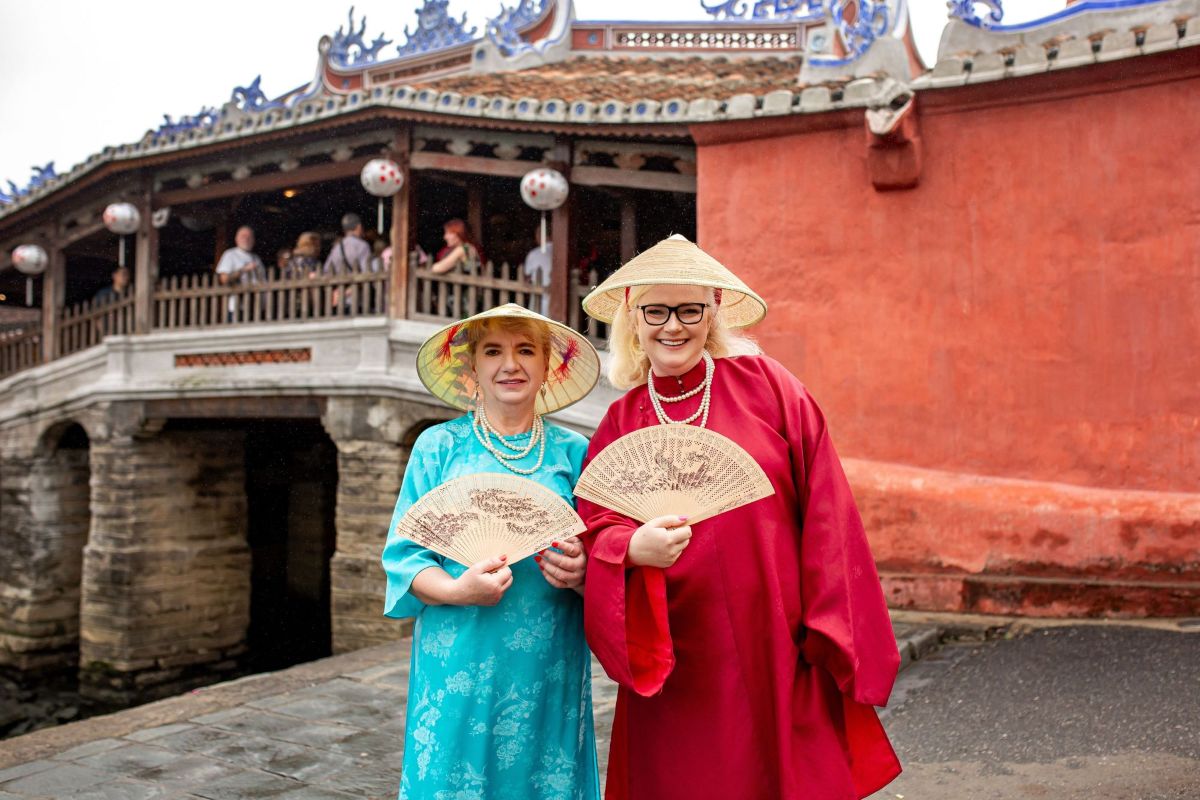
Tourism growth is creating fresh opportunities for Vietnam’s hospitality industry. International arrivals are expected to reach a new record in 2026, while domestic tourism continues to support demand across a growing range of destinations. As the sector expands, investors, developers and operators are adjusting their strategies in response to changing market conditions and traveller expectations.

These themes were explored at the Hotel Real Estate and Asset Management Forum hosted by RMIT Vietnam, which brought together industry experts from JLL, CBRE and Indochina Kajima Development.

Strong demand, tight supply in cities

In her presentation, Ms Trang Le, Country Head and Head of Research and Consultancy at JLL Vietnam, said Vietnam’s growth now rests on three pillars: manufacturing, infrastructure investment and domestic consumption. That shift is feeding directly into hospitality.

A women holding a microphone and speakingMs Trang Le provided a review of the developments and opportunities in Vietnam’s hotel and hospitality sector. (Photo: RMIT)

While demand from both international and domestic travellers is growing, the supply picture varies by market. JLL research shows Ho Chi Minh City has just 0.5 hotel rooms per thousand tourist arrivals, lower than other major destinations like Hanoi, Da Nang and Khanh Hoa. Meanwhile, most new supply is heading to the island of Phu Quoc.

What travellers want is also shifting. “They are not looking for modern, developed brick-and-mortar properties anymore. They are looking for the experience,” Ms Trang said, prompting hotel operators to focus on differentiation and authenticity.

When money gets expensive

Mr Lawrence Lennon, Director of Capital Markets at CBRE Vietnam, offered the investor’s view. Current high mortgage rates averaged around 10-12% in Q3 2026. This has made “getting a deal done in a high-interest rate environment very challenging”. Rising construction costs are also pushing investors to weigh buying against building, and for now many are leaning towards buying operating hotels, which carries less risk.

He sees an upside in the squeeze. Higher costs tend to slow new supply, which he regards as one of the healthiest things for market performance, and he believes many are underestimating this tempering effect. In his view, the past five years were defined by administrative constraints such as slow permits, while the coming period will be defined by cost constraints.

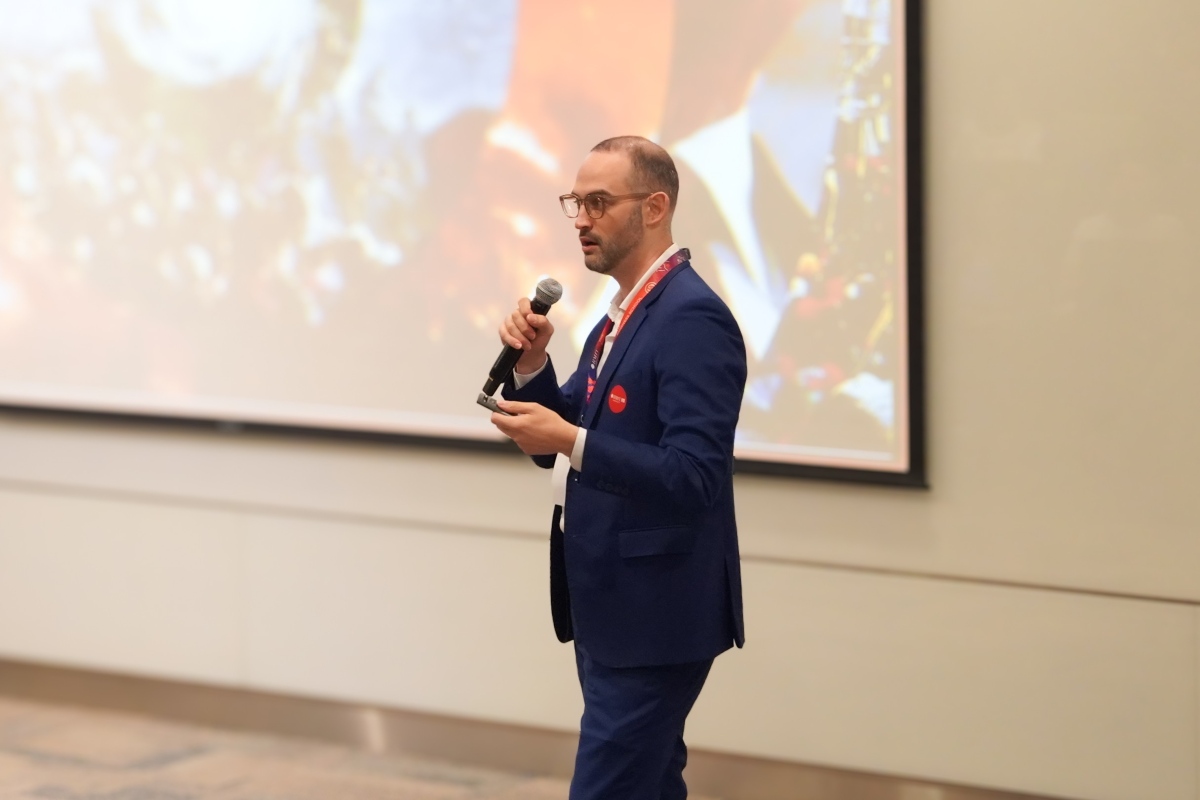
A man speaking on stageMr Lawrence Lennon discussed how investors assess value, risk and opportunity in the hotel real estate sector. (Photo: RMIT)

For Mr Baron Ah Moo, Senior Vice President of Asset Management at Indochina Kajima Development, the starting point when deciding whether to build or buy in the current climate is the owner’s goals.

“It is about your appetite for risk and your horizon for how long you want to hold the asset,” he said. Investors, therefore, should be clear whether they are pursuing steady yield, long-term wealth or a shorter-term exit. Building brings development risk, he noted, which can be reduced by acquiring an existing property and converting it.

Whatever the strategy, he stressed that no spreadsheet replaces knowing a place. Forecasting how a location will evolve means getting out on the ground: “You have to go there and sit on the land and look at what else is happening.” That is especially true in Vietnam, he added, where the market is “changing quickly”.

International brand, local character, or both?

A central question for owners is whether an international hotel brand justifies its cost. The brand brings recognition, distribution and consistency, but also fees, standards and contractual obligations. The panel’s answer was that there is no single right choice.

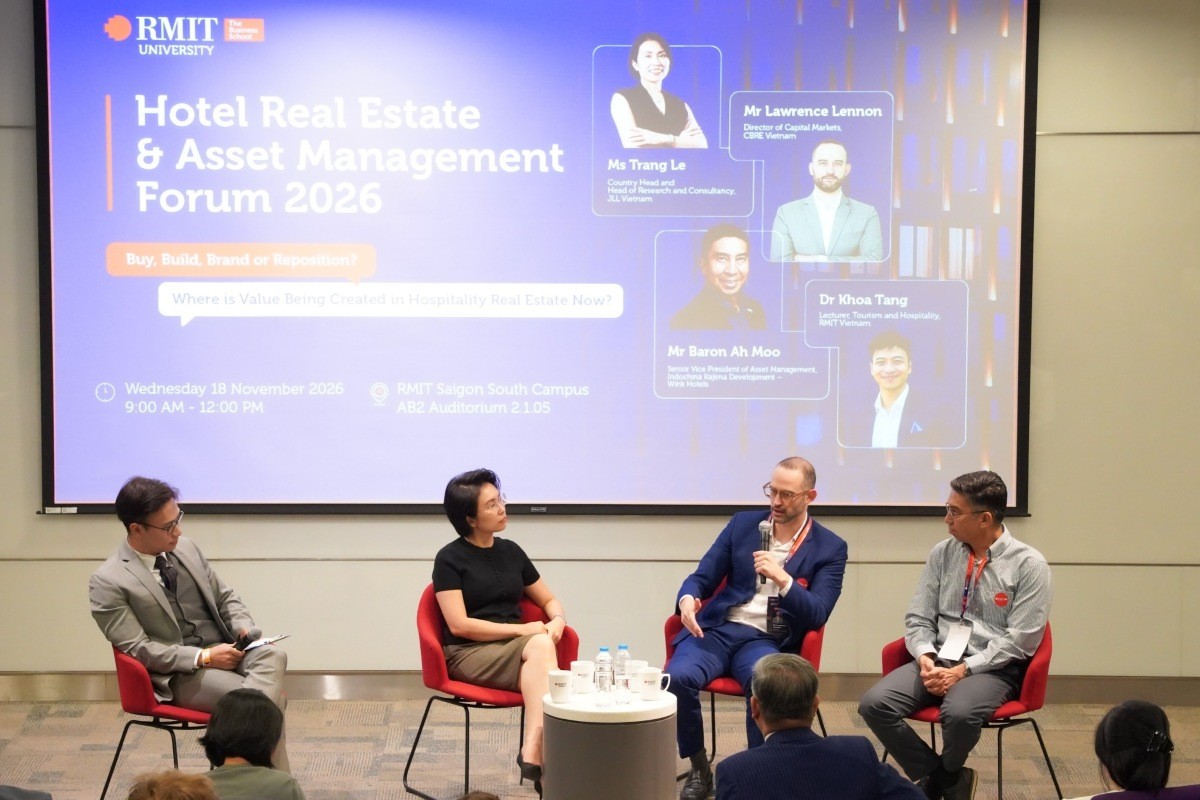
Four people sitting in a panel discussion(From right to left) Mr Baron Ah Moo, Mr Lawrence Lennon and Ms Trang Le joined a panel discussion moderated by Dr Khoa Tang, RMIT Lecturer in Tourism & Hospitality Management. (Photo: RMIT)

Mr Lennon said it depends on who owns the property. An owner with little experience running hotels may benefit from an international operator’s expertise and marketing reach. An owner with a strong food and beverage offering, or a location that sells itself, may do better by avoiding those fees and building something distinctive. He believes Vietnam “has the potential to build excellent boutique hotel chains”.

Ms Trang said the decision should be shaped by the end user, as the operator must follow what the target guest wants. Traditional brand standardisation, she noted, can feel out of step with a new generation of travellers, and hospitality changes faster than most property sectors because it is so closely tied to individual preferences. Whichever route owners take, she said, the common thread is a focus on the experience.

From borrowing costs and construction prices to new supply and shifting guest expectations, many pieces of Vietnam’s hospitality market are changing concurrently. Yet industry experts at RMIT’s forum agreed that the opportunities remain considerable for investors and operators who keep pace with these shifts and stay close to what travellers want.

Story: Ngoc Hoang

26 November 2026

Share

Related news