


Studies have shown that algorithms often lack “personalisation”, treating workers as interchangeable data points rather than individuals with unique needs. This dehumanised approach creates emotional exhaustion in workers. Social isolation intensifies this pressure: the lack of peer support removes a critical recovery system from work-related stress, increasing risk of loneliness and depressive symptoms.
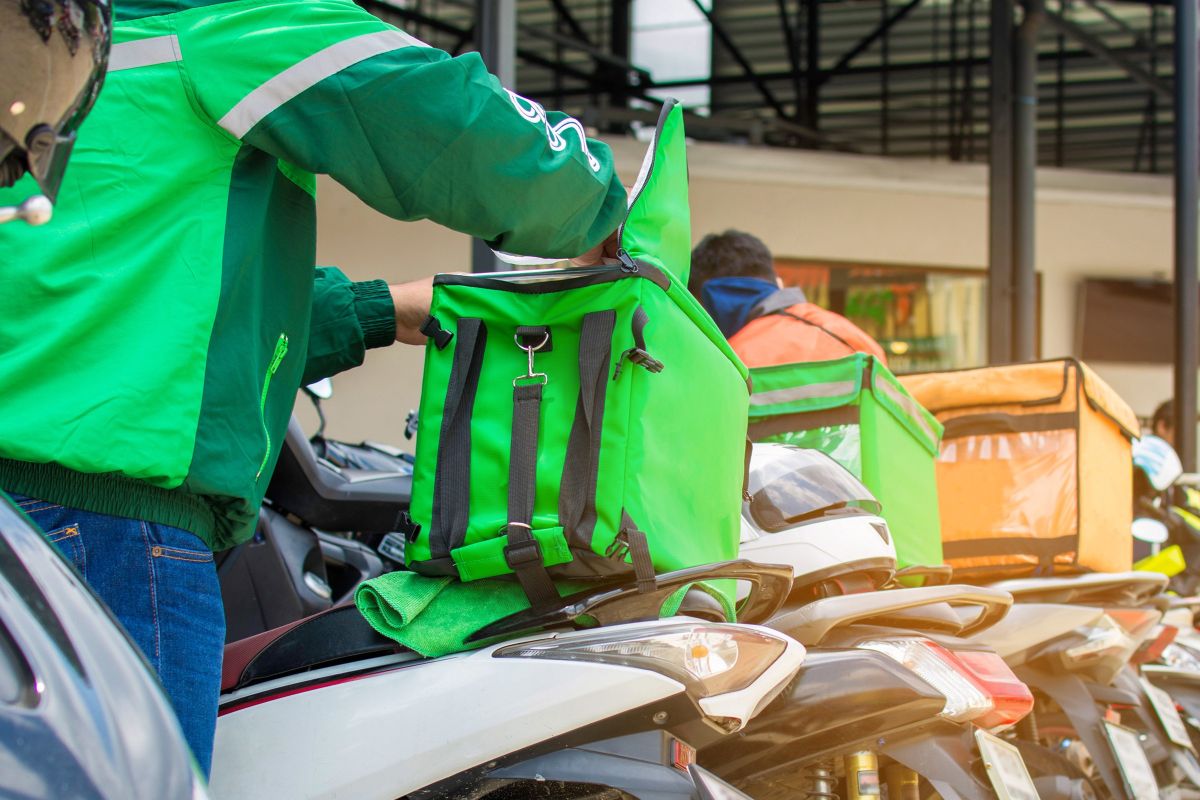
In Vietnam, ride-hailing and delivery workers form the backbone of last-mile services in big cities, yet they do so in high-risk conditions. For example, a 2023 study reported that more than half of food delivery riders in Ho Chi Minh City and Hanoi experienced non-fatal crashes within a year, highlighting the physical toll of speed-driven work.
Despite being central to the platform economy, they remain highly replaceable and largely unsupported. Unlike traditional employees, they have no managers to check in on their wellbeing, no structured mental health resources, and limited ability to contest unfair decisions.
This creates what many describe as a “pressure cooker” environment that produces stress, fatigue, burnout, and a persistent sense of insecurity. These conditions could result in health-compromising behaviours, such as alcohol and cigarette consumption, lack of sleep, and loss of appetite.
Can technology protect the wellbeing of ride-hailing workers?
Addressing the problem requires more than small design tweaks. It calls for a combined shift in both platform practices and Vietnam’s public policy.
On the technology side, platforms can begin by using their existing systems more responsibly, such as adding wellbeing nudges to the apps to remind workers to rest, hydrate, or slow down after long hours. This can act as a first layer of support. Practical features, like integrating maps of rest areas or informal charging stations for electric vehicles, can also improve daily working conditions.
However, these interventions must go beyond surface-level fixes. Platforms need to fundamentally rethink how their algorithms operate – moving away from models that reward constant availability and high acceptance rates, and toward systems that balance efficiency with worker safety and health. Importantly, they should implement transparent dispute systems that allow workers to challenge unfair penalties.