Ho Chi Minh City moves from vibrant streets to a global festival stage

Ho Chi Minh City moves from vibrant streets to a global festival stage

Ho Chi Minh City has the potential to emerge as a distinctive festival destination, according to lecturers from RMIT University Vietnam.

As the city expands its portfolio of events, experts say stronger destination branding, immersive visitor experiences and clearer positioning will help transform these celebrations into global cultural spotlights.

Distinctive cultural advantages set Ho Chi Minh City apart

Dr Bui Quoc Liem, Lecturer in Professional Communication at RMIT Vietnam, said Ho Chi Minh City’s festivals reflect a distinctive identity shaped by its diverse communities and history.

“Ho Chi Minh City stands out as a ‘migrant city’ in Southeast Asia, where diverse communities foster an open, adaptable and entrepreneurial spirit,” Dr Liem said. 

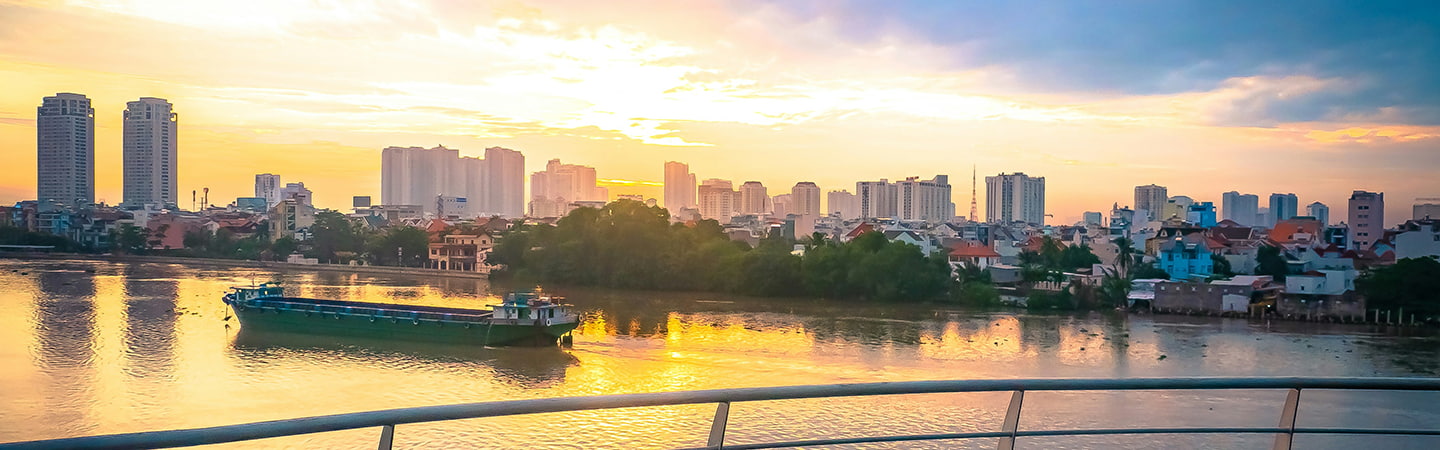
He added that the Saigon River plays a defining role as both a historic trade route and a cultural symbol, while the city’s East-West architectural blend and vibrant public life create a unique urban backdrop for festivals.

Together with its street culture and growing calendar of cultural events, these elements form a dynamic, outward-looking identity that is difficult to replicate.

Dr Daisy Kanagasapapathy, Lecturer in Tourism and Hospitality Management at RMIT Vietnam, said these strengths form a strong foundation for festival development.

“Ho Chi Minh City possesses the raw cultural capital – vibrant street life and a deep sense of community – needed to become a global festival powerhouse,” she said. 

She noted the city is already evolving by treating the entire urban space as a synchronised venue.

“The future of festivals in HCMC lies in shifting from performance to participation, where visitors don’t just watch culture; they live it,” she added.

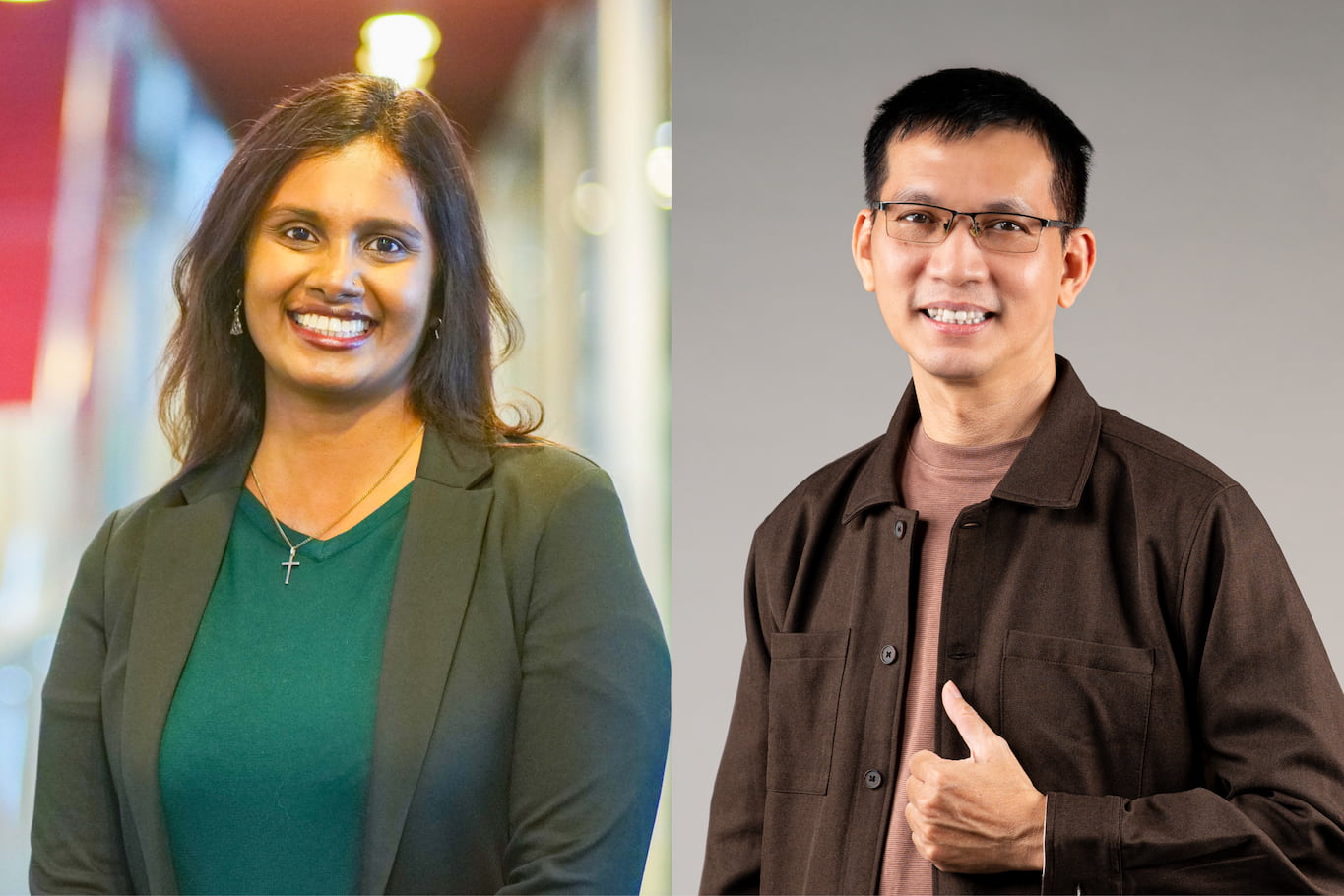
Dr Daisy Kanagasapapathy (left) and Dr Bui Quoc Liem, RMIT Vietnam Dr Daisy Kanagasapapathy (left) and Dr Bui Quoc Liem, RMIT Vietnam

Turning festivals into a cohesive destination brand

Both lecturers emphasised that Ho Chi Minh City should shift from organising standalone events to developing a coordinated festival ecosystem.

Dr Liem said a long-term branding strategy is key. “Ho Chi Minh City needs to move beyond standalone events and adopt an overarching brand narrative that reflects its image as a dynamic, multicultural and creative urban hub,” he added.

He suggested structuring festivals within a clear brand architecture, including flagship events, seasonal programmes and community-driven activities. Established events such as the Ho Chi Minh City Ao Dai Festival and River Festival could be developed into regional-scale flagships. 

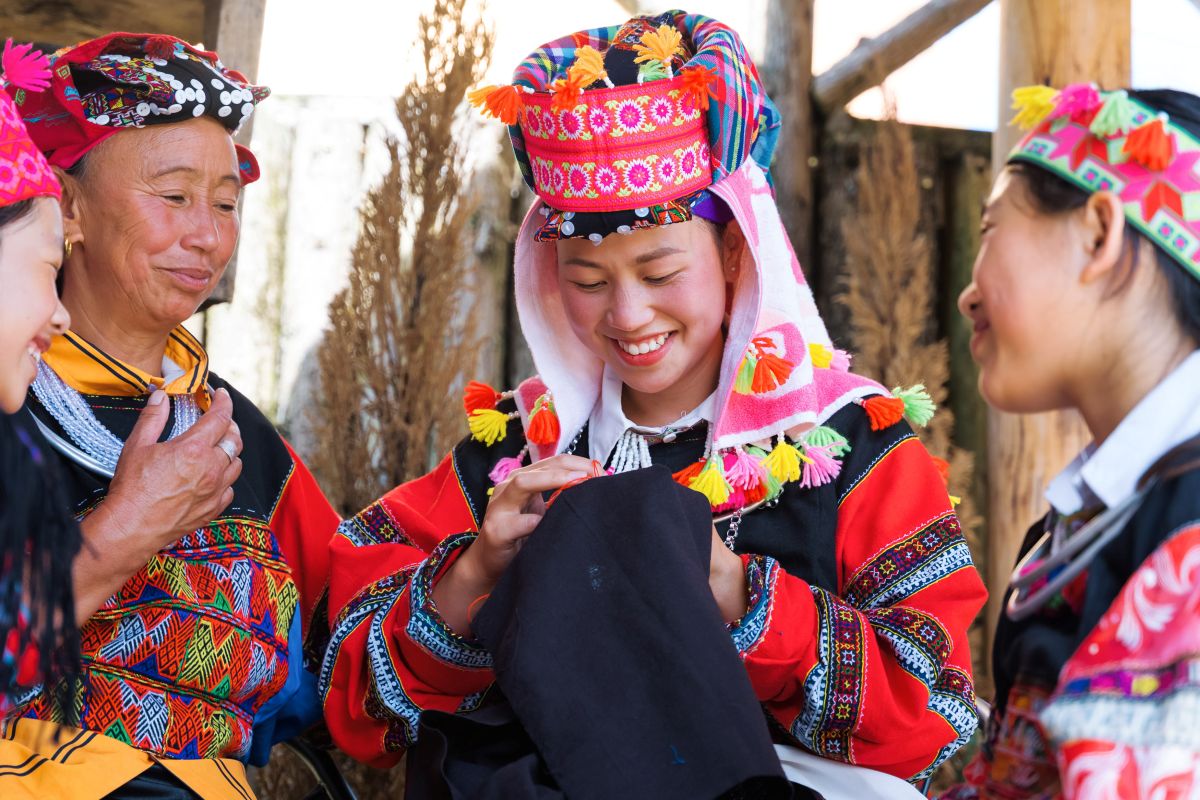
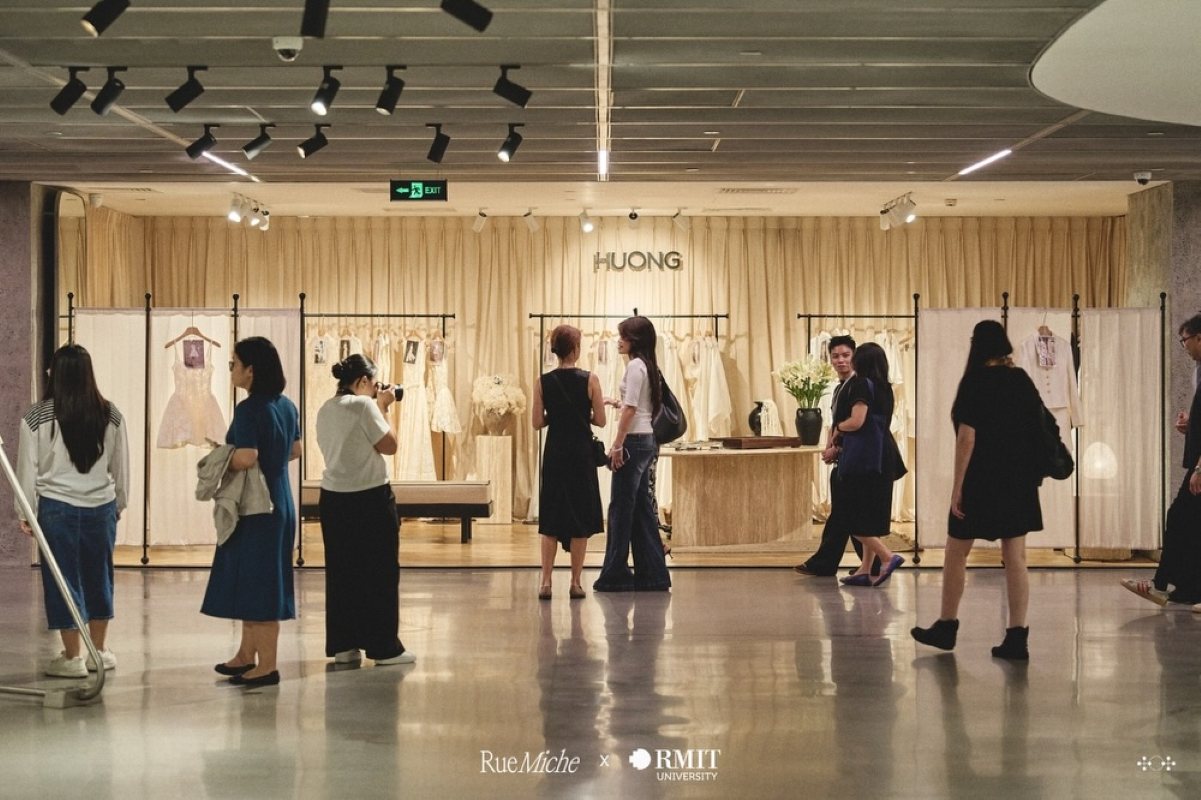
For the Ao Dai Festival, Dr Kanagasapapathy suggested shifting from a fashion showcase to a “living cultural narrative” that connects heritage with contemporary creativity.

“Through interactive ateliers and designer collaborations, the festival can evolve from a fashion showcase into a participatory journey, where visitors not only see the garment but understand the craftsmanship behind it,” she said.

Dr Liem added that positioning the ao dai as a symbol of modern Vietnamese identity, combined with open-air shows at iconic locations and the involvement of international designers, can significantly enhance its global appeal.

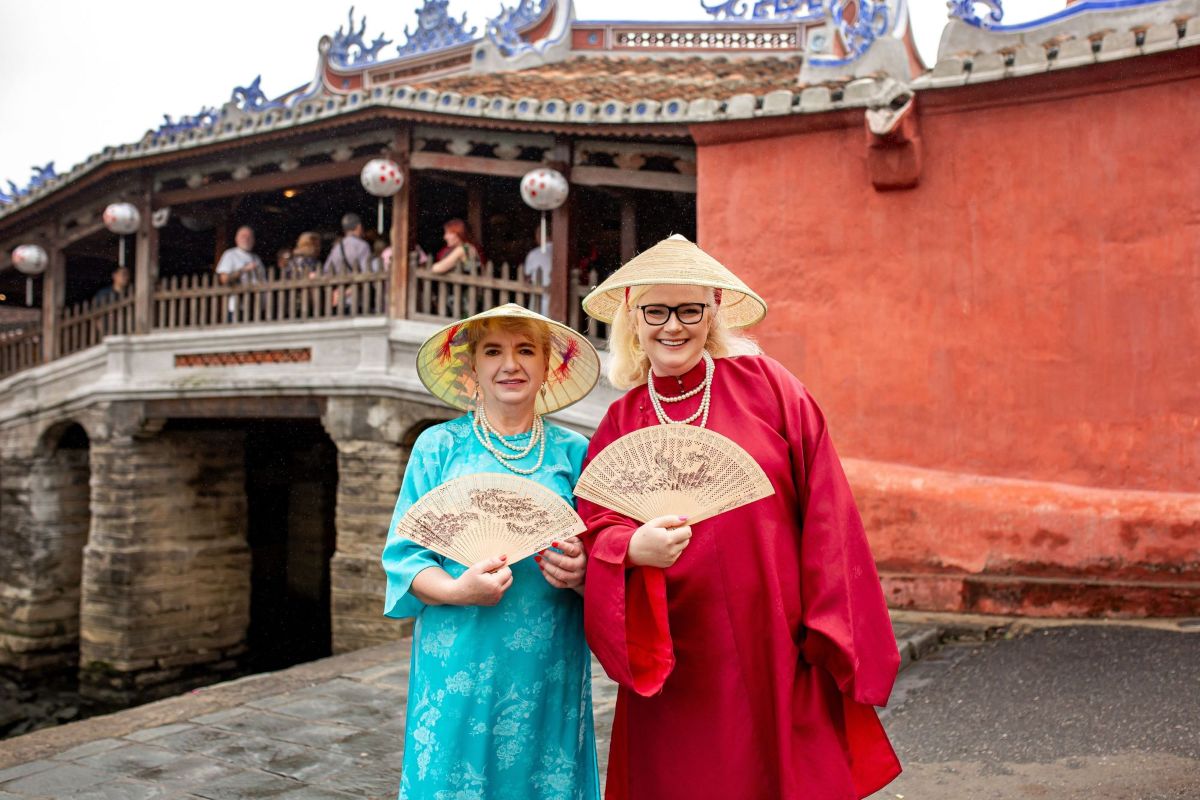
The ao dai is celebrated as a symbol of modern Vietnamese identity, forming a “living cultural narrative”. (Image: Freepik) The ao dai is celebrated as a symbol of modern Vietnamese identity, forming a “living cultural narrative”. (Image: Freepik)

Meanwhile, the River Festival presents an opportunity to reposition Ho Chi Minh City as a river-based destination.

“Like Amsterdam or Bangkok, Ho Chi Minh City can use its waterways as a central anchor for its global image,” Dr Kanagasapapathy said.

She suggested combining heritage storytelling with riverside activations. Adopting a “city-wide coordination” approach, where the entire urban space is treated as a synchronised venue, similar to global benchmarks like the Edinburgh Festival, can help reduce friction in the visitor journey. 

Ho Chi Minh City could explore “gamified urban discovery” to encourage deeper engagement. 

“By introducing a ‘digital passport’ or ‘festival quest’ platform, visitors can collect digital stamps at destinations across the city and exchange them for local rewards. This not only encourages exploration beyond central areas but also increases spending in local neighbourhoods,” she said.

This shifts the experience from passive viewing to active exploration, closing the "accessibility gap" while turning every visitor into a cultural explorer.

Dr Liem added that large-scale performances, light installations, drone shows and waterfront experiences can transform the Saigon River into a signature visual stage, while linked programming across festivals can help extend visitor stays.

At the same time, a global digital communication strategy, stronger engagement with international artists, and closer linkages with creative industries such as fashion, music, and film would help amplify the reach of these festivals. 

“Ho Chi Minh City does not lack cultural assets; it needs sharper storytelling to turn them into a distinctive global identity,” Dr Kanagasapapathy said.

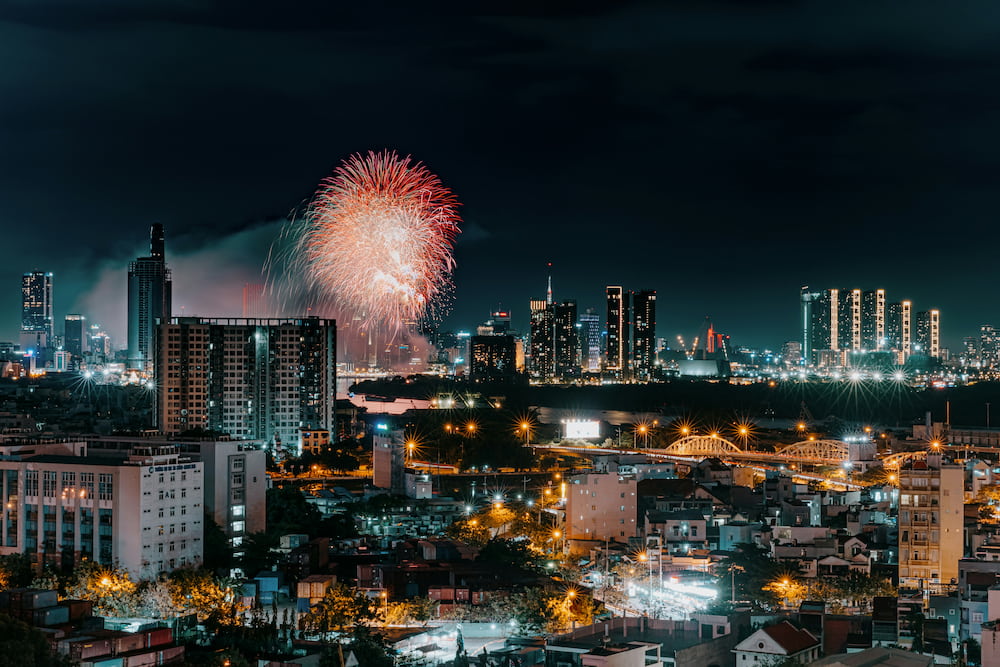
Ho Chi Minh City possesses the raw cultural capital needed to become a global festival powerhouse. (Image: Unsplash) Ho Chi Minh City possesses the raw cultural capital needed to become a global festival powerhouse. (Image: Unsplash)

Driving deeper engagement and higher spending

Dr Kanagasapapathy said Ho Chi Minh City must move beyond entertainment to foster true emotional resonance. 

She highlighted sensory branding as a key strategy. While many destinations focus primarily on visual identity, Ho Chi Minh City can develop a distinctive “sensory signature”, using specific scents like lotus for the Ao Dai Festival or a "Saigon Symphony" of traditional music mixed with river sounds for the River Festival. These create multi-dimensional emotional anchors that stay with a visitor far longer than a photograph.

Personalisation is the final pillar. By using AI-driven platforms to tailor festival itineraries to individual interests – be it fashion, photography, or gastronomy – the city makes every visit feel bespoke. However, this technology must be anchored in authenticity.  

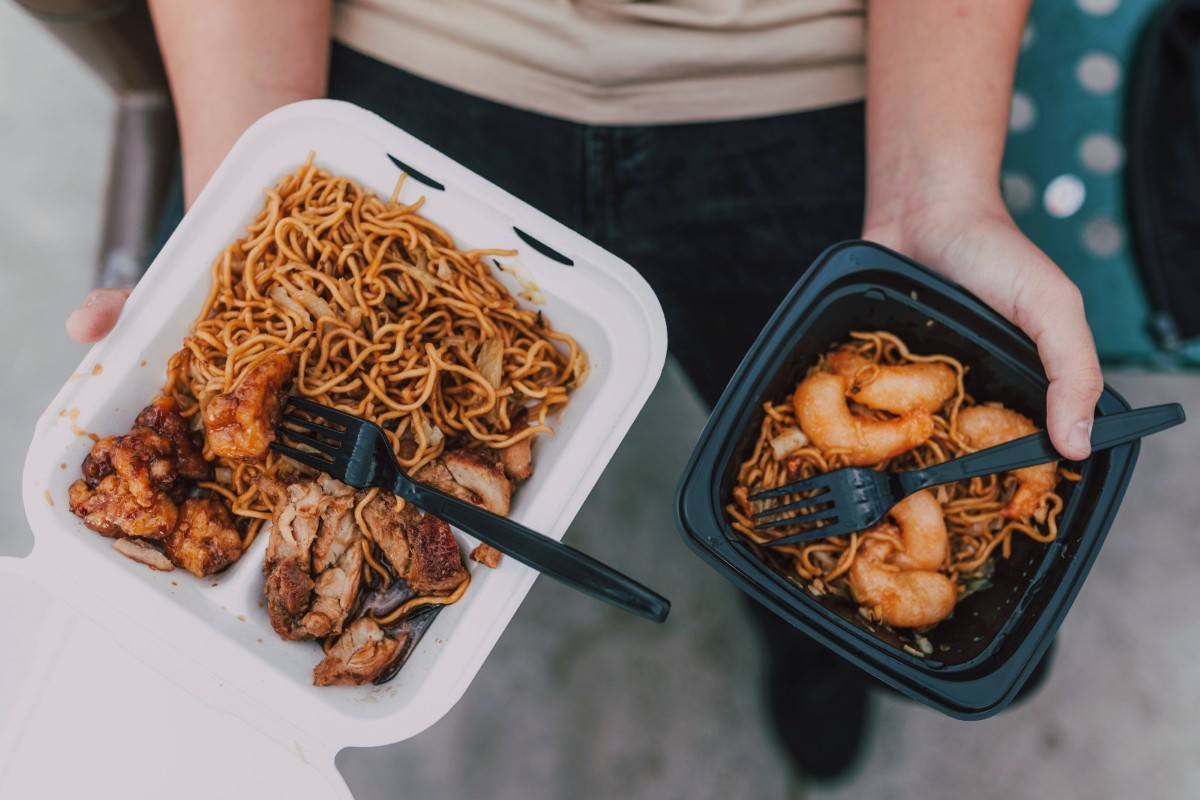
Supporting community-led activities and local neighbourhood markets allows visitors to connect with the city's pulse rather than just curated stages. By linking festivals to broader culinary circuits and "slow travel" routes, HCMC transforms a fleeting event into a meaningful life of memory.

“Emotional engagement is what turns a short visit into a lasting memory and a one-day trip into a multi-day experience” Dr Kanagasapapathy concluded.

Story: June Pham

Related news