RMIT recognised in Accessibility in Action Awards 2026

RMIT recognised in Accessibility in Action Awards 2026

Accessibility work is most meaningful when it changes how people study, teach, and take part in university life. At RMIT, that work was recognised across four winning initiatives in the 2026 Accessibility in Action Awards.

The 2026 Accessibility in Action Awards were presented by the Australian Disability Clearinghouse on Education and Training (ADCET) as part of Global Accessibility Awareness Day. They highlight accessibility work across tertiary education in Australia and New Zealand.

Among RMIT’s four award-winning initiatives this year, two were developed and delivered by teams at RMIT University Vietnam.

Designing digital learning with visually impaired students

At RMIT Vietnam, the Inclusive Digital Learning Initiative was recognised for co-designing accessible digital learning with visually impaired students. 

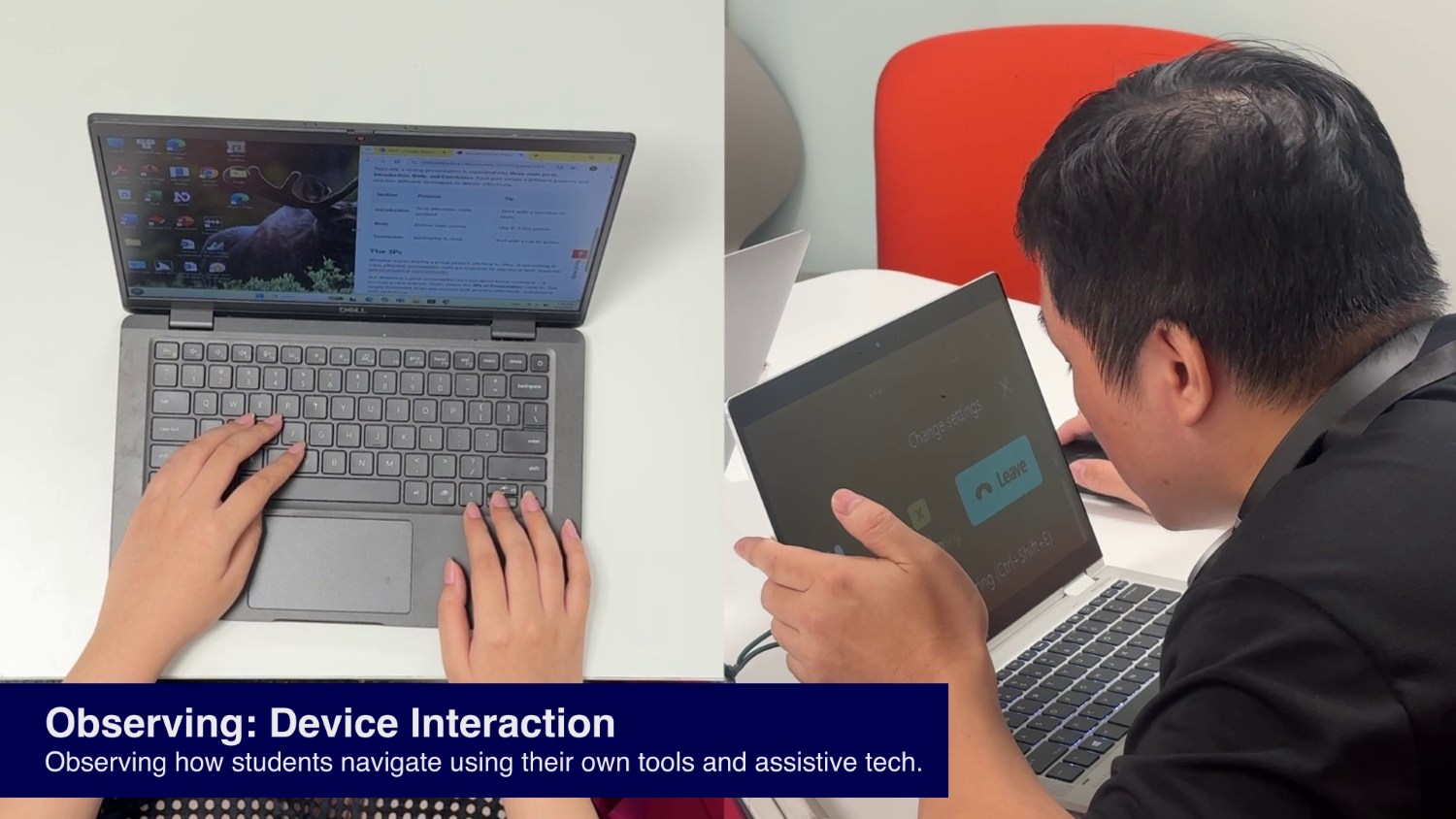
The project began after a visually impaired student identified access barriers in materials that were technically compliant but still hard to use. In response, the team worked with visually impaired students using screen readers to identify barriers in interactive activities, image descriptions and navigation. 

That process led to redesigned Canvas templates, alternatives to inaccessible activity formats, clearer guidance on image descriptions, and staff resources to support more accessible course design. Those templates have since been adopted in more than 120 courses, reaching more than 12,000 students.

Students with visual impairment using computersThe project team observed how students with visual impairment used assistive technology in their learning to identify barriers in interactive activities, image descriptions, and navigation. (Photo: RMIT)

Besides the ADCET award, the project also won a platinum LearnX award for Diversity, Equity & Inclusion in 2025. A paper on the work was also nominated for Best Concise Paper at the Australasian Society for Computers in Learning in Tertiary Education (ASCILITE) Conference in 2025.

Students auditing access to sport and recreation

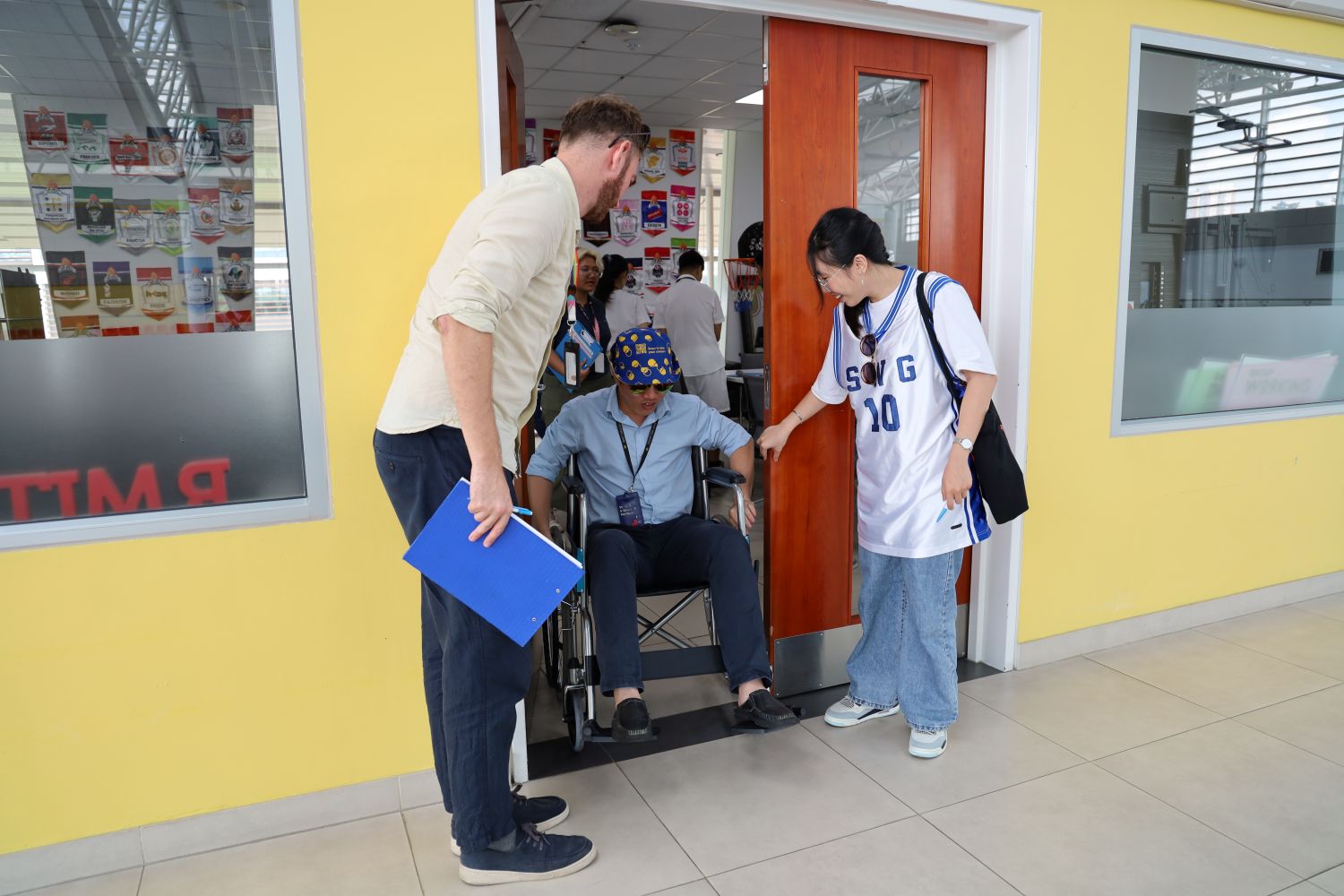
The other RMIT Vietnam-led initiative, Levelling the Playing Field? A Student-Led Accessibility Audit of RMIT Active, shows how accessibility work can extend beyond classrooms and learning platforms. 

At RMIT Vietnam, students with lived experience of disability designed and carried out an audit of sport and recreation facilities and programs, then developed recommendations for change. 

Their work identified barriers across infrastructure, communication, sensory environments and participation, and has already contributed to changes including improved signage, adjustments to events, quiet and female-only gym hours, and physical accessibility upgrades. 

Students were involved throughout the process, helping shape the audit, interpret the findings and inform the response.

Two standing people helping a person on wheelchair pass through a doorRMIT students and staff worked together on an accessibility audit to better understand and improve campus experiences. (Photo: RMIT)

Neurodivergent support in everyday study support

Neurodivergent Support @ RMIT Library was recognised for embedding accessibility into day-to-day study support. 

The program combines workshops, supported study settings and online resources to address barriers neurodivergent students can encounter in higher education. Its focus is practical: sensory-considerate study spaces, structured support, and informed one-to-one assistance that reduces the need for repeated self-advocacy. 

This reflects a broader shift away from accessibility as an individual adjustment made only after a barrier appears. Instead, the program builds inclusive practice into how support is designed and delivered across Library services. 

User testing beyond compliance

Senior UX Designer Sandy Houston received an individual award for work centred on user testing and product improvement. 

Over the past three years at RMIT University Library, his work has focused on making digital platforms easier to use and more consistent. That has included improving navigation in Learning Lab, introducing a light and dark mode theme switcher, reducing unnecessary complexity across interfaces, and contributing to clearer physical signage in Library spaces. 

Central to this work is direct testing with users, rather than assuming compliance on paper is enough. By working directly with blind and vision-impaired users, neurodivergent students and advisory groups, the approach has helped identify issues that standard reviews can miss and has supported a stronger culture of accessibility testing in Library practice. 

Together, these four recognitions show accessibility being practised across digital learning, Library services and student life. That is one useful frame for Global Accessibility Awareness Day: awareness matters, but it matters most when it leads to practical change. 

-----

Masthead and thumbnail image: Bilal Ulker – stock.adobe.com

Share

Related news