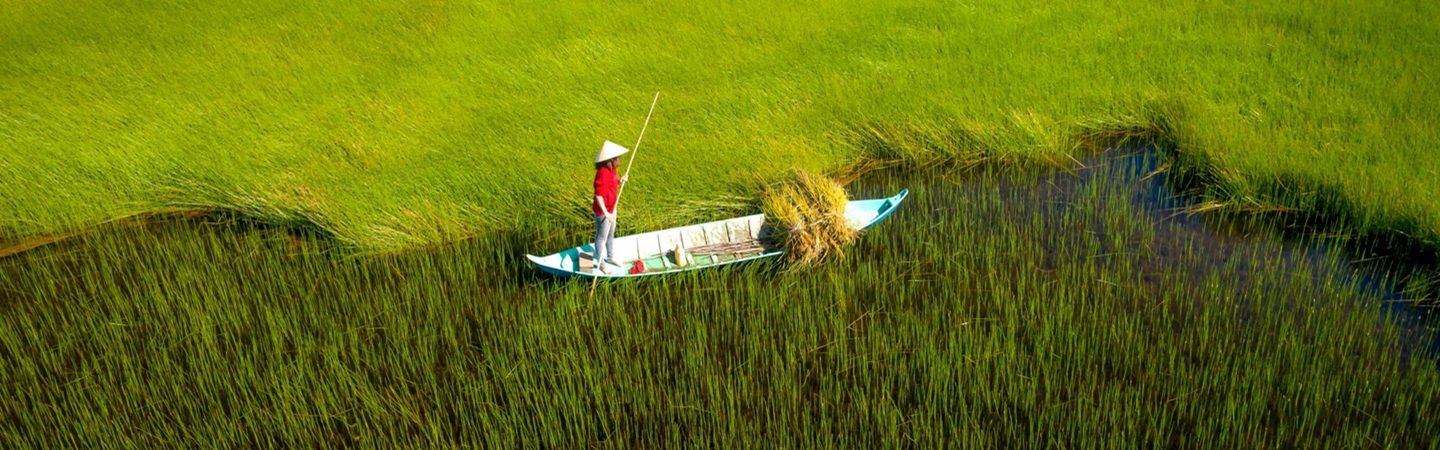
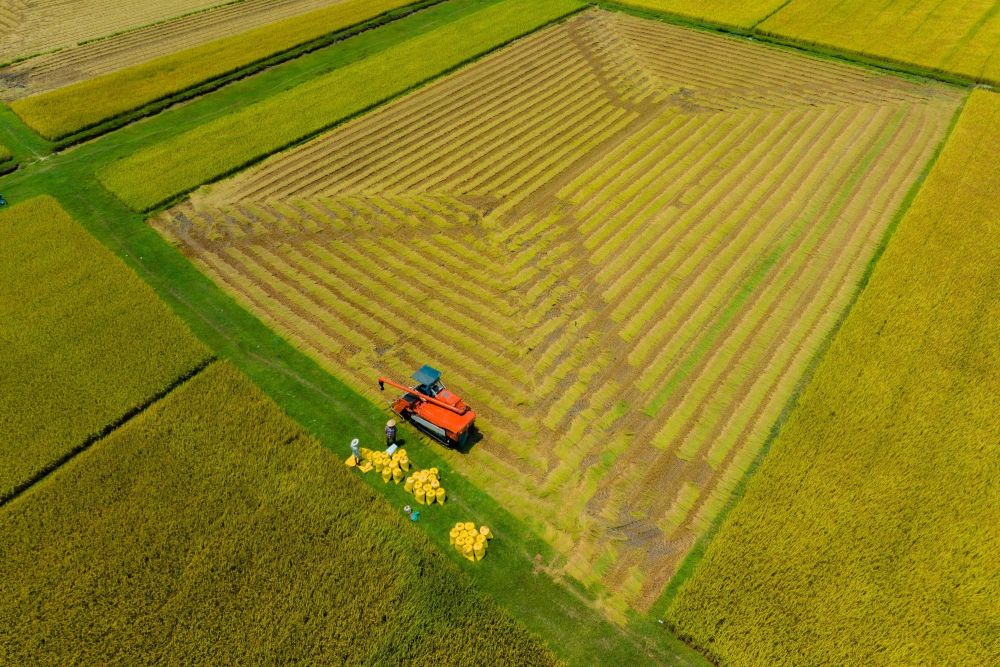
A new World Bank report, Living or Leaving: Life in the Mekong Delta Region of Vietnam, paints a stark picture: climate shocks due to droughts, floods, and saltwater intrusion have reduced farm incomes in the Mekong Delta since 2018. At the same time, the region’s share of national GDP has slipped from nearly 20% before 2000 to just 12.4% in 2024.
Migration is rising: nearly 1.7 million people have left the region over the past decade. Mounting environmental and economic pressures are forcing millions more to reconsider whether to stay or leave. Among the most critical drivers of this dilemma are land inequality and rapid land-use transitions.
Land inequality on the rise
A team of researchers from The Business School at RMIT University Vietnam contributed to the report, focusing on these very issues. Their analysis reveals a troubling trend: land access, once the bedrock of rural prosperity, is becoming more concentrated and increasingly absent from many households’ lives.
As of 2022, 40% of rural households in the Mekong Delta had or operated no agricultural land – up from 28% in 2006 and among the highest rates in Vietnam. This trend is driven by distress sales, intergenerational land division, and increasing economic and environmental pressures.
For many families, selling land is a quick fix to meet immediate cash needs. Others cited a lack of labour as younger workers migrate out, and older ones are unable to farm. But without agricultural land, households lose a critical productive asset and often lack the skills to transition into higher-paying non-farm work.
“As smallholders struggle to compete, and rural households without agricultural land have relatively few livelihood opportunities outside agriculture, migration to the towns and cities become more and more attractive to those living in the rural Mekong Delta,” said RMIT Professor of Economics Bob Baulch.
He added, “Investments in modernising agriculture, skills and education, local infrastructure are essential to improving opportunities and promoting prosperity for people in the rural Mekong Delta. Policies to promote voluntary migration along with flexible social protection systems to protect the vulnerable are also needed to support those who are unable to benefit from these opportunities.”
From rice fields to fish farms
RMIT researchers found that land use in the Mekong Delta is also changing rapidly as households respond to shifting incentives and environmental pressures. Rice cultivation, once dominant, shrank from 2.4 million hectares in 2006 to 1.9 million hectares in 2022. Meanwhile, aquaculture expanded from 634,000 to 950,000 hectares, and perennial crops such as coconut and fruit trees are on the rise.
These changes reflect both environmental realities and market incentives. Salinity intrusion and drought have made rice farming less viable, prompting many farmers to switch to aquaculture or diversify into higher-value crops. Yet the transition is uneven. Wealthier households, with capital and technical know-how, are better positioned to invest in aquaculture or perennial crops infrastructure. Poorer families, lacking resources, remain tied to low-return rice or exit farming altogether.