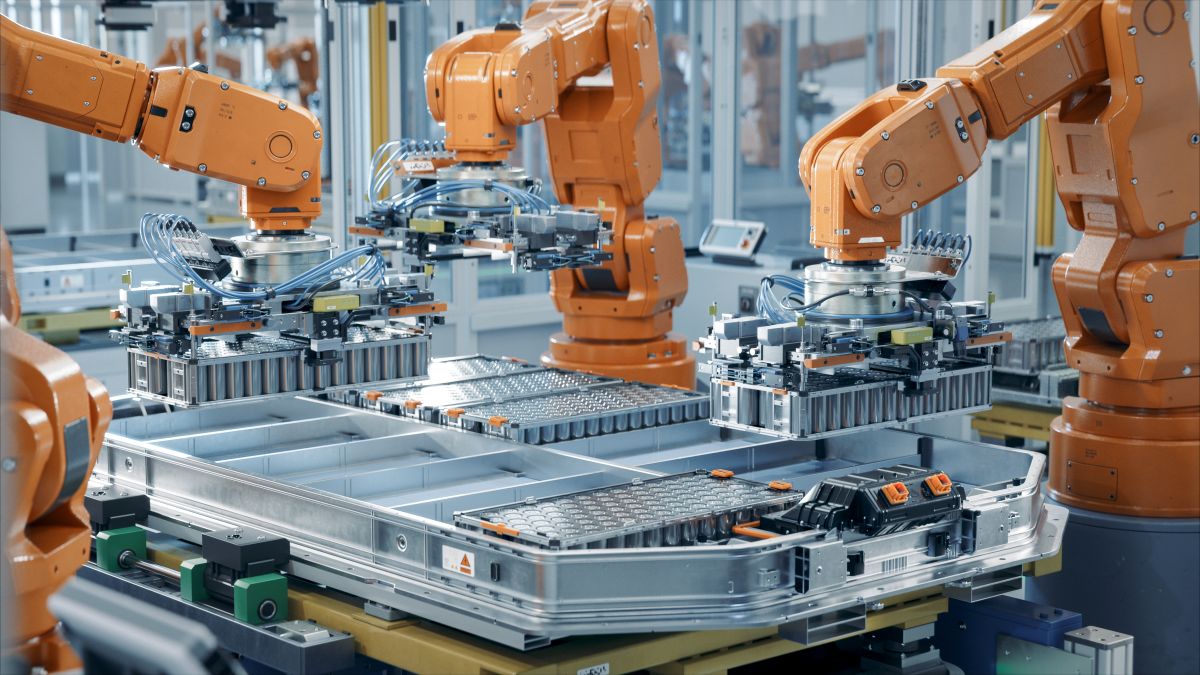
Another opening lies in motion-related components. According to Dr Mason, mastering high‑precision motors or advanced gear systems is extremely difficult, as these require tight tolerances, advanced materials, and years of refinement.
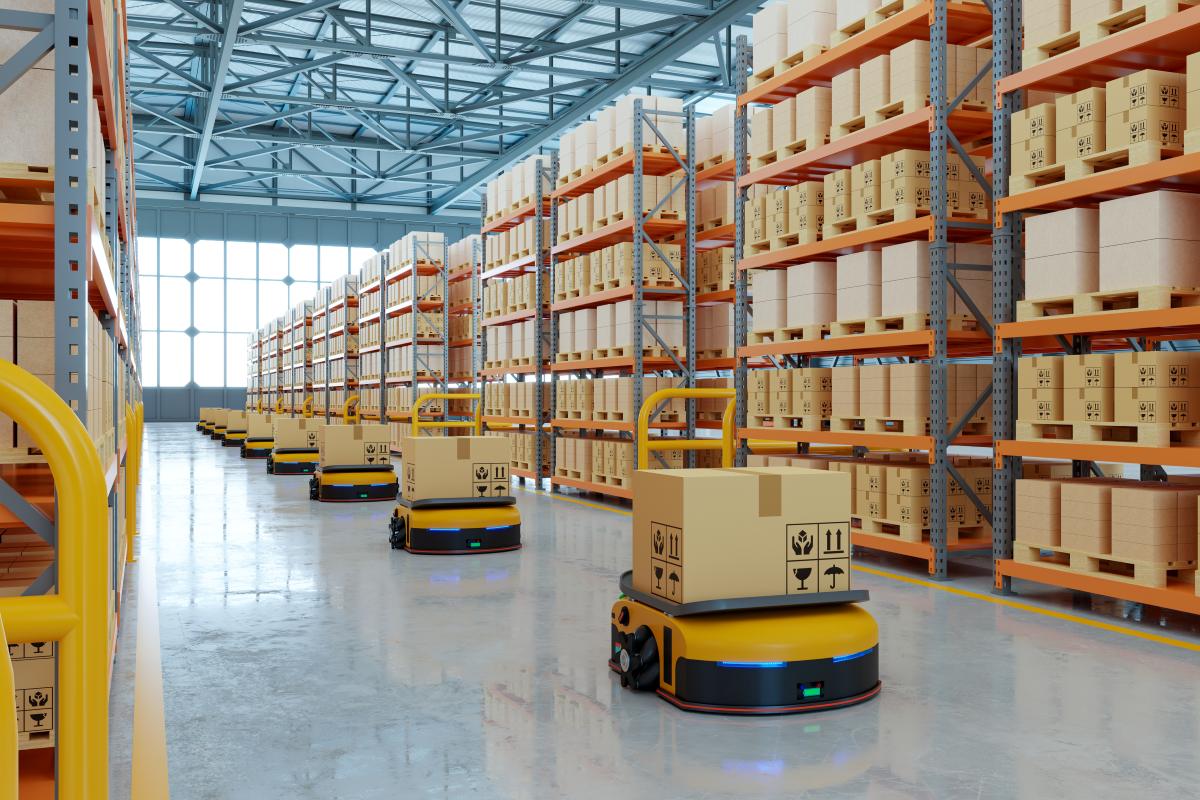
A more practical starting point is in the components used in specific robot types such as warehouse robots or service machines – areas that require moderate technical capabilities but have large markets. These components could include structural frames, motor housings, wheel modules, wiring harnesses, controller boards, and advanced power electronics, such as energy-efficient DC/DC converters, integrated power modules, and next-generation gallium nitride (GaN) and silicon carbide (SiC) transistors that allow robots to run longer and charge faster.
Another realistic opportunity is in system integration – making a complete machine work reliably in daily use. A warehouse robot, for example, must do more than just move. It needs to “understand” its surroundings, communicate with inventory software, automatically recharge when energy runs out, and keep adapting as conditions change. Achieving this depends not on any single component, but on how all parts are connected and work together.
By focusing on contract manufacturing, adaptation, and system integration for logistics and factory automation, Vietnamese firms can build capability and value before attempting to launch global consumer brands.
FPT’s experience in software outsourcing shows that this path can work. The kinds of tasks that may not look glamorous at first are often the very ones that give a Vietnamese robotics company the chance to go much further over time.
Competing in a crowded race
Dr Mason warned that Vietnam will not be climbing this ladder alone. Thailand, Indonesia, and India are also trying to move into higher‑value parts of electronics and automation.
He also stressed that Vietnam may remain dependent on imported chips, sensors, and premium motors longer than policymakers hope. As in many sectors, strong national strategies can still face uneven implementation.
“Vision matters but what matters more is consistent effort in training, research funding, industry partnerships, standards, and procurement,” Dr Mason said.
In his view, if robotics does take root in Vietnam, progress will not come in the form of dramatic breakthroughs or headline‑grabbing leaps. It will come through the steady accumulation of capability, built piece by piece in batteries, motion systems, integration, and maintenance. Vietnam may not deliver fully formed robots right away, but the process will gradually deepen its understanding of how complex systems function in real‑world conditions.
If robotics can genuinely serve as a catalyst, or even just a pretext, to upgrade Vietnam’s wider industrial base through engineering education, semiconductor development, system design and integration, then the value created will extend far beyond the final robots. It will lie in Vietnam’s own ability to solve complex automation challenges across a range of sectors.
Story: Ngo Ha
A version of this article was first published by Tia Sáng - VnExpress. Read the original article here.
Masthead image: volodyar – stock.adobe.com | Thumbnail image: IM Imagery – stock.adobe.com