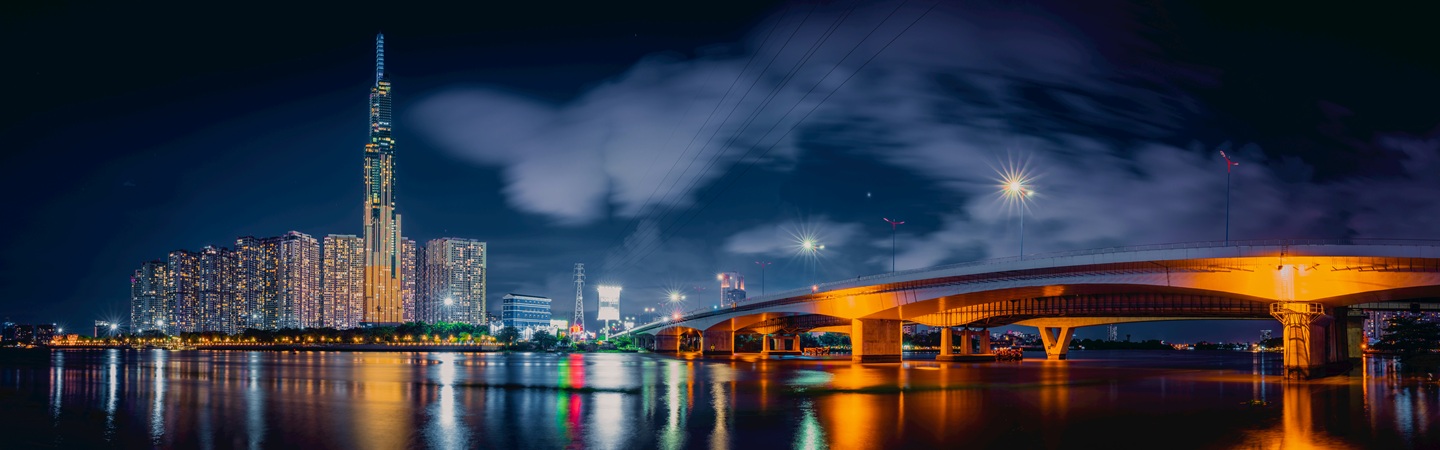
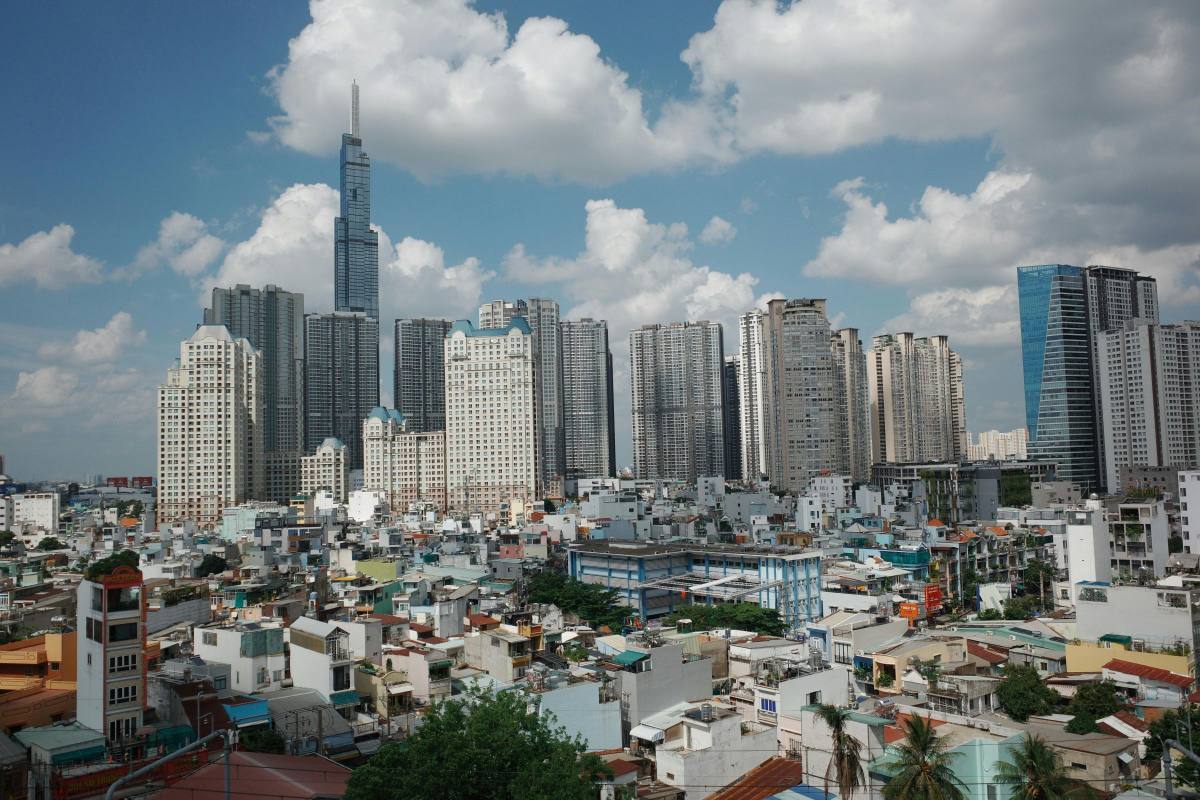

For decades, Ho Chi Minh City has been easy to describe. It was Vietnam’s commercial heart, a dense and energetic place known for opportunity, openness and relentless movement. Binh Duong was recognised as an industrial engine, while Ba Ria - Vung Tau was associated with ports, energy and the sea.
After the merger, these identities did not disappear – they were simply placed under one name. That creates enormous potential, but it also raises a fundamental question: what, exactly, is Ho Chi Minh City now?
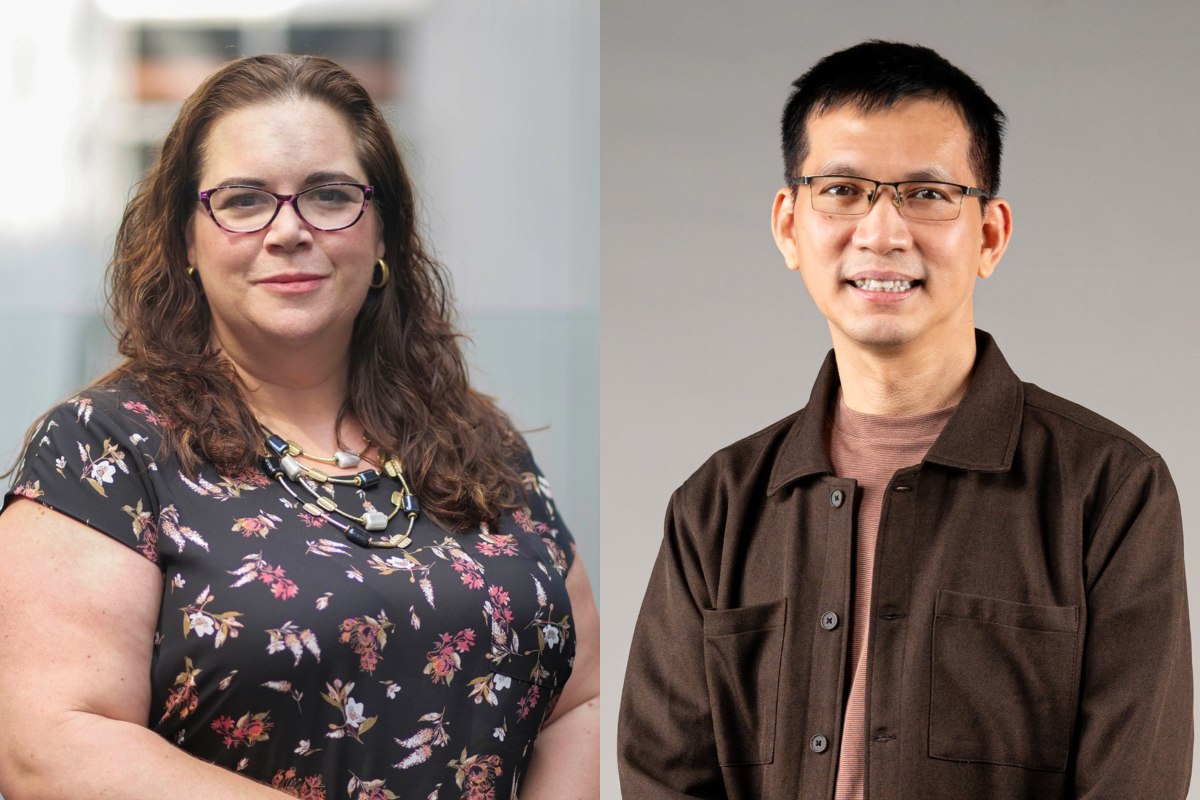
“When cities grow in size and complexity, their identity does not automatically grow with them,” Associate Professor Warren said. “In fact, without careful attention, it often becomes less clear. Bigger cities can become harder to explain, harder to remember, and harder to trust – especially for people who do not live there.”
In recent years, Ho Chi Minh City’s public image has relied heavily on tourism-led messaging, with familiar language about vibrancy, energy, and dynamism. These ideas are not wrong, but they are no longer sufficient. A city that aims to position itself as a regional logistics hub, an international financial centre, a destination for global talent and a centre for higher education needs a deeper, more coherent story.
The 2025 merger intensifies this challenge. “When a city tries to stand for too many things at once – industry, finance, tourism, innovation, culture – without a clear organising idea, its identity can start to feel diluted. Scale alone does not create meaning,” Associate Professor Warren said.
According to Dr Bui Quoc Liem, a lecturer in Professional Communication at RMIT Vietnam, the diversity of function requires a different way of thinking about city identity. Rather than one slogan trying to describe everything, HCMC now needs a brand architecture: a shared overarching story that allows different areas to express distinct roles, while still belonging to one coherent identity.
This shared narrative should explain how the different parts belong to the same urban system and contribute to a common future. Without this, peripheral areas risk feeling like add-ons rather than integral parts of the city, and the city risks communicating conflicting messages to the outside world.