
As the digital economy reshapes the global landscape, emerging technologies such as artificial intelligence (AI), blockchain, quantum computing and virtual/augmented reality (VR/AR) are transforming businesses, governments, and societies. These technologies not only create unprecedented opportunities for growth and innovation, but also demand fundamental transformations across all sectors.
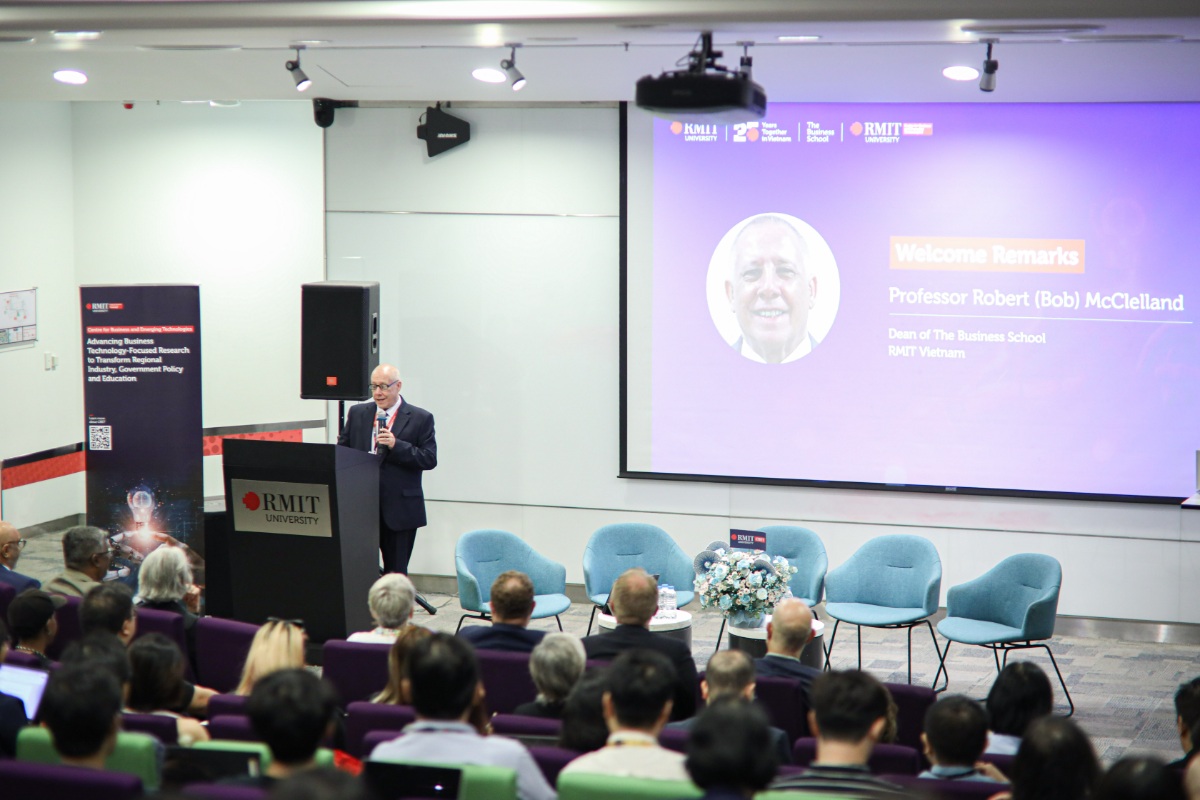
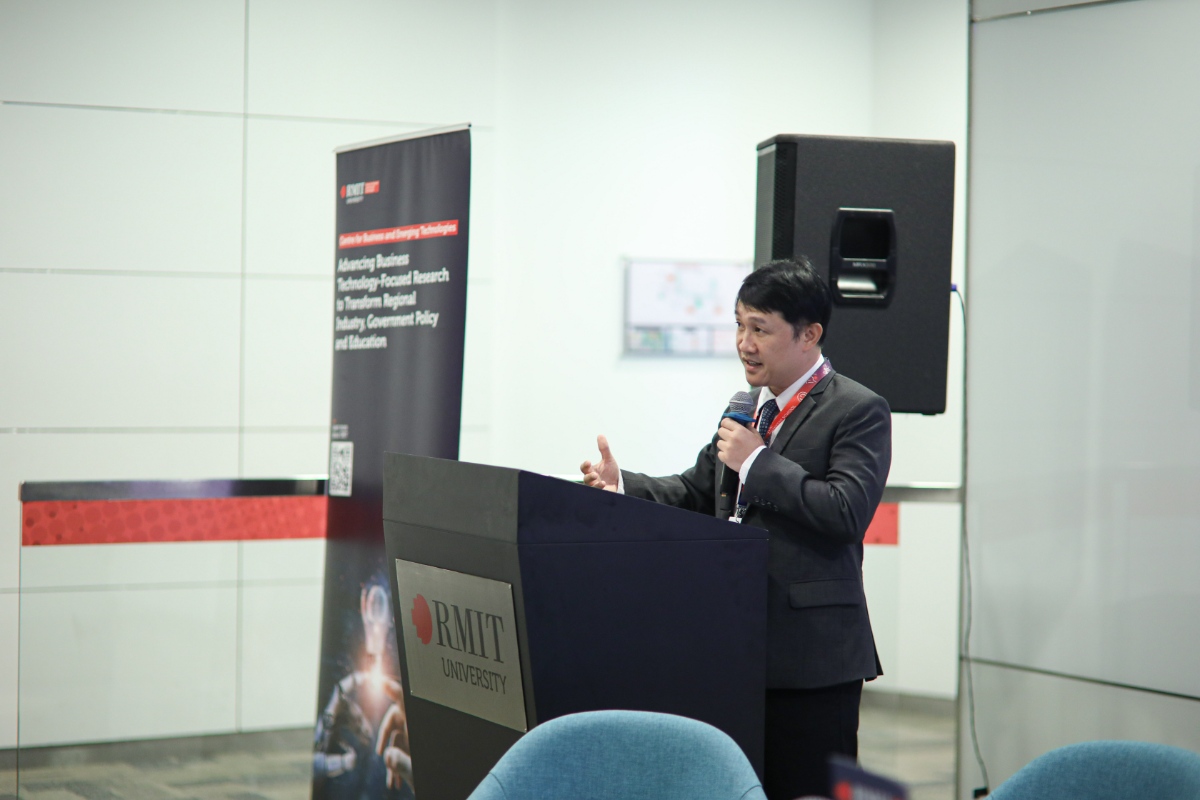
Professor Robert McClelland, Dean of The Business School, RMIT Vietnam, delivers the opening remarks at the launch of the CBET Centre. (Photo: RMIT)
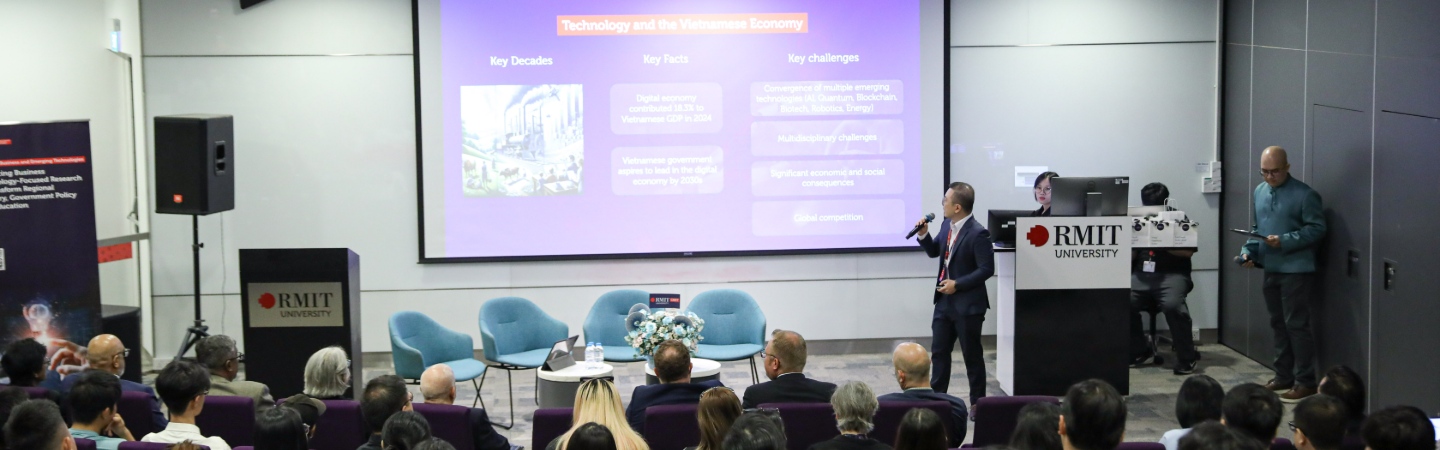
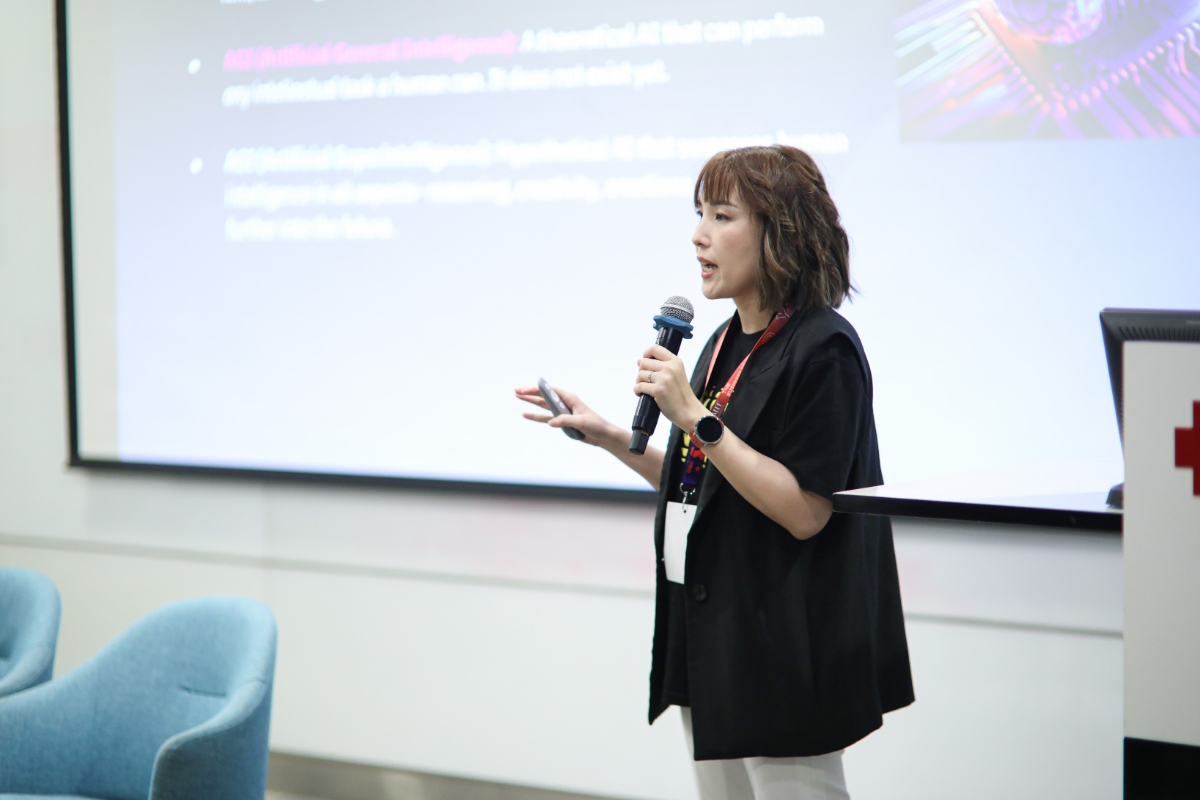
Ms Lynn Hoang – Country Director, Binance – shares insights on the role of emerging technologies in driving business innovation. (Photo: RMIT)
Vietnam has the potential to leapfrog stages of development by harnessing emerging technologies. To seize this opportunity, the country requires a strong foundation to connect research, innovation, and technology with academia, industry, and public policy. This critical need inspired the establishment of CBET at RMIT Vietnam.
With an ambition to become a high-income economy in the coming decades, Vietnam must accelerate its digital transformation to boost productivity, drive innovation, and enhance institutional efficiency. CBET will support this journey by promoting applied research, developing digital capabilities, advising on policy, and creating technological solutions aligned with Vietnam’s economic and social needs.
Associate Professor Pham Cong Hiep – Deputy Dean, Research and Innovation and CBET Co-lead, The Business School, RMIT Vietnam. (Photo: RMIT)
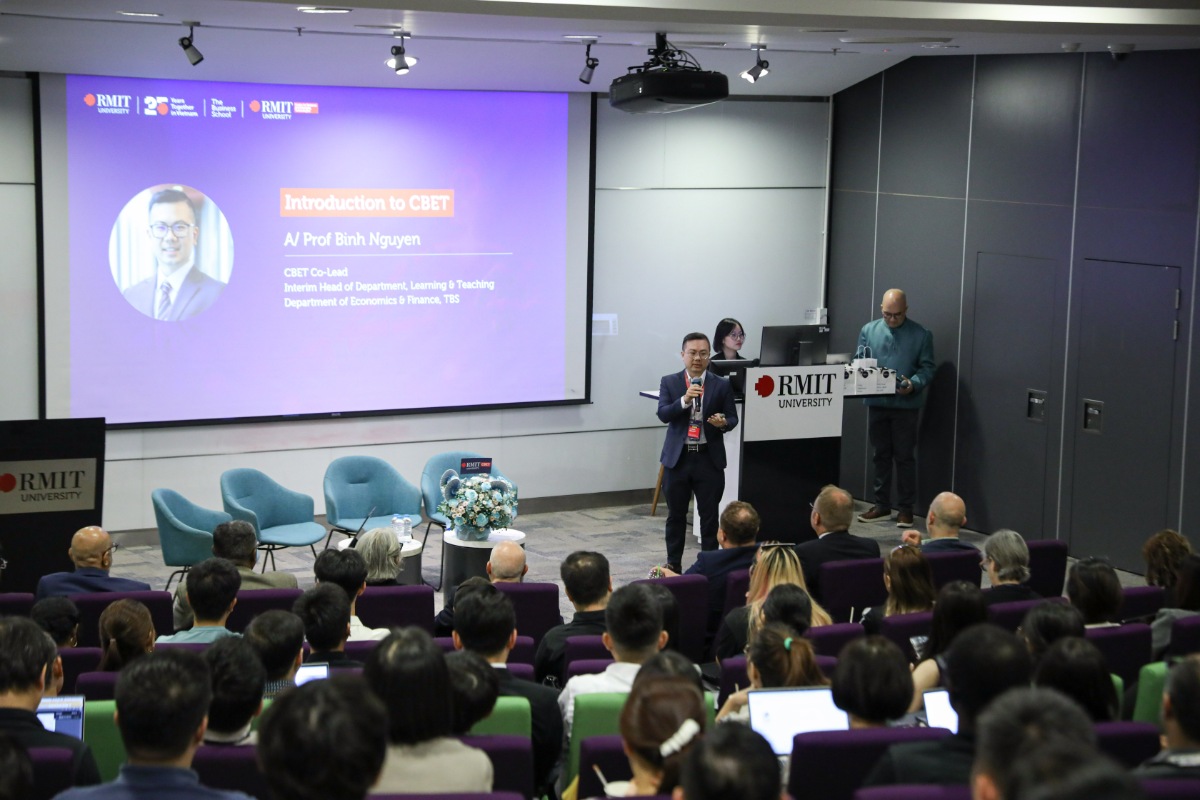
Associate Professor Nguyen Thanh Binh – Associate Head of Economics & Finance and CBET Co-Lead, The Business School, RMIT Vietnam – introduces the centre’s mission, strategic direction, and key focus areas. (Photo: RMIT)
The launch event attracted more than 200 distinguished guests from the finance, technology, education, and policymaking sectors. In his opening address, Professor Robert McClelland, Dean of The Business School at RMIT Vietnam, said: “CBET serves as a catalyst for Vietnam’s comprehensive, sustainable, and innovative digital future, going beyond the traditional role of a research centre.” He reiterated RMIT Vietnam’s commitment to connecting global knowledge with local challenges to deliver practical and impactful solutions.
At the event, the keynote presentation “Emerging Technologies Shaping Business, Society, and the Economy in Vietnam” was delivered by Ms Lynn Hoang, Country Director of Binance. The presentation outlined both opportunities and challenges in applying AI, Blockchain, and IoT across key sectors. The keynote highlighted how AI enables process automation, predictive analytics, and personalised customer experiences; Blockchain enhances transparency and efficiency in finance and supply chains.
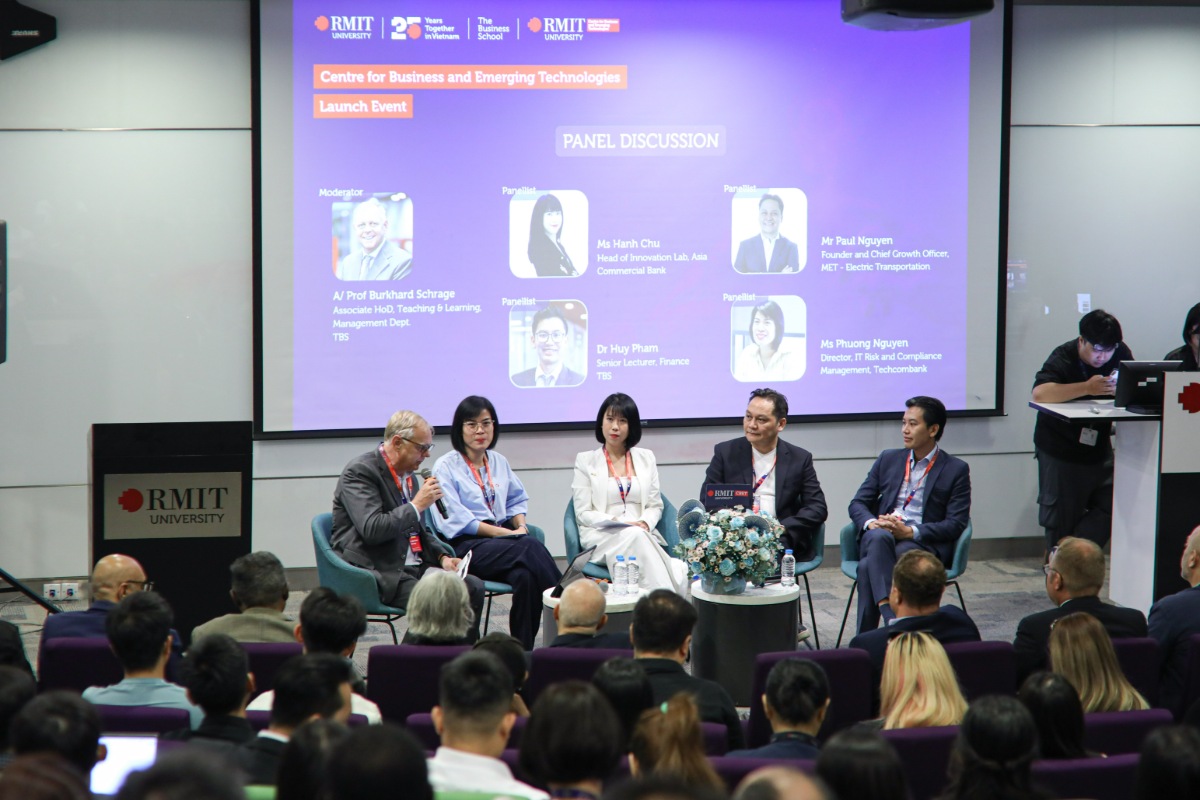
Expert panel discussion on strategies for applying emerging technologies in modern business environments. (Photo: RMIT)
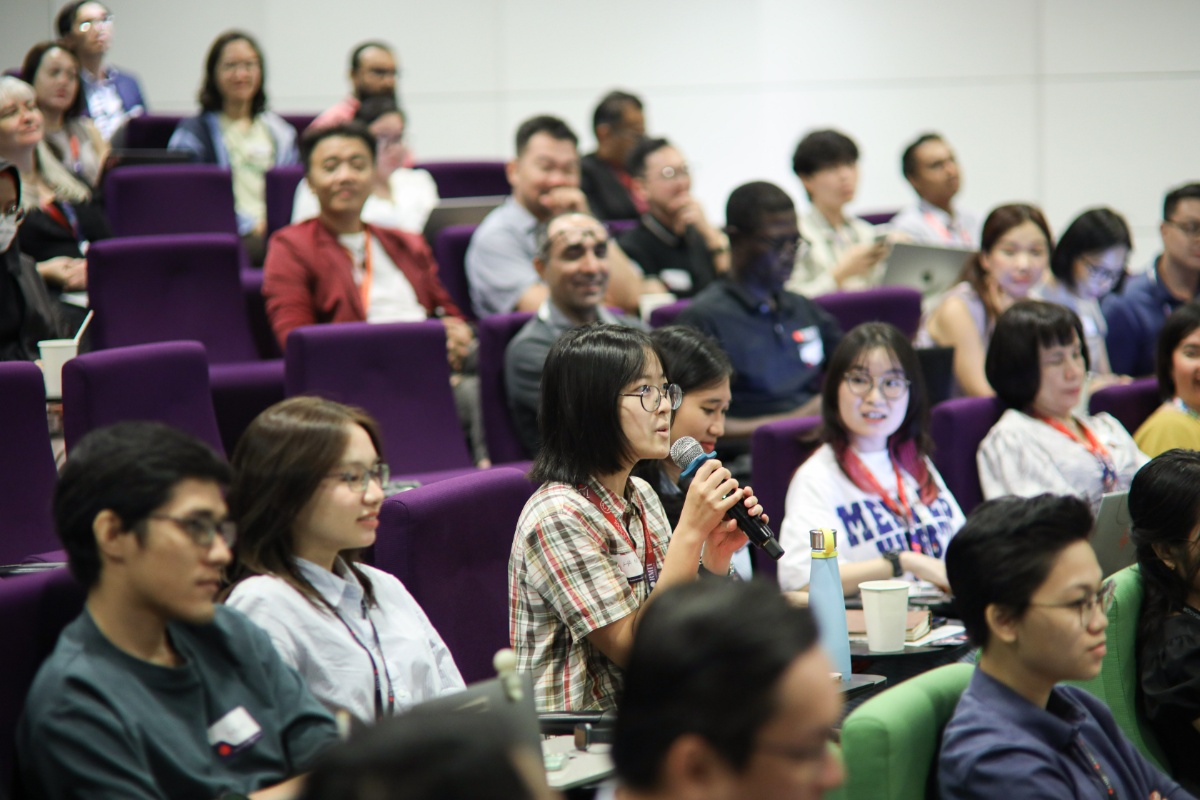
Attendees actively engage with speakers during the Q&A session, showing strong interest in technology and innovation. (Photo: RMIT)
Following the keynote, leaders from Binance, ACB, MET, and Techcombank discussed “Building the digital economy of the future: collaboration between academia and industry”. The panel highlighted the urgent need to strengthen partnerships between universities and industry and proposed initiatives to fast-track digital transformation in finance, logistics, education, and e-government.
CBET is positioned to become a leading hub for research, innovation, and technology transfer in the region. The Centre focuses on five priority areas: Digital economy and emerging markets, Logistics and supply chain management, Fintech and crypto, Cybersecurity, and Smart transformation management. Research groups bring together international scholars and industry practitioners, ensuring an interdisciplinary approach that closely aligns with societal needs.
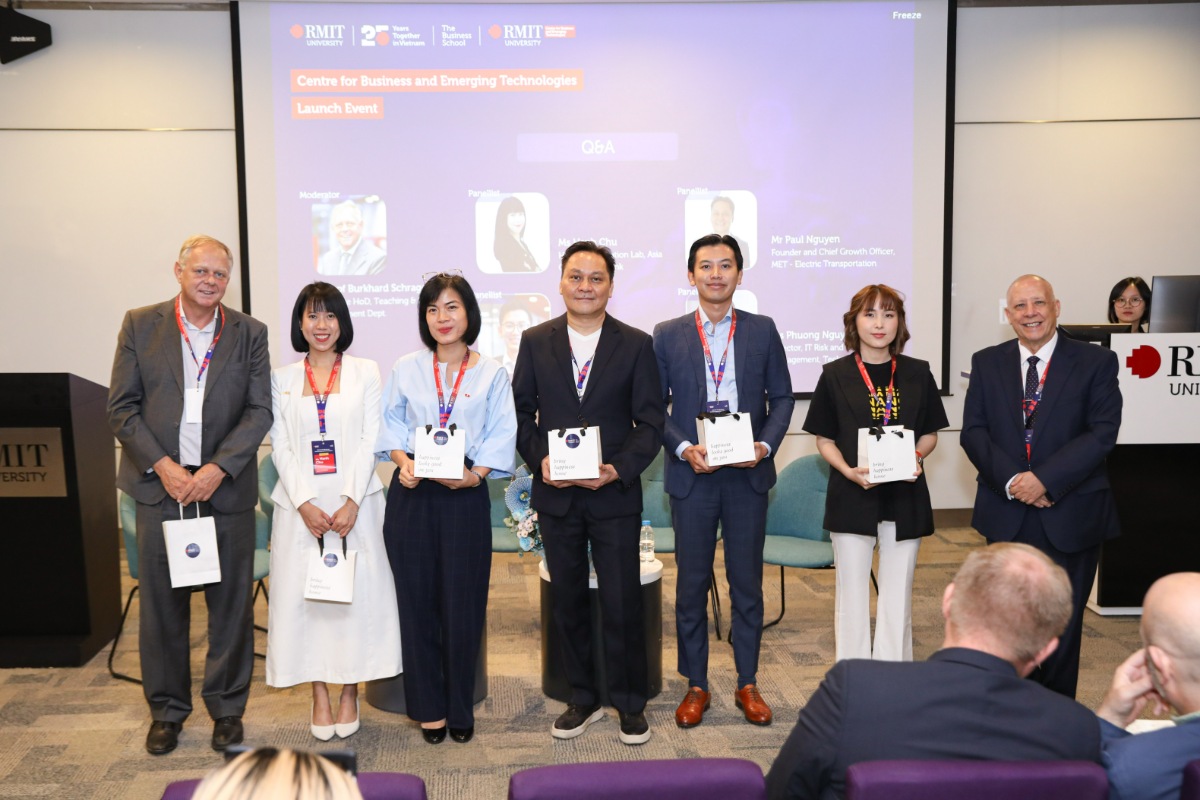
Panellists and The Business School leaders pose for a group photo following the event. (Photo: RMIT)
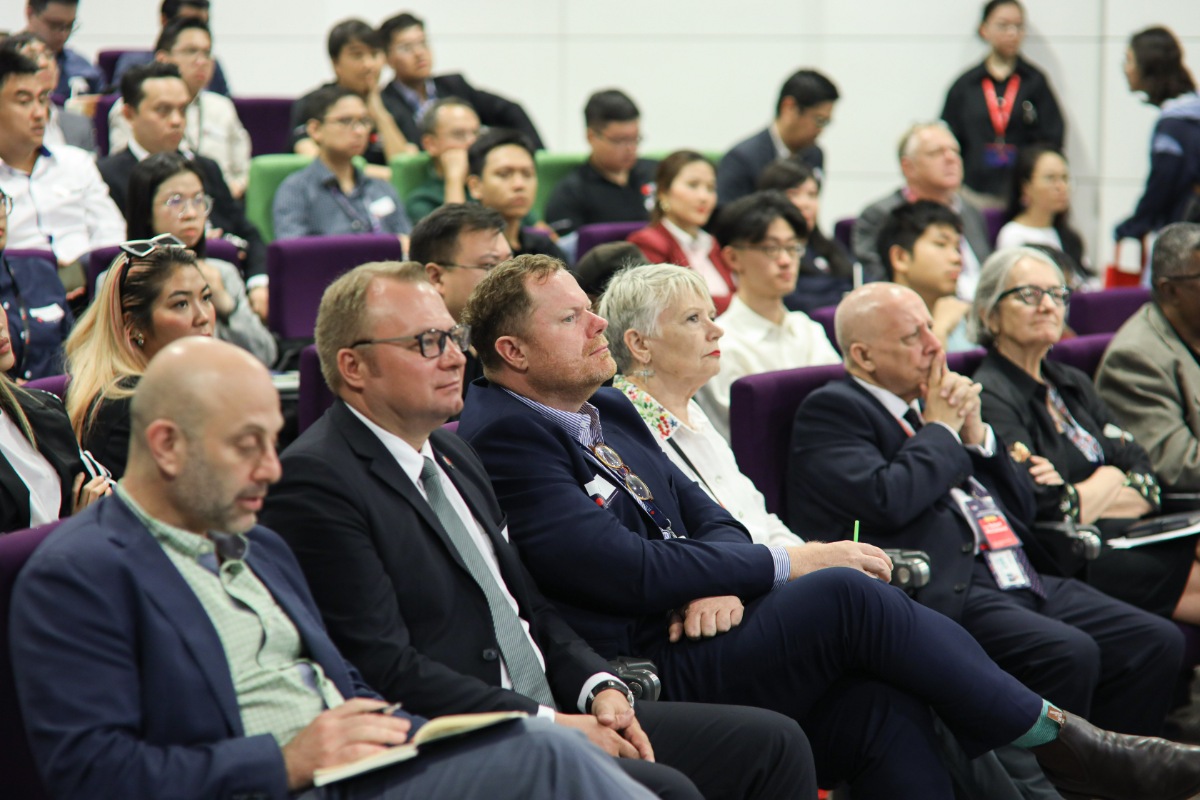
A corner of the event space with participation from university leaders, faculty members, and invited guests at the CBET launch. (Photo: RMIT)
Looking ahead, CBET will lead strategic projects at the intersection of AI, blockchain, quantum computing and other emerging technologies, and the digital economy and business. The Centre also plans to introduce PhD internships with industry partners and offer digital skills training for future leaders.
“CBET represents RMIT Vietnam’s long-term commitment to connecting global expertise with local challenges. Our future direction is to expand regional collaboration and help shape national digital economy policies, positioning Vietnam as a rising hub for digital transformation and innovation in the Asia-Pacific region,” said Associate Professor Hiep Pham, Deputy Dean, Research and Innovation and CBET Co-lead, The Business School, RMIT Vietnam.
To explore CBET’s research areas, initiatives, and opportunities for collaboration, please visit the Centre’s official page here.
Story: Quan Dinh H.
While fraudulent returns and fake reviews have long plagued online retailers, a new twist is emerging: AI-powered return fraud.
The dominance of foreign-invested companies in Vietnam’s high-tech sector limits technology spillovers and domestic productivity gains, according to researchers from The Business School at RMIT Vietnam.
In a quiet village nestled in Vietnam’s northern mountains, the lullabies of a grandmother and the soft notes of a gourd lute once echoed through stilt houses. For RMIT Vietnam Vice-Chancellor’s Scholar Nguyen Mai Phuong, those melodies from her childhood were a call to action.
As a recipient of RMIT Vietnam’s Opportunity Scholarship in 2025, Hoang Thi Quynh has found strength in adversity and set her sights on a future in psychology.