

Female anaemia rising as male cases fall in Vietnam

Female anaemia rising as male cases fall in Vietnam

A study has revealed a growing gender divide in Vietnam’s anaemia burden, with rates rising among women while steadily declining among men.

The study, Burden and causes of anaemia in Vietnam: Insights from the global burden of disease data, co-authored by RMIT lecturer Dr Deepak Behera and international collaborators, including Dr Dil B Rahut, Vice-Chair of Research and Senior Research Economist of Asian Development Bank Institute (ADBI) Japan, analysed more than three decades of national data. 

Dr Behera, the study’s first and corresponding author, highlighted the research’s key findings. 

“Anaemia remains a major global health issue and a persistent public health challenge in Southeast Asia, including Vietnam,” he said. 

Affecting millions, anaemia slows progress toward national nutrition goals and the Sustainable Development Goals. Although Vietnam has made improvements, the reduction rate remains too slow to meet the WHO’s 2030 target. 

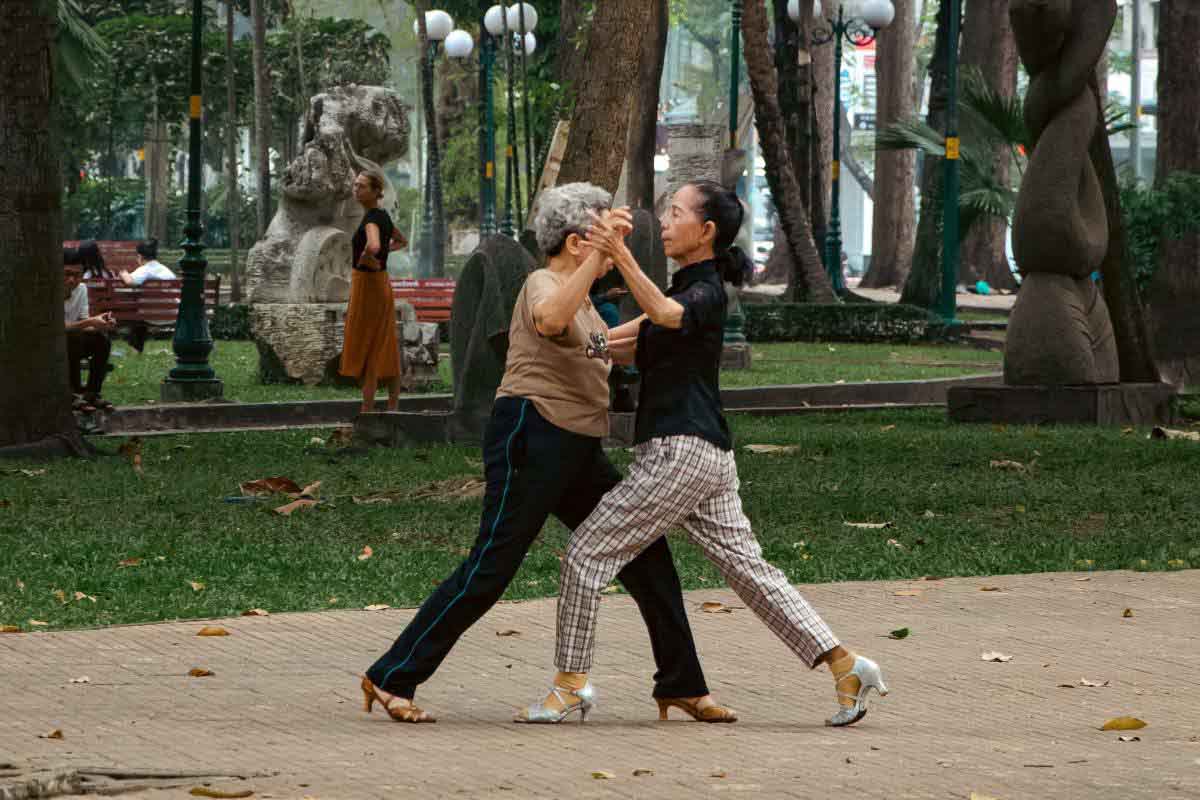
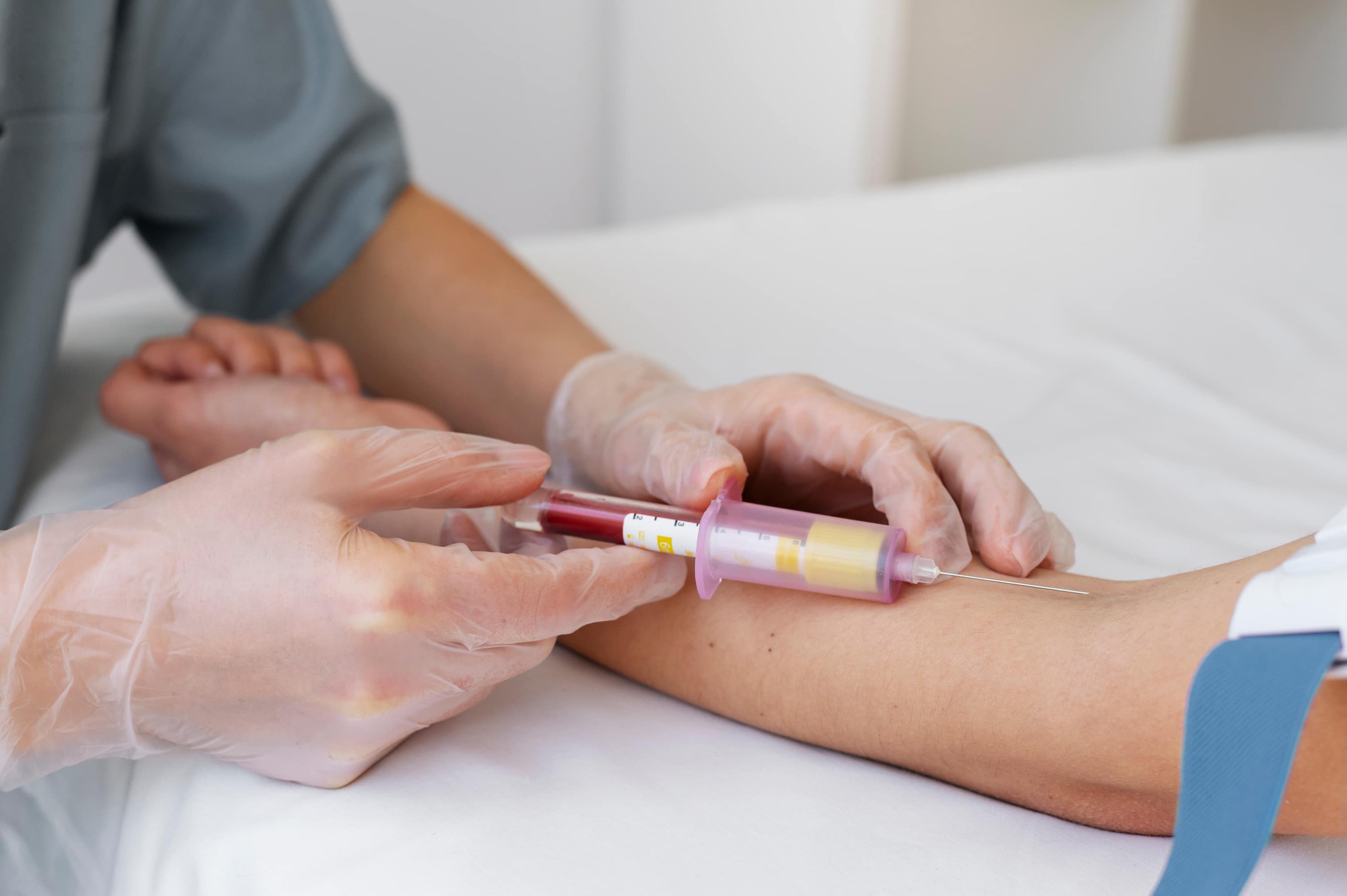
Anaemia remains a major public health challenge in Vietnam. (Image: Freepik) Anaemia remains a major public health challenge in Vietnam. (Image: Freepik)

Using the Global Burden of Disease (GBD 2021) dataset, the research estimated anaemia prevalence and Years Lived with Disability (YLD) in Vietnam from 1990 to 2021 across different risk factors, age groups, and sexes. It also examined key socio-economic determinants to provide robust, macro-level insights into the anaemia burden.

The study shows that Vietnam recorded 16.30 million anaemia cases in 1990, decreasing only marginally to 16.05 million in 2021, a modest reduction of 1.5 per cent. Male cases declined from 5.69 million to 4.27 million, while female cases rose from 10.61 million to 11.78 million, signalling a widening gender gap.

The burden has also shifted over time. While infants and young children have benefitted from strengthened maternal and child health programs, middle-aged and older adults, particularly women, now carry a larger share of the burden. 

Iron deficiency remained the leading cause in 2021, accounting for 68.84 per cent of all cases, followed by other haemoglobinopathies (6.70 per cent) and beta-thalassaemia trait (5.53 per cent). Anaemia caused by hookworm infection fell sharply from 317,881 cases in 1990 to 12,792 in 2021, reflecting the impact of deworming and improved sanitation. In contrast, anaemia linked to chronic kidney disease and genetic conditions increased, particularly among older adults.  

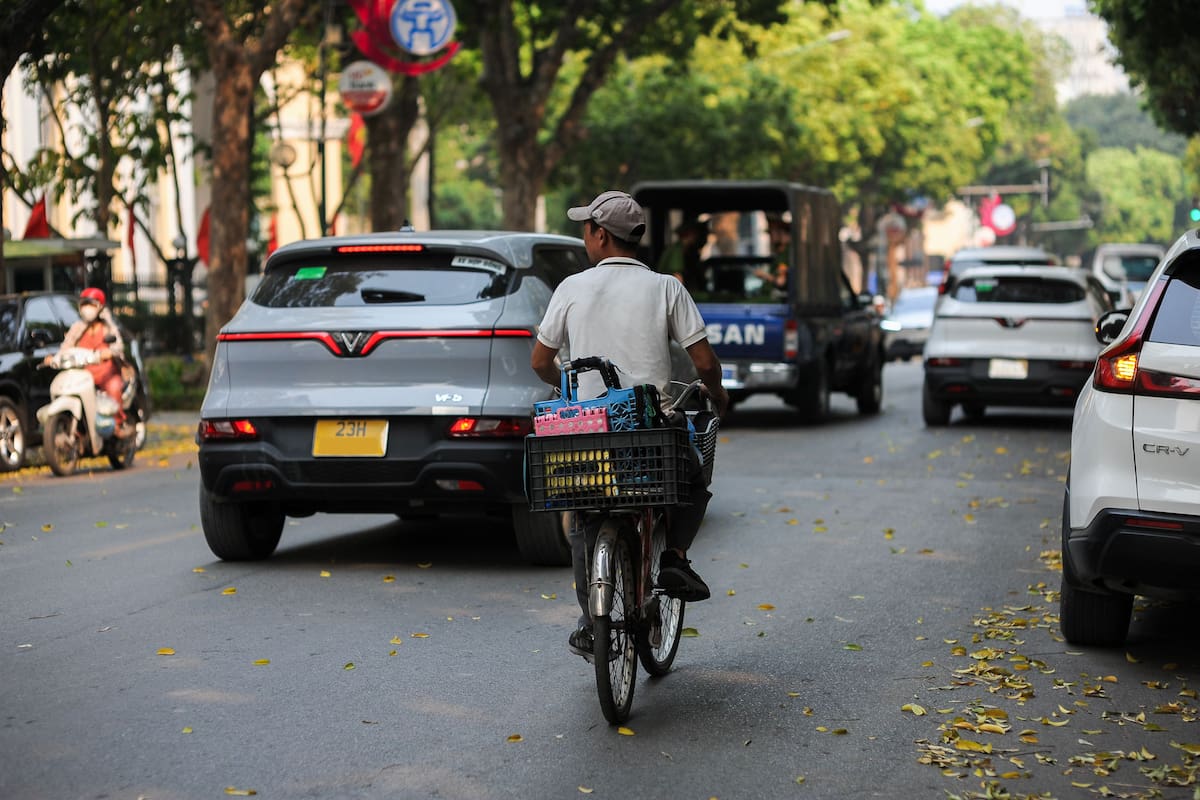
Female anaemia cases continue to rise in Vietnam, while male prevalence declined. (Image: Freepik) Female anaemia cases continue to rise in Vietnam, while male prevalence declined. (Image: Freepik)

Iron deficiency alone made up 75.04 per cent of female cases, while anaemia in men was more commonly associated with HIV/AIDS and chronic illness. Factors such as reproductive health, ageing, and socio-economic inequality continue to drive the gender-skewed burden.

“Reducing anaemia is not only a health priority but also essential for Vietnam’s socio-economic advancement, given its impact on labour productivity, education, and healthcare expenditure,” said Dr Behera.

The findings reveal that improvements in education, income, and gender equality significantly reduce anaemia prevalence and disability, while socio-economic and gender disparities intensify the burden. 

Dr Behera said: “These results highlight the need for an integrated approach that addresses both nutritional and structural determinants.”

According to him, policymakers should strengthen iron and micronutrient supplementation, dietary diversification, and early screening programs, alongside promoting education, women’s empowerment, and equitable income opportunities. Expanding community-based healthcare and improving chronic disease management, particularly among aging populations, are also crucial. 

A comprehensive, gender-sensitive framework that links nutrition, health, and socio-economic reforms will ensure sustained anaemia reduction and help Vietnam achieve its 2030 Sustainable Development Goals.

Story: June Pham

Related news