
Vietnam's tiny yeasts show big promise for sustainable edible oils
Science and technology
20 Oct 2026
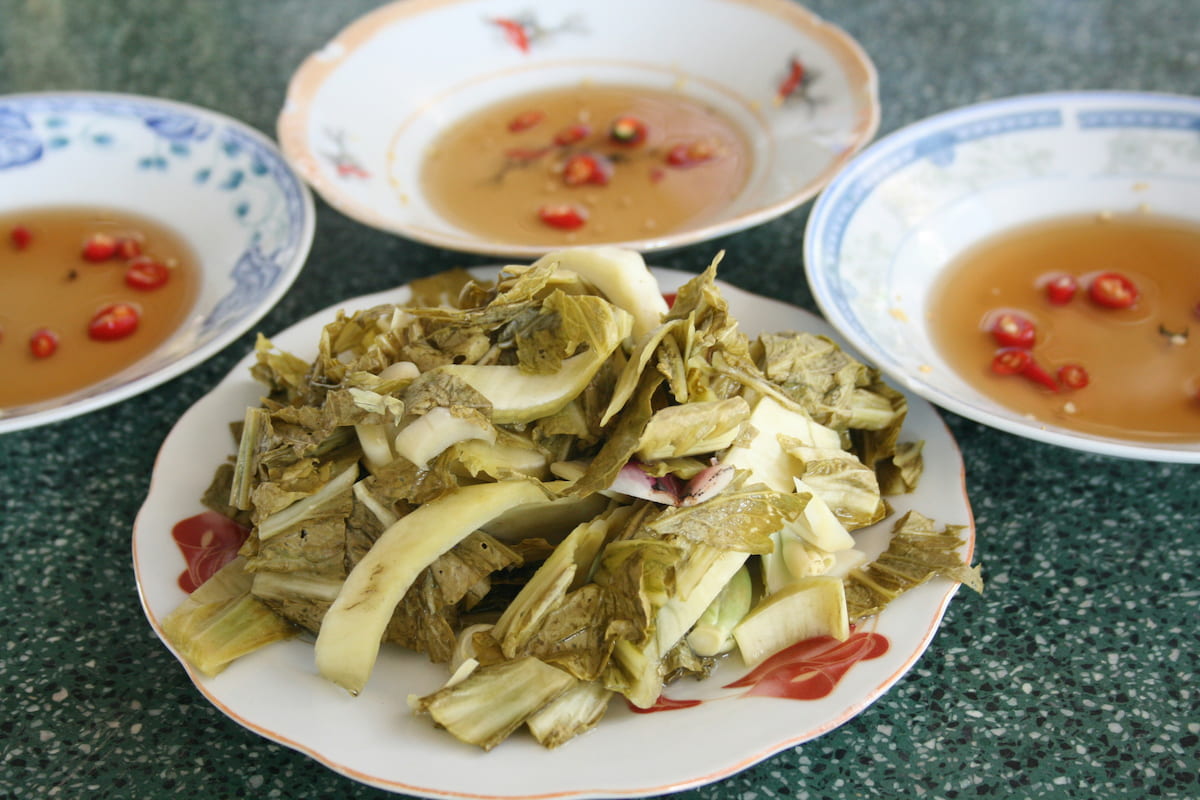
What do sugarcane bagasse, pickled mustard greens and salted anchovies have in common? They have helped RMIT researchers discover promising oil-producing yeasts.
MOET and RMIT Vietnam launch AI skills program for ethnic minority students
Campus and community
19 Oct 2026
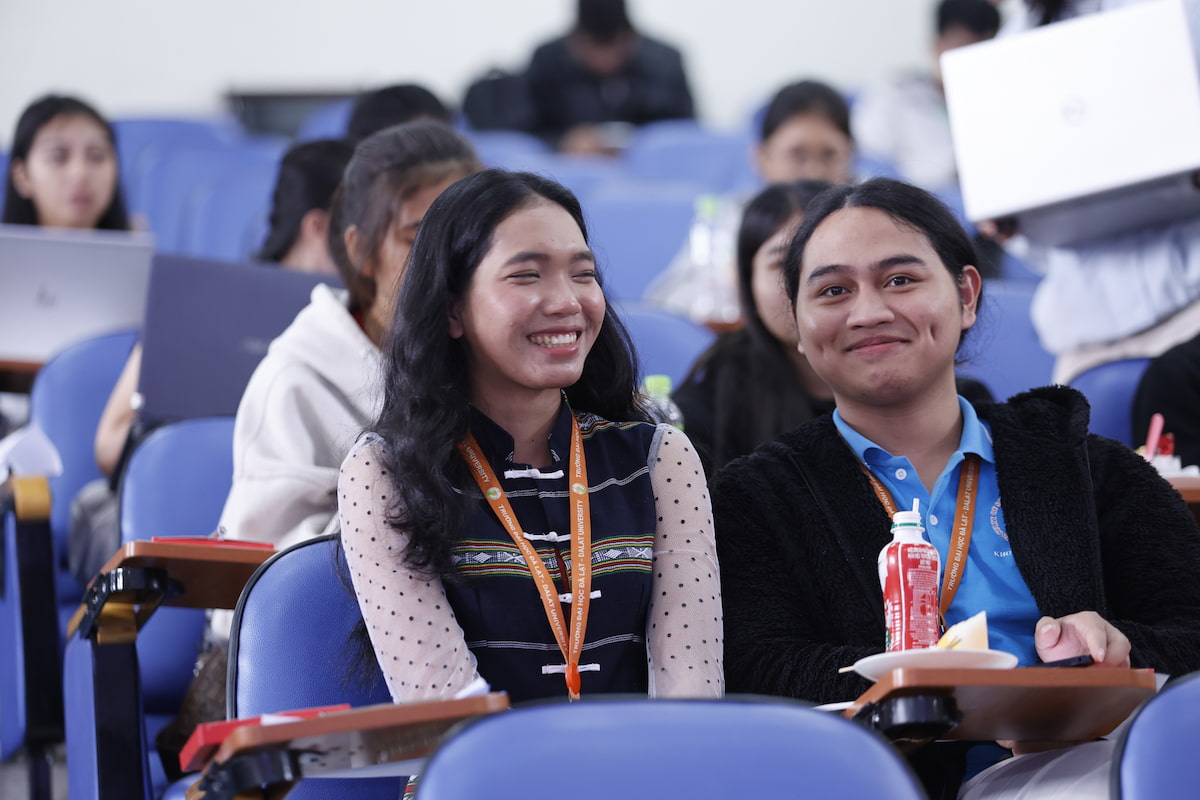
Vietnam’s Ministry of Education and Training (MOET) and RMIT Vietnam launched an AI skills development program for more than 5,400 ethnic minority students across eight higher education institutions.

Can AI truly forget, or does it just pretend to?
Science and technology
16 Oct 2026
Amidst rising AI adoption in Vietnam, research from RMIT University reveals that systems may appear to forget sensitive data but can still recover it under pressure, raising urgent questions for data privacy.

Vietnam is ageing fast. Are we ready?
Communication and design
14 Oct 2026
RMIT Vietnam researcher Catherine Earl found that many ASEAN countries, including Vietnam, are ageing at a pace that could see them "grow old before they grow rich”.