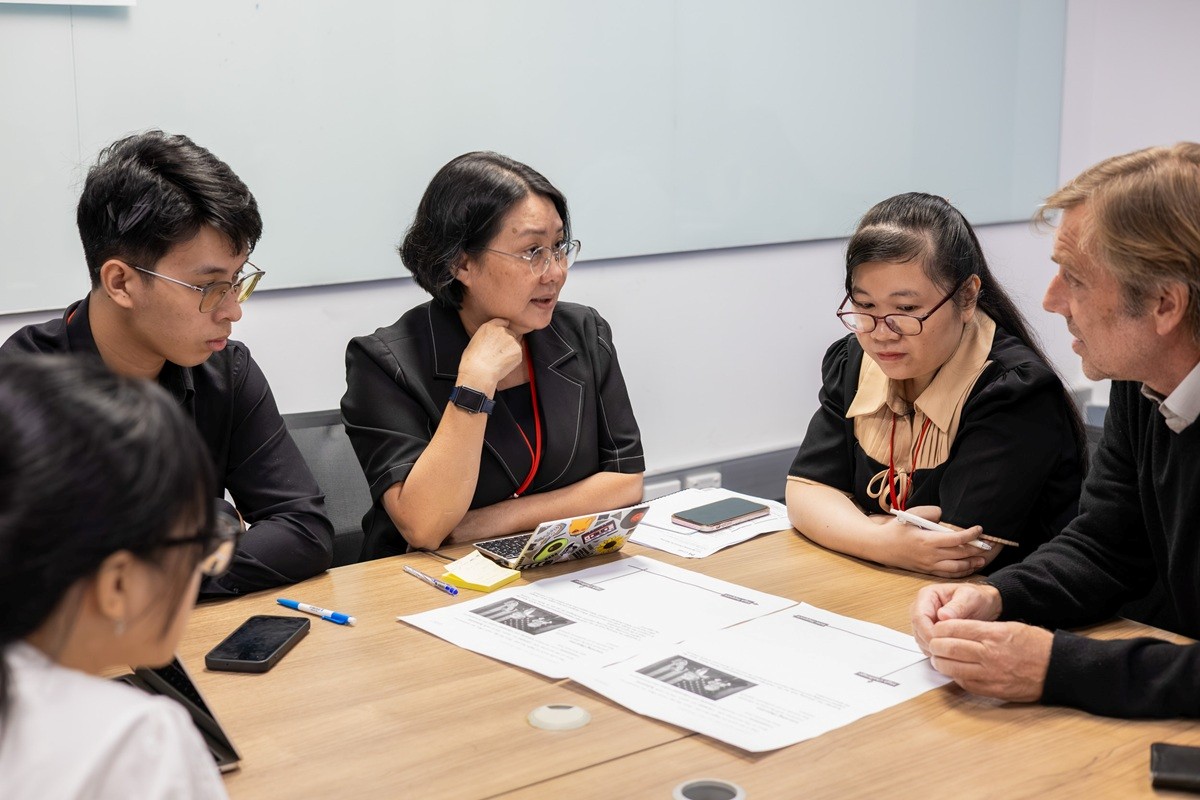
Teacher Talks 2026 shares new pathways for learning through English
With a new English-medium instruction stream and a broader mix of speakers than ever before, RMIT’s Teacher Talks 2026 explored how teaching and learning through English is evolving in Vietnam.
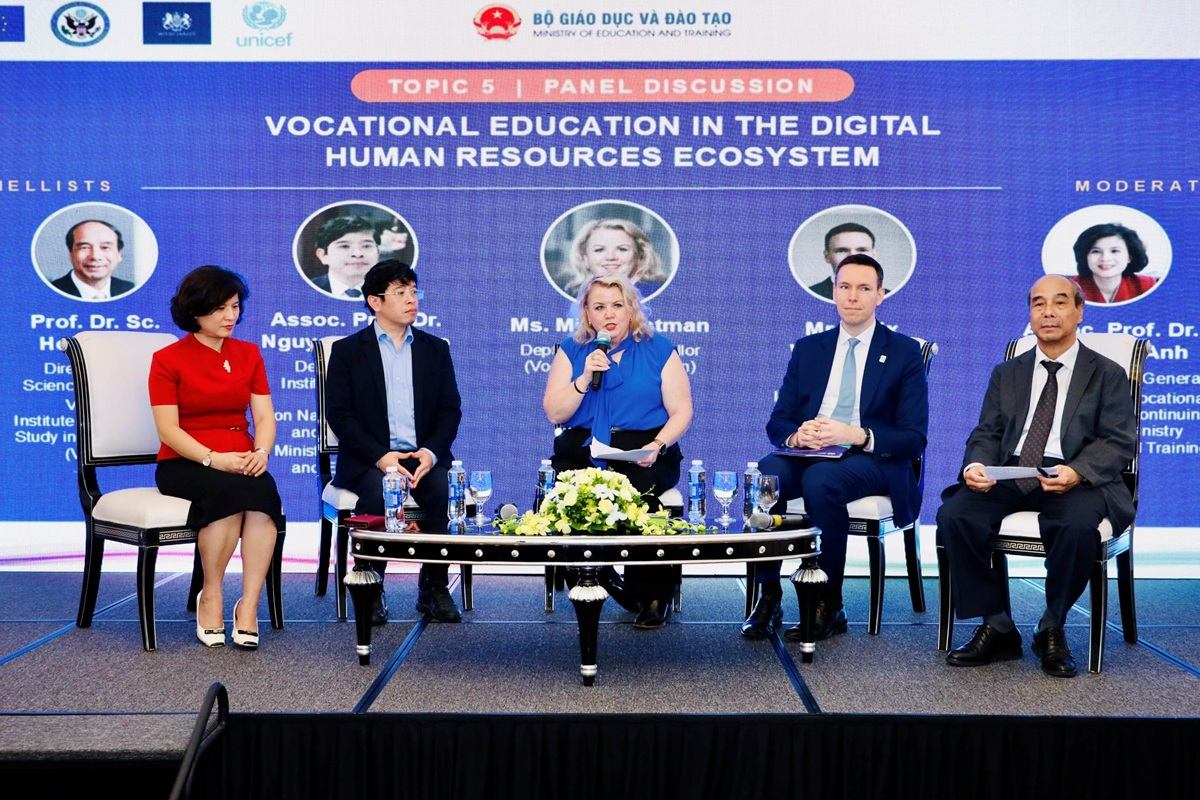
RMIT contributed insights on the future of education at IECEE 2026
RMIT University shared international experience in education cooperation, future skills and AI in education at IECEE 2026 organised by Vietnam’s Ministry of Education and Training.
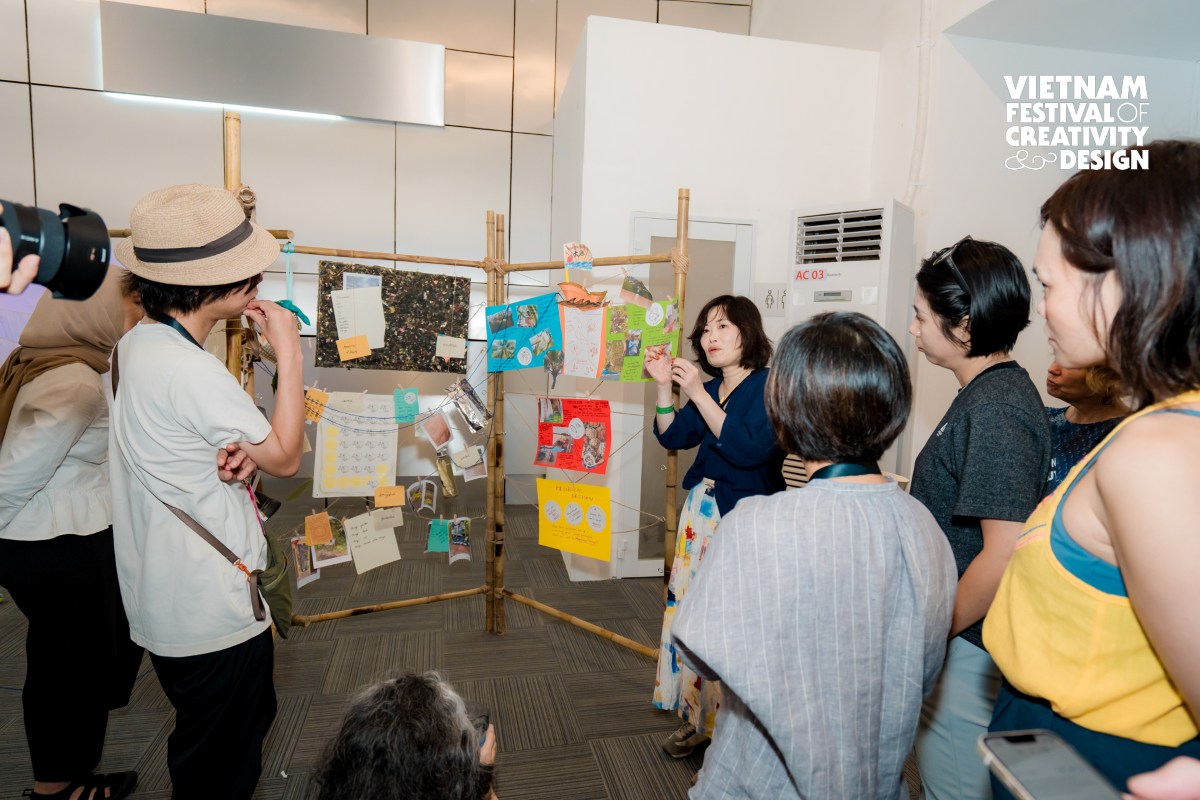
How the Mekong Delta is reshaping the future of circular design
Amidst global ecological shifts, the Mekong Delta is forging a new design mindset: a transition from viewing the landscape as a static “system” to seeing it as a vibrant “network of relationships".
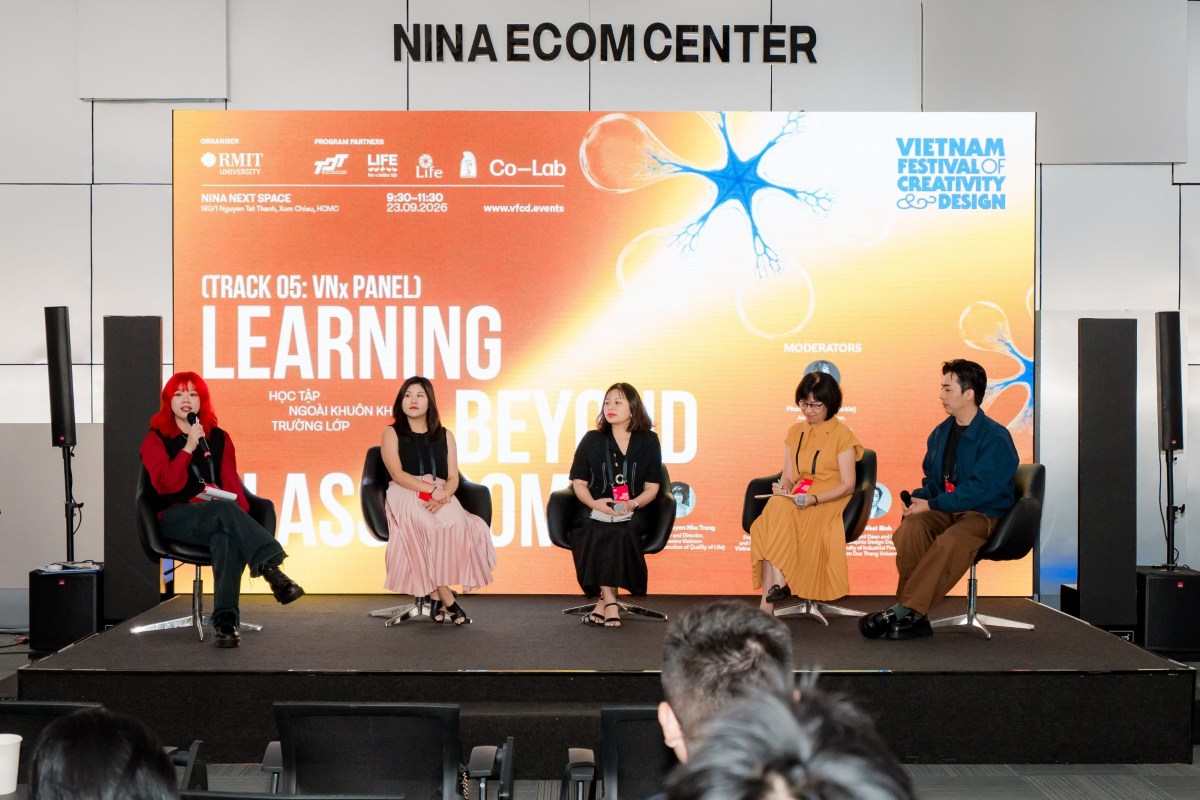
How to deepen connections between universities and communities
The VNx panel discussion within Vietnam Festival of Creativity & Design 2026 explored a central question: How can connections between universities and communities become deeper and more sustainable?