Cultural heritage and accessibility
In order to make heritage available to everyone, Mr. Pui and his team decided on the three pillars of accessibility of the Empowering GLAM initiative.
Tool accessibility
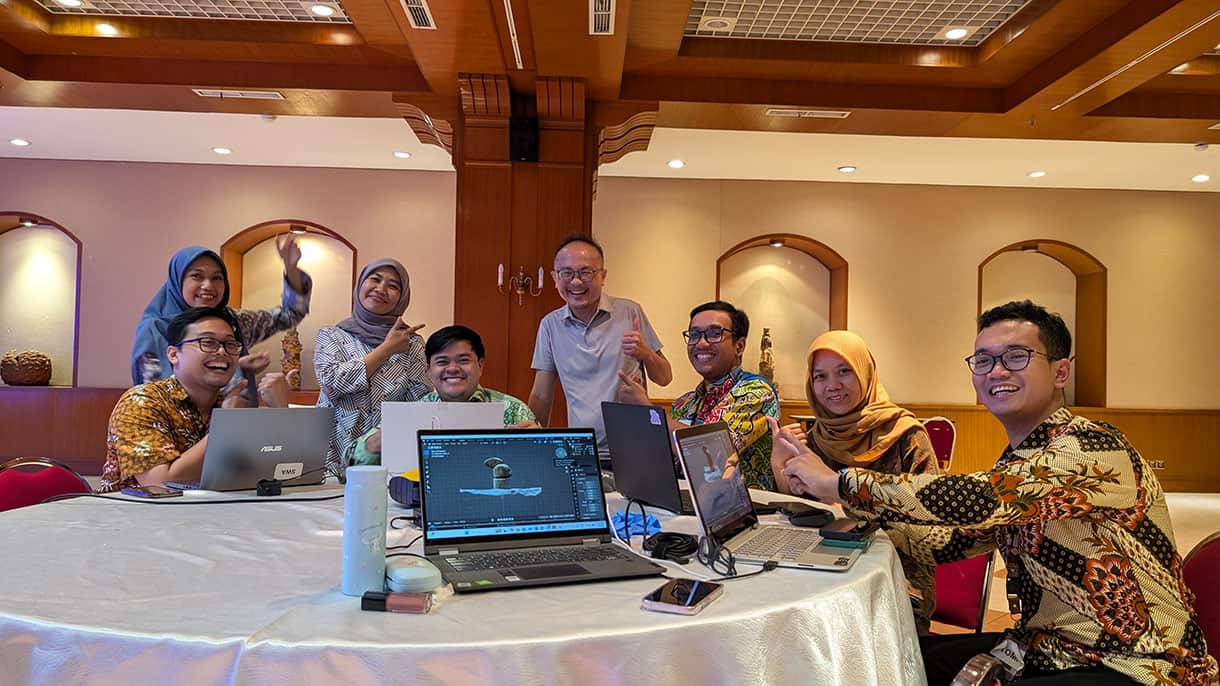
For Empowering GLAM, it was decided that the initiative should use tools that are easily available, such as smartphones. These could be used as a preservation studio, and enable museum staff to easily digitise their prized pieces without the use of intimidating technology.
Cost accessibility
To overcome the stereotype that high quality preservation demands a price tag beyond reach, the initiative found and customised free software.
Experience accessibility lets artifacts step out of their glass cases and wander into the digital world. No longer confined to a single city or locked in a single museum, they live in the digital pockets of countless individuals. A villager in the mountains, a traveler halfway across the world, all can carry fragments of culture with them, anytime, anywhere.
This commitment to accessibility has enabled the project to travel across countries in Southeast Asia. Among its proudest milestones is the Betel and Areca Nut Collection at the Vietnamese Women’s Museum, where 3D technology cloths a new digital garment in the once-faded ritual. The old soul of betel chewing now wears fresh colors, closer to all.
Authors: Nguyen Khanh Linh, Nguyen Vu Phuong Linh, Nguyen Bao Nhi, Le Minh Anh