Drawn by the formats
Through a series of activities, the abstract language of sustainability became tangible - sustainability has texture, shape and colour. The event received positive responses, with hundreds of participants who came to admire and share the experience with friends.
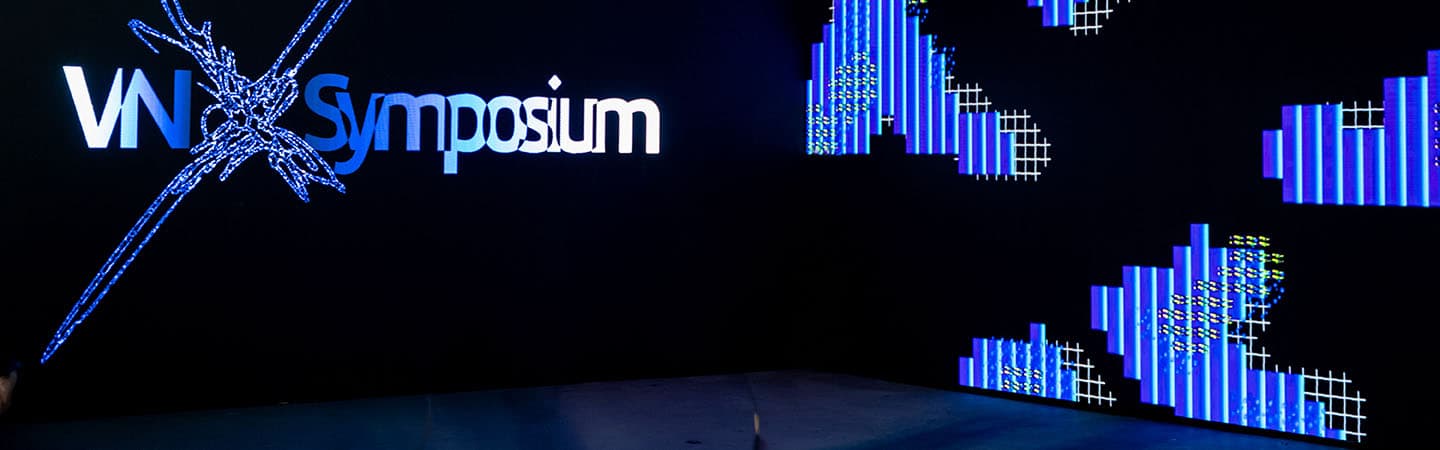
VNx Symposium, sponsored by RMIT University’s School of Communication & Design, was a three-day event that included panels, exhibitions, short films, a workshop and a VJ to close the ceremony. Dr. Rachel Jahja, the event coordinator, shared her experience: “It was really tricky to deliver a range of technical knowledge, while keeping it enjoyable for an audience”. Understanding the challenge, the organisers tried to find the right formats to convey the concept of sustainability through a variety of creative, visually engaging formats to remind everyone of its broad and intrinsic appeal.
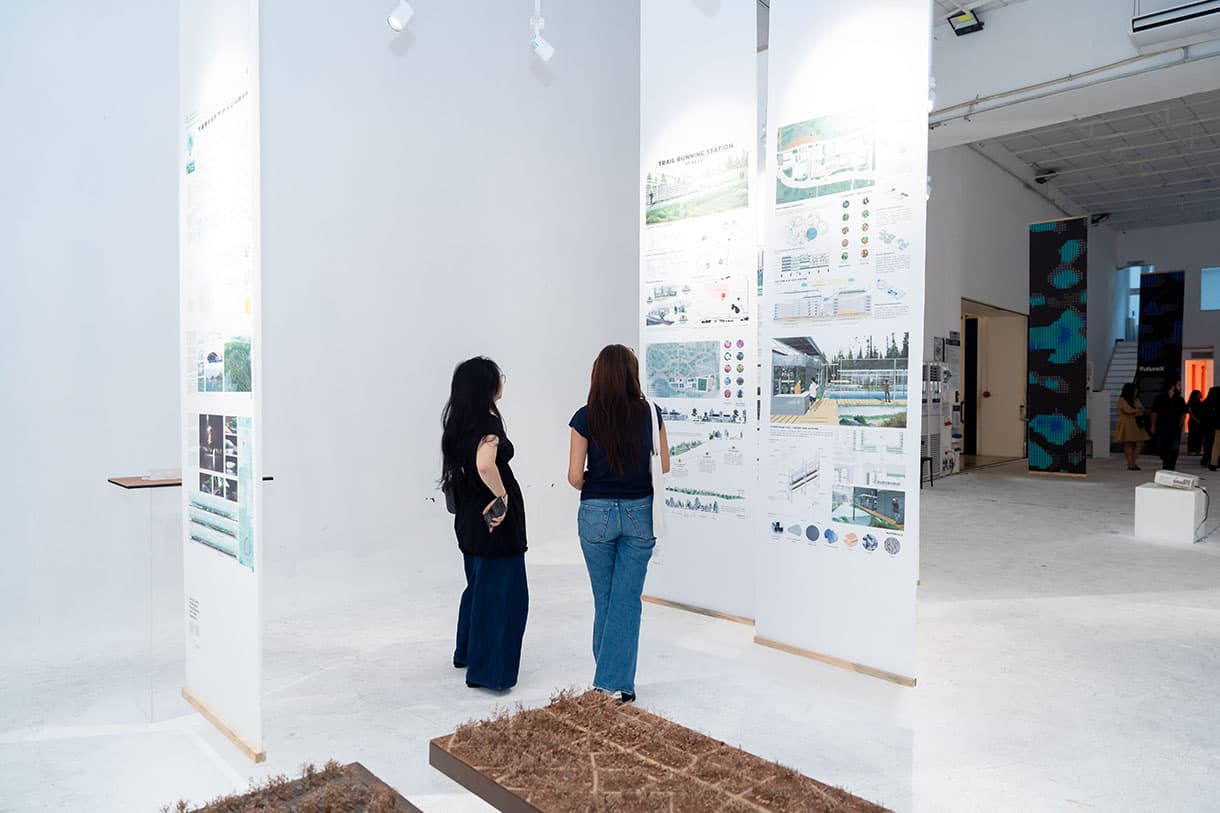
The opening short film, slow and poetic, invited visitors to wander through its serene, green architecture. The exhibition followed, where sustainable projects by RMIT students and staff were showcased in an exhibition space. The Hmong weaving workshop offered attendees the opportunity to craft their own sustainable products. The closing VJ exploded with light and movement, bringing both a dynamic ending to the event and a reminder that sustainability is a communal practice.
Discovering sustainability in the stories of Vietnam
The appeal of sustainability goes beyond mere aesthetics. Displays of traditional fabrics, old Saigonese buildings and local handmade objects reveal that green ideas have long resided in Vietnam. For some attendees, this was the first time they had encountered sustainability as something connected to their own culture. By grounding the term with Vietnamese artifacts, VNx Symposium turned heavy textbook theories into vivid moments of Vietnamese life, making sustainability both exciting and appealing, bringing a sense of familiarity and intimacy to local audiences
“I always see a special allure in Vietnam; the lecture on the thoughtfulness in Vietnamese architecture was more inspiring than any talk I’ve attended from universities abroad,” Dr. Jahja noted. What she praised was simple and practical: Vietnamese architects design shading structures to firstly protect people from the harsh sun, ensuring comfort in daily use and only then incorporate green elements. “The devotion stands apart from other places I have seen, where sustainable factors were ticked in a to-do checklist”.
Translating knowledge across disciplines to diverse audiences provided the guiding spirit of VNx Symposium. By collaborating with five other universities across Vietnam, the event became a platform to listen and learn from local experts. Their voices amplified the authentic essence of Vietnam, making the sustainable ideas relatable to student lives.
Looking towards the future
VNx Symposium is an example of how sustainability events can provide both impact and appeal. RMIT believes that modest, well-prepared gestures can contribute to empowering future sustainable actions. An engaging film that drew a crowd despite the rain, an aesthetic exhibition with cultural meanings and a VJ set to bring everyone together showed how sustainability is relatable and inspiring.
Be sure to attend future events so that you too can discover how green ideas can and will continue to colour the world around us.
Authors: Dang Quynh Tram, Nguyen Do Bao Ngoc, Nguyen Minh Khue, Phan Nhat Gia Han, Pham Tuong Anh