From the classroom to global impact
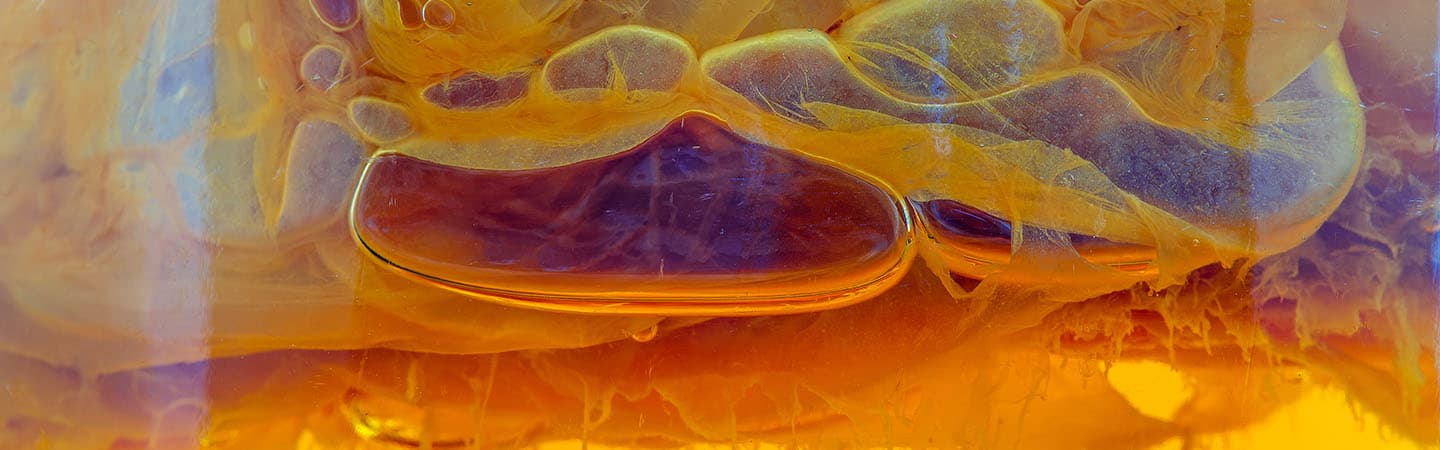
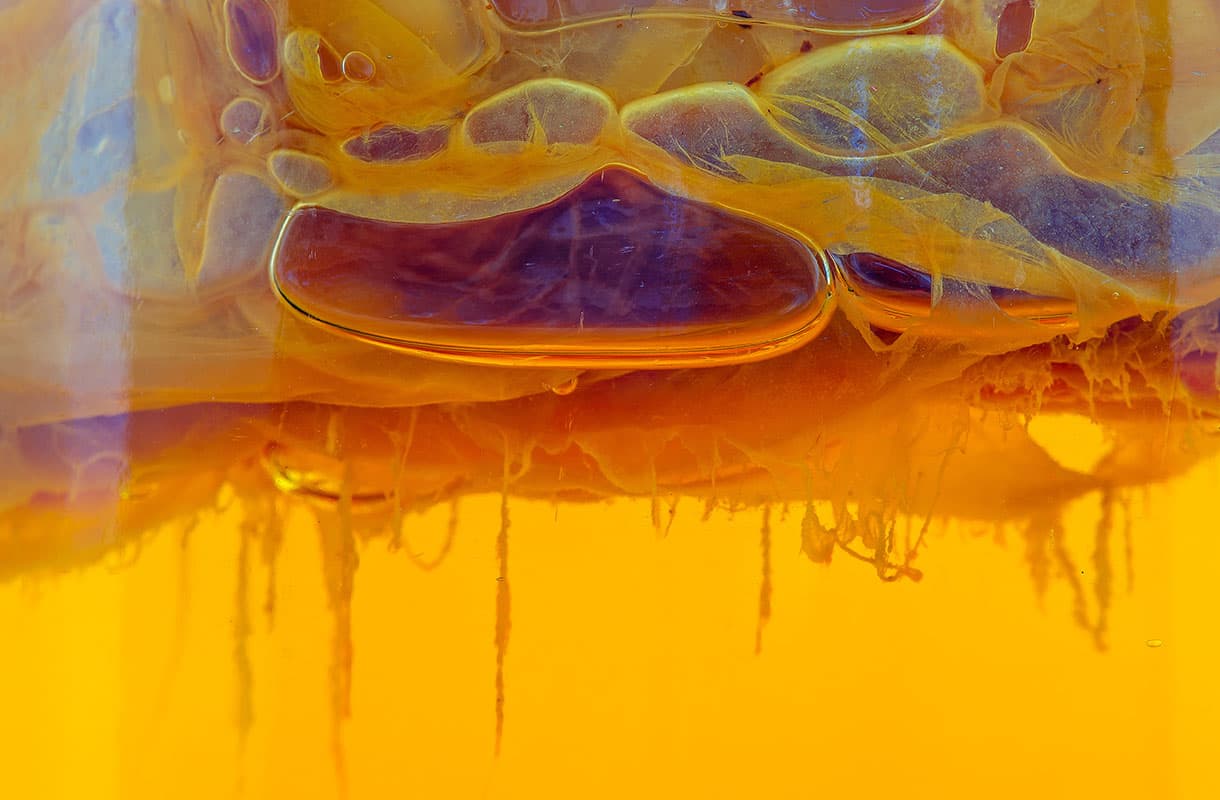
The international recognition of the project affirms the competitive potential of Vietnamese sustainable fashion in global conversations, especially through innovative waste-utilisation SCOBY to replace synthetic cottons that is putting great pressure on the environment. She has demonstrated the strength, durability and biodegradability of the material.
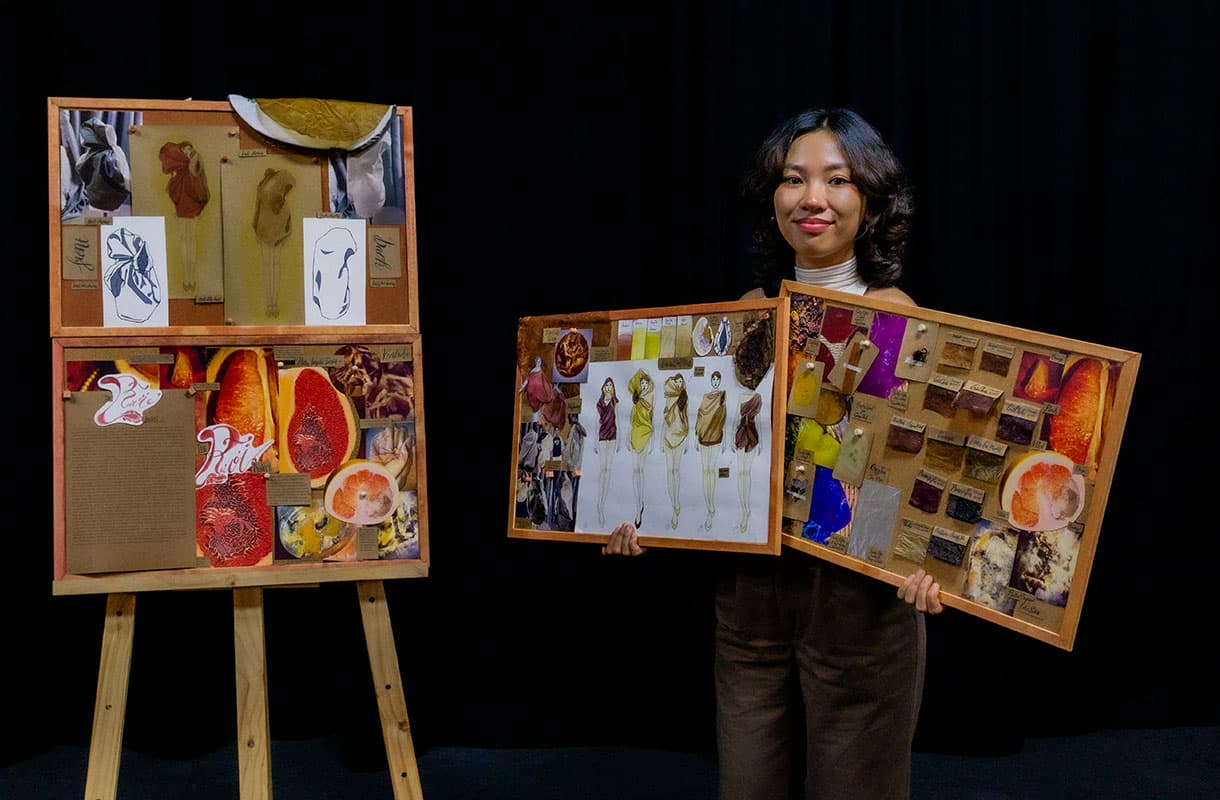
Veronica coloured the Kombucha leather with natural dyes collected in her daily surroundings, emphasising the commercial potential of the material and the diversity of local dye resources. Her work reinforces that the Vietnamese fashion industry has the potential to be sustainable, with abundant local resources and dyeing techniques. Local sustainable solutions can originate from easily accessible materials and remain viable at large-scale production.
The impact of authentic learning
According to Veronica, the course Fashion and Textiles broadened her perspective on dyeing techniques. As Veronica noted, “Back then, I was not interested in natural dye because the first thing that came to mind was indigo dye, which is already common knowledge.” Her lecturer, Ms. Cheryl, showed her new and authentic approaches, igniting her enthusiasm. The integration of practical content, from natural dyeing techniques and materials to experimenting with kombucha-based ingredients, allowed her to develop the skills that eventually led to this award winning project.
Her instructors also encouraged her to explore and learn from mistakes, turning challenges into opportunities. Like many RMIT Fashion Enterprise students, Veronica pursued sustainable dyeing practices that showcase not only her individual creativity but also her vision of sustainability for the fashion industry. Her award winning work reflects the core values nurtured by both the program and RMIT University's long-term commitment to sustainability.
Authors: Nguyễn Như Quỳnh, Võ Nguyễn Quỳnh Như, Hoàng Hải My, Phạm Thị Ngọc Thi