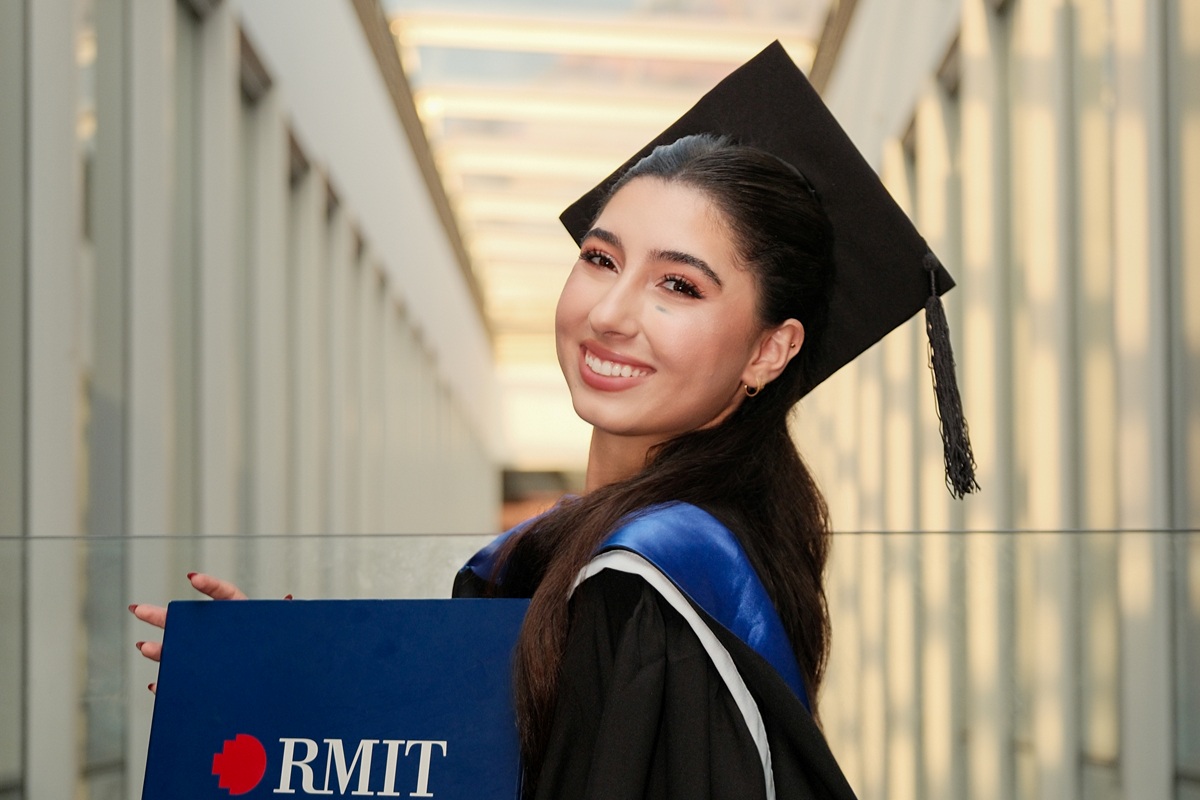
Following curiosity, finding purpose: Shirin Shujaa’s journey
07 Aug 2026
For Shirin Shujaa, curiosity – sparked by new ideas, mentors and opportunities at RMIT Vietnam – grew into a purpose that now guides her research in artificial intelligence.
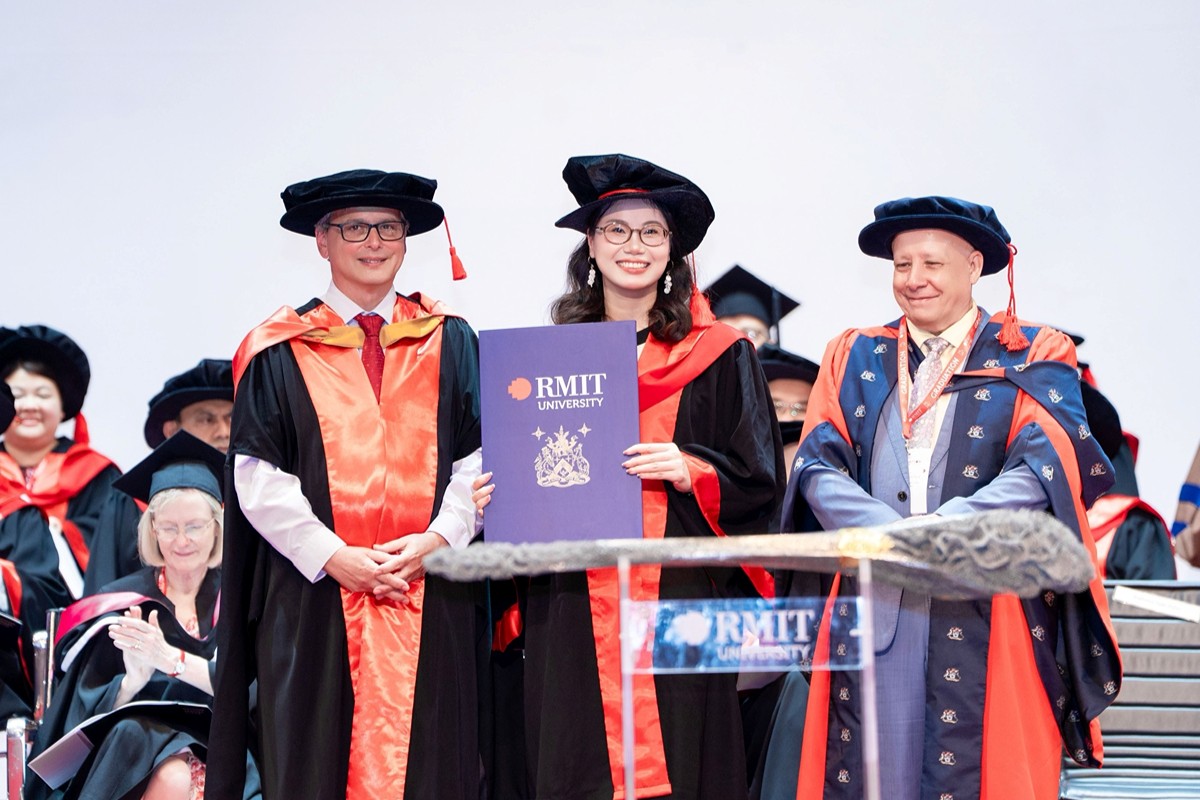
A PhD journey empowered by RMIT’s support system and research community
29 Jul 2026
Now a lecturer in The Business School, Dr Pham Thanh Hang describes her PhD journey as both demanding and deeply rewarding, made possible by the support she received at RMIT.
Meet Nguyen Nhat Linh – A quantitative trader who studies Master of Artificial Intelligence at RMIT
20 May 2026
Already working with AI, Nguyen Nhat Linh saw a gap between using and understanding it. This inspired Linh to study the Master of AI at RMIT and explore the foundations of intelligent systems.
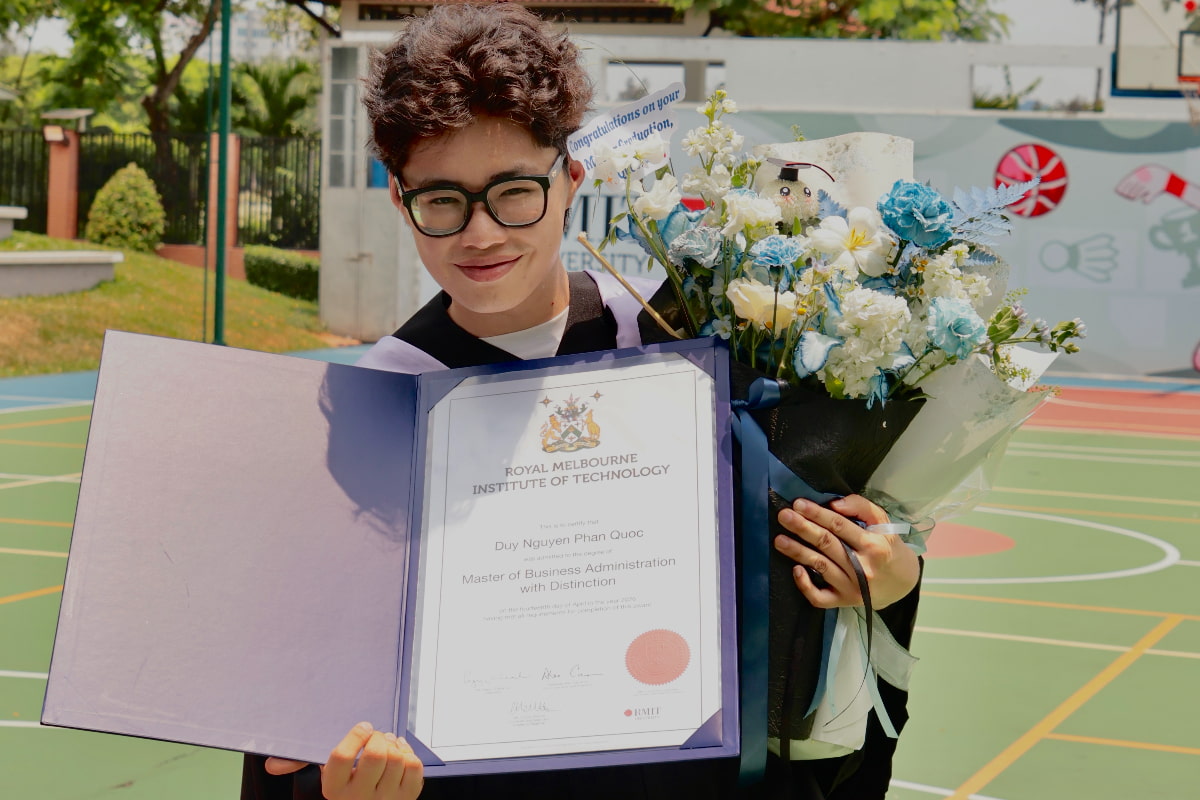
Looking beyond the answer: Nguyen Phan Quoc Duy on his path into research
24 Apr 2026
With a strong foundation in business, Nguyen Phan Quoc Duy entered the MBA to deepen his capabilities – but found himself asking different questions, leading him towards research.