Following curiosity, finding purpose: Shirin Shujaa’s journey

Following curiosity, finding purpose: Shirin Shujaa’s journey

For Shirin Shujaa, curiosity – sparked by new ideas, mentors and opportunities at RMIT Vietnam – grew into a purpose that now guides her research in artificial intelligence.
When Shirin Shujaa arrived at RMIT Vietnam from Syria to study software engineering, she had a simple goal: become a skilled software engineer.

As she discovered different areas of computing, Shirin was drawn to natural language processing (NLP), a field that explores how AI learns from and responds to human language. As she dug further, she realised that language models also embed the values, perspectives and biases of the people who build them. A deeper insight surfaced – if those people don’t reflect the diversity of the communities they serve, neither will the systems they create. 

“I kept noticing how language models pick up and amplify the biases already present in their training data, resulting in adverse effects on the communities that have the least say in how these systems are built,” she says.

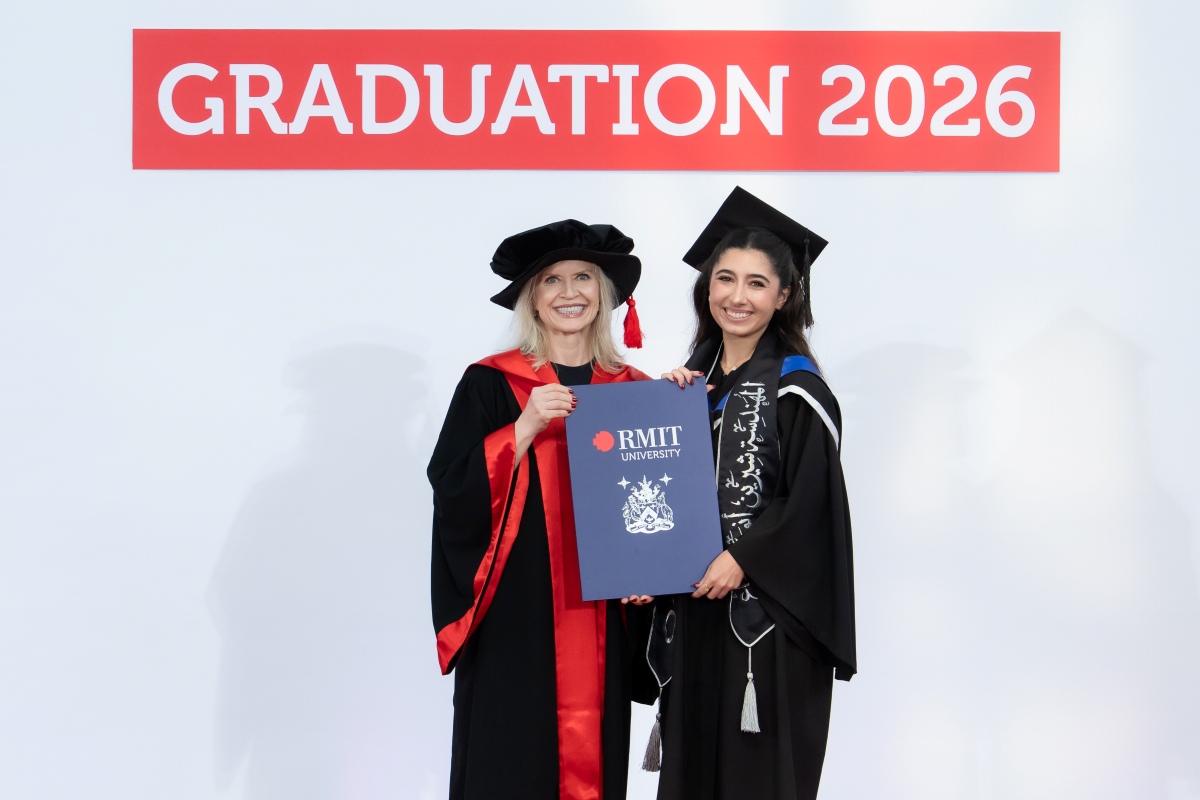
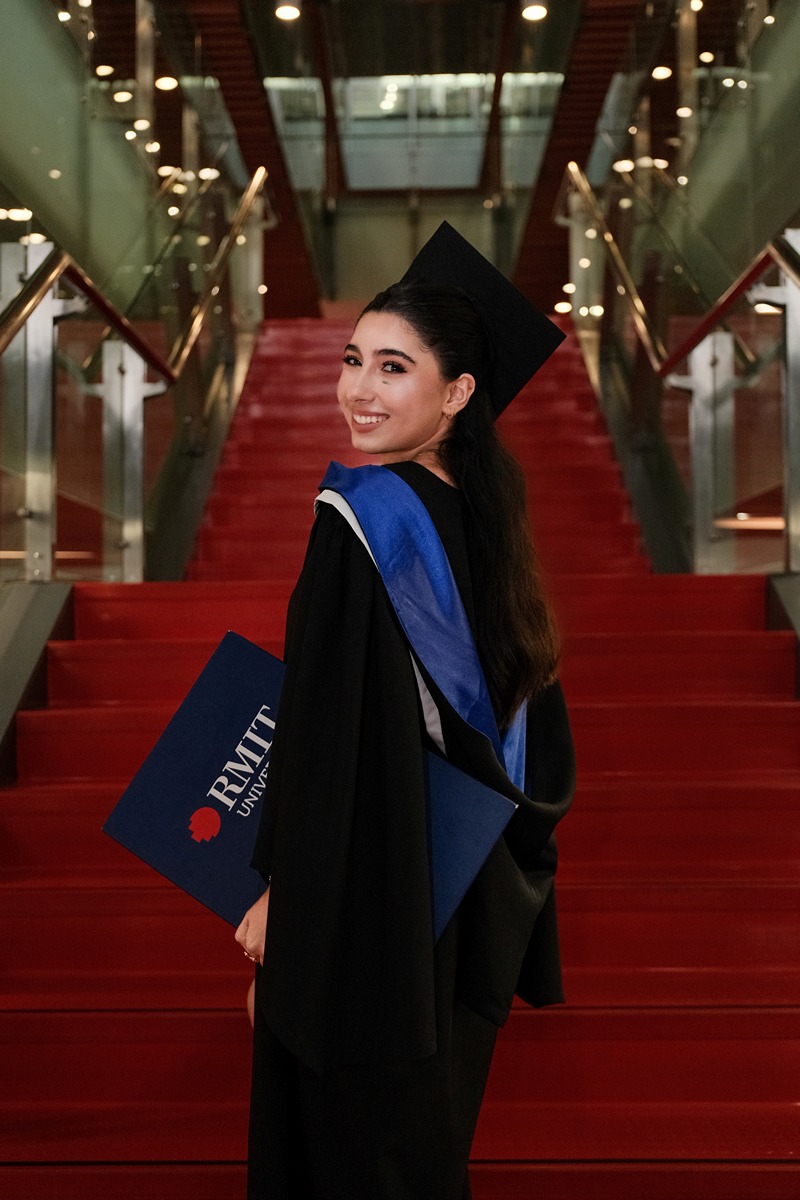
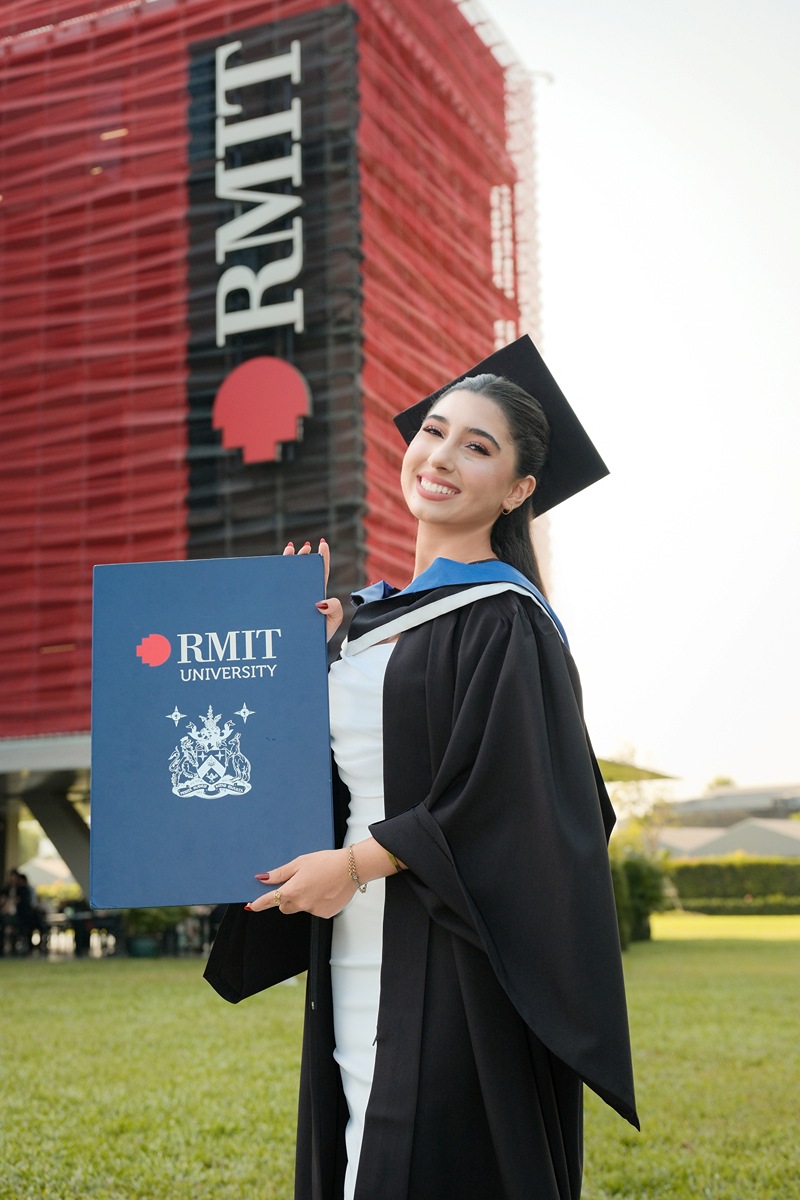
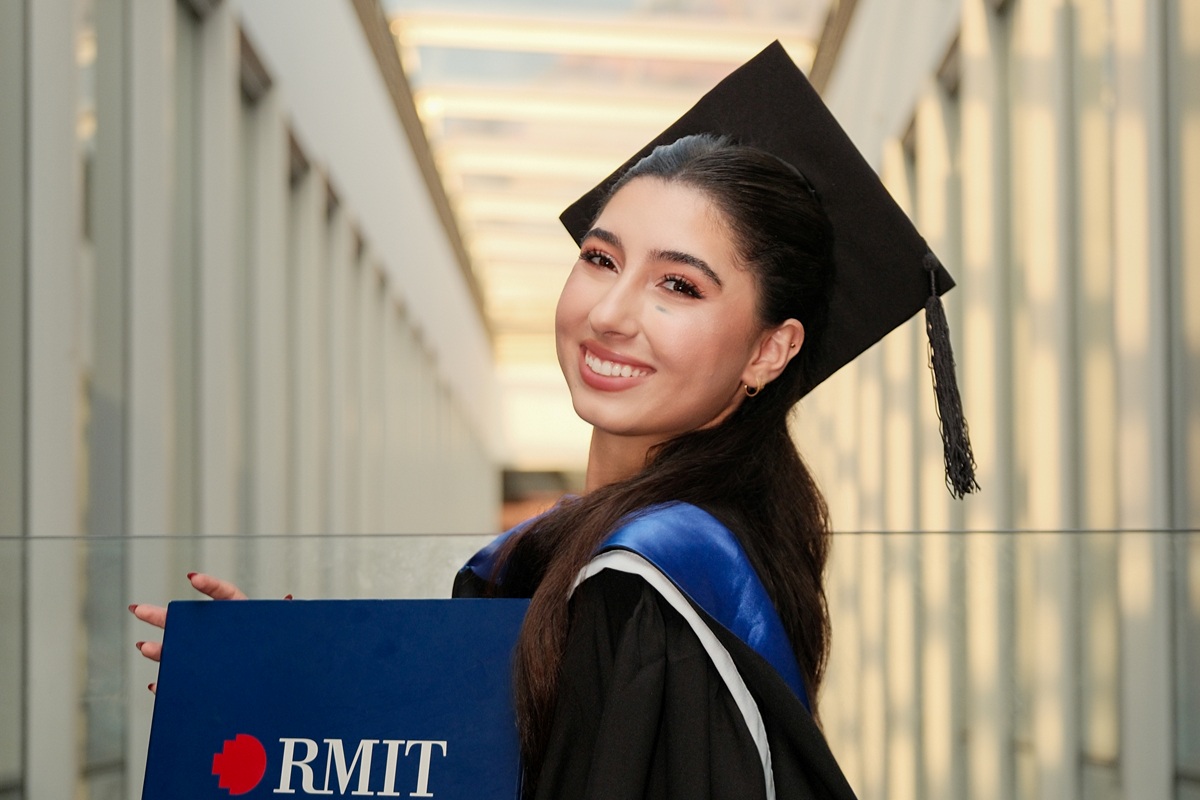
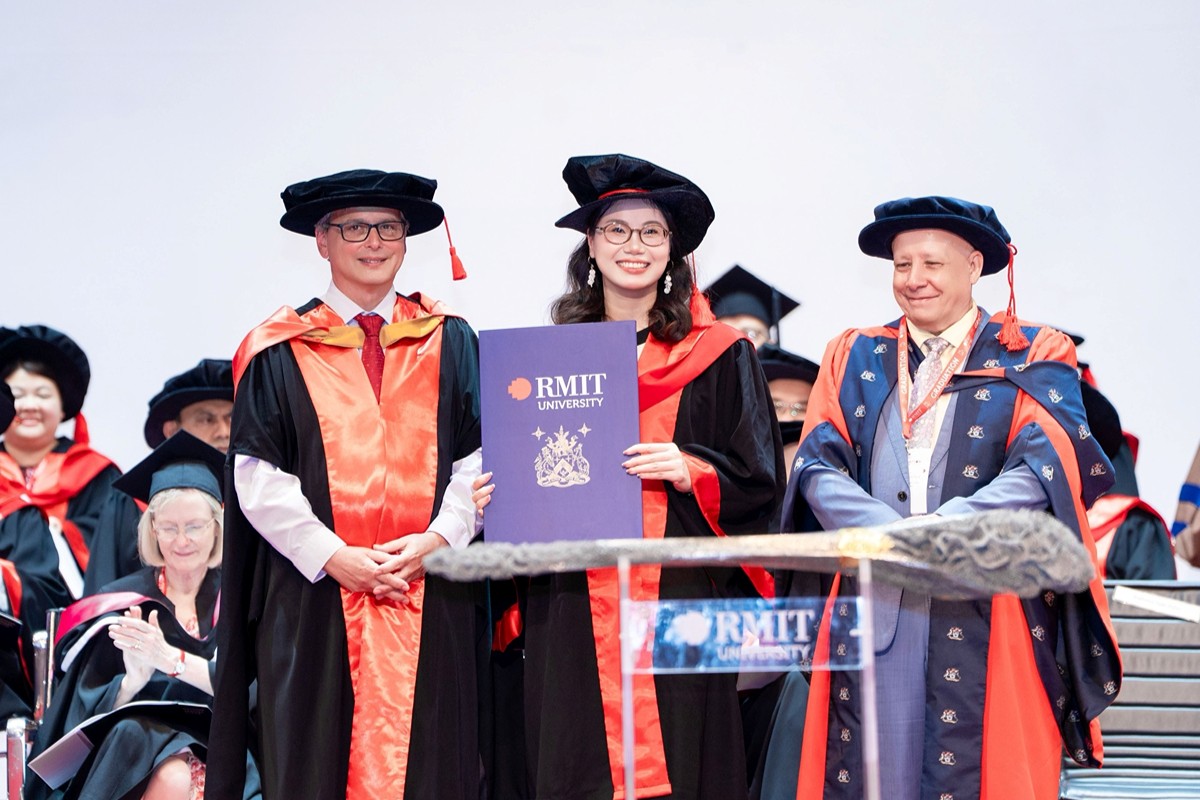
Shurin Shujaa is graduating with a Master of AI, stand smiling together with an RMIT University certificate in front of a "Graduation 2026" backdrop.

So when Shirin was offered a place on a funded Responsible AI research project as an undergraduate, she embraced the opportunity to explore how AI could become fairer and more inclusive.

“Being trusted with a spot on a funded research project as an undergraduate gave my interest in fairness an actual structure to grow into disciplined, publishable work,” she says.

Working alongside experienced researchers and mentors who challenged her thinking gave Shirin the confidence to pursue increasingly ambitious questions and turned research into something she genuinely wanted to do. Building on that foundation, Shirin enrolled in RMIT Vietnam’s Master of Artificial Intelligence after she achieved her Bachelor of Software Engineering (Honours) with a Distinction.

The Master of AI gave me the tools to move from noticing the problem to actually doing something about it.

During the program, Shirin explored hate speech, sexism and framing bias in language models while also developing AI applications with practical social impact, including a project that helps autistic adults prepare for job interviews.

“I care about AI reaching the people usually left out of the conversation,” she says. “I’m not interested in AI in the abstract. I’m interested in who it can actually help.”

That work has led to papers accepted at international conferences including ACM/IEEE JCDL 2025, ICADL 2025 and an IEEE ICDM 2025 workshop. Now completing a Master of Artificial Intelligence at RMIT Vietnam, she’s preparing for the next chapter of her research journey.

That chapter began with a conversation at an international conference in the Philippines, where she met the researcher who would later become her PhD supervisor. In 2027, she will begin a PhD at La Rochelle Université in France, researching how large language models can analyse historical texts by detecting narrative structures in OCR-scanned documents.

Looking back on her time at RMIT Vietnam, Shirin credits the opportunities, mentors and conversations that taught her to ask better questions and fuelled her curiosity.

“Honestly, I’ll remember how much this place let me become someone I didn’t know I had in me – from a first-year software engineering student to someone representing her research on an international stage.”

Shirin didn’t arrive at RMIT Vietnam with a roadmap for where she wanted to go. Instead, she followed her curiosity, embraced new ideas and opportunities and learned from those who challenged her thinking. In time, purpose emerged – one question, one discovery and one experience at a time.

07 August 2026

Share

Related news