RMIT Hackathon 2026 seeks safer AI for low-resource languages

RMIT Hackathon 2026 seeks safer AI for low-resource languages

Students from Vietnam, Australia and Malaysia came together to tackle a big challenge in AI: making AI systems safer, more accurate and more reliable for low-resource languages.

Around 1000 students representing 247 teams from 49 universities across Vietnam, Australia, and Malaysia competed in RMIT Hackathon 2026, with 14 top teams claiming prizes after tackling challenges spanning cybersecurity, generative AI and low-resource languages.

The competition was held simultaneously on 22 and 23 October at RMIT's Melbourne, Hanoi and Saigon South campuses, alongside Taylor's University in Malaysia.

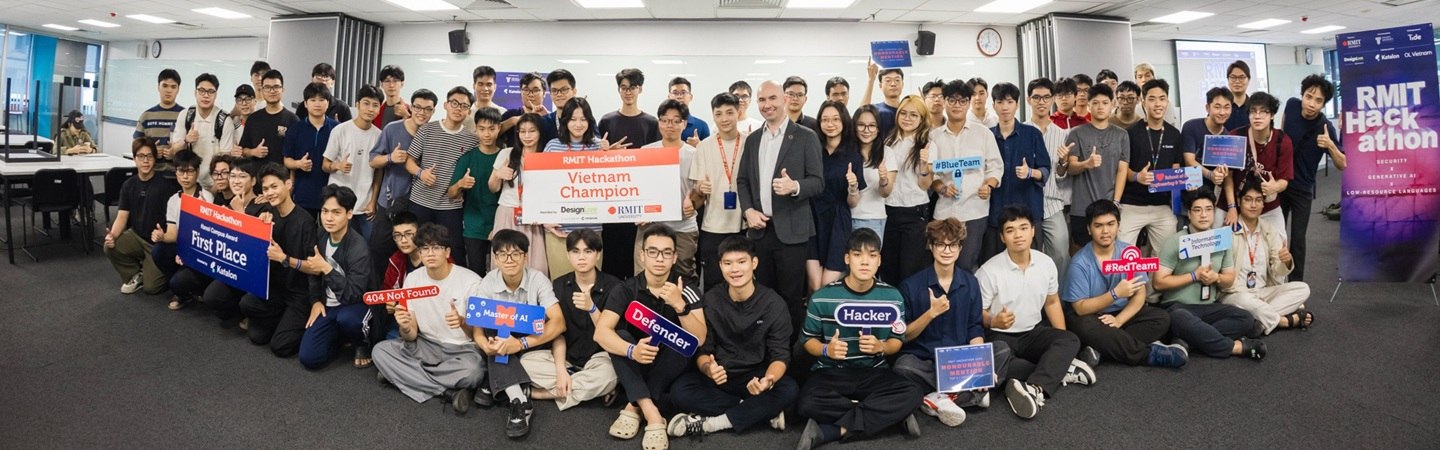
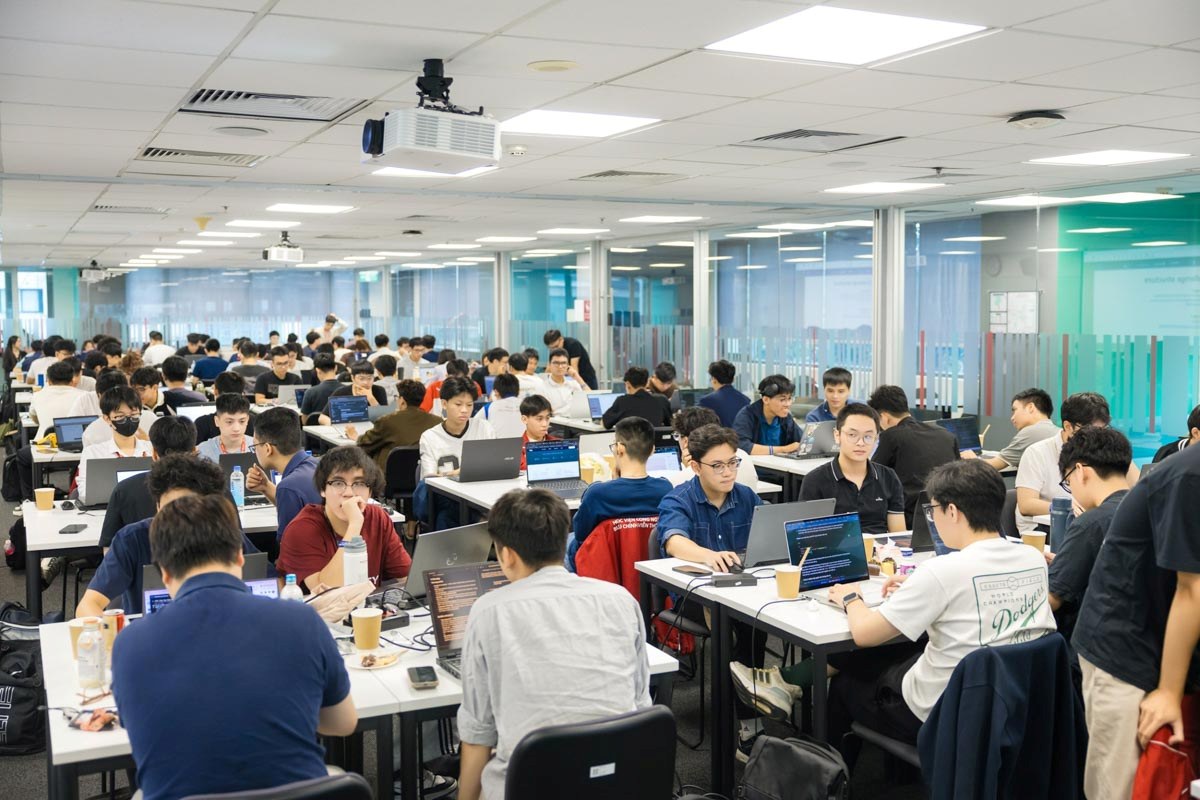
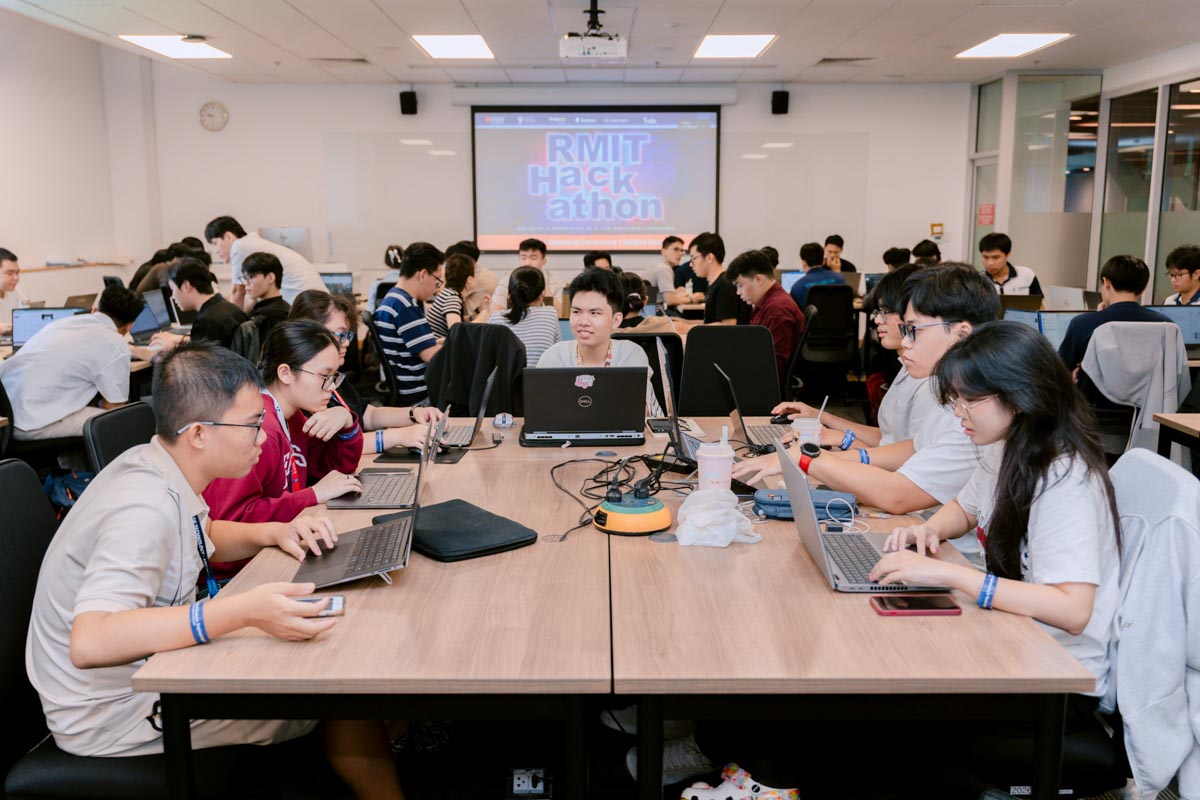
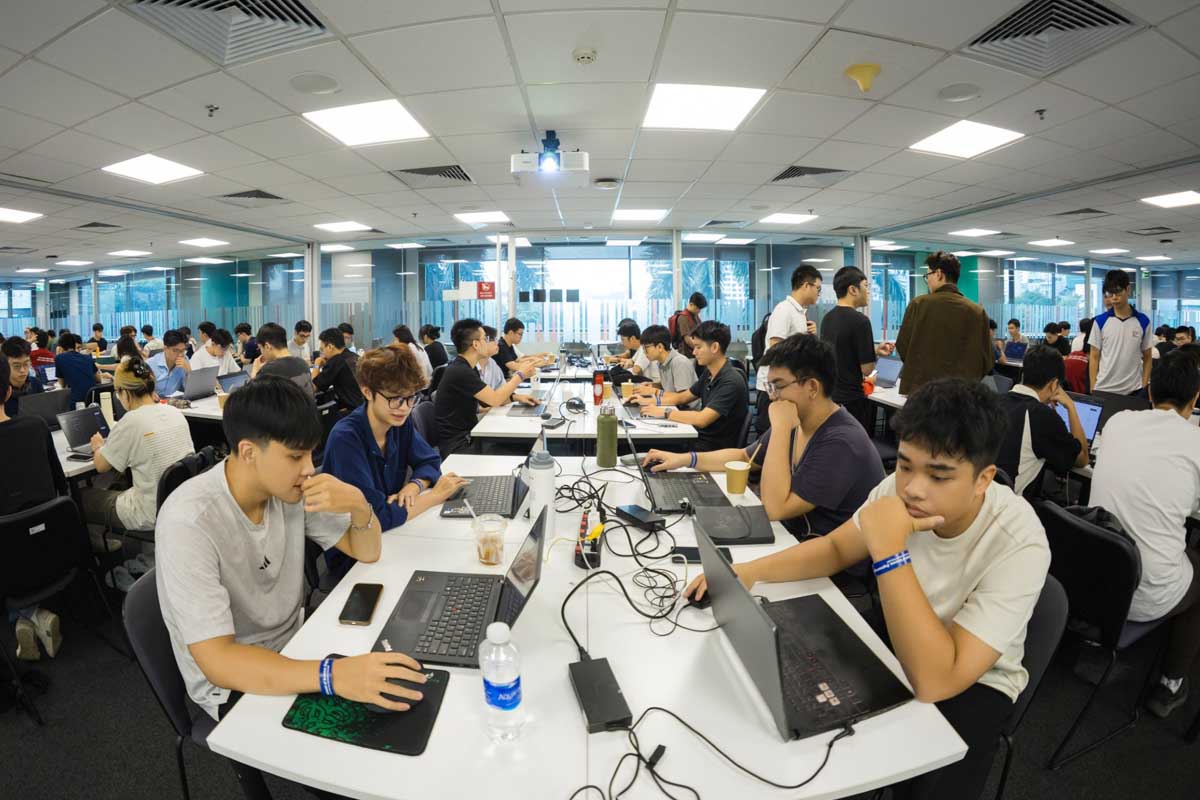
Groups of students at the hackathon in HanoiParticipants competed in RMIT Hackathon 2026 across Australia, Vietnam and Malaysia. (Photo: RMIT)

This year's hackathon addressed a growing challenge in artificial intelligence: ensuring AI systems remain safe, accurate and trustworthy for languages that lack extensive digital resources. While generative AI has achieved impressive capabilities in widely used languages such as English, its performance often degrades when applied to communities with limited training data.

Teams of four students worked through four interconnected tasks designed to test both their technical abilities and collaborative skills. Participants were challenged to identify vulnerabilities in AI systems, improve the performance of large language models, and develop approaches that could help AI better serve users of low-resource languages.

Another new feature this year was that the competition encouraged both undergraduate and postgraduate students to attend, forming teams with members from different universities and academic levels.

Dr Huo Chong Ling, RMIT Senior Lecturer in Software Engineering and General Co-Chair of this year's hackathon, said:

“In 2024, we welcomed over 270 participants. In 2025, that number grew to over 600. And this year, we are proud to have over 1000 participants registered across four venues in Vietnam, Australia and Malaysia.

“This shows the growing interest in cybersecurity, generative AI and low-resource language technologies, and the value of bringing participants together to tackle real-world challenges.”

Groups of students at the hackathon in Ho Chi Minh CityTeams tackled challenges involving cybersecurity, generative AI and low-resource languages. (Photo: RMIT)

Specific details of the challenges were only revealed on the competition days, requiring teams to think critically and adapt quickly under pressure.

Participants were assessed through a combination of automated evaluation and judging by a panel of experts from RMIT University, Taylor's University and Katalon. Solutions were evaluated based on technical performance, innovation, robustness and their ability to address real-world AI challenges.

The competition culminated in a series of outstanding performances across all participating locations. Team MUCK from RMIT Vietnam's Hanoi campus was named Vietnam's winner. In Australia, WeNeedClaudeSub featuring RMIT Vietnam exchange students took top honours. In Malaysia, the champion title went to Default Settings from Taylor's University.

Recognition also went to high-performing teams from the Ho Chi Minh City University of Technology, VNUHCM University of Science, Ton Duc Thang University, Ho Chi Minh City University of Technology and Education, Posts and Telecommunications Institute of Technology, Swinburne University, and The University of Queensland. Their success highlighted the diversity of talent and ideas brought together through this year's hackathon.

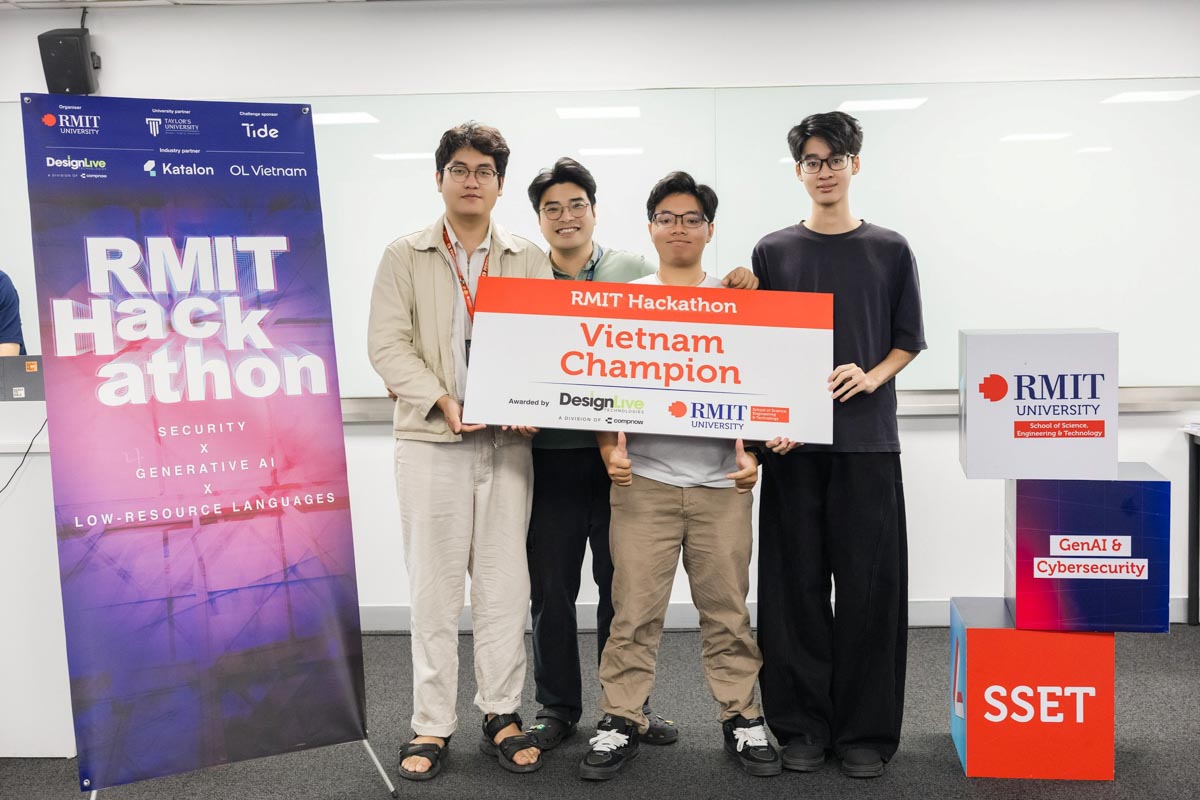
MUCK, the Vietnam Champion team, was proud of leaving a legacy for the next generations of RMIT students in Hanoi: “Third hackathon, three years of grinding, and one last shot before graduation. We are honoured to bring this title home, and prouder still that it stays at RMIT Hanoi for the second year running.”

Four students holding a champion plaqueTeam MUCK from RMIT Vietnam was the Vietnam Champion of RMIT Hackathon 2026. (Photo: RMIT)

Beyond the prizes totalling VND100 million in value, participants gained hands-on experience with emerging AI technologies while working alongside peers from different countries.

With the support of Taylor's University and industry partners Tide, DesignLive, Katalon, Orange Logic Vietnam and Petrosetco, the competition also provided opportunities to build professional networks and engage with industry-relevant challenges that reflect the evolving needs of the technology sector.

WeNeedClaudeSub, the Australia Champion team, said that they learned a lot from working with each other, solving problems quickly, and seeing how generative AI can be applied to real-world challenges.

“The hackathon was challenging because we had to develop and improve our idea within a very limited time, but that also made the experience exciting. Winning made the whole experience even more memorable,” the team said.

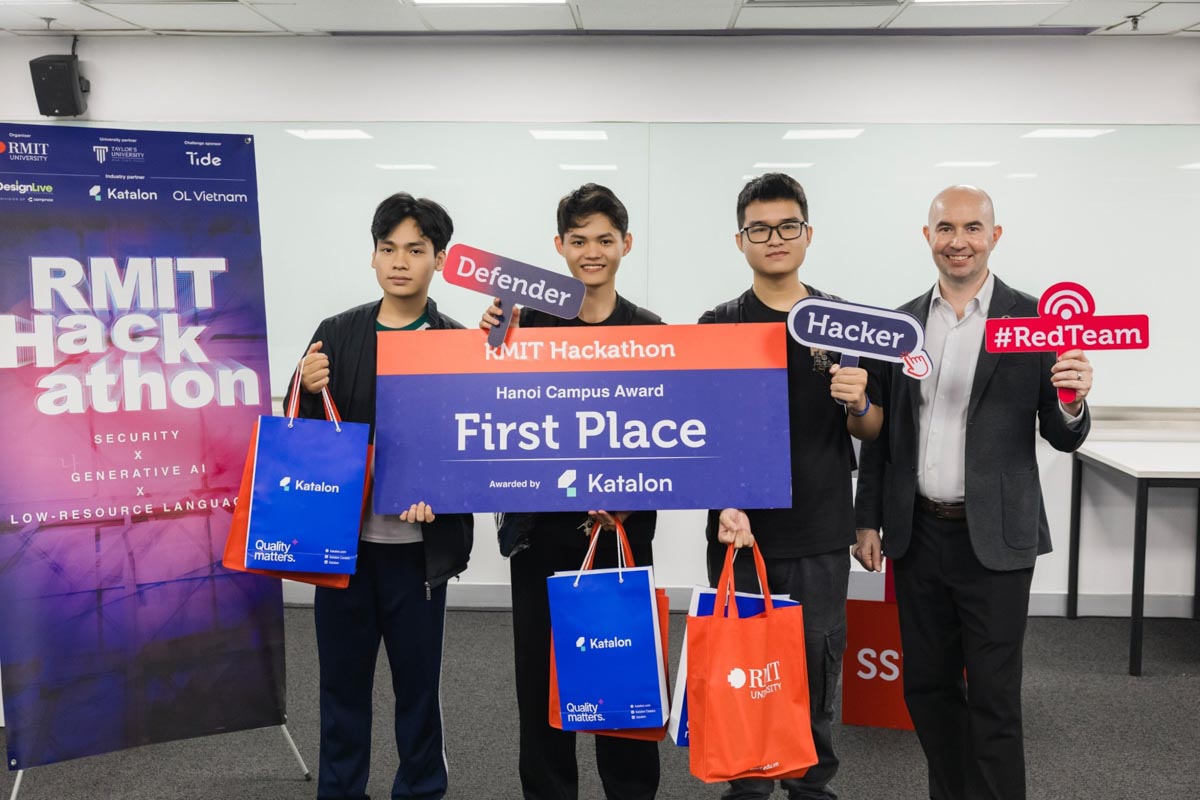
Team Android17 from the Posts and Telecommunications Institute of Technology (PTIT), who won the first prize in the Hanoi campus, also had an unforgettable experience with the competition.

“We’re truly grateful for this opportunity, which challenged us to think creatively, collaborate effectively, and turn our ideas into reality. The journey was not without difficulties, but every challenge taught us something valuable. Thank you to the organisers for creating such an inspiring event,” they said.

Four people standing next to each otherTeam Android17 from the Posts and Telecommunications Institute of Technology with Dr Joshua Dwight from RMIT’s organising team. (Photo: RMIT)

Over the past three editions, RMIT Hackathon has grown into a respectable platform connecting aspiring engineers, data scientists and cybersecurity professionals. By combining technical problem-solving with real-world impact, the competition continues to support the development of future technology talent across the region.

Story: Ngoc Hoang, Ly Ho Mai

RMIT Hackathon 2026 winners

Country Champions

  • Vietnam: MUCK (RMIT Vietnam)
  • Australia: WeNeedClaudeSub (RMIT Vietnam exchange students)
  • Malaysia: Default Settings (Taylor's University)

Saigon South Campus Awards

  • Champion: HCMUT NeuroX - HCMC University of Technology
  • Innovation Award: Parcheesi - VNUHCM University of Science
  • Honourable Mention:
    • TLNC - HCMC University of Technology
    • Fprinciples - Ton Duc Thang University
    • Meizi - HCMC University of Technology

Hanoi Campus Awards

  • Champion: Android17 - Posts and Telecommunications Institute of Technology - PTIT
  • Honourable Mention:
    • TekDA - HCMC University of Technology and Engineering
    • FatCat - Swinburne University
    • 4KNIGHTS - RMIT Vietnam

Melbourne Campus Awards

  • Second Place: T2HK - RMIT Australia
  • Third Place: GoldDiggers - The University of Queensland

Malaysia Campus Awards

  • Runner-up: SlaGOON – Taylor's University
  • Best Security Solution: Power Ranger – Taylor's University
  • Best Low-resource Language Solution: Shuijiao – Taylor's University

Related news